
THAILAND TRAVEL GUIDE
Getting Around Thailand: Trains, Flights, Ferries & Local Travel
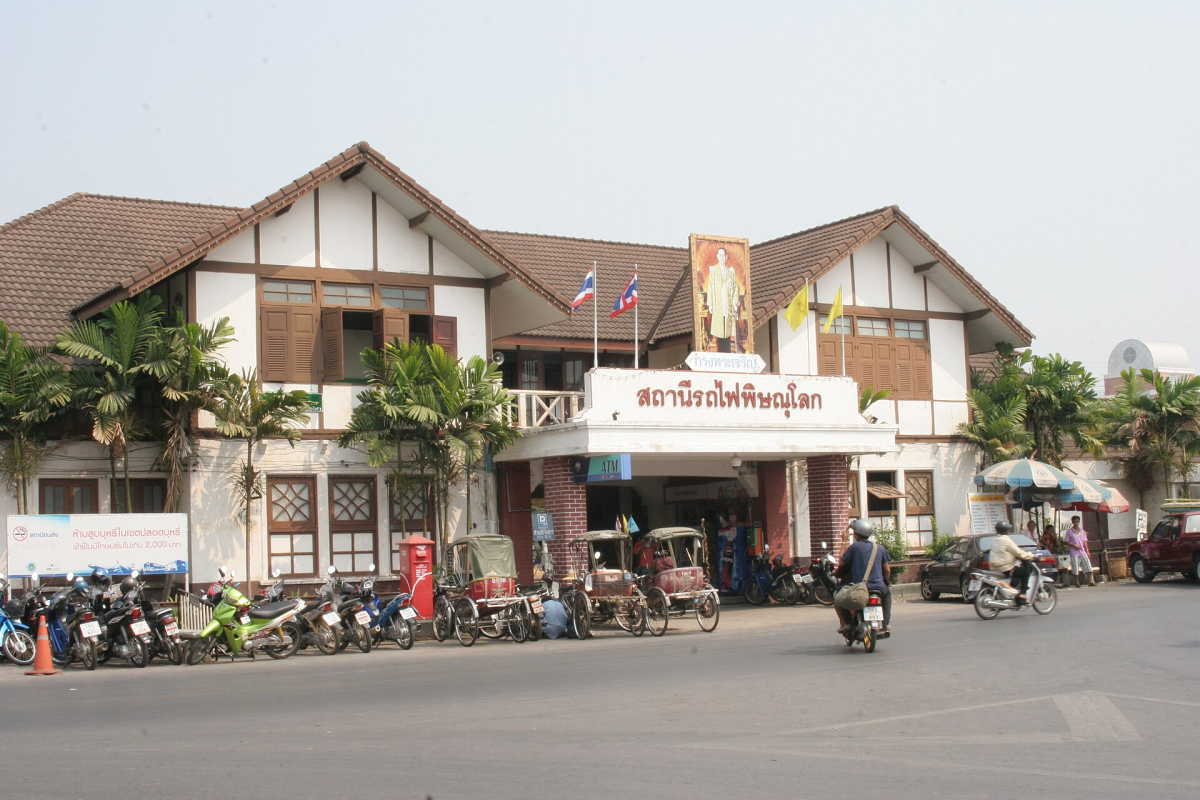
Choose transport by the complete journey between bases. Rail, domestic flights, coaches, boats and local transfers each solve different problems. The fastest advertised segment is not always the most useful or comfortable door-to-door trip.
Choose fewer moves, then choose the transport
Begin with the nights you want in each base and the places you will visit from it. A route with Bangkok, Chiang Mai and one coast usually needs fewer transfers than a sequence of short stays on several islands. Reducing a move can save more useful time than finding a slightly faster vehicle for it.
Compare total travel time: packing and checkout, travel to the terminal, waiting, the journey itself, baggage and the last approach. A short flight can still occupy much of a day, while a train may avoid some airport stages but take longer in motion. Choose based on your route and comfort rather than treating one mode as always superior.
Keep the first and last days realistic. After a long international arrival, a simple first transfer is valuable. Before the international departure, return from a remote or boat-dependent base with a sensible buffer. See itineraries for examples that count transfer days explicitly.
Intercity trains
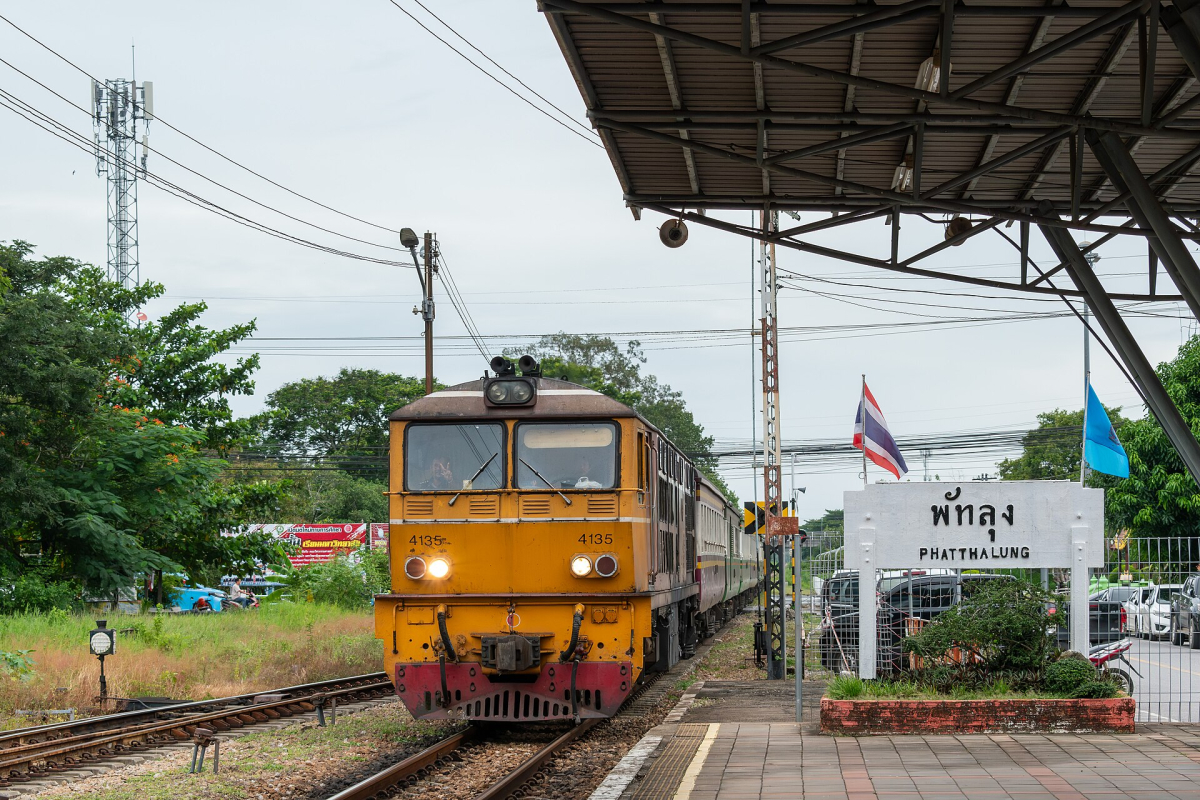
Use the State Railway of Thailand's official booking service to check the actual train, departure station, class and date. Bangkok has more than one rail terminal; do not travel automatically to an old station name because a past guide used it for a different service.
For an overnight journey, compare berth type, air conditioning, luggage and arrival time. An overnight train is part of the accommodation-night count even when no hotel room is used. It may save a hotel booking, but sleep quality and the early arrival can affect the next day. Arrange somewhere appropriate for luggage and do not assume immediate room access.
Rail is useful on several north, northeast and south corridors, but it does not reach every attraction or island. A station name can refer to a town that still needs a road transfer to the place you want. Check the last leg before booking a non-refundable room based only on the railway map.
Domestic flights
A flight can be sensible between widely separated regions, especially on a limited holiday. Compare the usable fare, including checked baggage, seat conditions and airport transfers. A cheaper fare at a less convenient airport can introduce another long road journey or an awkward departure time.
Read Bangkok airport codes carefully. BKK and DMK are separate airports, and a change between them is not a terminal transfer. Separate-ticket connections require their own baggage, entry and check-in planning. The Airports & Transfers guide explains the arrival side in detail.
Do not build an important onward journey around an unusually short connection unless the booking and airline arrangements genuinely support it. A domestic delay can become expensive when the next ticket is unrelated. Compare a protected itinerary or an extra night with the cost and stress of a missed departure.
Coaches, minibuses and private road transfers
Long-distance coaches can connect places not served conveniently by rail. Confirm the operating company, terminal, pickup point and baggage conditions. A booking-office address may not be the departure point. Arrive with the ticket and a working contact number rather than relying on a map pin alone.
Minibuses can be practical for a regional move but vary in seating and luggage space. Ask about the actual vehicle and whether it makes additional pickups. A small group with large suitcases may need a different service from one backpacker. A private transfer gives more control over pickup and stops but should still have clear inclusions and a sensible driving day.
For children, ask about suitable restraints. For mobility needs, describe the boarding step and equipment requirements. A vehicle sold as comfortable or accessible may not meet a specific need without advance arrangement. Do not assume that a short road transfer is automatically easy to board.
Ferries and island connections
Check the actual departure pier and destination pier, not only the island name. Add road access, check-in, boarding, the crossing and the transfer to accommodation. Combined tickets can be convenient, but verify what is included and who handles a missed connection between the parts.
Sea conditions, season and local restrictions can affect services. Follow the operator's decision to cancel or alter a crossing. Choose a service with appropriate safety equipment and do not board an overcrowded or unsuitable vessel simply to preserve a hotel booking. Keep money and time for a changed plan.
For a flight after an island stay, a previous-night mainland or airport-city stop can reduce exposure to a same-day cancellation. It does not guarantee success in every disruption. Explain the final journey to your accommodation and operator so they can advise on the practical departure sequence.
Bangkok local travel
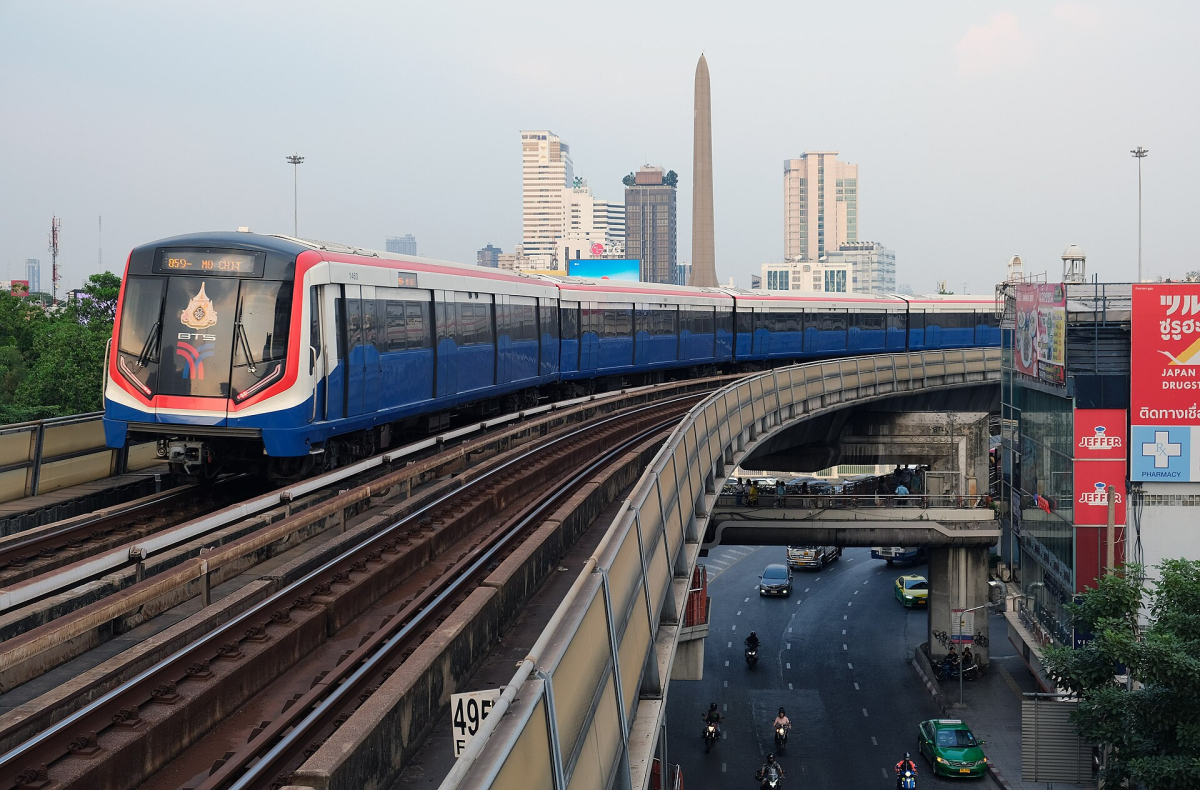
BTS and MRT can be useful for predictable travel through the modern city, while river boats support a different set of riverside stops. Check the actual station or pier nearest the entrance you need. A transport map connection can still require stairs, a walk, another ticket or a final road journey.
Use the BTS official service and the MRT operator's information for current route and ticket details. Do not assume one visitor pass covers every rail system, boat or airport service. Compare the trips you will actually make before buying a pass.
A taxi can be more useful for a group, late evening or difficult final approach, but traffic affects the journey. Use an identifiable service and understand the payment arrangement. A tuk-tuk can be an experience for a short ride; agree the price and destination first and do not treat it as automatically cheaper than a taxi.
Driving and car rental
Thailand drives on the left. Check the correct licence and permit for your nationality and vehicle, the rental contract, deposit, insurance exclusions and the road conditions you expect. A car may suit a regional loop or rural accommodation but can be a burden in Bangkok or at a hotel without practical parking.
Motorcycles require a separate decision about entitlement, skill and risk. A shop's willingness to rent a scooter is not proof that your documents or insurance are valid. Avoid using a scooter to rescue an inconvenient accommodation choice when taxis, a driver or another base would work better.
When comparing rental prices, include the actual pickup and return locations, one-way fees where applicable, fuel policy, excess and additional-driver terms. Do not assume a vehicle can be taken onto any ferry or across a border. Obtain explicit written permission and suitable coverage for the intended use.
Choose the mode for the route
Scroll sideways on smaller screens to compare all columns.
| Mode | Useful when | Trade-off |
|---|---|---|
| Train | A suitable intercity corridor and comfortable schedule | Station and final road leg still matter |
| Domestic flight | Connecting distant regions | Baggage, airport time and unrelated-ticket risk |
| Coach / minibus | A road route fits the destination | Pickup, luggage and comfort vary |
| Private transfer | A group or difficult last approach | Higher cost; confirm vehicle and inclusions |
| Boat | The selected island or peninsula requires it | Season, sea conditions and pier access |
| Rental car | A regional plan benefits from independent road travel | Licence, insurance, parking and driving demands |
Make the last leg work
Save the accommodation address in Thai and ask which entrance or pier to use. Confirm late arrival and whether staff meet you. A hotel pin beside a beach does not tell you whether the approach is by road, boat, steps or sand. Luggage and mobility needs should be part of that conversation.
Keep a concise offline record of the booking, pickup and contact. Reconfirm the next day's move before leaving a place with reliable reception or internet. If a service changes, use the actual operator or booking support channel and retain the messages. A calm, documented change is easier when you have left a reserve in the travel budget.
Frequently Asked Questions
Does one Bangkok pass cover all transport?
Do not assume so. BTS, MRT, airport rail and boats can have different tickets and conditions. Check the actual journeys and current operator information.
Is an overnight train a free accommodation night?
It uses a night of the trip, and the fare and comfort should be compared honestly. Plan the early arrival and luggage storage separately.
Should I leave an island on the day of a long-haul flight?
A previous-night mainland or airport-city stop can reduce risk from a same-day boat cancellation. Choose a buffer appropriate to the whole journey.