
THAILAND TRAVEL GUIDE
Thailand Photos & Photo Spots: Light, Access & Respectful Routes
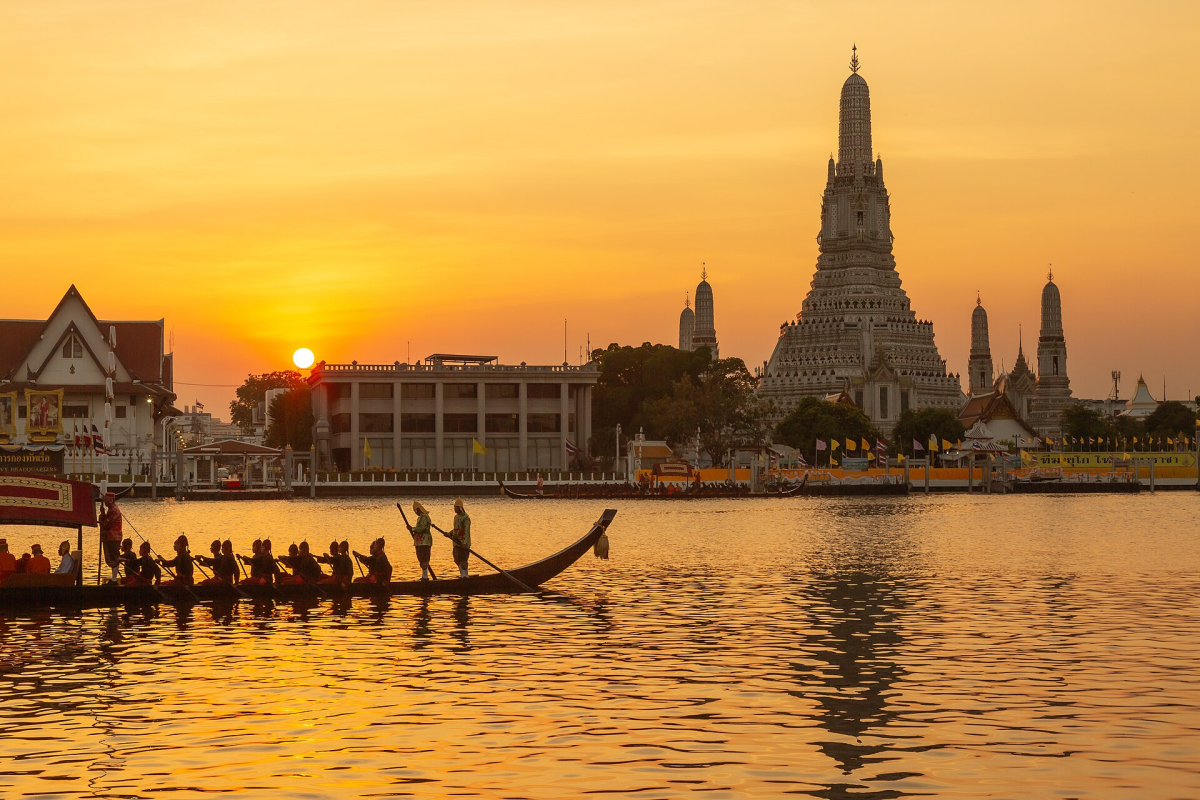
Plan Thailand photography around light, an accessible public viewpoint and enough time to return. This guide separates a useful composition idea from a claim of guaranteed access. Historical event photographs show a moment, not a promise that the same scene will occur on your visit.
Bangkok river views
Wat Arun is a useful subject because the river gives space around the temple profile. A viewpoint from the opposite bank can show the relationship between water, boats and architecture. Check whether the place you intend to stand is public, a working pier or a business that requires a booking. A photograph taken from a terrace does not make that terrace a free public viewpoint.
Return at more than one time if the image matters to you. Sunset, blue hour and an overcast day create different colour and contrast, and boats may interrupt a long exposure. Do not block pier access or set equipment where it obstructs commuters. Use a smaller setup when a tripod is impractical or prohibited.
The main photograph shows Wat Arun during a royal barge procession. It is historical event context. Do not plan on a procession, a particular boat or a clear river view without a current official programme. Ordinary riverside photography can still be rewarding when the special event is absent.
Sukhothai: water, trees and historical forms
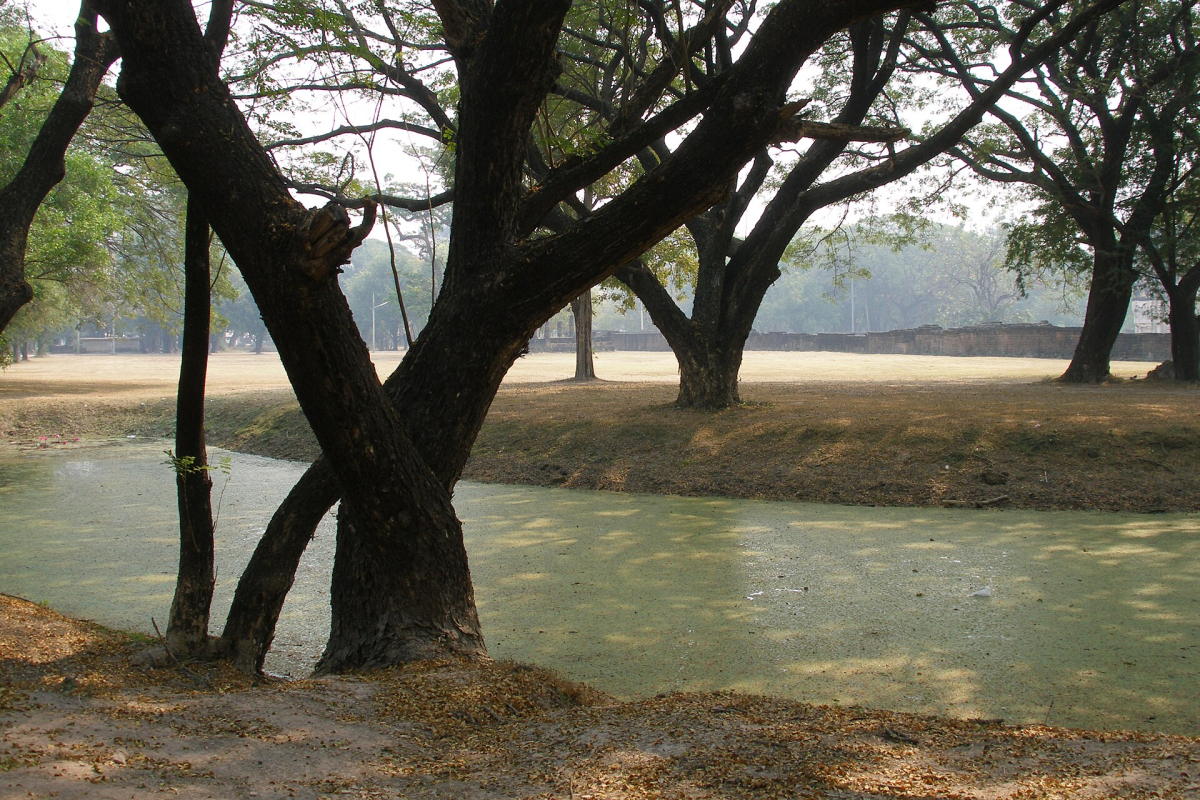
Sukhothai's monuments and water can support a quieter composition than a rapid city itinerary. Look for a clear foreground and enough space to show the shape of a stupa or tree without cutting into restricted ground. Reflections depend on water, wind and viewpoint; they cannot be guaranteed from a source photograph.
An early or later visit may give softer light, but confirm the actual opening and access before planning around sunrise or after dark. A paid festival visit can have a different layout from an ordinary park day. Do not assume a historical photograph's illuminated monument is a permanent evening arrangement.
Use fewer sites and allow time to observe. Changing position a little can separate a tree from a monument or simplify a distracting background without entering a closed area. The Things to Do guide covers visiting choices; this section focuses on composition and the conditions needed for the image.
Chiang Mai temple architecture
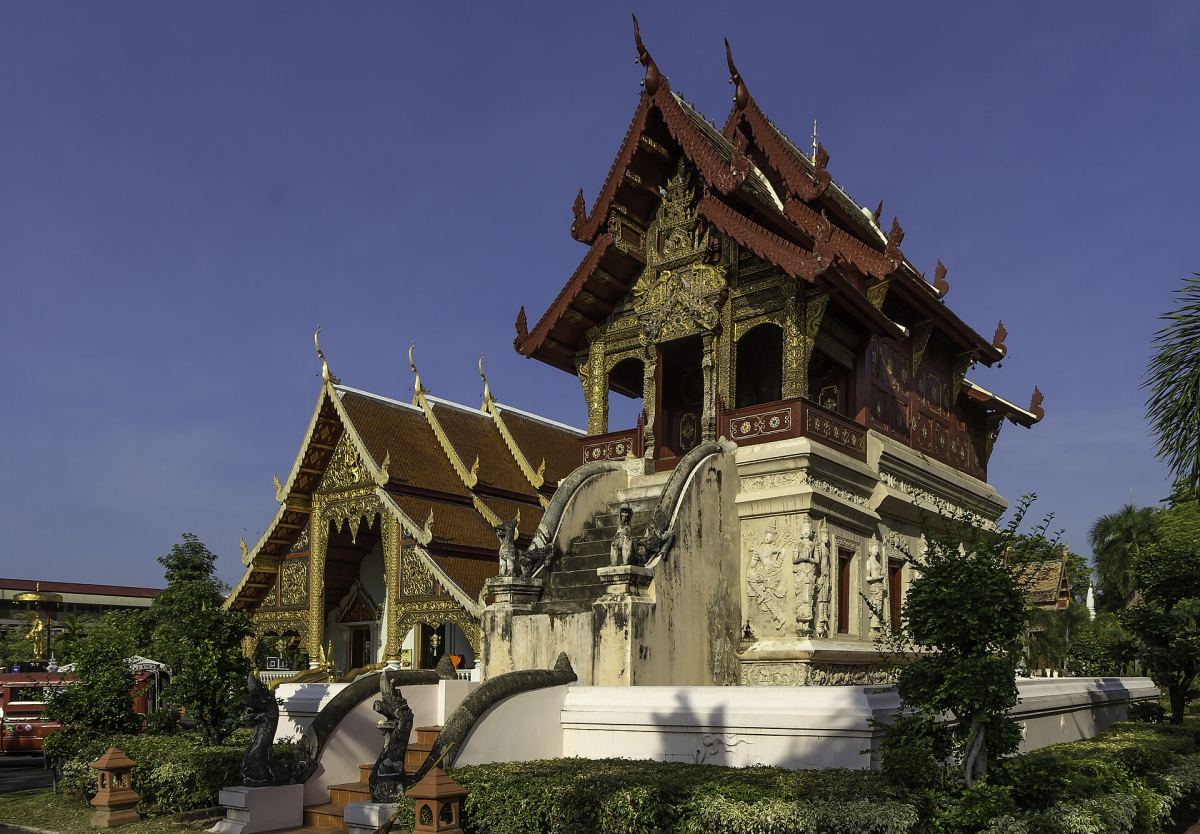
At a temple such as Wat Phra Singh, look at the roofline, foreground and angle before reaching for a very wide lens. A position that keeps the main verticals calm can be more useful than trying to include every decorative element. Strong midday light may make details difficult; a different time or a tighter composition can work better.
Treat the temple as a place of worship. Follow posted interior restrictions, ask before close portraits and do not rearrange objects or people. A visitor standing in a clear architectural frame is still a person with a choice about being photographed. Accept a refusal without pressure.
Temple entrances and steps are not a private studio. Keep a path open and move equipment when asked. A handheld photograph with a respectful viewpoint is preferable to an elaborate setup that disrupts worship or creates a trip hazard.
Krabi limestone and coastal light
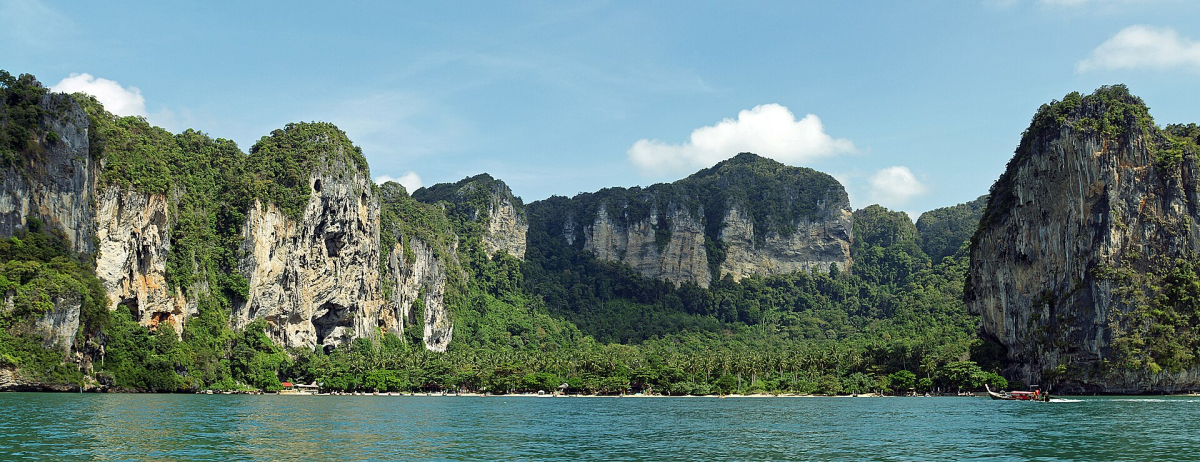
Krabi's limestone coast gives strong shapes, but the usable foreground changes with tide, weather and boat activity. A wide panorama can show the relationship between cliffs and water; a tighter view can simplify a busy beach. Check the actual position before promising yourself the source photograph's exact foreground.
If reaching the viewpoint involves a boat, plan the return before staying for late light. A last scheduled crossing or a weather decision may matter more than sunset. Protect equipment from spray and sand, and do not step into an unsafe boat or closed coastal area to avoid missing a photograph.
A high viewpoint can involve steps, a steep trail or a restricted area. Do not infer an accessible route from an elevated image. Ask about the actual path and current conditions. The Beaches guide compares the practical bases and boat approaches separately.
Phuket town: buildings and everyday street life
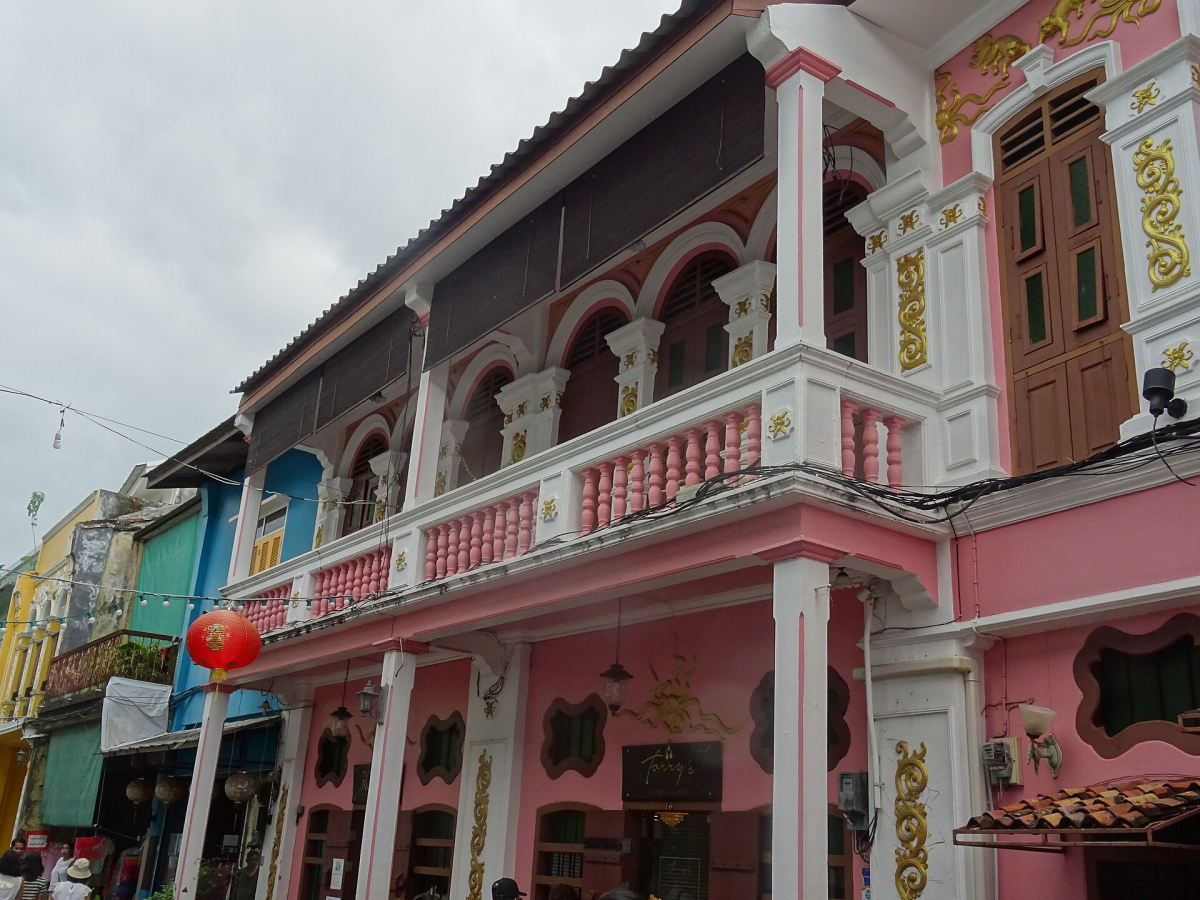
Phuket town's street facades can reward a slower walk. Look for a sequence of colour, repeating windows or a clean line of balconies rather than assuming every building is equally visible from the pavement. Parked vehicles, signs and road traffic change the scene through the day.
Photograph from a safe public position and leave businesses accessible. Do not stand in the road for a symmetrical frame or enter a private courtyard because its architecture is attractive. If a shop interior or a person is central to the picture, ask first and respect the answer.
A wider street scene and a close detail tell different stories. Use the caption to describe what is visible rather than inventing the building's age, owner or history from appearance. For a heritage claim, use a reliable source specific to the building.
Mekong landscapes near Chiang Khan
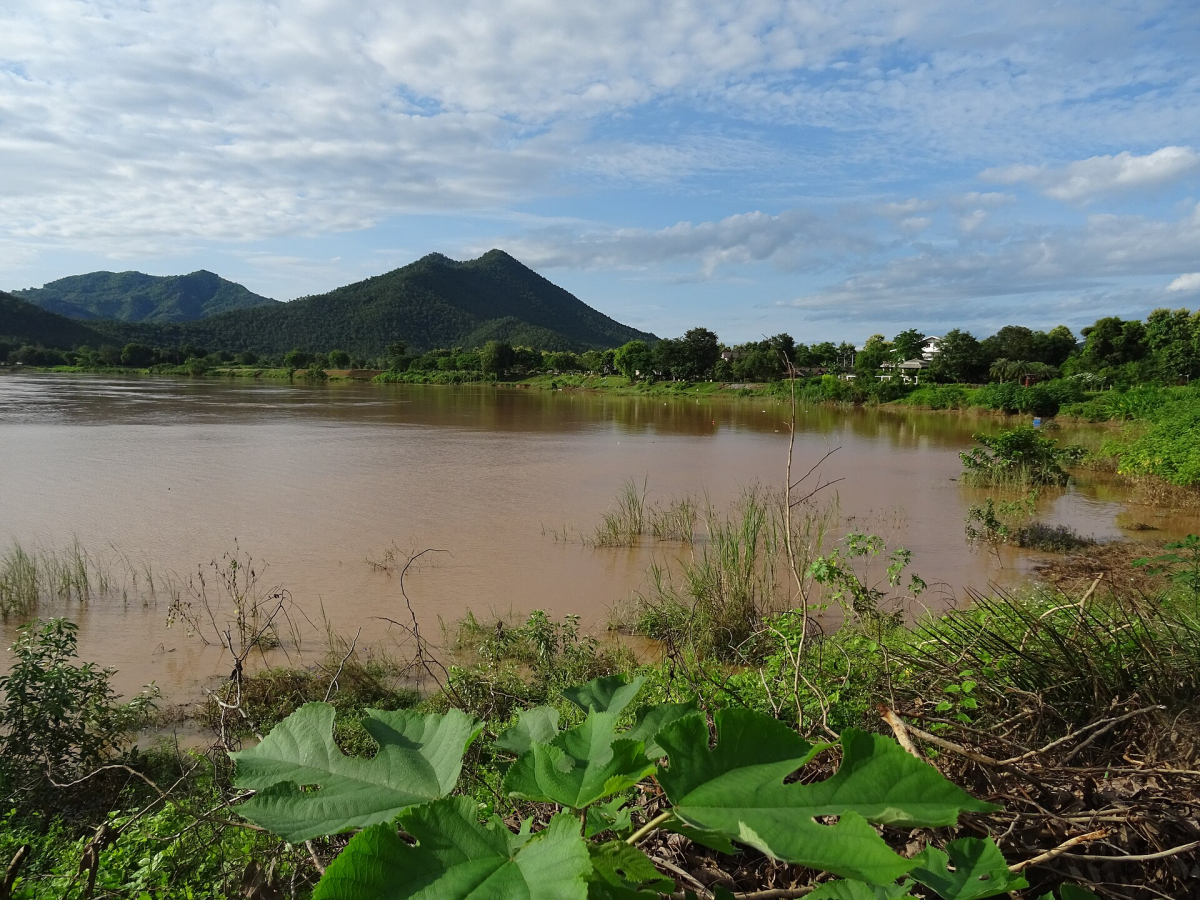
The Mekong near Chiang Khan offers a different visual rhythm from the southern beaches: broad river bends, distant hills and changing water levels. Kaeng Khut Khu is one geographic subject shown here. Seasonal water and weather alter the foreground, so do not expect the source image's exact riverbank conditions.
Choose a safe public viewpoint and avoid approaching a slippery or unstable edge. A longer lens can separate layers of hills without moving closer to the water. Keep a practical return to the accommodation, especially if the viewpoint is away from the central town area.
This is a location-specific photography idea, not an instruction to cross a border or enter a restricted river area. Current regional advice and local access still apply. A quieter place can offer more time to observe, but it does not remove the need to ask about land ownership or safe access.
Markets, food and people
A market photograph should leave the stall able to work. Ask before a close portrait, keep the lens and bag out of the trading space and avoid flash where it would disturb people or the display. Buying something can be a pleasant interaction, but it does not purchase unrestricted portrait rights.
For food, use available light where practical and describe the actual dish. Do not label a generic curry as a named restaurant's current signature plate without evidence. The Food & Drink guide uses illustrative dish captions so the reader can distinguish regional context from a menu promise.
If a photograph includes children or a private family situation, take extra care with consent and context. A respectful decision not to make a picture can be the right result. Avoid presenting a staged encounter as an unobserved moment of local life.
Equipment, drones and a realistic route
Carry only the equipment you can handle through the actual journey. A small camera and dry pouch may be more useful than a large tripod on a crowded boat. Keep a backup of important files and avoid exposing the whole kit at once when changing transport.
Drone use requires current checks with the responsible Thai aviation and telecommunications authorities, plus site and local restrictions. Do not launch because another visitor did or because a scenic location appears empty. A general photography guide cannot grant registration, airspace or landowner permission.
For a first trip, give a few nearby viewpoints more than one chance. Use the itinerary guide to protect transfer days and avoid making every sunrise a distant excursion. The image is more likely to be useful when the route leaves you time to notice the place.
Frequently Asked Questions
Are these guaranteed camera positions?
No. They are place and composition ideas. Confirm public access, current rules and the practical route to the viewpoint.
Can I photograph inside every temple?
No. Follow the particular site’s rules and staff directions. Ask before close portraits and keep worship and access undisturbed.
Does the barge-procession photo show a regular daily event?
No. It is a historical event photograph and does not promise a procession during your stay.