
THAILAND TRAVEL GUIDE
Things to Do in Thailand: Culture, Food, Parks & Local Experiences
Choose Thailand experiences for the time, season and energy you have. A river-and-temple day, a cooking class, a historical park and a guided forest walk each need different preparation. This guide explains the decisions behind the visit rather than repeating a list of famous places.
Bangkok: a river-and-temple day
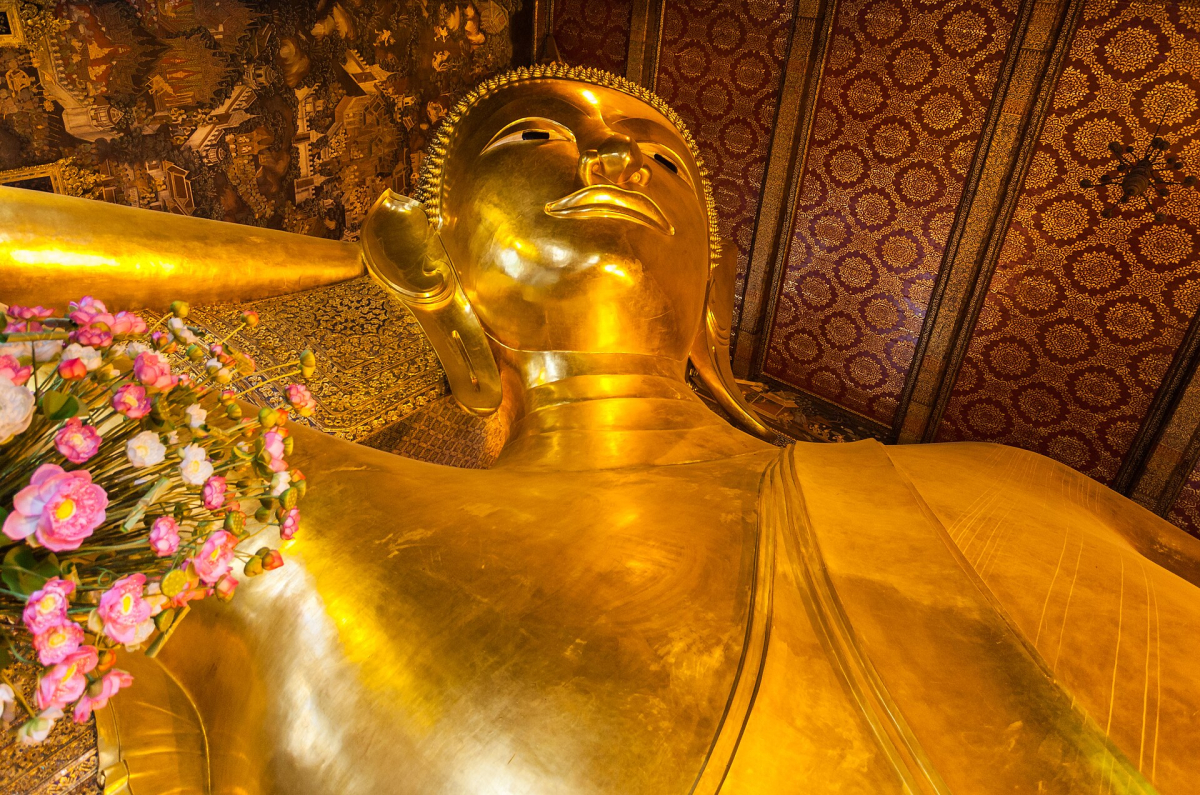
Start with a compact riverside cluster such as Wat Pho and a suitable crossing to Wat Arun, rather than treating all Bangkok temples as one continuous walk. The river can make a useful connection, but check the actual pier, ticket and last service. Allow time to remove shoes where required, follow dress rules and pause in shade.
Wat Pho's Reclining Buddha and temple setting offer a different visit from the Grand Palace and Wat Phra Kaew. If you add the palace, check its current admission and dress arrangements and decide whether the group has the energy for another substantial site. A guide can help with interpretation and the sequence, but compare exactly which admissions and transfers are included.
For a paid option, the GetYourGuide link below identifies a Grand Palace, Wat Pho and Wat Arun guided product. Review the current option, meeting place, inclusions and cancellation before booking. A guide-only option and an admission-inclusive option should not be compared as though they are the same purchase.
We may earn a commission if you book through our GetYourGuide link.
Compare the Bangkok palace and temple tour on GetYourGuide
Ayutthaya: explore a former capital at a sensible pace
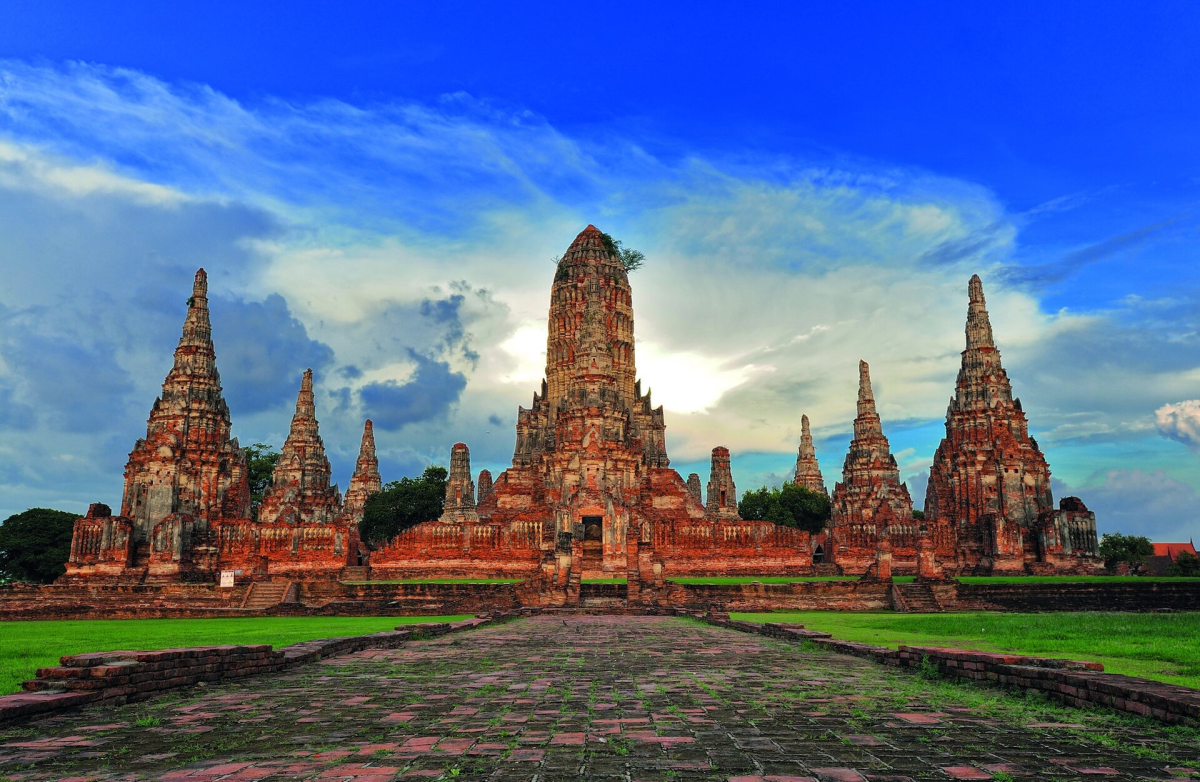
Ayutthaya's temple ruins occupy a wider urban landscape rather than one compact enclosed attraction. Choose a smaller set of sites and a transport plan between them. Wat Chaiwatthanaram offers a distinctive riverside composition, while other complexes answer different historical and visual interests.
A bicycle can be appealing for confident riders in suitable conditions, but heat, roads and the distances between stops matter. A local driver or guided day can be more useful for some groups. Confirm the return to Bangkok or the onward journey before adding an evening visit, and avoid building the day around a precise sunset if access or weather has not been checked.
The UNESCO Ayutthaya listing provides reliable heritage context. Do not climb ruins or enter roped areas for a photograph. A good visit can be built around fewer well-understood sites rather than a rapid circuit of every name in a tour advertisement.
Chiang Mai: temples, local food and a slower city day
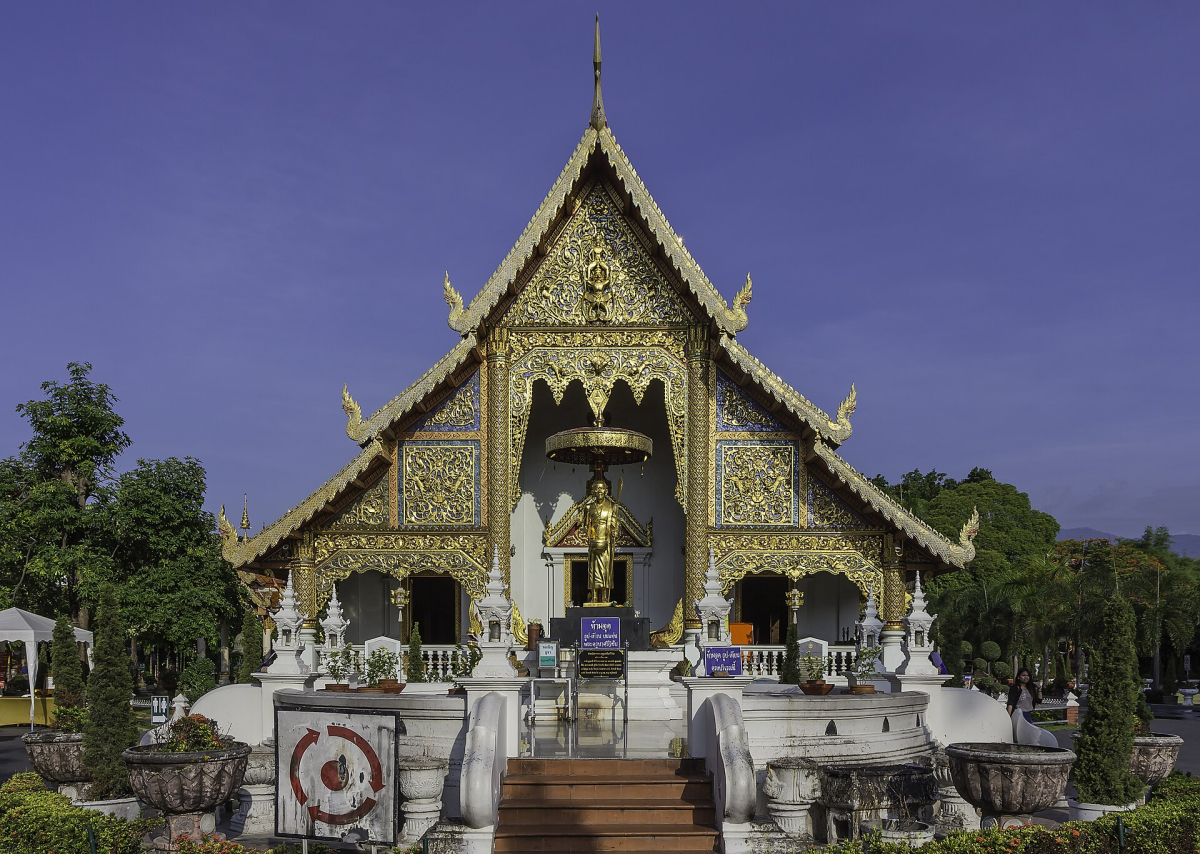
Use Chiang Mai's old city for a temple-and-food day with fewer vehicle changes. Wat Phra Singh is one useful starting place, but active worship and local use remain part of the setting. Dress appropriately, ask before close portraits and keep entrances clear.
Choose a small cluster and a proper meal rather than scheduling a succession of nearly identical stops. Add a market or craft-focused visit where it fits the day. A countryside excursion, Doi Inthanon or Chiang Rai is a separate journey; do not attach it to the end of an already full city morning simply because it appears in a Chiang Mai search.
If heat, rain or air quality changes the plan, a cooking class or a local indoor visit can be more suitable than forcing a distant viewpoint. Staying several nights gives room to adapt. The weather guide explains why northern conditions deserve their own check.
Learn through a cooking class or food visit
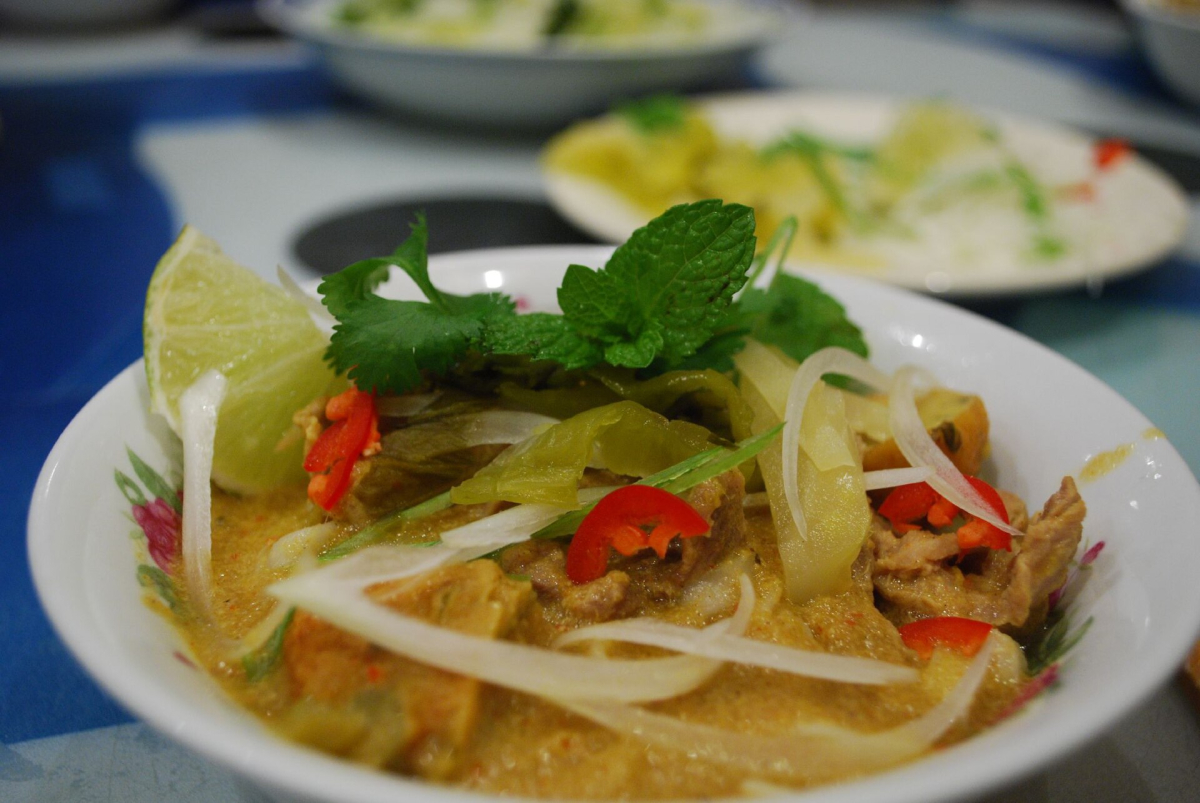
A cooking class can provide useful context for ingredients, preparation and regional differences. Compare the actual menu, number of participants, market component and how much cooking each person does. A class marketed as northern Thai should show what you will learn rather than relying only on a broad cultural label.
Explain dietary needs before paying. Replacing a protein may not remove ingredients in the stock or paste, and a kitchen may not be able to control cross-contact for a serious allergy. Ask about the actual arrangements. The Food & Drink guide explains regional dishes and ordering questions separately.
For a food tour, check walking distance, seating, tastings, drinks and the finish point. A long list of stops can mean small samples and a demanding route. Choose interpretation and a manageable pace over a numerical promise, particularly with children or a group with different dietary needs.
Sukhothai: history with time to look
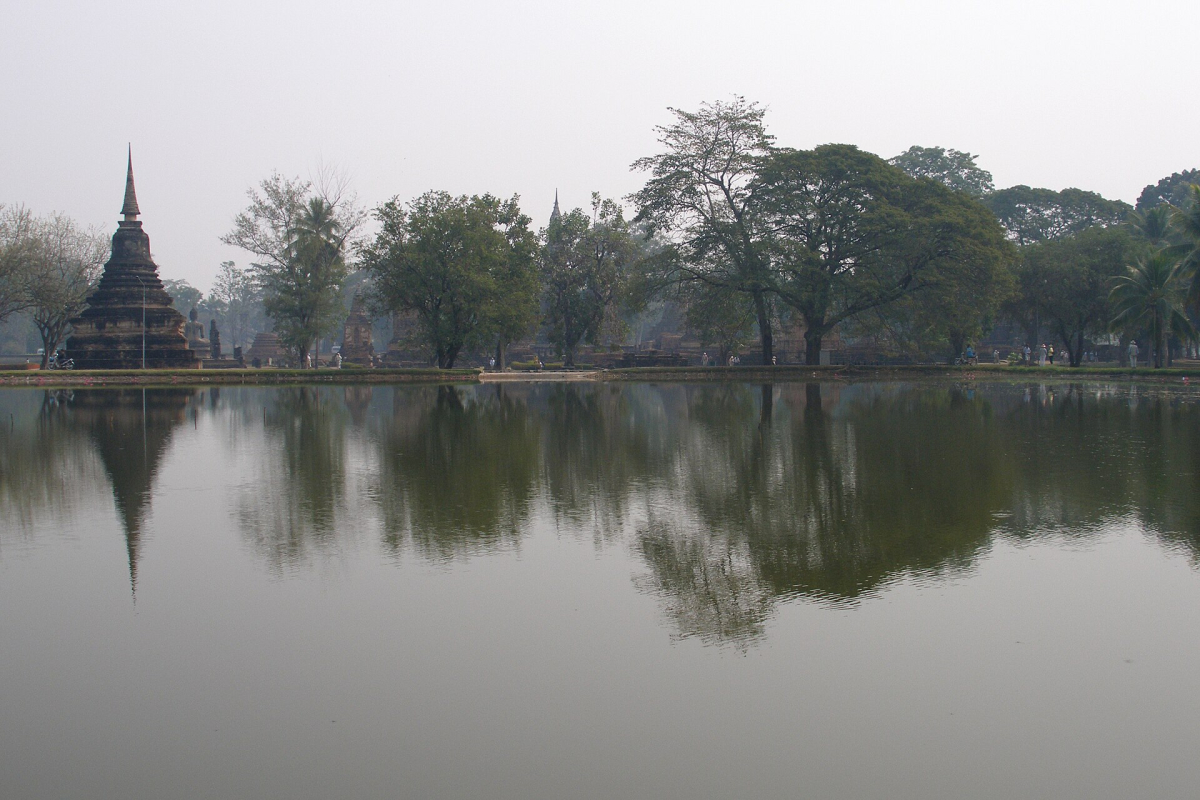
Sukhothai suits travellers who want space to understand a historical landscape and return in different light. The modern town and the historical park are different accommodation choices. Staying near the park can make an early visit easier; another base may offer different food or onward transport.
Choose the sites and a practical means of moving between them. Cycling is one option, but heat, road confidence and the distances to outlying monuments need consideration. A short central visit and a broader circuit are different days. Use the TAT Sukhothai page for destination context and check current site arrangements before departure.
Do not treat Sukhothai as a minor stop that can be fitted between distant cities without a travel cost. A deliberate overnight stay can make more sense than a rushed diversion. The itineraries explain when to replace another region rather than keep adding stops.
Walking & National Parks
A national-park day should begin with the route, guide requirement, current access and return journey. The photograph is not proof that a trail is open or a waterfall is suitable for swimming. Choose a route for the least confident member of the group and leave a practical alternative if conditions change.
Khao Yai: a guided forest or shorter nature visit
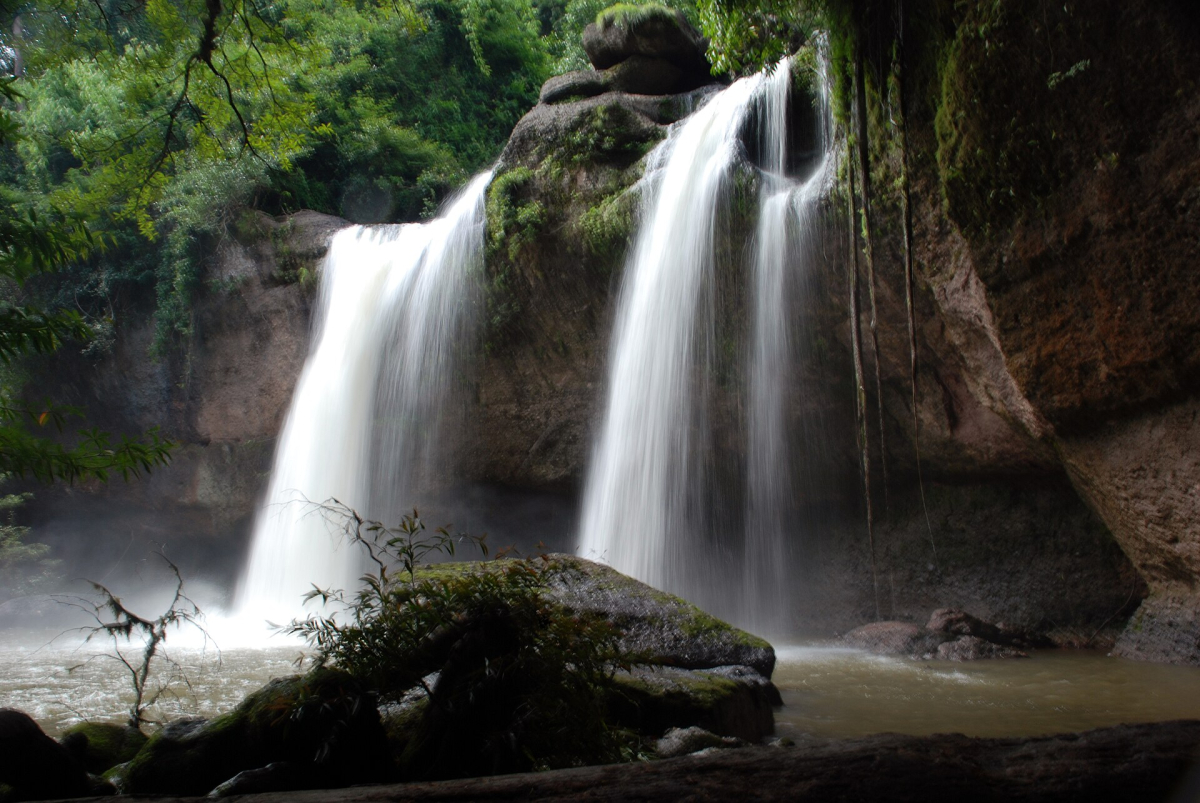
Khao Yai offers a forest setting within reach of a deliberately planned road journey from central Thailand. It is a substantial park with internal distances, not a single short path beside the entrance. Decide whether your interest is a manageable nature walk, interpretation, waterfalls or wildlife observation, then choose an operator or park arrangement that supports it.
The official trail guide lists routes from 1.2 to 8 kilometres and distinguishes guide requirements. Register and check the current route with the visitor centre. Do not infer universal accessibility from the shortest distance or assume a normally open trail is available after bad weather.
Wildlife sightings are never guaranteed. Keep your distance, do not feed animals and follow the guide's instructions. A paid tour should explain transport, guide, admission and equipment clearly. For a first visit, a suitable guided day can offer more value than trying to cover many scattered stops independently.
Khao Sok: distinguish the village and the lake
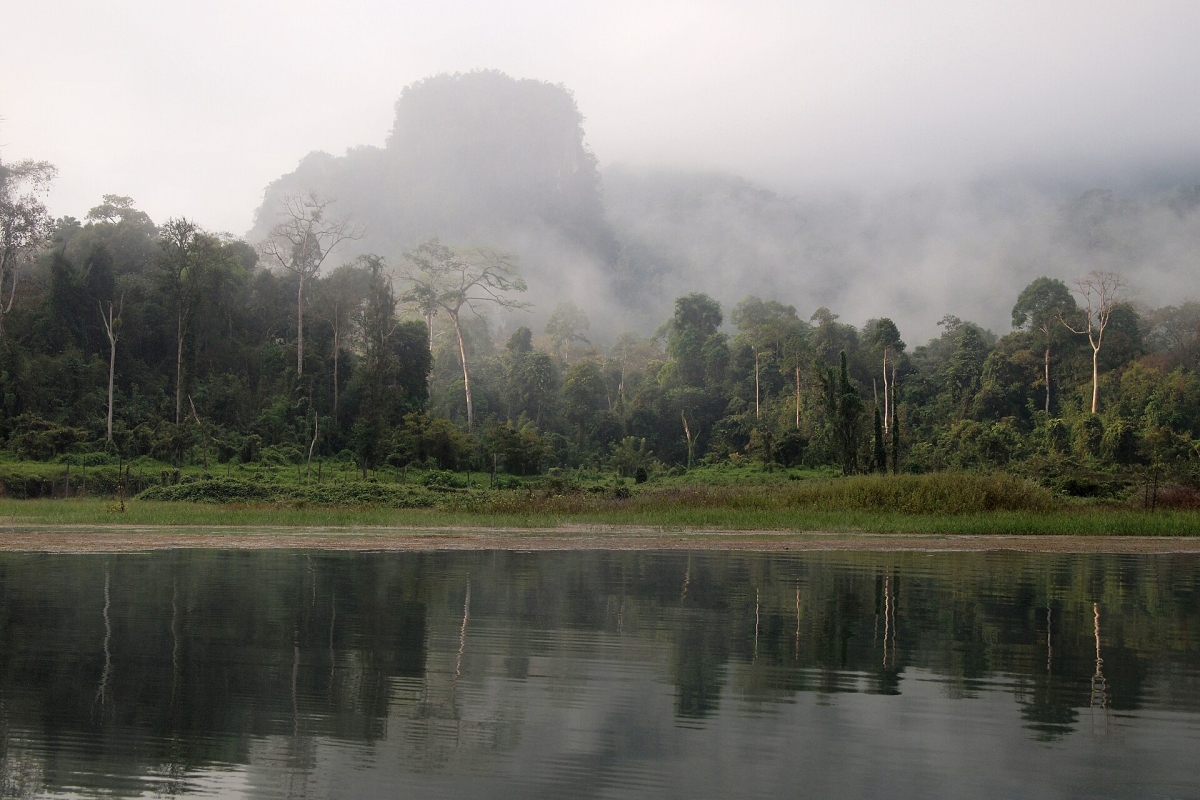
Khao Sok's rainforest and limestone scenery can justify replacing part of a beach holiday with a nature stay. Distinguish the village-area accommodation and trails from Cheow Lan Lake and its boat approach. A hotel using Khao Sok in its name does not automatically include a lake view, boat trip or floating room.
Ask the operator which entrance or pier is used, the physical demands, lifejackets, meals and what happens in poor weather. A lake outing, a forest walk and an overnight floating stay are different products. Do not add cave access or a long hike unless the current conditions and qualified local guidance support it.
Plan the onward transfer carefully, especially before a flight. Remote scenery often means more stages between the room and an airport. Leave a sensible buffer rather than turning the final morning into a sequence that depends on every road and boat leg running perfectly.
Doi Inthanon: a northern outdoor day
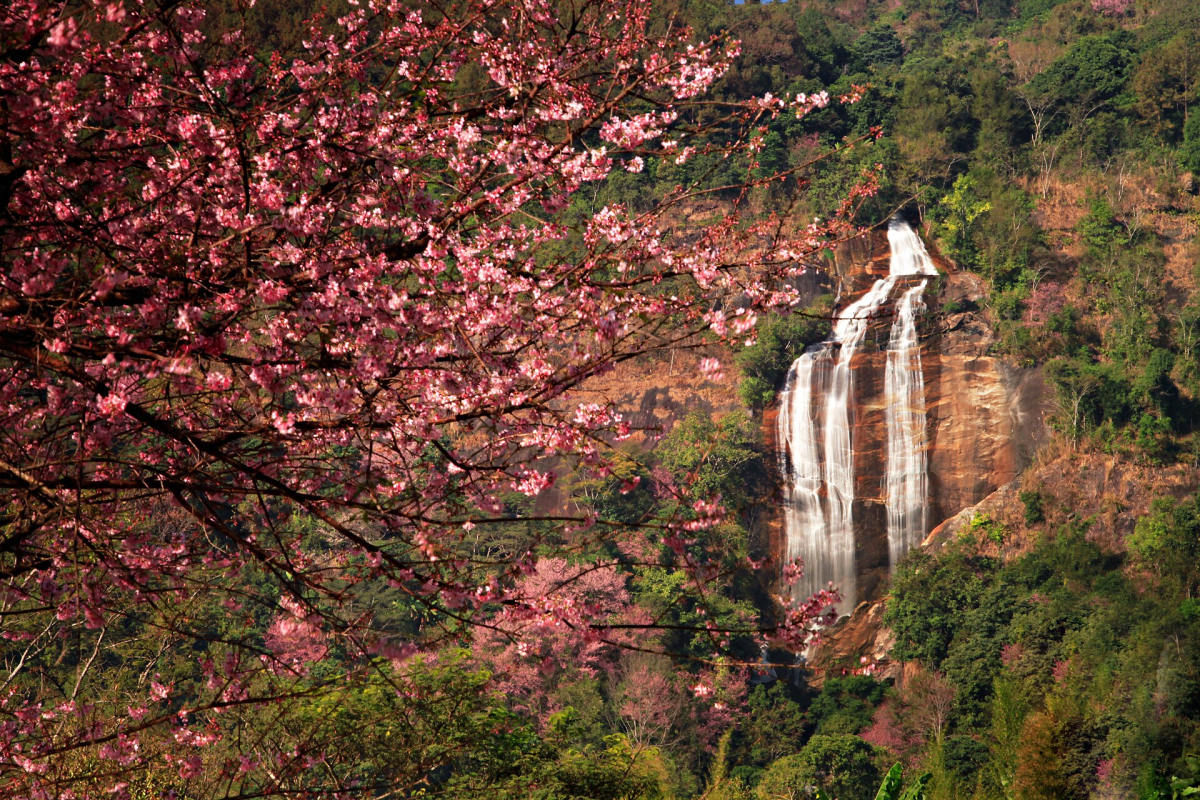
Doi Inthanon is a separate mountain excursion from Chiang Mai. Waterfalls, viewpoints and specific trails involve different stops and access rules. Choose a manageable programme rather than expecting a summit visit, long walk and every scenic stop in one unhurried day.
Confirm current route operation, guide requirements and the weather at altitude. Bring a suitable layer and footwear, and ask about steps and the actual walking surface. A waterfall photograph can represent the park's landscape without showing the exact route your group will use.
For families or a slower pace, choose a shorter set of stops and a proper meal break. If the weather or air quality makes the outdoor day unsuitable, keep it movable or replace it with a local activity. A mountain outing should support the holiday rather than become a compulsory endurance test.
Shopping and local craft choices
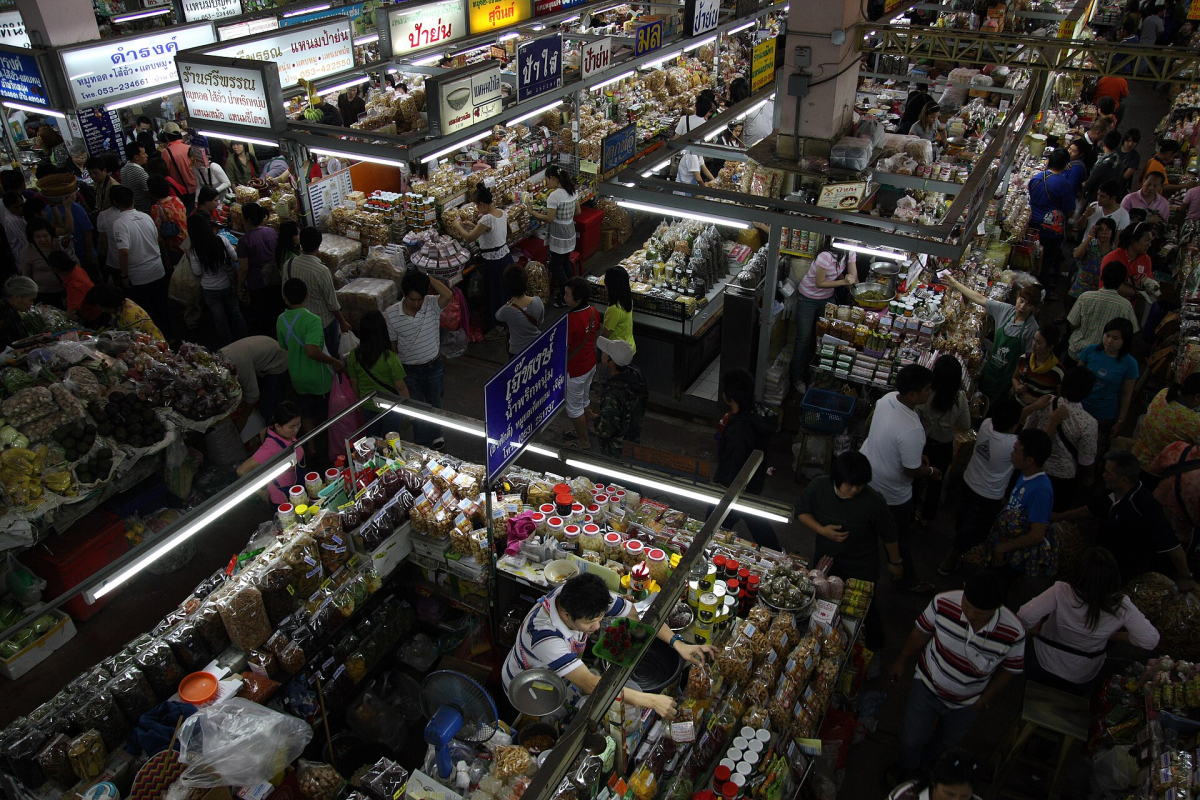
Choose a souvenir for its origin, material and use at home. Warorot Market is a useful Chiang Mai area for local food and everyday shopping; a working market offers a different experience from a fixed-price design store. Ask before close photographs, retain receipts and compare several items before choosing. Avoid wildlife products and cultural objects whose legal origin or export status is unclear.
Thai silk and textiles
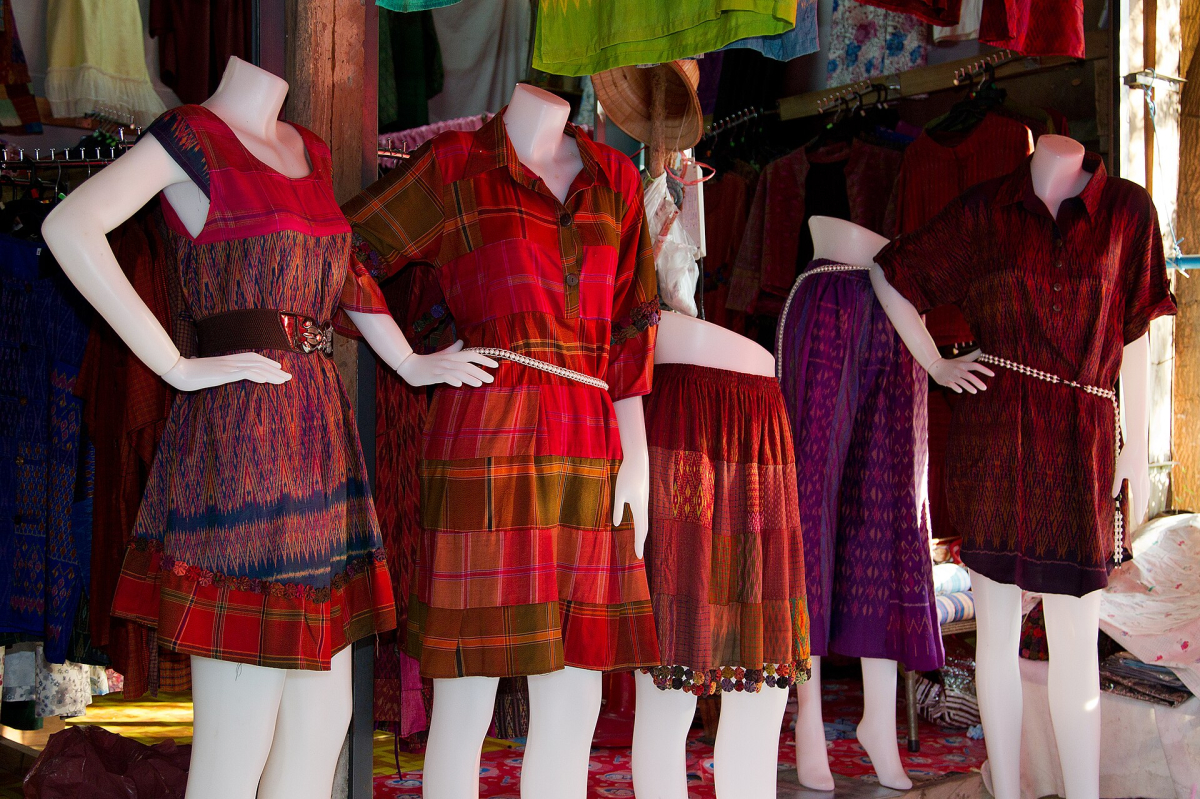
A scarf, small silk accessory or cushion cover is easier to carry than a fitted garment or a large fabric purchase. Ask for fibre composition, production origin and care instructions. A shiny surface or the words Thai silk do not establish hand-weaving, pure silk or a particular village of origin. For clothing, check seams, lining and fit; for fabric by the metre, check usable width and the length required before it is cut.
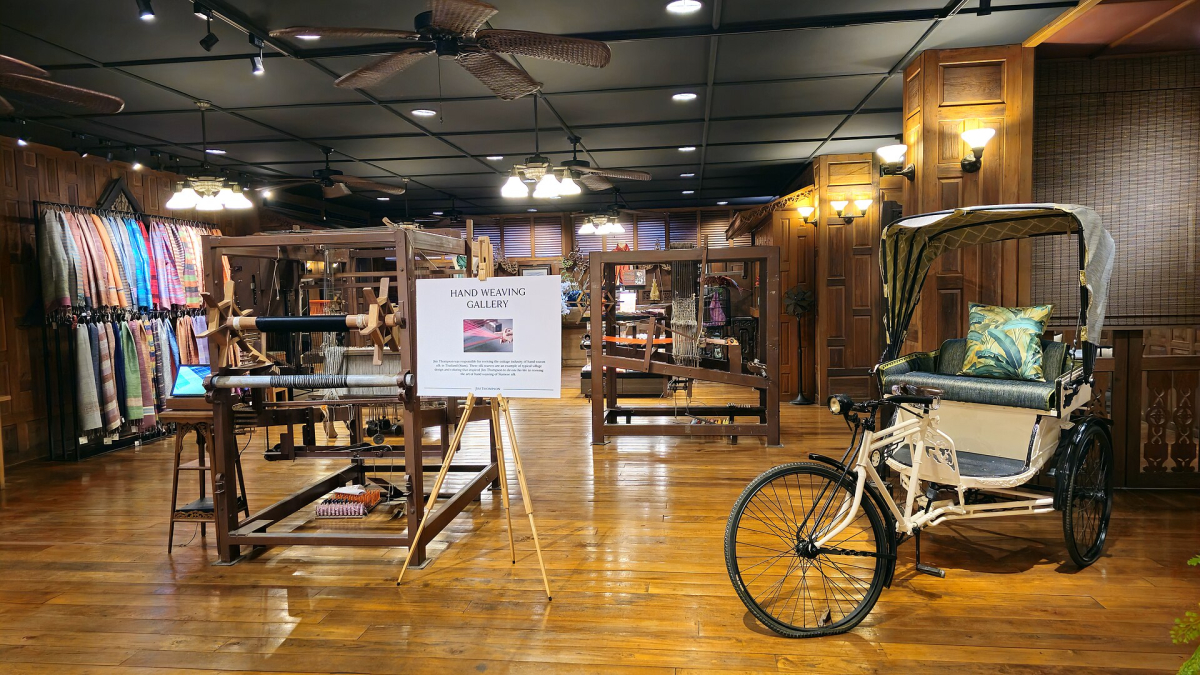
For a named Bangkok stop, the Jim Thompson Iconic Store lists 6/1 Soi Kasemsan 2, Rama 1 Road and daily opening from 09:00 to 19:00, checked 25 October 2026. It carries clothing, accessories and homeware. These photographs illustrate Thai textiles and a weaving-gallery setting; they do not identify current stock or guarantee a demonstration at this store.
Combine the store with the nearby Jim Thompson House Museum if textile history interests you. The museum lists 6 Soi Kasemsan 2 and daily visiting from 10:00 to 17:00, with a guided visit required for the main house. National Stadium BTS exit 1 is its published approach. Shopping and museum admission are separate decisions; check current entry and access arrangements, particularly for the museum's stairs.
Lampang ceramics and fragile gifts
Lampang rooster bowls make more sense as a deliberate northern craft stop than as an incidental Bangkok purchase. The Dhanabadee Ceramic Museum lists a shop, production context and workshops at 32 Wat Chong Kham Road, Phra Bat Soi 1, Mueang Lampang. Its published daily opening is 08:30–17:00. Groups of 20 or more should book ahead; confirm the next guided session because the FAQ and visit page give different session details. This is a Lampang visit requiring its own transport, rather than a walk from Chiang Mai's old city.
Ask whether a bowl is intended for food use, how to care for its decoration and what protective packing is supplied. Inspect the rim and base before paying. Shipping costs, breakage cover and an airline's cabin-baggage allowance can outweigh a low shelf price. Keep the receipt and photograph an expensive fragile purchase before it is wrapped.
Scroll sideways on smaller screens to compare all columns.
| Product | Good fit | Before paying |
|---|---|---|
| Silk scarf or accessory | A compact textile gift | Fibre label, origin and care; compare feel and finishing |
| Fitted silk garment | A considered personal purchase | Fit, seams, alteration time and returns |
| Lampang ceramic bowl | A useful craft object with regional context | Food use, condition, packing and shipping cover |
| Packaged tea, coffee or seasonings | A small consumable gift | Sealed packaging, ingredients, expiry and home-country import rules |
A practical shopping route
In Bangkok, make the museum and nearby store one local half-day, leaving shopping until after the visit so bags do not complicate admission. In Chiang Mai, use Warorot as a separate market outing and group nearby food stops rather than crossing the city repeatedly. Add Lampang only when the ceramic visit fits a northern travel day; it is not an extra store in the same neighbourhood. Check each opening again before leaving.
Keep textiles dry and ceramics individually protected. For edible gifts, read the destination country’s customs rules before buying; sealed retail packaging alone does not establish import permission. Ask the seller to explain the product and its origin on the receipt when that will help with care, insurance or a later enquiry.
Make the experience fit the group
Scroll sideways on smaller screens to compare all columns.
| Experience | Good fit | Preparation |
|---|---|---|
| River temples | Culture with a compact city sequence | Dress, actual piers and admission inclusions |
| Historical park | Time to understand ruins and landscape | Heat, site distances and return transport |
| Cooking / food activity | Learning and regional context | Menu, dietary handling and walking |
| Forest day | Interpretation and nature observation | Current route, guide, weather and equipment |
| Craft / market visit | Products and local daily life | Origin, packing, legal carry-home rules |
A useful activity has a clear meeting point, realistic duration, appropriate physical demand and an understandable cancellation policy. Ask about children, mobility, food and equipment before booking where those affect the decision. A private tour can change the pace, but it cannot remove heat, weather or a site's access restrictions.
Choose animal observation over staged contact and performances. Ask what the experience actually involves rather than relying on the word ethical. Keep a flexible day and avoid stacking a remote excursion immediately before a separate-ticket flight. The Health & Safety guide covers preparation, and Photos & Photo Spots addresses the separate task of planning light and viewpoints.
Frequently Asked Questions
Do I need a guide for every park trail?
Requirements differ by route and current conditions. Register and ask the responsible park service; the Khao Yai official guide identifies trails requiring a guide.
Is Khao Sok village the same as Cheow Lan Lake?
No. They involve different locations and approaches. Confirm the actual accommodation, pier and included activity.
Should I book many activities before arriving?
Reserve the genuinely time-sensitive parts, but leave weather-dependent days movable and check each booking’s real inclusions and cancellation policy.