
THAILAND TRAVEL GUIDE
Thailand Travel Costs & Money: Build a Practical Budget
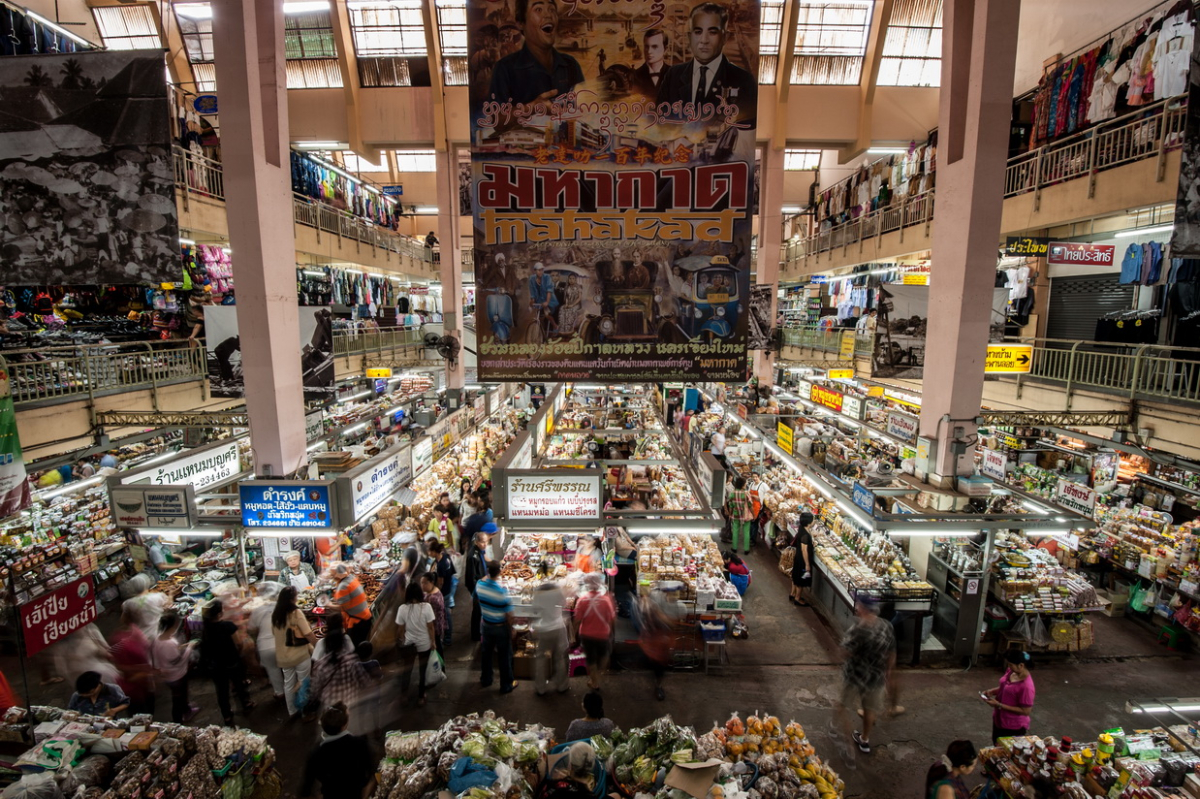
Build your Thailand budget in baht and separate everyday spending from the moves and experiences that change the total. A low-priced lunch and an expensive island transfer can belong to the same day. The examples below are planning allowances, not live quotes or promised minimum prices.
Separate the budget into useful parts
Start with accommodation for the nights you will actually use, then add local meals and transport. Keep domestic flights, long-distance rail, island transfers, paid excursions and the international journey in their own lines. This prevents an apparently modest daily budget from hiding several large costs paid before departure.
Room prices should be compared with the same occupancy and conditions. Two adults sharing one room is different from a solo traveller paying the whole room cost. A family may need an extra bed, a larger room or two rooms, and children's ages can change the quote. Confirm the final total and what it includes before treating two advertised prices as comparable.
Holiday periods, a specific beach, a sea-view category and cancellation flexibility can matter more than the broad label “Thailand”. A lower-priced room far from the places you want to visit may create extra taxi spending. A breakfast-inclusive resort may reduce one cost while making independent dinners less convenient.
Illustrative daily allowances
The table uses Thai baht per person per day for two adults sharing a room. Accommodation figures are half of an illustrative room allowance. These are editorial scenarios for comparing choices, not a survey, an exchange-rate calculation or a guarantee that a particular room will be available.
Scroll sideways on smaller screens to compare all columns.
| Cost | Simple | Mid-range | Comfortable |
|---|---|---|---|
| Accommodation share | 500 | 1,250 | 3,000 |
| Food and non-alcoholic drinks | 400 | 700 | 1,300 |
| Local transport | 150 | 350 | 600 |
| Small admissions / incidental allowance | 150 | 400 | 700 |
| Daily total | 1,200 | 2,700 | 5,600 |
The totals exclude international travel, domestic flights, intercity journeys, boat transfers, travel insurance, alcohol, major paid activities and shopping. Add those separately. The comfortable scenario is not a ceiling: a private pool villa, premium dining or a private driver can raise spending well beyond it. The simple scenario assumes active cost choices and does not establish a universal minimum.
For a seven-calendar-day trip with six accommodation nights, budget the room share for six nights and other spending separately. Allowing seven full non-room spending days gives THB 7,900 for the simple example (6 × 500 + 7 × 700), THB 17,650 for mid-range (6 × 1,250 + 7 × 1,450), and THB 36,200 for comfortable (6 × 3,000 + 7 × 2,600), per person before the exclusions above. Seven full spending-day allowances are conservative when arrival or departure is brief; adjust meals and activities to your actual times. An extra hotel night changes the calculation.
Cash, cards and the baht
Thailand uses the Thai baht, written THB or ฿. Keep some smaller notes for markets, local transport and purchases where a card is unsuitable. Carrying only large notes can make small transactions awkward, especially early in the day. Keep a reserve separate from the wallet you use most often.
Cards are useful at many hotels, larger restaurants and shops, but acceptance varies. A card symbol does not mean every transaction type or foreign-issued card will work. Carry more than one payment method and know how to contact the issuer from abroad. Do not depend on a single phone, wallet application or bank card for the whole trip.
When a terminal or ATM offers to convert a payment to your home currency, compare the displayed terms carefully. Choosing baht generally leaves the exchange conversion to your card arrangement; the actual cost depends on your issuer and fees. Check your bank's foreign-transaction and cash-withdrawal conditions before travel rather than relying on a generic promise of “fee-free” use.
ATM withdrawals and currency exchange
The Bank of Thailand exchange-rate tables provide a dated reference. Interbank averages and published counter rates are different measures; neither guarantees the cash or card rate offered to you. Compare the transaction rate and all fees for the amount you actually exchange.
A withdrawal can involve a local ATM charge, your own bank's fee and an exchange-rate margin. Read the displayed charge and cancel if you do not accept it. Fee levels can vary by operator and card, so this guide does not publish one fixed amount as though it applied to every withdrawal.
Use an ATM in a location where you can deal with a retained card or other problem, and shield your PIN. Keep a record of the machine location and the transaction if something goes wrong. A failed withdrawal is a banking issue; ask the issuer about the transaction before accepting help that involves disclosing credentials to a stranger.
For cash exchange, compare the actual rate for the currency and note denomination you hold. The large headline rate may not apply to every banknote. Count the money before leaving the counter and retain the receipt where useful. Avoid publishing or relying on an old fixed USD, EUR or GBP rate; the site's currency converter is a separate reference, and the rate you actually receive can differ.
Transport costs that are easy to overlook
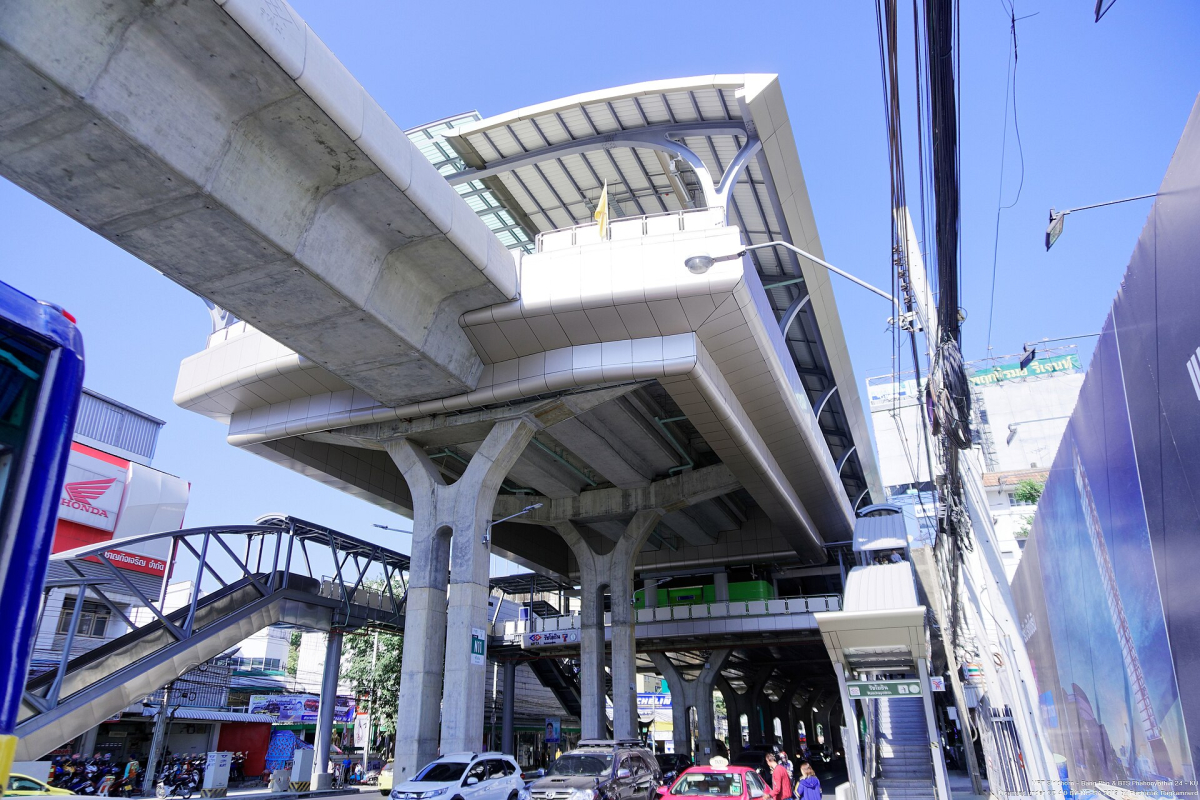
Domestic airfares may exclude checked baggage or include conditions that differ between ticket types. Compare the fare you can actually use, including baggage and the trip to and from the airports. A cheaper flight at a different Bangkok airport can introduce a road transfer and a less convenient connection.
Island costs should include the full chain: mainland airport or station, road transfer, pier, boat and final hotel approach. A boat fare alone is not the complete journey. Ask whether a combined ticket includes every leg and what the operator does when a service is delayed or cancelled. Do not assume separate bookings form a protected connection.
In cities, group nearby activities to reduce repeat trips. A taxi can be sensible for several people travelling together or for a late arrival, but traffic affects time and sometimes cost. Public rail may be more predictable while still requiring a final walk or short ride. The Getting Around guide explains the choice rather than promising a single cheapest mode for every situation.
Paid activities and eating out
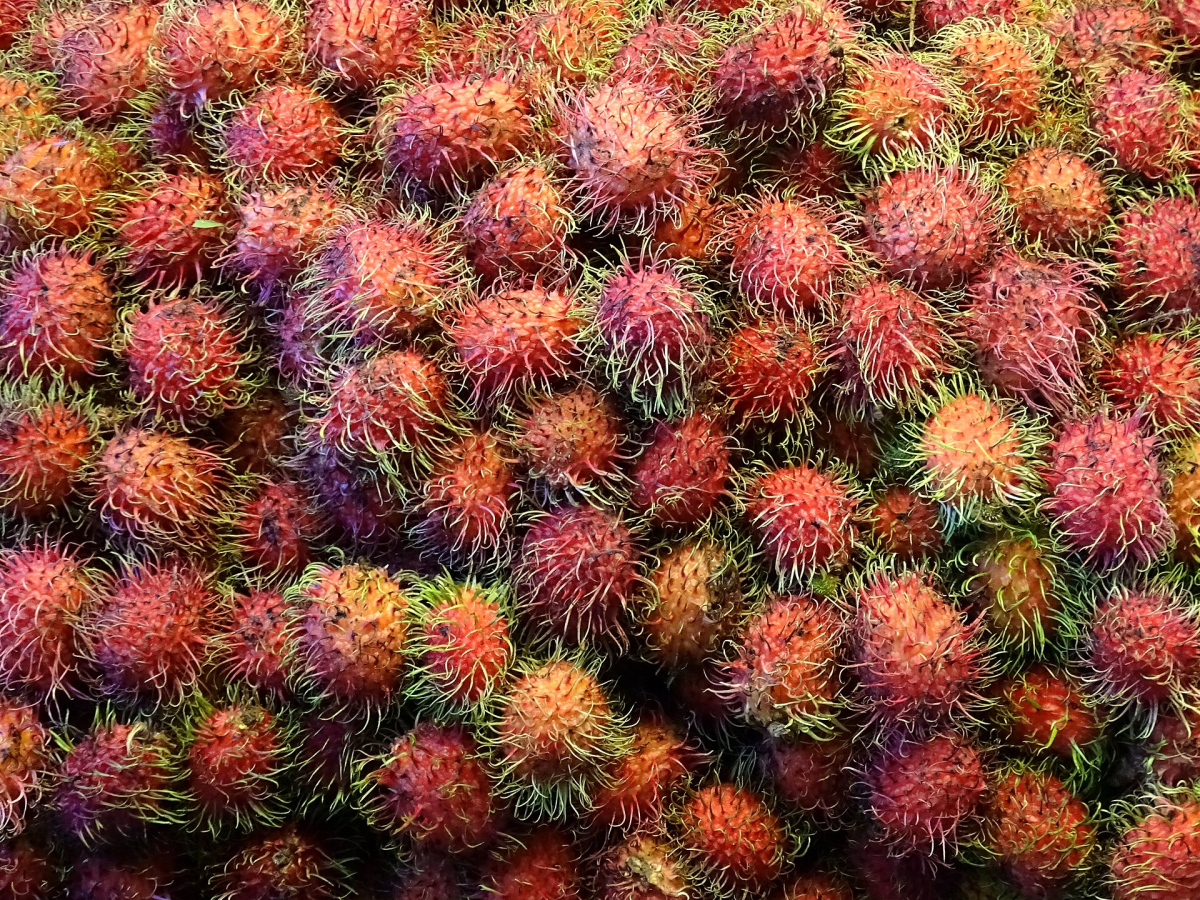
Compare an excursion's actual inclusions: admission, guide, meals, equipment, transfers, park fees and cancellation conditions. A low starting price may apply to a different option from the one you intend to buy. Check the meeting place and the return location as carefully as the headline duration.
For food, distinguish a market meal, a casual air-conditioned restaurant and a hotel dining room. Service charges, tax treatment and drinks can change the final bill. Read the menu notation and ask where it is unclear. A restaurant named in a guide is not a promise of a fixed dish, opening day or table availability.
Shopping is easier to control with a separate allowance. For fragile goods, include protective packing and any baggage or shipping cost before deciding the purchase is inexpensive. Check export and import rules before buying cultural objects, wildlife products, food or other restricted items. The Food & Drink guide gives regional choices without turning every meal into a reservation.
Keep a reserve for changes
Leave money for a replacement transfer, an extra accommodation night or a medical excess under your insurance. A reserve is especially useful before an international departure when the preceding leg is a boat crossing or an unrelated domestic ticket. It does not make disruption impossible; it gives you more options when the plan needs to change.
For a longer visit, a daily holiday allowance is an incomplete tool. Weekly accommodation, deposits, utilities, laundry and transport habits become more significant. See Longer Stays & Costs for a separate monthly worksheet. Avoid assuming that an inexpensive cost of living grants permission to remain or work in Thailand.
Frequently Asked Questions
Is this a live price list?
No. The baht amounts are illustrative planning allowances with stated assumptions and exclusions. Check actual room, transport and activity quotes for your dates.
Can I use only cards?
It is safer to have a mix of cash and cards. Smaller businesses and local transport may not accept your preferred card.
Do the daily totals include domestic flights?
No. Domestic flights, intercity journeys, boat transfers and major excursions are separate budget lines.