
THAILAND TRAVEL GUIDE
Longer Stays in Thailand: Monthly Costs & Base Choices
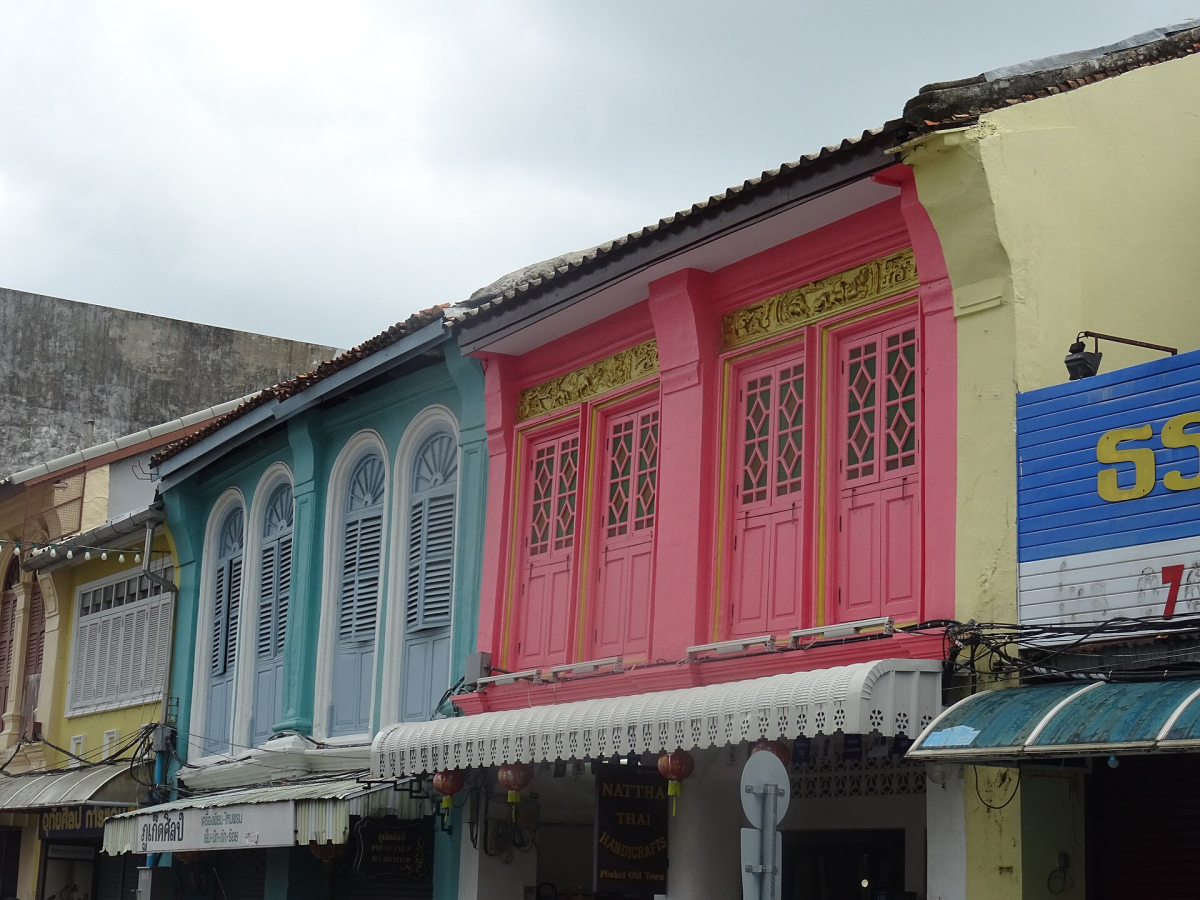
A longer Thailand stay is a different decision from a fast holiday. The useful comparison is a whole month in a workable base: accommodation, utilities, food, transport, connectivity and the legal permission for the actual purpose of your stay.
Choose the right kind of longer stay
A month spent slowly exploring one region can reduce the money and energy spent on repeated transfers. It also makes small daily inconveniences more important. A room that works for three nights may feel limiting when you need laundry, storage, quiet sleep, a practical desk or food beyond a resort restaurant every day.
Distinguish a holiday, remote work, study, retirement and a move to Thailand. They raise different immigration, tax, insurance and accommodation questions. A landlord's willingness to rent a room does not establish that you may work or remain for the intended period. Use Visa & Entry and the responsible Thai authority to check the actual purpose before signing a long commitment.
If you do not know a neighbourhood, start with a shorter cancellable booking where possible and inspect the daily route. Check the entrance at night, the walk in rain, noise at your normal sleeping hours and the practical journey to groceries. A promotional photograph rarely answers these questions.
Bangkok: transport access versus space

Bangkok can suit travellers who want a large choice of food, medical services, shopping and cultural visits. A base near a usable BTS or MRT station can reduce dependence on traffic. Measure the actual walk from the building, including crossings and stairs, rather than accepting “near the train” as a complete description.
A larger apartment farther from rail may cost less to rent while costing more in travel time. Decide which places you expect to visit repeatedly. Being central on a map is less useful than having a manageable route to those places. Riverside accommodation offers a different pattern, particularly if the last boat or a pier approach affects your evenings.
Confirm whether a quoted monthly rate is for a serviced apartment, a hotel package or a private residential lease. Cleaning, linen, utilities, deposits and cancellation arrangements can differ substantially. Do not assume that a residential condominium permits every short rental advertised by an intermediary.
Chiang Mai: neighbourhood choice and air quality
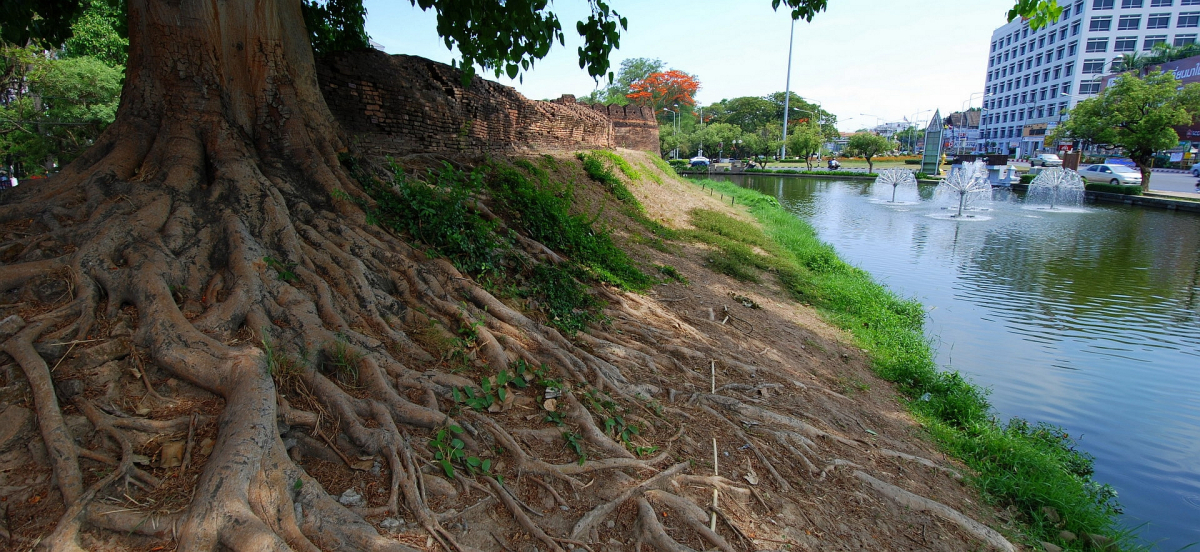
Chiang Mai can be a useful longer-stay base for travellers interested in northern food, temples and regional day trips. An old-city location, Nimman-area accommodation and a riverside property create different daily routines. The old city may favour walking between cultural stops; other areas may offer a different mix of cafes, space and traffic.
Noise deserves a specific check. A room beside a busy road, a lively venue or a flight path may be unsuitable for a month even if it is convenient for a weekend. Ask about the actual room orientation and recent works nearby. A promise of a “quiet hotel” does not guarantee the same conditions in every room.
Seasonal air quality can affect the decision to stay in the north. Build flexibility into a longer booking when outdoor activity or respiratory comfort is important. Check current conditions and qualified health advice where relevant; a lower monthly rent does not compensate for a location that does not meet your needs.
Coast and island bases
A coastal month works best when everyday services are easy to reach without turning every errand into a taxi or scooter journey. Check grocery choice, laundry, reliable transport, internet and access to medical help. A remote beach can be appealing for a short retreat and frustrating for an independent month.
Phuket has a wide range of accommodation and services, but beach districts and Phuket town are separate choices. Ko Lanta often appeals for a slower pace, while Samui offers another combination of services and beach areas. Compare the exact district, season and transport cost rather than attaching one price or lifestyle to the whole island.
A boat-dependent base also needs an arrival and departure reserve. Weather, reduced seasonal services or a late flight can require an extra mainland night. Confirm how luggage reaches the property and whether you are expected to arrive at a beach, a floating platform or a road entrance. These details matter more during a longer stay with more belongings.
An illustrative 30-night worksheet
The following example is a budgeting exercise for one adult staying in one base for 30 nights. It is not a local rental survey or a quote. Replace every line with a written figure for the actual property and your expected routine. Deposits are shown separately because refundable money tied up at the start is different from spending.
Scroll sideways on smaller screens to compare all columns.
| Item | Example allowance | What to replace with a real quote |
|---|---|---|
| Accommodation | 24,000 | 30 nights, exact room and conditions |
| Utilities / connectivity | 3,000 | Inclusions, metering, mobile plan |
| Food / groceries | 15,000 | THB 500 × 30 days |
| Local transport | 4,500 | THB 150 × 30 days |
| Laundry / household / incidental | 3,000 | Actual services and frequency |
| Example spending total | 49,500 | Excludes deposit and listed travel / legal / health costs |
The worksheet pairs 30 accommodation nights with 30 full spending-day allowances. Thirty nights span 31 calendar dates; add or reduce arrival and departure spending according to the actual travel times.
This example excludes international and domestic travel, visas or immigration services, insurance, healthcare, major excursions, alcohol, shopping and tax obligations. It assumes no dependants and no car rental. A premium island property can exceed the accommodation line on its own, while a different neighbourhood and room standard can change the whole comparison.
A refundable deposit is additional cash required, not automatically a final cost. Record the amount, what can be deducted, the inspection process and how and when the balance is returned. Do not pay an unverified recipient solely because an online listing creates urgency.
Utilities, internet and the usable room
Ask whether electricity is included, separately metered or subject to an allowance. Air conditioning can become a meaningful cost over a month. Obtain the unit rate and billing method in writing where applicable; a general statement that utilities are “cheap” is not a budget.
Check the internet in the actual room if your stay depends on it. A lobby speed test or a building-wide Wi-Fi label does not establish a stable connection at the desk. Ask about mobile signal and a backup option, but do not assume a particular foreign device or eSIM will work without checking compatibility.
Kitchen access also needs detail. A kitchenette may have a microwave and refrigerator but no cooking hob, utensils or ventilation suitable for daily cooking. Confirm laundry arrangements, drying space and linen changes. These practical differences can justify paying more for a genuinely usable longer-stay room.
Transport habits change the total
A cheap room that requires several paid rides every day can be a poor value. Walk the route to the places you will use most often, including the return after dark. Pavements, traffic, heat and rain can make a short map distance less practical than it looks.
Do not use a scooter rental as an automatic budget solution. The right licence, insurance, protective equipment and riding experience are separate requirements. A rental shop handing over a vehicle does not prove that your documents or insurance cover the use. Compare public transport, occasional taxis and a better-located room before committing to a vehicle.
For regional weekends, count both the transport and the accommodation you are already paying for at your base. Keeping a monthly room while travelling elsewhere can still be worthwhile for convenience, but it should be an explicit choice. See Getting Around for the practical trade-offs of rail, air and road journeys.
Before committing to a month
Inspect the room or verify it through a reliable channel, check the written agreement and retain receipts. Clarify visitor rules, check-in documents, cleaning, early departure and what happens if the room becomes unusable. For an accessible stay, request specific measurements and details rather than relying on a broad accessibility label.
Keep the first and last transfer simple. A month is long enough to enjoy a local routine, so there is little value in spending the opening days recovering from an unnecessarily complex arrival. Use Hotels and Where to Stay for the broader base comparison, then price the particular arrangement you can actually use.
Frequently Asked Questions
Is THB 49,500 a guaranteed monthly cost?
No. It is one illustrative worksheet for one adult, with specific exclusions. Replace the lines with actual quotes and your own routine.
Can I work while staying as a tourist?
Do not assume so. Permission depends on your nationality, purpose and immigration status; obtain the appropriate official guidance before working.
Should I pay for a month before seeing the area?
Where practical, begin with a shorter flexible stay and verify the room, daily services and written conditions before committing.