
THAILAND TRAVEL GUIDE
Thailand Travel Essentials: Daily Planning & Local Etiquette
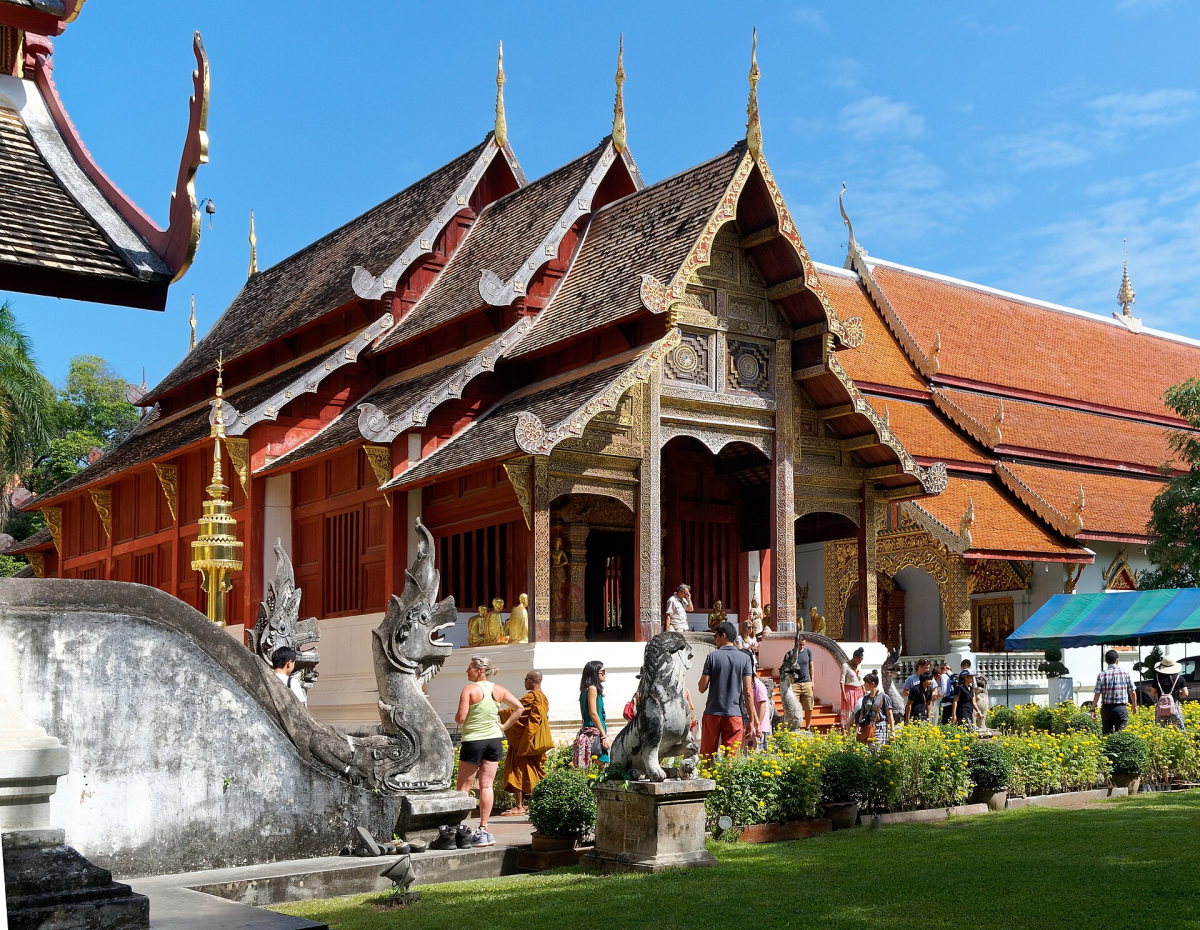
Thailand uses Thai baht, drives on the left and follows UTC+7. Those simple facts are useful, but the daily details make the difference: how you reach your room, keep your phone working, dress for a temple and travel respectfully between places.
The facts that help with planning
Bangkok is the capital and the principal international gateway for many visitors. Thai is the national language; English support varies by business and location. Keep the name and address of your accommodation in Thai as well as English, particularly for the final taxi journey. A map pin is useful, but the correct entrance and a working contact number are often more useful.
Thailand is on UTC+7. Check the time difference against your own country for the actual travel dates because overseas daylight-saving changes can alter the difference. Airline arrival and departure times normally use local time at the airport concerned. An overnight international flight can change the calendar date as well as the clock time.
The baht is the working currency. Keep smaller notes for everyday purchases and more than one way to pay. Fixed exchange-rate tables from old travel articles quickly become misleading. See Travel Costs & Money for the budget structure and payment preparation rather than using a historic rate to price the trip.
Language, addresses and getting help
Learn a few polite greetings and make requests patiently. Place names may appear in several English transliterations: Ko and Koh both occur in island names, while older documents may use Don Muang where current signs use Don Mueang. Match the actual location and airport code rather than assuming a spelling difference means a different place.
Save your hotel address offline and carry a short written version. Include the district and a nearby landmark where appropriate. If an excursion collects you, confirm the pickup point and the name used on the booking. “The lobby” is not enough when a complex has more than one building or entrance.
For a problem that needs official assistance, use the responsible organisation. Hotel staff may help translate or explain a local route, but they cannot decide immigration eligibility or guarantee an insurance claim. The Useful Contacts guide helps distinguish emergency services, tourist assistance, transport operators and consular help.
Phone service and a workable offline plan
Check whether your phone is unlocked and whether the exact device supports the eSIM or physical SIM product you plan to buy. Compare coverage, data allowance, validity, tethering and any voice-call provision. A product described as unlimited can have conditions that matter for video calls or a longer stay.
Keep an offline copy of important bookings, accommodation details and the return journey. Store documents securely and avoid relying on a single device for both your identity records and access to all payment methods. A drained battery or lost phone should be inconvenient rather than the end of your ability to reach the hotel.
Use public Wi-Fi thoughtfully and confirm the network name with the business. Do not disclose banking passwords or authentication codes to someone offering help with a connection or payment. For a longer stay, test service in the actual room and have an alternative where work or essential contact depends on connectivity.
SIM & eSIM: registration, data and local calls
Choose between roaming, a local SIM/eSIM and a travel data eSIM using the way you will actually contact people. A data-only product may provide internet without a Thai telephone number or ordinary voice calls. If a transfer operator, accommodation or registration process needs a local callback or SMS, confirm that the product supports it before paying.
Buy through the provider or an identifiable authorised seller and complete the required identity registration. dtac's official tourist SIM instructions ask customers to bring their passport, SIM and package to the registration point. Follow the chosen operator's current process for a physical SIM or eSIM; do not submit a passport scan to an unsolicited chat contact offering activation.
Compare the validity start, data allowance, any reduced-speed condition, hotspot use, top-ups, calls and the number retained after expiry. Have the seller explain the final price and save the product terms. Test internet and any needed call or SMS function before leaving the counter; an installed eSIM profile is not proof that every service has activated.
Keep your home SIM available if banking verification requires it, but check roaming charges and which line is selected for mobile data. Save the eSIM activation instructions securely, carry a power bank where permitted and download maps and arrival details before a boat or rural transfer. Coverage in a particular room or valley is a separate check from a provider's broad country coverage.
Electricity, clothing and what to carry
Thailand commonly uses 220-volt, 50-Hz electricity. Socket types and the fit of plugs vary, so bring an appropriate travel adapter and check the voltage range printed on your equipment. An adapter changes the plug connection; it does not automatically convert voltage. A multi-device charger can reduce the number of adapters you need.
Pack light clothing suitable for heat, a rain layer, footwear with grip and a modest layer for places of worship. Some temple areas require covered shoulders and knees and removal of shoes. Follow the posted rules for the actual site rather than assuming the same interpretation everywhere.
For boat-access accommodation, protect documents and electronics and choose luggage you can manage through the final approach. A wheeled case may work well in a terminal and poorly on sand or steps. Ask the property how arrivals work at your expected time and tide rather than inferring the route from a beach photograph.
Temples and everyday etiquette
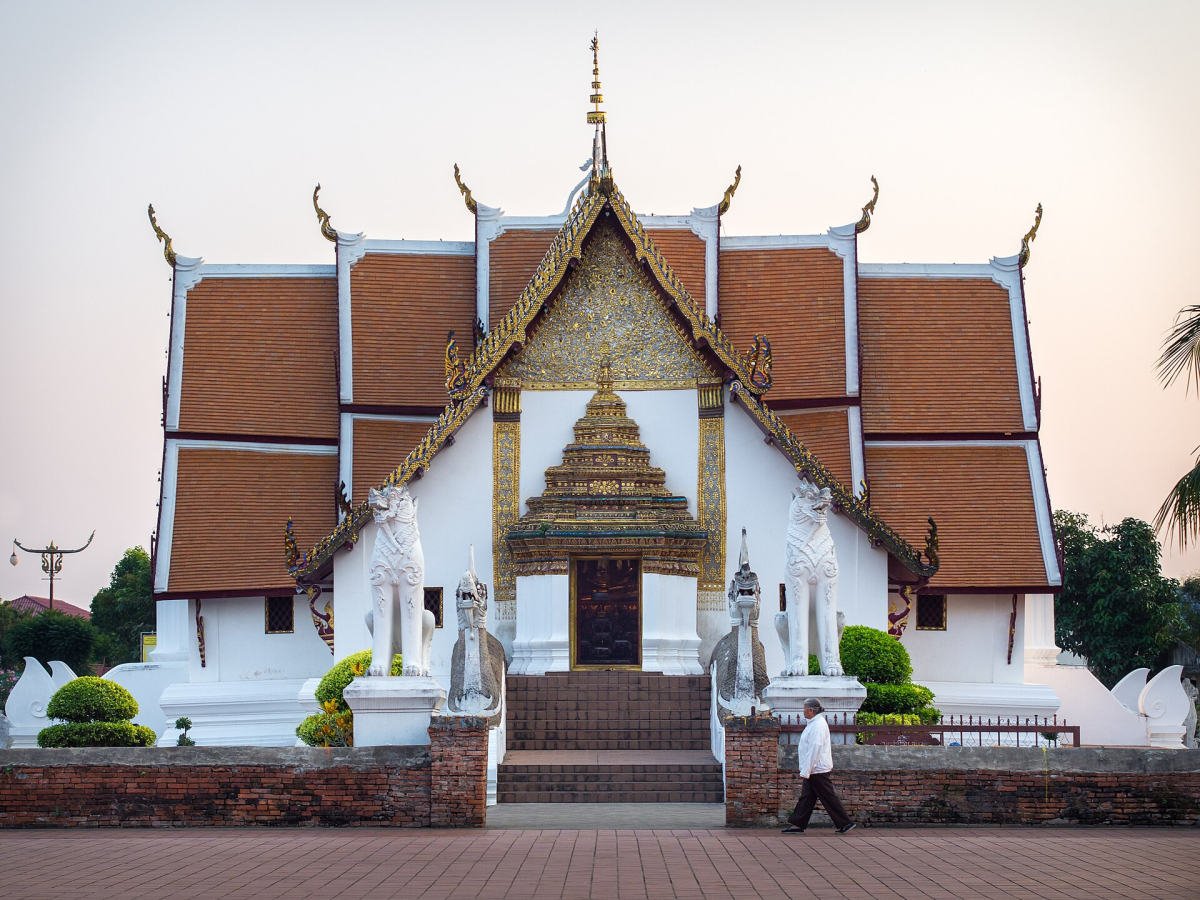
Temples are active religious places. Keep your voice low, avoid blocking worshippers and ask before photographing people closely. Follow staff directions about interiors, shoes and any photography restrictions. A visitor ticket is not permission for every kind of photography or commercial production.
Dress and behaviour should fit the setting. Beachwear belongs at the beach or pool, and a restaurant, village or sacred site can call for a different approach. If you are unsure, watch the posted guidance and ask politely. A respectful question is more useful than applying a single rule to every community.
Do not climb monuments, step into roped areas or move objects to improve a photograph. Keep paths and entrances clear. The Photos & Photo Spots guide explains how to plan light and viewpoints without treating a living place as a private set.
Food, shopping and the ordinary day
Markets and small restaurants can be rewarding places to eat, but menus, service hours and payment options vary. Choose dishes that fit your dietary needs and explain serious allergies clearly. A dish that looks vegetarian can contain fish sauce, shrimp paste or a stock you cannot identify visually. The Food & Drink guide compares regional choices and ordering questions.
For shopping, compare craftsmanship, materials and origin rather than buying only from the most convenient tourist display. Ask about packing and carry-home restrictions before purchasing fragile goods or food. Avoid wildlife products and objects whose legal origin or export status is unclear.
Build some slack into the day. A market's busiest period, a museum's closing day or an afternoon storm can change what is practical. Group nearby stops and keep a simple alternative. A holiday with fewer distant appointments usually offers more room to enjoy local food and daily life.
Responsible Travel

Spend with local businesses where the product and working conditions are clear. Choose small-group or private activities for the access and interpretation you want, rather than assuming that every tour labelled ethical meets the same standard. Ask what happens during the activity, who operates it and whether animal contact or performances are involved.
Wildlife observation should let animals choose their distance. Do not feed wild animals, buy wildlife souvenirs or join an encounter solely because it promises a close photograph. In parks, stay on permitted routes and follow guide and ranger instructions. Carry waste out, including small packaging, and avoid collecting shells, plants or other natural objects from protected areas.
Reduce unnecessary transfers by staying longer in a useful base. Refill water where safe facilities are available, keep disposable purchases proportionate and respect local water or waste arrangements at remote accommodation. A property's environmental claims should be assessed through specific practices rather than an attractive label.
Communities are not exhibits. Ask before entering private space, photographing a person at close range or joining a ceremony. A market purchase does not buy unrestricted access to a seller's face or workplace. Travel more slowly when the context is unfamiliar, and accept a refusal without negotiation.
Ethical Wildlife Visits
Separate observing wild animals from visiting a captive-animal business. Khao Yai offers a protected forest setting, but a wildlife sighting is never guaranteed. Its official visitor regulations prohibit feeding or touching wildlife and provide specific instructions for encountering elephants. Follow rangers and the current park guidance; do not turn a roadside sighting into a queue of people approaching an animal.
For an elephant venue, ask what visitors actually do, whether animals can withdraw from contact, and whether the programme includes riding, performances, bathing or posed photographs. A sanctuary or rescue label alone does not answer those questions. Choose an observation-focused visit with clear information about care and daily activities rather than treating close contact as the main value of a ticket. No particular commercial venue is certified or endorsed by this guide.
Keep the practical route realistic: confirm the operator, exact pickup, group size, walking demands and return. An advertised Chiang Mai activity may involve a substantial road journey outside the city. Families should ask about age suitability and supervision. The national-park choices and outdoor safety section help distinguish a suitable visit from a promised animal encounter.
Arrival and departure preparation
Before leaving home, check passport and permission requirements, the free digital arrival card process, insurance and the first accommodation address. These are distinct checks. The Visa & Entry guide explains the current official sources and why old visa-exemption summaries can be misleading.
Before each move, reconfirm airport codes, station names, pier and the last approach. Keep a reserve for an additional night or changed transfer. On departure, allow for the full door-to-door journey and the airline's check-in deadline. A short domestic flight or sea crossing should not be treated as the whole connection to an international departure.
Frequently Asked Questions
Do I need a travel adapter?
Bring an adapter suited to the sockets you expect and check each device’s voltage range. A plug adapter does not convert voltage.
Is English enough everywhere?
Support varies. Save addresses and important place names in Thai and English, and keep essential booking details offline.
Can I wear beach clothes in temples?
Follow the particular temple’s dress rules. Bring clothing that covers shoulders and knees and be prepared to remove shoes where required.
Does every travel eSIM include a Thai phone number?
No. Some products provide data only. Confirm voice calls, SMS, a local number and identity registration with the actual provider before paying.