
THAILAND TRAVEL GUIDE
Thailand Food & Drink: Regional Dishes, Drinks & Ordering
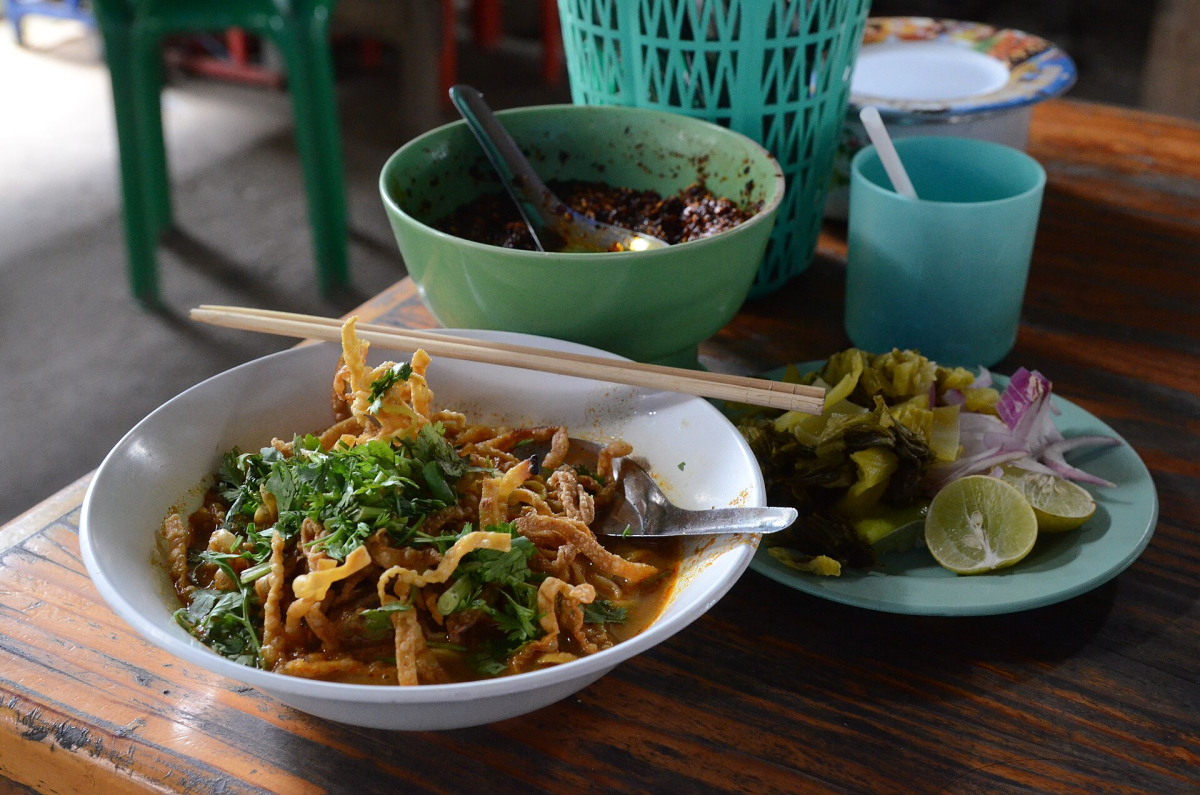
Thailand is easier to explore through regional dishes and eating situations than through an old list of fashionable restaurants. Start with the food of the places you are visiting, then choose a market, casual dining room or special meal that suits your pace and dietary needs.
Eat by region
Northern, northeastern, central and southern food traditions offer useful starting points, though dishes travel widely and individual kitchens vary. A Bangkok menu can include food from all over the country. Use a dish as an invitation to ask questions rather than as proof that every restaurant serves one standard recipe.
For a first trip, leave room for ordinary meals near the day's main activity. Crossing a large city for every lunch can turn food exploration into a transport project. Combine a neighbourhood visit with a suitable meal, then reserve a separate evening for a restaurant or cooking class you particularly want.
The photographs here illustrate dishes, not current menus or a promise about a named venue. Prices, recipes and availability change. For a serious allergy or a medically necessary diet, confirm ingredients and preparation directly; appearance and a translated dish name cannot establish safety.
Northern Thailand: khao soi and a different meal rhythm
Khao soi is a useful northern starting point: a curry-style noodle dish often served with contrasting textures and accompaniments. The protein, stock and condiments vary. Ask what is in the bowl rather than assuming the photograph represents every version or that removing a garnish changes the underlying broth.
Chiang Mai offers markets and small dining rooms as well as more formal restaurants. A northern meal can include several shared dishes rather than one large individual plate. Check the portion and ordering pattern before ordering many full dishes for a small group. Add rice or noodles according to the meal rather than assuming they are included.
If you want a cooking class, compare the actual menu, group size, market visit, transfers and dietary flexibility. A market stop is not automatically a detailed food tour, and a vegetarian option may require advance notice. Confirm the meeting place and finish time if you plan another activity afterwards.
Isan: som tam, grilled food and shared dishes
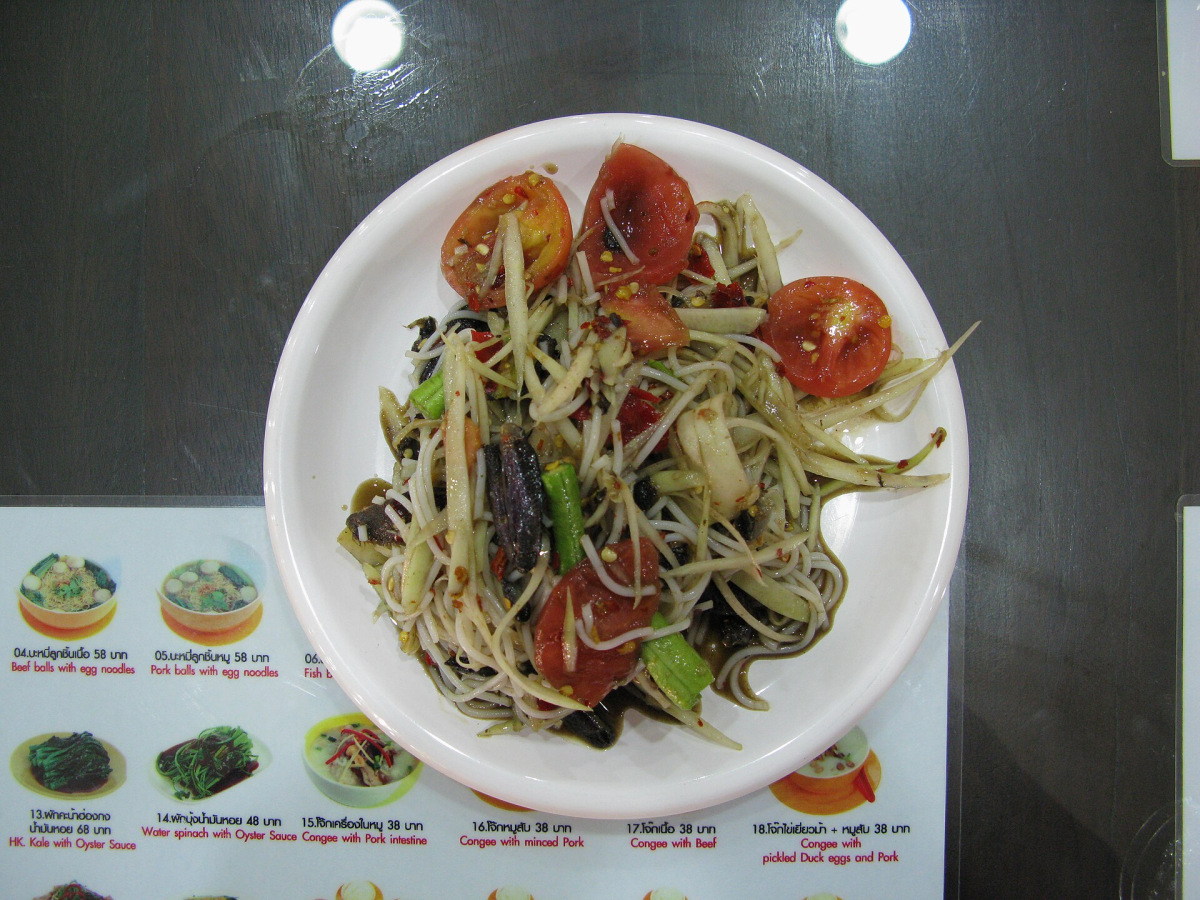
Som tam, grilled meats and sticky rice are familiar starting points for northeastern food, but seasoning and ingredients vary widely. A papaya salad can contain seafood ingredients, fermented products or peanuts. A request for less chilli does not answer an allergy question.
Ordering a few complementary dishes can make sense for a group. Ask about heat and portion size, and distinguish the dish's usual preparation from what the kitchen can actually change. If you are unfamiliar with an ingredient, a brief question is more useful than assuming it is a harmless garnish.
Isan food is available well beyond the northeast, including in Bangkok and coastal towns. Eating it there can be worthwhile without claiming you have experienced every local variation. The point is to notice flavour and preparation differences rather than reduce a large region to one salad.
Central Thailand and Bangkok
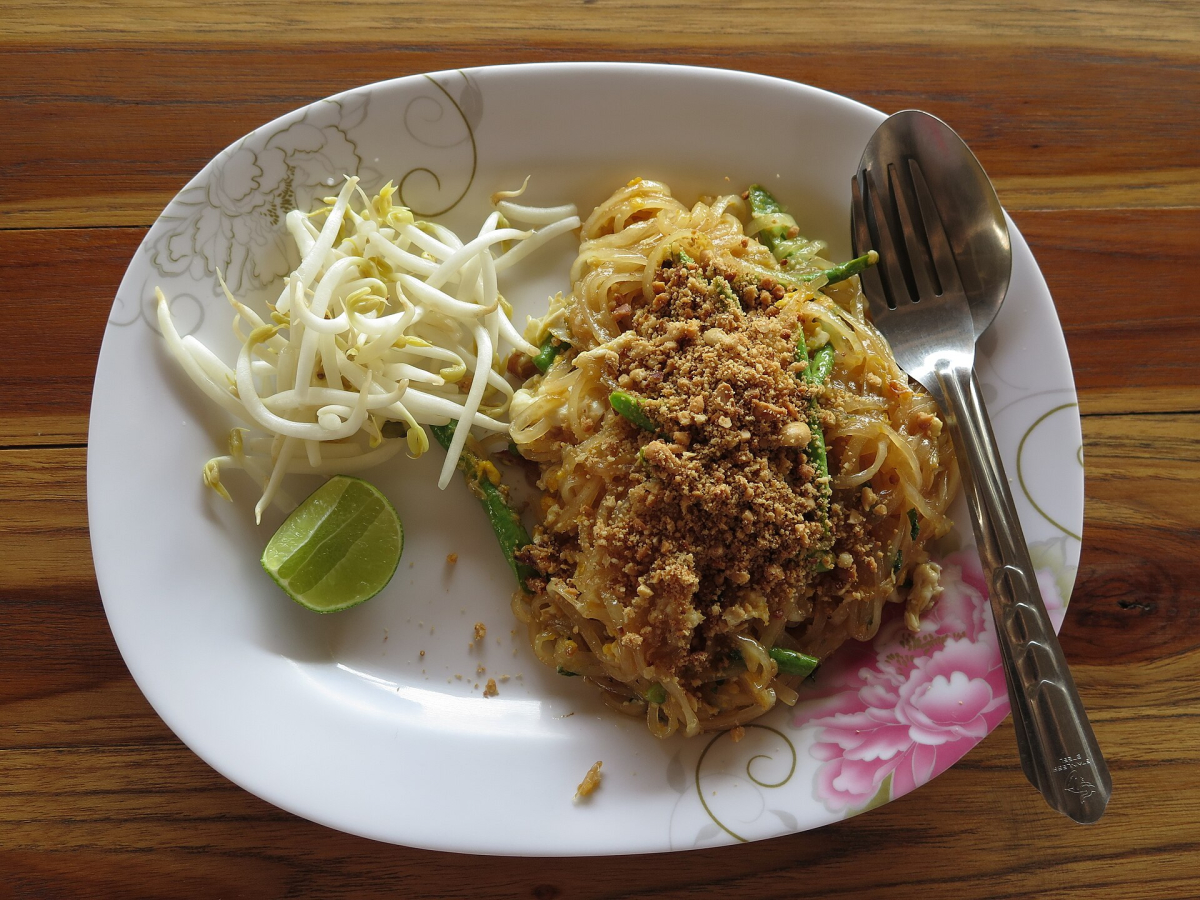
Pad Thai is a familiar introduction, but a food day in Bangkok can include noodle soups, rice dishes, curries, snacks and desserts. Choose according to the neighbourhood and the time of day. A stall busy at lunch may not operate in the evening, and a night-food street is not necessarily the best breakfast plan.
Yaowarat is useful for a food-focused evening, but it is a working neighbourhood with traffic, narrow paths and changing businesses. Keep a small set of stops and leave room to choose on the ground. Ask prices and portions before ordering and avoid blocking doorways or standing in the road for a photograph.
For a specific sit-down option, the Tourism Authority of Thailand lists Baan Khanitha Sukhumvit 23. Select the actual branch when reserving, confirm the current entrance and address with the restaurant, and read the current menu. A restaurant group name alone is not enough for a taxi destination or a promise that a particular dish is available.
Southern flavours and Phuket's food setting
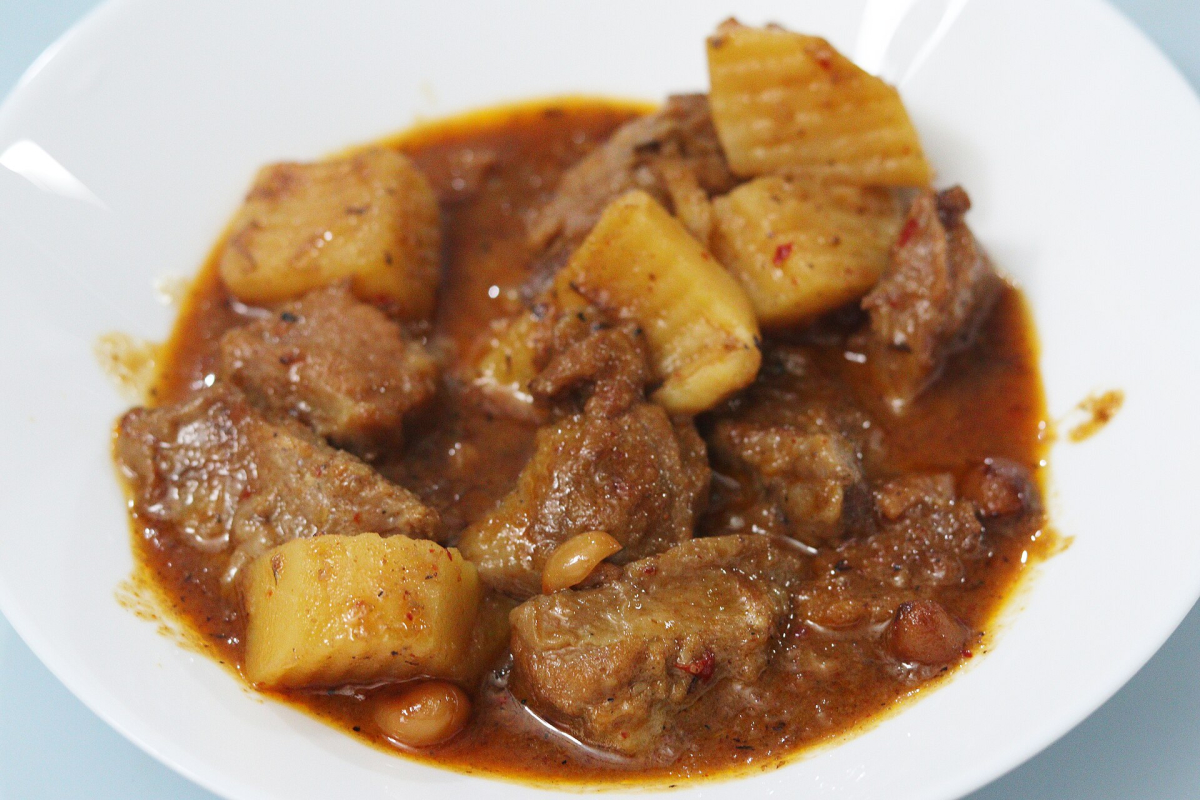
Southern food includes distinct curry, seafood and local noodle traditions, with substantial variation between communities and kitchens. Massaman is one useful dish to recognise, but the photograph should not be read as a complete summary of southern cooking. Check the meat, stock and any nut ingredients in the actual preparation.
Phuket town offers a different eating context from a beach resort district. Its streets and local food can justify a deliberate visit rather than an incidental stop during an airport transfer. Allow time for the journey back to the beach and avoid scheduling an inflexible evening activity on the opposite side of the island.
For a named Phuket restaurant, Raya is a starting point for checking current contact and dining arrangements. Verify the actual location, opening and booking channel before travelling there. A historic building or reputation does not guarantee a table, a fixed price or a menu suitable for every diet.
Choose the eating situation
A market or food court can make it easy for a group to choose different dishes. A small specialist restaurant may offer a narrower menu with a clear local focus. A hotel restaurant can be convenient for a slow evening or a special occasion, while a food tour can provide interpretation and a planned sequence.
Compare those settings against your needs. Travellers with children may value seating, toilets and a predictable return more than a long tasting list. Someone with dietary restrictions may prefer a kitchen that can discuss ingredients calmly. A restaurant with a wide English menu is not automatically better or worse than one without it.
Scroll sideways on smaller screens to compare all columns.
| Setting | Useful for | Check |
|---|---|---|
| Market / food court | Flexible dishes and different group preferences | Ingredients, seating, payment and operating time |
| Small specialist restaurant | A focused local dish or style | Portions, menu and whether booking is needed |
| Hotel dining | Convenience or a planned special meal | Final bill, dress and reservation conditions |
| Cooking class | Learning and a structured activity | Actual menu, diet, group size and transfers |
| Food tour | Interpretation and a selected tasting route | Walking distance, inclusions and allergy handling |
Ordering, allergies and drinks
Explain an allergy clearly and ask about sauces, stock, garnishes, shared equipment and frying oil where relevant. Fish sauce, shrimp paste, peanuts and other ingredients may not be visible. A vegetarian-looking plate or a request to remove meat does not establish a vegan or allergy-safe meal.
Choose drinking water from a reliable source and follow qualified travel-health guidance for your circumstances. Ask how drinks are prepared when that matters to you. Sweetness, milk and ice can vary substantially; a small clarification at ordering can produce a drink you enjoy more.
For alcohol, check the venue's current service rules and the legal conditions that apply. Do not rely on an old fixed timetable or assume a shop's availability proves legality. Plan transport home before drinking and avoid leaving a drink unattended. The Health & Safety guide covers the broader preparation.
Thai drinks and sweet finishes
Use the drink and dessert choices below as starting points, then ask about the actual recipe and preparation.
For a recognisably Thai drink, compare cha yen, commonly served as sweet iced tea with milk, with a hot or iced coffee prepared by the particular stall or cafe. Recipes and sweetness vary. Ask about milk and sugar before ordering, and distinguish a request for less sweetness from a dairy-allergy discussion. A drink name alone cannot establish ingredients or cross-contact safety.
Fresh coconut water, fruit drinks and regional coffee offer other choices. Ask whether a fruit drink is juice or blended fruit, whether syrup is added and how it is prepared. Choose drinking water and ice from a reliable source and follow individual travel-health advice. Do not assume a natural or fresh label guarantees safe preparation.
Mango with sticky rice is a familiar sweet finish, with coconut ingredients that deserve the same allergy check as a savoury dish. Availability and fruit quality vary with place and season. Share a portion after a meal if you want to compare several foods without turning the day into another distant restaurant appointment.
For more savoury variety, ask about tom yum soup, pad kra pao made with holy basil, or a local noodle dish beyond the familiar pad Thai. Protein, stock, fermented ingredients, chilli and serving size vary by kitchen. Use the region as a starting point for choosing, then ask about the actual bowl or plate rather than treating a translated name as a fixed recipe.
Reserve special meals, keep ordinary meals flexible
Reserve when a particular restaurant, tasting menu, group size or dietary arrangement is essential. Confirm the branch, date, party size, deposit and cancellation conditions. A social-media message is not a reservation until the venue has actually confirmed it through a reliable channel.
For the rest of the trip, keep meals close to the day's route. A market snack, a simple noodle lunch and a relaxed dinner can offer more variety than three distant restaurant appointments. See Things to Do for choosing a food activity and Travel Costs & Money for how meal settings affect the budget.
Frequently Asked Questions
Is vegetarian food always free of fish sauce?
No. Ask about the actual sauces, stock and preparation. A dish without visible meat may still contain seafood ingredients.
Do the photos show dishes at the named restaurants?
No. They are illustrative food photographs. Check the current menu and preparation at the venue you choose.
Should I reserve every meal?
Reserve when a particular venue or dietary arrangement is essential. Keep ordinary meals flexible and close to the day’s route.
What should I ask when ordering Thai iced tea?
Ask about milk, sugar and the actual preparation. A request for less sweetness is separate from an allergy or dairy-free requirement.