
THAILAND TRAVEL GUIDE
Best Time to Visit Thailand: Weather by Region

The best month for Thailand depends on the coast and the kind of trip you want. Bangkok, the northern mountains, Phuket and Samui do not share a single reliable weather calendar. Choose a regional pattern first, then keep room for the actual forecast.
Choose the season by region
For a journey combining Bangkok, northern Thailand and the Andaman coast, roughly November to February is a useful starting window. Daytime heat and humidity remain part of the trip, and the highest northern ground can be much cooler than the cities. This broad pattern is a planning aid rather than a promise of dry weather throughout the country.
The southern Gulf, including Samui, Phangan and Tao, can be wetter late in the year when Bangkok's weather is becoming more comfortable. Do not select Samui for November simply because a general country guide describes November as the start of high season. For the eastern islands near Trat, compare their own rainfall and crossing conditions rather than treating every Gulf island as one climate zone.
The Thai government's seasonal overview explains the general monsoon pattern and the southern exception. Check Thai Meteorological Department warnings close to travel. If the two answer different questions, use the seasonal guide for broad timing and the current warning for a decision about today's activity.
November to February: comfortable city and northern travel
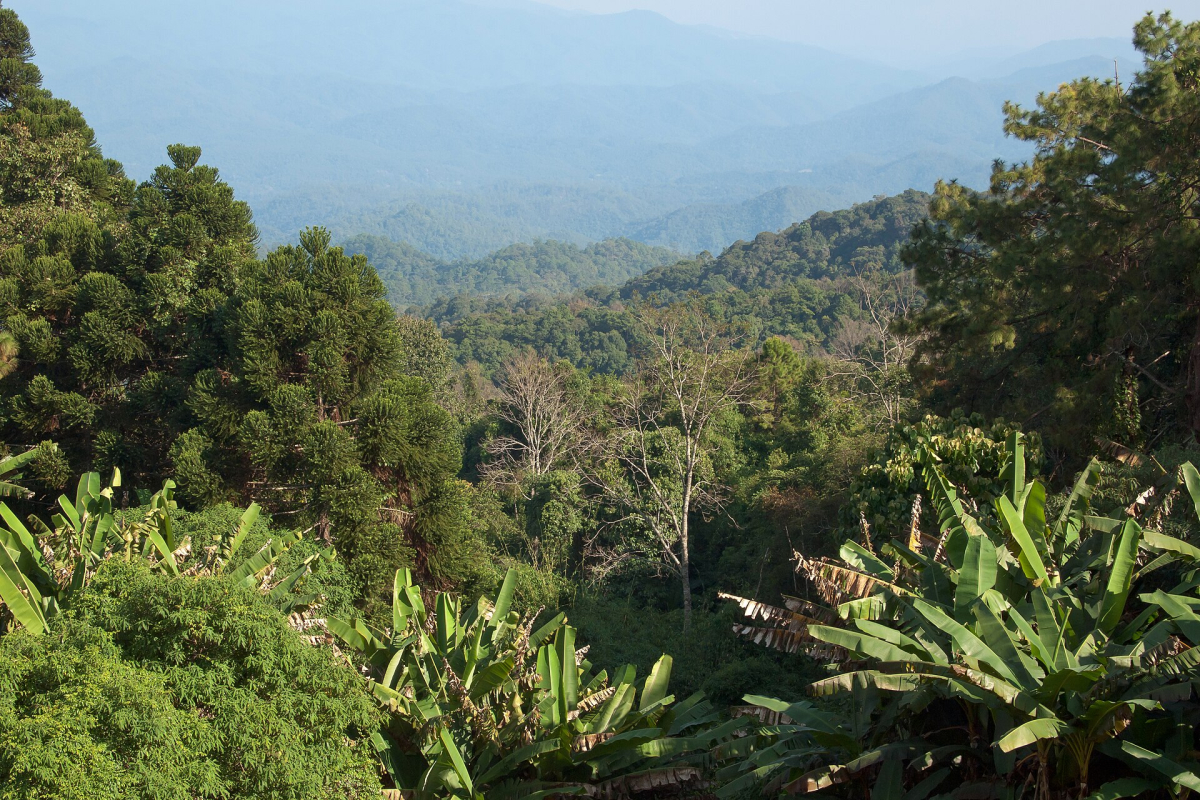
This is often an attractive period for a first Bangkok-and-north journey. Early mornings and later afternoons are useful for temples, markets and photography. Northern mountain accommodation may require a warmer layer, while a Bangkok afternoon can still feel hot enough to justify a shaded or indoor break.
Demand rises around international holidays and major Thai events. Book accommodation and critical transport early when your dates overlap a festival or holiday period, but distinguish a confirmed reservation from a flexible day trip. An expensive non-refundable boat excursion booked months ahead does not remove weather risk.
December and January are strong starting months for an Andaman beach stay. Even then, inspect flags and local notices before swimming and follow marine operators' decisions about crossings. A sunny beach can have strong currents. Tide also affects the usable beach and the practical approach to boat-access accommodation.
March to May: heat changes the daily plan
Late dry-season and pre-monsoon conditions can make city sightseeing demanding. Start with one substantial outdoor visit, take a proper midday break and avoid constructing a day around a continuous long walk. Carry drinking water and allow for the time needed to cool down between stops.
For northern haze, use the dedicated Air Quality & Burning Season section below as well as the daily forecast. A mountain day is not automatically a clean-air alternative to the city.
Songkran falls in April, with local programmes and transport impacts that extend beyond a simple three-day holiday description. A water celebration is a separate choice from visiting a quiet temple or travelling with camera equipment. Protect documents and electronics, and avoid scheduling a tightly timed intercity departure immediately after a busy celebration.
Air Quality & Burning Season in northern Thailand
Use the Pollution Control Department Air4Thai dashboard for current station reports. It is a live air-quality source, separate from a seasonal weather calendar.
When comparing Chiang Mai, Chiang Rai or a northern mountain stay, assess air quality separately from rain and temperature. Haze can affect parts of the late dry season, including the March–May period discussed above, but its start, duration and severity vary by year and location. A warm dry day or a mountain hotel photograph does not establish clear air.
Check the Pollution Control Department's Air4Thai reporting for the actual area and date, including the station location, update time and pollutant or index shown. A distant monitoring station and yesterday's reading are incomplete evidence for today's walk. Different services can use different AQI scales, so compare like with like rather than relying only on matching colours.
For an outdoor-focused trip, keep a shorter cancellable northern stay or a route alternative when possible. Replace a strenuous or distant outing with a suitable indoor day if conditions are poor; moving higher into the mountains does not automatically remove pollution. Families and travellers with respiratory or other health concerns should discuss their individual plan with a qualified professional.
Air quality belongs in the accommodation decision too. Ask about the actual room and ventilation arrangements, and avoid treating a lower seasonal room rate as compensation for conditions that do not meet your needs. Recheck conditions during the stay instead of relying on a single countrywide burning-season date.
June to September: greener landscapes and flexible coast choices
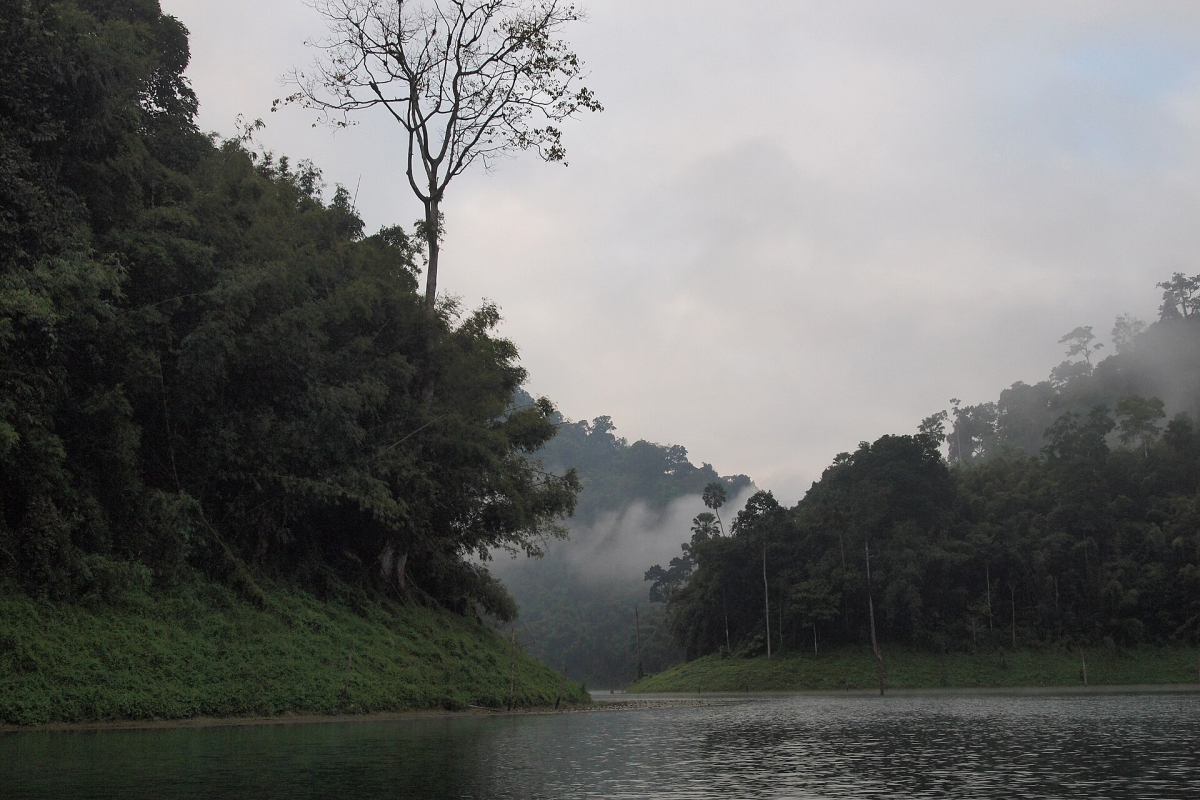
Wetter months can bring greener countryside, dramatic skies and lower demand in some areas. They also bring slippery paths, heavy downpours and potential flooding. Build a day around a local cluster so an unexpected storm does not leave you far from your accommodation with a difficult return.
The southern Gulf may be a better initial beach comparison than the Andaman coast during part of the northern-hemisphere summer. “Better odds” is a relative assessment rather than a guarantee of calm seas or uninterrupted sunshine. Compare the exact island, current warnings and the journey needed to reach it.
On the Andaman side, some boat services and marine visits are seasonal. An attractive accommodation price is only useful if the experiences you want are available and the transfer is appropriate. Ask about what operates in your travel week rather than relying on a photograph or last season's timetable.
October and the change of season
October is a transition month, and that makes it a poor time to promise a fixed weather formula. Conditions can improve in one region while heavy rain continues elsewhere. If you must travel then, keep a city or mainland alternative available and avoid a route that depends on several consecutive sea crossings.
For a mixed holiday, a flexible Bangkok stay followed by a coast decision made with current forecasts may suit some travellers. Others will prefer to book a single resort and accept the possibility of rainy days. These are different tolerances for uncertainty; neither requires pretending the seasonal forecast is more precise than it is.
A park reopening date is not a weather forecast. Even where a normal annual closure has ended, temporary storm damage, wildlife protection or local management can restrict a particular trail or area. Verify the intended place with its responsible operator before travelling there.
Match the month to your main activity
For historical parks, heat and shade often matter as much as rain. Sukhothai and Ayutthaya involve open sites with exposed sections, so early visits and a sensible return plan make a difference. A bicycle plan should consider road confidence and conditions rather than assuming every route is a gentle shaded ride.
For forest walking, ask which route is open, whether a guide is required and how the return will work. A short route can still be slippery, steep or unsuitable after heavy rain. At Khao Yai, the official trail guidance distinguishes routes that need a guide; choose based on that guidance and the current visitor-centre advice.
For photography, allow more than one opportunity at a view that matters to you. Low cloud may hide a mountain panorama, while rain can create useful reflected light in a city. Do not compensate for disappointing conditions by entering a closed trail, standing in traffic or launching a drone without the required approvals.
A simple seasonal decision table
Scroll sideways on smaller screens to compare all columns.
| Travel priority | Start by comparing | Main qualification |
|---|---|---|
| Bangkok and northern cities | November–February | Holiday demand; mountain nights can be cool |
| Andaman beaches | November–April | Marine warnings and seasonal operations still apply |
| Southern Gulf islands | Late winter through summer options | Late-year rain differs from Bangkok |
| Eastern Gulf islands | Dry-season options | Check Trat approach and crossing weather |
| Forest walking | An open route with suitable conditions | Current closures and guide rules decide the day |
Pack for the plan, then leave flexibility
A light rain layer, footwear with grip and a dry pouch for documents are useful for many routes. A small umbrella can help in city rain but is awkward on an exposed boat or in strong wind. Bring a warmer layer when a northern mountain overnight is part of the plan rather than packing only for the temperature in Bangkok.
Choose a bag you can handle on the actual transfer. A large wheeled suitcase is convenient in an airport and less convenient on a beach landing or uneven lane. Ask the accommodation how you reach reception at your arrival time. That answer is more useful than a general claim that the property is “near the pier”.
Keep one meaningful indoor or lower-exposure alternative for each weather-dependent day. In Bangkok this might be a museum, food-focused visit or shopping area; on an island it may simply be a slower day near the hotel. See Things to Do and itineraries for ways to simplify a route without losing its main purpose.
Frequently Asked Questions
Is November dry everywhere in Thailand?
No. The southern Gulf can remain wet when Bangkok and much of northern Thailand become more comfortable.
Can I travel during the rainy season?
Yes, with a route and activities suited to the conditions. Keep boat days flexible and check current closures and warnings.
When should I check the forecast?
Use regional climate patterns when choosing dates, then check current forecasts and warnings again close to each outdoor or marine activity.
Does a northern mountain hotel avoid burning-season haze?
Not automatically. Check current local air-quality readings and the actual location, keep outdoor plans flexible and seek individual medical advice where relevant.