
AFRICA · SOUTH AFRICA GUIDE
Where to Stay in South Africa: Regions and Travel Bases
Choose where to stay in South Africa by matching your overnight base to the experience and transport you want. A famous town name is only the beginning: a room outside town, a lodge inside a protected area and an apartment near restaurants create very different days. This guide compares those base decisions. The separate hotel guide deals with named properties and their booking conditions.
Start by dividing the journey into regions, then decide how many bases each region needs. Moving rooms every night can consume the time you hoped to spend on the coast or in the bush. Before paying, check arrival access, evening transport, food options and the actual distance from the property to your chosen activity entrance. A map pin is useful, but it does not explain gates, steep streets or the last gravel approach.
Choose a base by travel style
On a small screen, scroll the table sideways to compare all columns.
| Base type | Useful for | Check first |
|---|---|---|
| Cape Town urban neighbourhood | City culture, restaurants and varied guided outings | Evening return transport and access to your room |
| Winelands town or estate | A slower food-and-wine stay | Transfers between tastings and distance to dinner |
| Garden Route town | Several nights of local coast and forest outings | Which national-park section is actually nearby |
| National-park rest camp | Self-drive wildlife days | Gate deadline, unit facilities and meal planning |
| Private safari lodge | Guided wildlife with fewer daily logistics | Included drives, transfers, ages and conservation charges |
| Johannesburg or Durban urban base | Purposeful city visits and onward connections | Neighbourhood, transfer plan and actual outing locations |
Cape Town: choose a neighbourhood, then the address
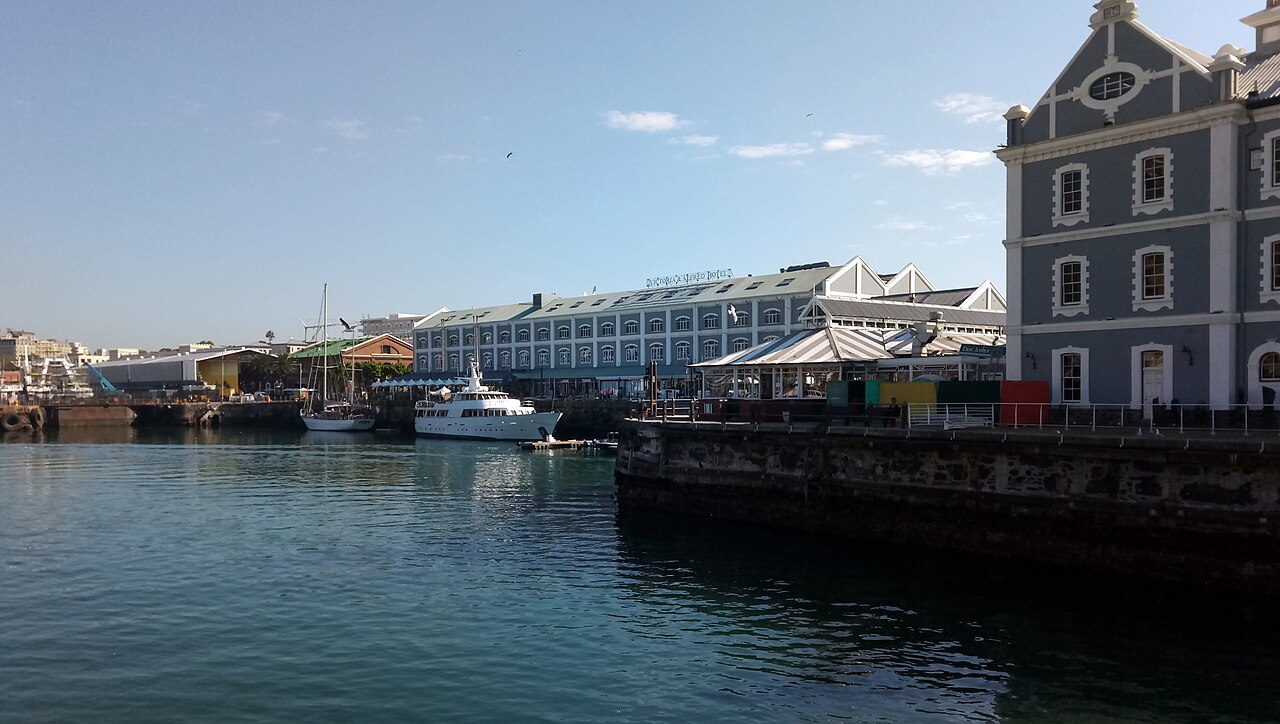
The Waterfront area is convenient for visitors who value a concentration of dining, attractions and arranged transport. That convenience can cost more, and an address described as “Waterfront” may still involve a walk or drive to the place you imagine. Look at the actual entrance rather than a broad neighbourhood label. Noise, parking and construction conditions should be checked with the property.
Sea Point can suit travellers who want an everyday urban setting with coastal walking and restaurants. It works best when your return plan and room access fit your evening habits. Gardens and the City Bowl can suit museum, food and city-focused stays, but slopes and building layouts vary considerably. A charming older guesthouse may have stairs, limited parking or a room reached from an outdoor path.
Camps Bay and the Atlantic Seaboard make sense for travellers who want a beach-facing atmosphere and are comfortable arranging transport to other parts of the city. An ocean view is not the same as easy beach access or suitable swimming conditions. In every neighbourhood, ask for the precise room category and whether the photographed balcony, lift or view applies to that room rather than to the property in general.
Winelands: town convenience or an estate retreat
Stellenbosch and Franschhoek can both support a rewarding stay, but the key choice is often town versus countryside. A town-centre base can simplify meals and allow some exploring between reservations. An estate stay creates a quieter setting but may require a car or booked transfer for every outside meal. Confirm the distance from your room to the restaurant as well as the distance from the property to town.
Build tasting transport into the accommodation decision. A property being “close to wineries” does not make a day of driving between them sensible after drinking. Ask about trusted transfer services, pickup points and the last return. Families and travellers who are not interested in wine should check what the stay offers beyond the tasting room, including gardens, meal flexibility and activities appropriate to their group.
Garden Route: fewer bases, more useful local days
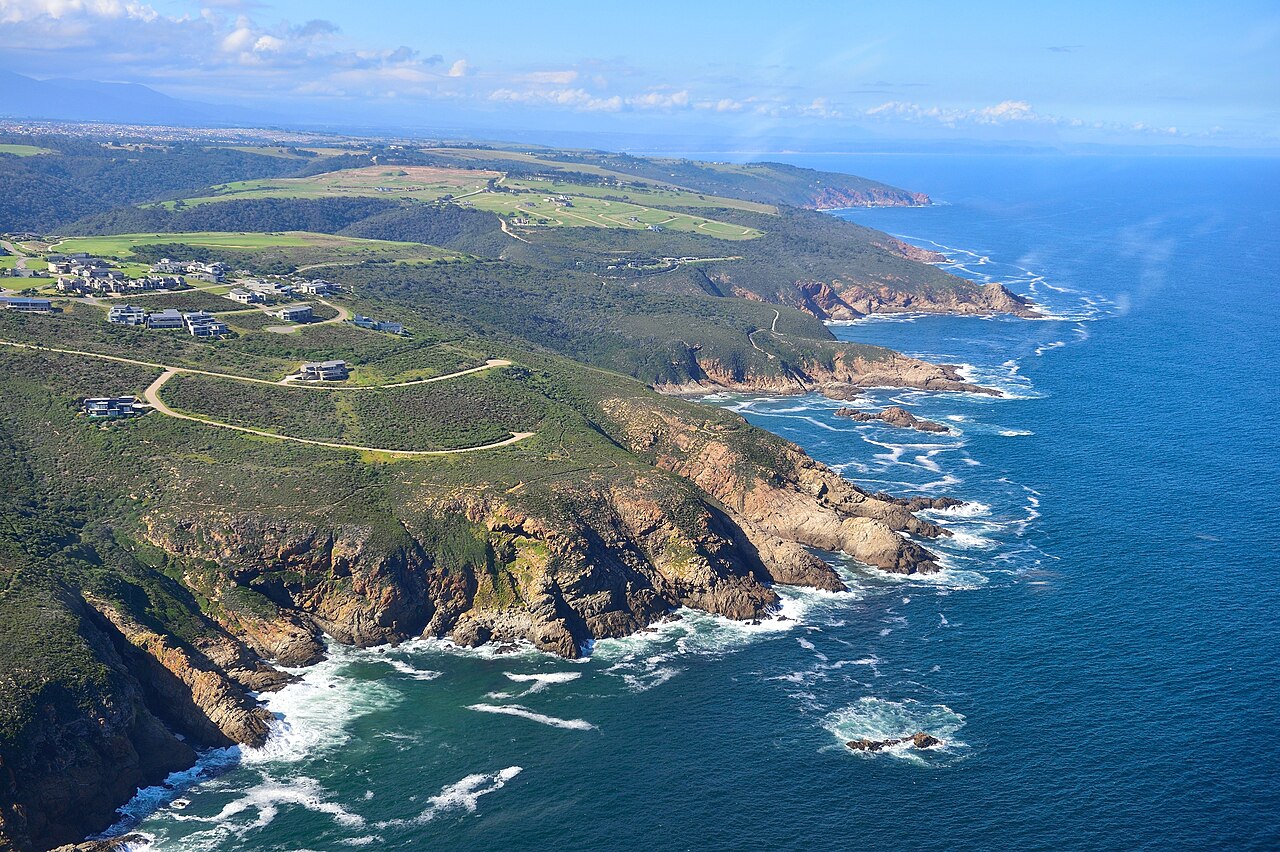
Wilderness suits a stay shaped around estuary, forest and coastal scenery. Knysna can be useful when you want a town base and several different outings from one room. Plettenberg Bay suits visitors balancing beach time with nearby nature and family activities. Storms River gives a different rhythm, with forest and Tsitsikamma plans taking priority over a broad choice of urban services.
The correct choice depends on which activities you have actually selected. SANParks' Garden Route overview separates the Wilderness, Knysna and Tsitsikamma areas. Accommodation near one section may be a substantial drive from another. Avoid booking a nominally central room and then spending every day retracing the highway to opposite ends of the region.
Choose one base for a short regional stay or two for a longer one when they reduce backtracking. Check whether a beach property has a direct permitted approach, a steep path or a drive to public parking. If the room is self-catering, verify the actual cooking facilities and where you will buy supplies, especially when arriving late after a driving stage.
Kruger and private reserves: location changes the safari
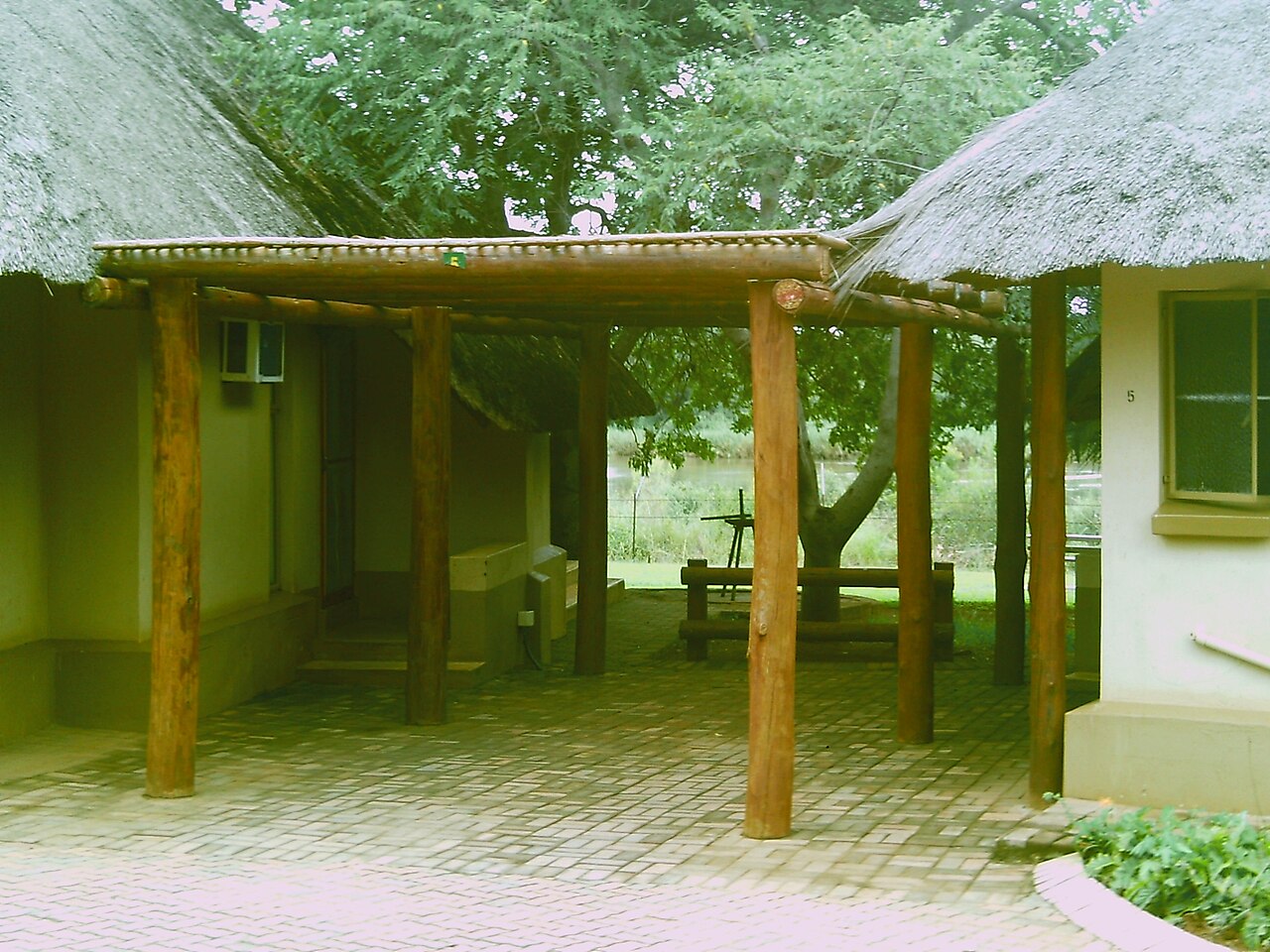
Staying inside Kruger makes the camp itself part of the trip. You still need to work around road rules and gate times, and unit facilities differ: a simple hut, camping pitch and equipped bungalow are not equivalent products. Check bedding, kitchen arrangements, shared facilities and food availability on the exact unit listing rather than assuming all rest camps offer the same setup.
An outside base such as Hazyview can offer a wider choice of accommodation and meals, but you must reach the park gate before the day's wildlife driving begins. A room near a gate can be useful for a short stay or mixed regional holiday; it is not a substitute for overnight access inside the park. Match your arrival route to the official Kruger gate information, leaving room for a slow final approach.
A private-reserve lodge commonly centres the day around its guided programme. Ask which reserve you enter, which gate serves that lodge, whether transfers are included and how shared vehicle arrangements work. The Sabi Sand Nature Reserve access information illustrates why the correct lodge gate matters: the nearest-looking entrance may not serve your property. Check child policies and meal times before assuming a lodge fits your group.
Addo and the Eastern Cape: wildlife alongside a southern route
Choose between accommodation inside Addo, a nearby guesthouse and a more distant urban base according to how many wildlife days you want. An inside stay can simplify early starts. A guesthouse outside the park may offer different meal arrangements, while a city stay can be practical for a flight but involve extra daily driving. Confirm the exact park entrance and section associated with the accommodation.
Addo's official page is the starting point for national-park stays and activities. An Eastern Cape private reserve is a separate product with its own land, wildlife management and transfer arrangements. Compare what you will actually do each day instead of treating every property advertising safari as interchangeable.
Johannesburg, Durban and mountain stays
In Johannesburg, choose accommodation around the visits you want to make and a transport arrangement you are willing to use. Rosebank or Sandton may work for particular connections and services, but neither removes the need to plan journeys to museums and neighbourhood experiences. An airport hotel is useful for a transfer night; it is less useful when the main purpose is several days of exploring the city.
Durban and Umhlanga offer different coastal and urban settings. Check actual beach access, restaurant location and onward driving before selecting a broad “Durban area” listing. In the Drakensberg, choose the valley or access area that serves your planned walks. A mountain-view room elsewhere on the range is not necessarily close to the trailhead you have saved.
Room checks that prevent expensive surprises
For every stay, confirm parking or transfers, cancellation terms, meals, check-in arrangements and the actual sleeping configuration. Families need to know whether a sofa bed, second bedroom and permitted maximum occupancy meet their needs. Travellers with mobility requirements should request specific details about steps, doorways, bathroom arrangements and the route between room and dining area; a general accessibility icon is not enough.
For a longer stay, kitchen equipment, laundry, reliable connectivity and a comfortable workspace matter more than a dramatic first photograph. Ask about the practical response to a local service interruption without treating any property's backup claim as a universal guarantee. Compare the whole stay cost, including cleaning, parking and transfer needs, rather than the nightly room figure alone.
Where to stay in South Africa FAQ
Can I use one base for the whole country?
A single base works for a focused regional holiday, not for the entire country. Cape Town, the Garden Route, Kruger and Durban are separate travel decisions. For a multi-region trip, choose a small number of substantial stays linked by realistic transfer days.
Is it better to stay inside or outside a national park?
Inside accommodation can simplify wildlife timing and create a more immersive stay. Outside accommodation can offer different room styles and services. Compare your actual gate journey, unit facilities and activities before deciding which advantage matters more.
How is this different from the hotel guide?
This page helps you choose the region, town and type of stay. The hotel guide helps you evaluate named properties. Decide the base first, then compare rooms, inclusions and booking conditions within the places that make sense for your route.



