
AFRICA · SOUTH AFRICA GUIDE
South Africa Food and Drink: What to Try and How to Order
South African food reflects many communities, regional ingredients and histories. A braai, a Durban curry and a Cape Malay meal are not interchangeable descriptions of one national cuisine. Try food in the region where it has context, ask how it is prepared and leave room for everyday dishes alongside special restaurant meals. You do not need to order the most unfamiliar item to have a worthwhile culinary experience.
This guide focuses on dishes, drinks and ordering decisions. For named venues and reservation planning, see restaurants in South Africa. Recipes vary between households and kitchens, so descriptions below are a starting point for questions rather than a promise about every serving.
A practical food glossary
On a small screen, scroll the table sideways to compare all columns.
| Food | What it generally means | Useful ordering question |
|---|---|---|
| Braai | Cooking over a fire and the social meal around it | What is being cooked and which sides are included? |
| Boerewors | A coiled, seasoned sausage | Which meats and casings are used? |
| Pap | A maize-meal preparation | How is it served, and is the sauce meat-based? |
| Bunny chow | A hollowed bread loaf filled with curry | Which filling, portion and heat level? |
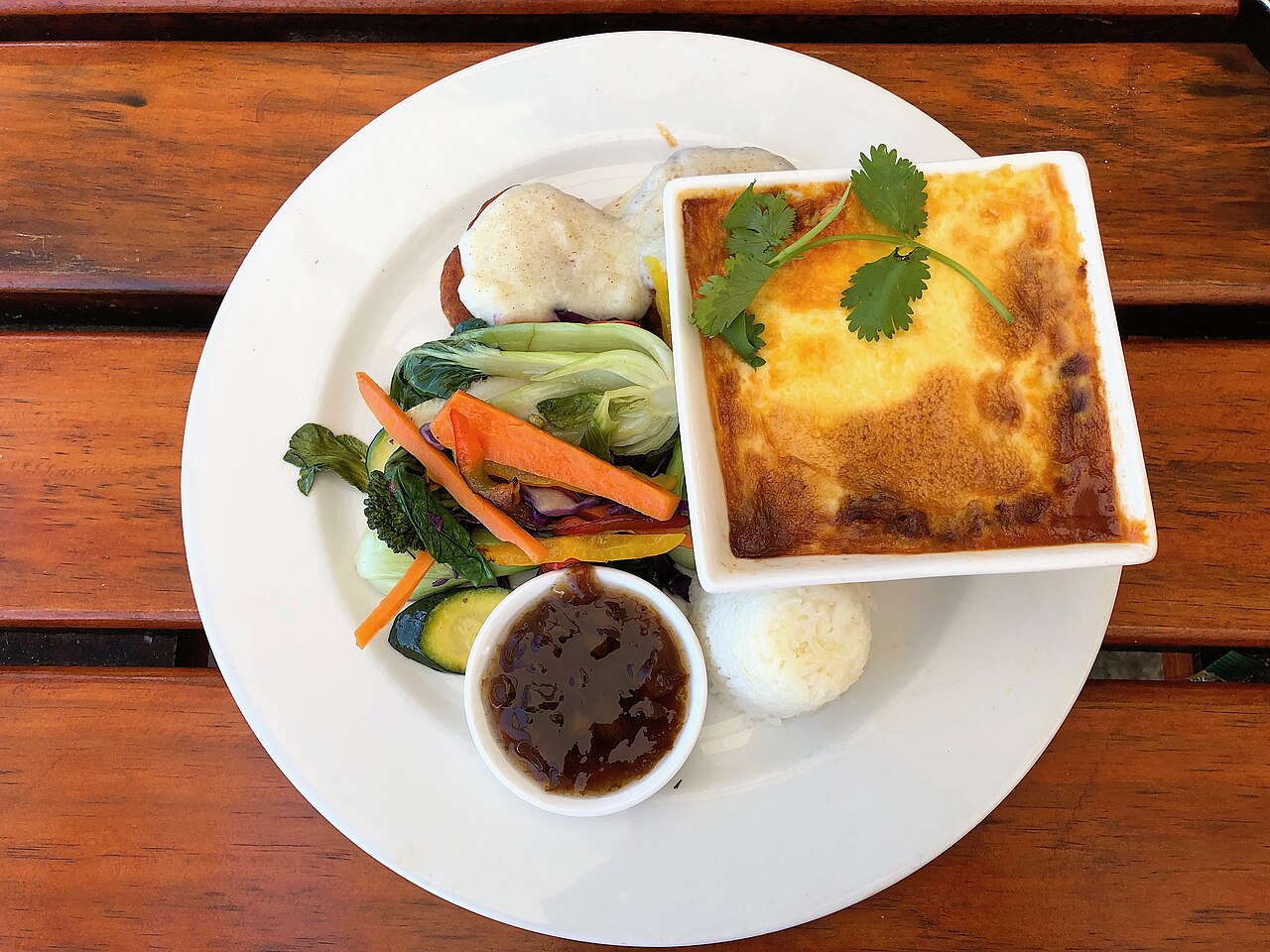
| Bobotie | A spiced mince bake with an egg-based topping | Which meat, fruit and allergens are included? |
| Samp and beans | A dish combining broken maize kernels and beans | Is stock, meat or dairy added? |
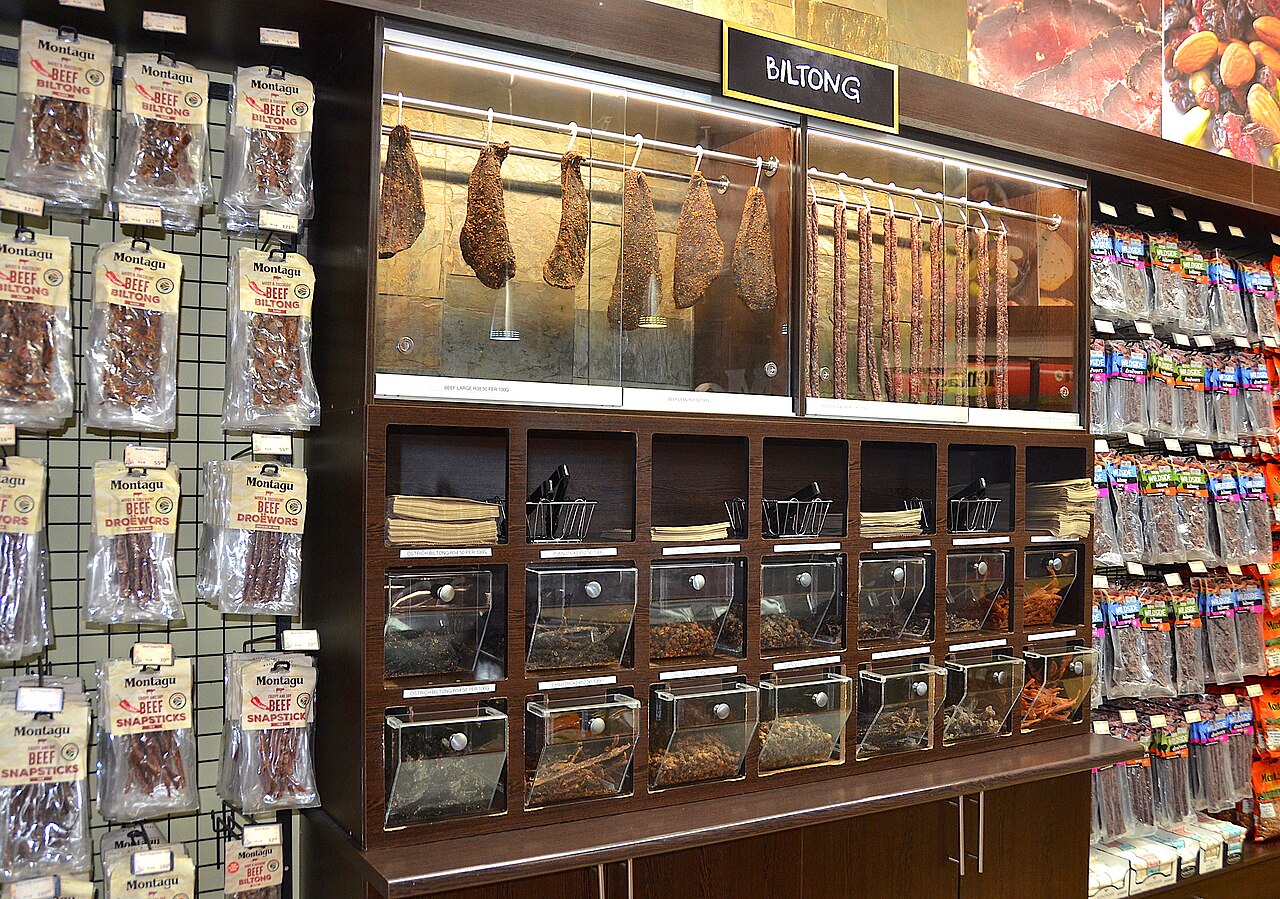
| Biltong | Seasoned, air-dried meat | Which meat and how will it be stored? |
| Rooibos | A naturally caffeine-free herbal infusion | Plain infusion or a sweetened blend? |
Braai, pap and shared meals
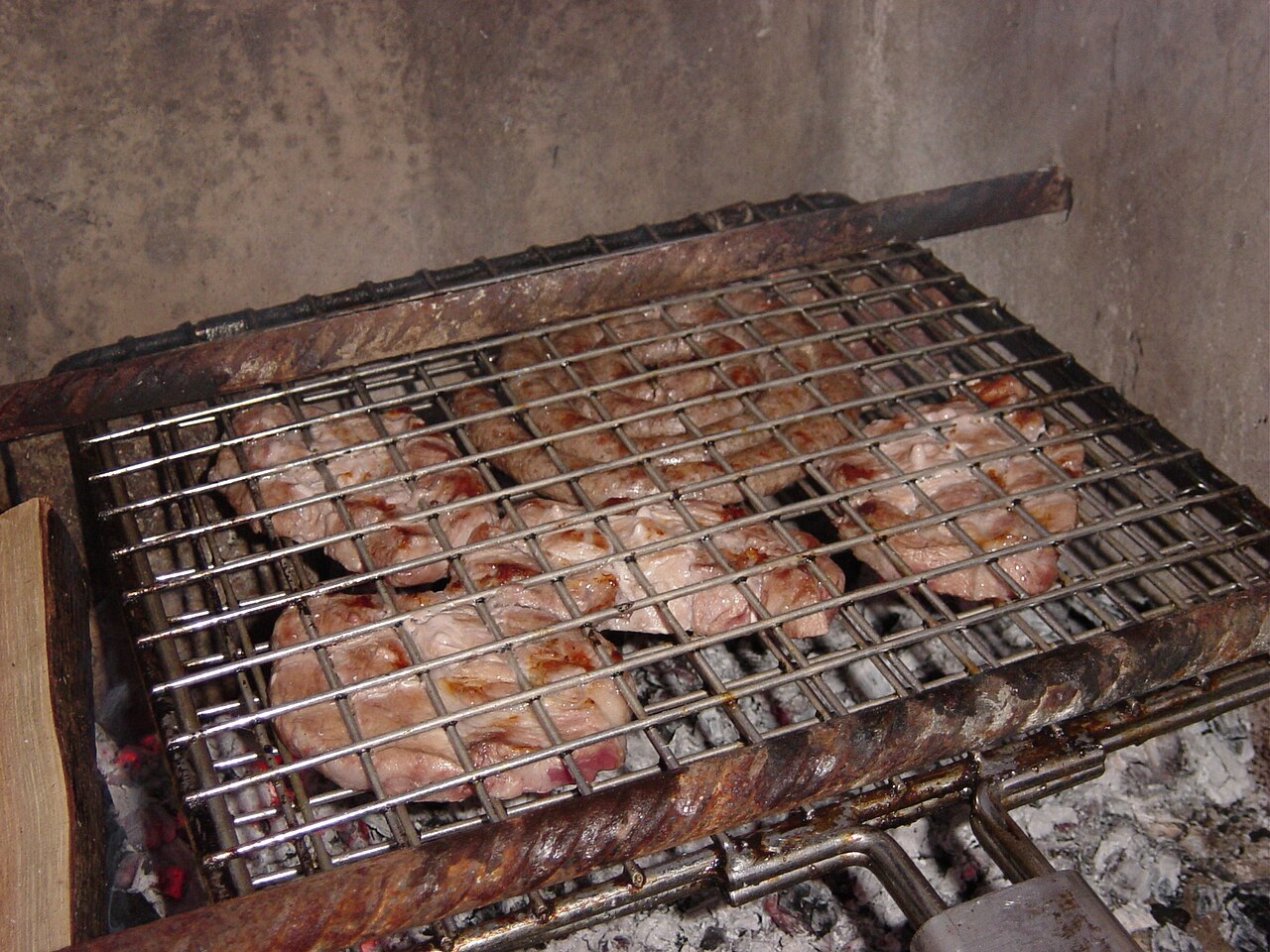
A braai is both a cooking method and a social occasion. It can involve sausage, meat, fish, vegetables or bread, with the host deciding the pace and serving style. In a restaurant, inspect the menu rather than assuming a platter includes every side. At a private invitation, ask what to bring and whether you should provide something for your own dietary needs.
Pap is made from maize meal and can have different textures. It is often served with a sauce, relish or another dish. Chakalaka is a vegetable relish with many household variations, so ask about heat and ingredients if either matters. A combination that looks plant-based can still include animal stock, butter or meat in its sauce.
Boerewors is associated with braai cooking, but its contents are not identical in every kitchen or butcher's shop. Ask about the meats and casing instead of inferring them from appearance. If you do not eat meat, enquire about a separate cooking surface and whether vegetarian food will share utensils with meat. A thoughtful host or kitchen can answer specific questions more easily than a general request for something suitable.
Durban curry and bunny chow
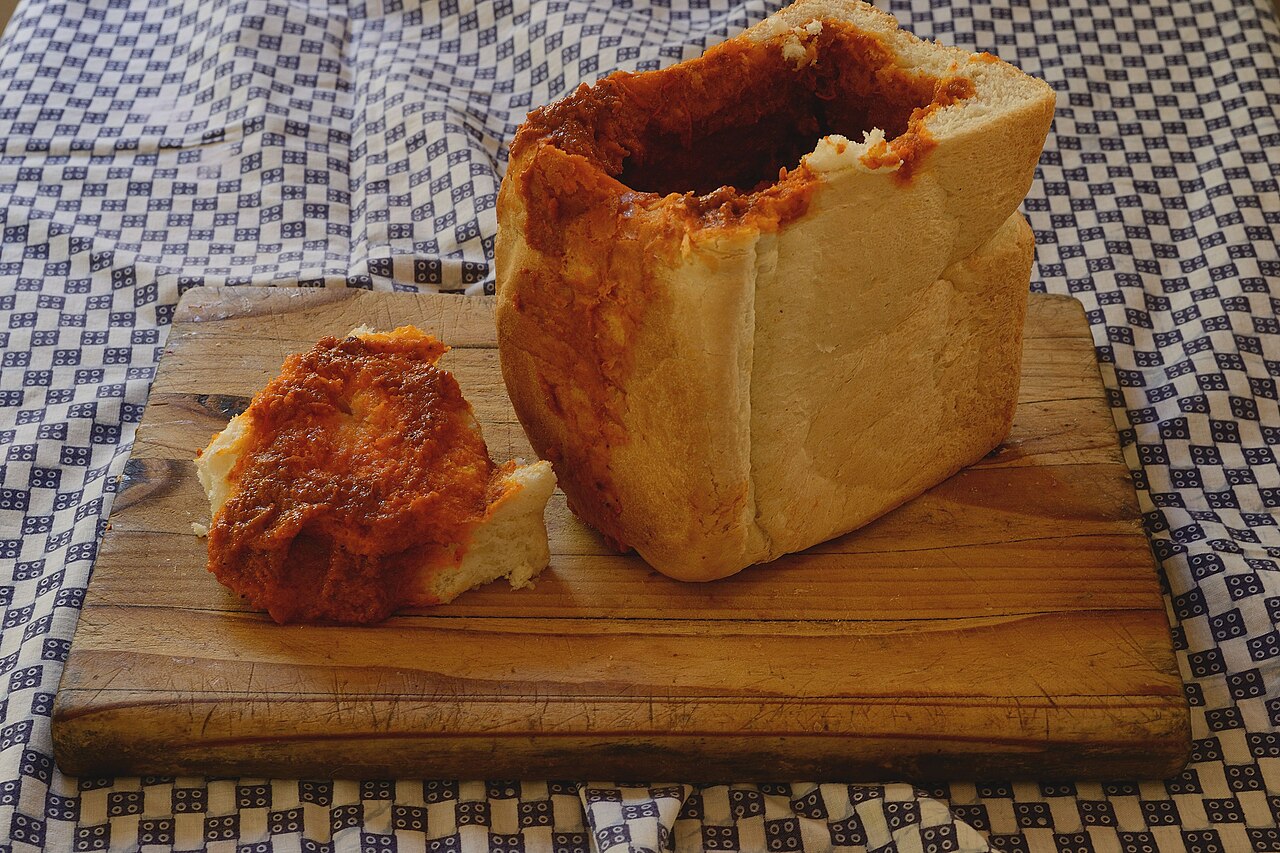
Bunny chow is a hollowed bread portion filled with curry; it does not imply rabbit. Durban is closely associated with the dish and with a rich range of Indian-influenced cooking. Choose the curry filling, portion size and heat level separately. A substantial bread serving can be more than one person expects, particularly if it follows starters or snacks.
South African Tourism's food glossary explains bunny chow and several regional menu terms. Use that background to begin a conversation with the person serving you rather than treating one recipe as definitive. Heat descriptions vary between restaurants and individual tolerance; starting mild is sensible if you are uncertain.
Vegetable or bean curry can be a useful choice, but confirm preparation if you follow a vegan diet or have a serious allergy. Bread introduces gluten; sauces may include dairy or other allergens. Ask before ordering rather than assuming that removing one accompaniment makes the dish suitable.
Cape flavours, baked dishes and sweets
Cape Malay cooking deserves attention for its own history and variety. A cooking class or a well-described meal can explain spice use, family recipes and the context of dishes more clearly than an abbreviated menu label. Do not assume a Cape Malay dish is always extremely hot, or that every spiced dish served in Cape Town belongs to the same tradition.
Bobotie generally combines spiced mince with an egg-based topping, but meat, sweetness and accompaniments vary. Ask about ingredients rather than expecting one standard version. Samoosas are useful snacks or starters, with fillings that may include meat, vegetables or cheese. For a mixed group, ordering a small variety can help people discover preferences without committing everyone to the same large main.
Milk tart, often called melktert, and malva pudding provide different dessert experiences: one is a custard-style tart, the other a rich pudding commonly served with a sauce or custard. Names do not reveal every ingredient. Dairy, eggs, wheat, nuts or alcohol can appear in preparations, so anyone with restrictions should ask about the actual recipe. Share a dessert if you want to taste it after a substantial meal.
Regional food and thoughtful seafood choices
Samp and beans, steamed breads, stews and vegetable preparations provide a broader view of everyday food than a holiday limited to steaks and tasting menus. Let the cook identify the dish and its particular context; avoid assigning a single recipe to an entire community. A locally hosted meal is most useful when there is time to talk and the host is fairly paid for their work.
For seafood, the words local, line-caught or fresh do not by themselves establish sustainability. Ask for the species, its origin and how it was caught or farmed. WWF-SASSI's current seafood tools can help interpret that information. Status may differ for the same species depending on fishery and method, so a restaurant's general environmental statement is not a substitute for the details of the fish being offered.
Wine, rooibos and alcohol-free choices
The Western Cape offers opportunities to learn about South African wine through tastings, meals or visits to wine regions. Choose a few estates that match your interests rather than maximising the number of samples. Ask whether tastings require advance booking, what food is available and whether non-drinkers can join comfortably.
Arrange a driver or suitable organised transport if you intend to drink. A tasting itinerary should not rely on assessing your own ability to drive afterwards. Wine pairings, bottles with lunch and additional cellar experiences can also change the bill considerably; decide the budget before the first tasting.
Rooibos is a useful caffeine-free option, while cafés and restaurants may offer juices, sparkling drinks and alcohol-free pairings. A blend containing rooibos can still contain other ingredients, so inspect the description if caffeine, sugar or allergens matter. Ask for water and drink options with the same confidence you would bring to choosing a wine.
Dietary needs, food handling and travel days
Explain essential dietary requirements in clear terms and obtain confirmation from the actual kitchen. Vegetarian, vegan, halal-friendly and gluten-free are separate requests. For allergies, ingredients and cross-contact both matter; shared fryers, serving spoons or preparation areas may affect suitability even when the menu contains an appropriate dish.
On long drives or early safari mornings, confirm what your accommodation can provide before setting out. Carry drinking water and suitable snacks, and keep perishable food at an appropriate temperature. Do not leave food accessible to wildlife at picnic spots, camps or viewpoints. Follow park food-storage rules and remove litter when no suitable bin is available.
Before taking edible souvenirs across a border, check the destination country's rules. Meat products such as biltong, fresh produce, seeds and animal products may face restrictions. A product being sold in a tourist shop does not establish that you can import it elsewhere. Keep packaging and ingredient information when that helps you verify the rules.
South Africa food and drink: frequently asked questions
Does bunny chow contain rabbit?
The name refers to curry served in a hollowed bread portion. Choose the stated filling and ask about ingredients; the name does not mean rabbit.
Is all South African food very spicy?
No. Flavours and heat vary widely between dishes and kitchens. Ask about the preparation and request a suitable heat level rather than assuming that a regional label tells the whole story.
Can vegetarian travellers eat well?
Many venues offer choices, but preparation varies. Confirm stock, dairy, cooking surfaces and other essential requirements directly, especially outside major towns or on an inclusive lodge stay.
Is every local fish a sustainable choice?
No. Species, origin and catch or farming method all matter. Ask the kitchen for those details and consult the current WWF-SASSI information.



