
AFRICA · SOUTH AFRICA GUIDE
South Africa Safari Guide: Kruger, Private Reserves and Addo
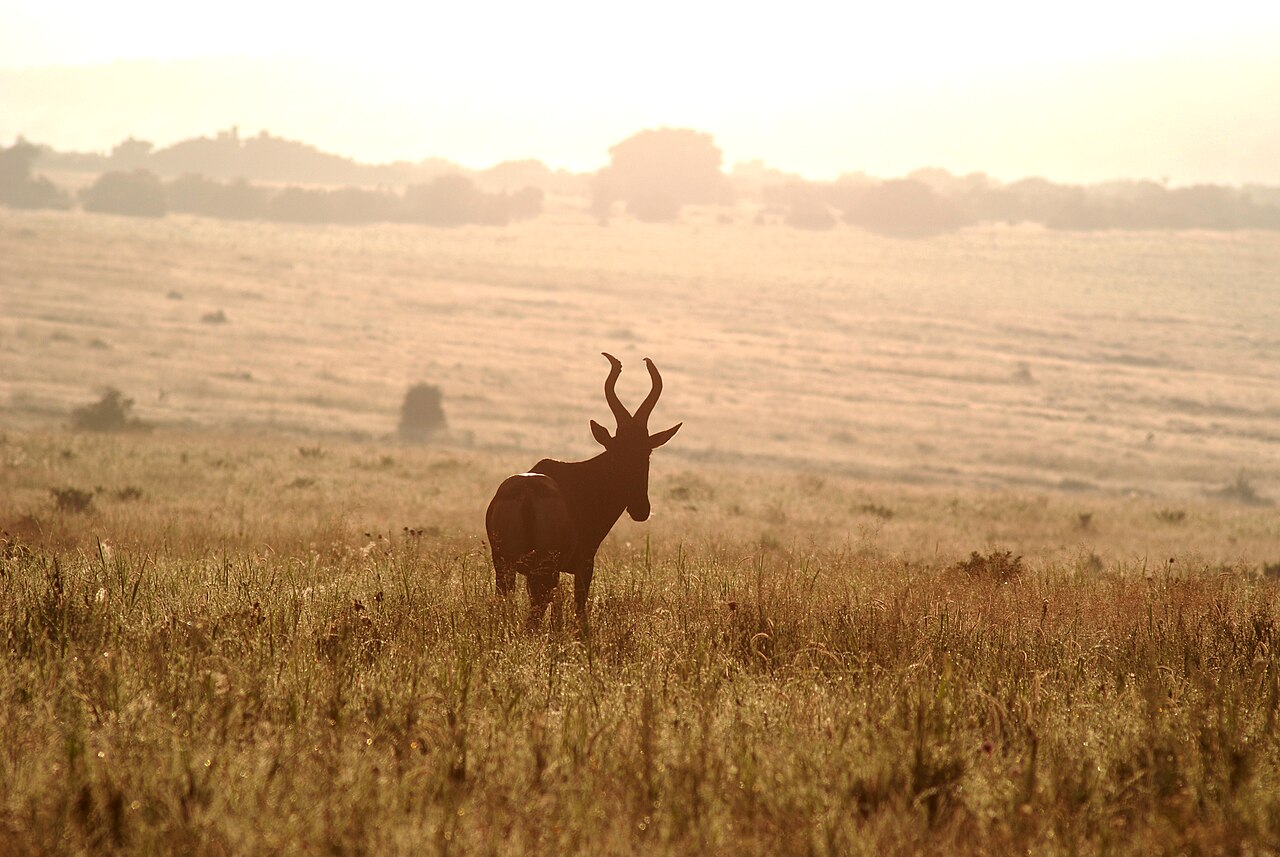
A South Africa safari can mean driving your own car between national-park rest camps, joining guided activities from a park base or staying at a private lodge whose programme shapes the whole day. These are different experiences with different costs and responsibilities. Choose the format before choosing a room photograph, and protect enough time for wildlife watching between arrival and departure.
This guide compares Kruger self-drive, nearby private reserves and the Eastern Cape alternatives that fit a southern coastal journey. It covers logistics and selection rather than medical advice. Take your precise route to a travel-health professional and use the health and safety guide for the official health sources to check before booking.
Choose your safari format
On a small screen, scroll the table sideways to compare all columns.
| Format | Why choose it? | Your main responsibility |
|---|---|---|
| Kruger self-drive | Flexible stops, independent route and accommodation choices | Driving, supplies, park rules and gate deadlines |
| Guided drives from a park camp | Interpretation and a break from driving | Book the activity separately and check age restrictions |
| Private-reserve lodge | A guided programme with meals and services arranged around it | Verify the reserve, inclusions, transfer and shared vehicle conditions |
| Addo self-drive | A wildlife stop that can fit a southern coast itinerary | Select the correct park section, base and route |
| Eastern Cape private reserve | A guided alternative alongside a Cape and Garden Route holiday | Compare the actual reserve and lodge rather than a generic safari label |
Kruger self-drive: freedom with a structured day
Self-driving suits visitors who enjoy making their own decisions and watching quietly without a fixed vehicle schedule. You can pause for birds or a landscape instead of moving immediately to another sighting. You also carry the practical workload: collecting the vehicle, buying suitable supplies, reading the map and returning within the permitted time. Do not build a day around the hope of crossing a large area quickly.
Choose a small part of the park for a first short stay. Changing camps can be rewarding on a longer visit, but each move adds packing and a fixed destination to what would otherwise be a flexible wildlife day. A slower loop from one base often works better than treating each road as a route to finish. The map distance does not account for animal stops, road conditions or queues around a sighting.
Use the official entrance-gate information when selecting your approach. Entrance gates and camp gates have their own seasonal details, and closure at night is a real planning constraint. Arriving at a distant entrance shortly before it closes does not leave enough time to reach a camp elsewhere in the park. Ask SANParks about your exact route and any current restrictions.
Check your booked unit's facilities, not just the camp's name. A self-catering plan needs the correct cooking setup, storage and supplies; a restaurant being listed somewhere in camp is not a promise about your arrival evening. Keep drinking water, sun protection and the day's essentials readily accessible. Design meal and toilet stops around designated facilities rather than expecting to get out wherever the landscape looks inviting.
Add a guided activity for interpretation
A guided drive can complement self-driving by explaining behaviour, tracks and habitat. It also changes who is responsible for driving and navigation during that activity. Compare departure point, duration, vehicle arrangement and what your group can comfortably manage. A night activity operates under the organiser's authority; it does not give you permission to drive around independently after ordinary gate closure.
SANParks' Kruger game-drive page states that children under six are not permitted on those guided drives. Other operators and activities can have different or stricter rules. Ask about the exact child's age, private-vehicle requirements and any limits before paying. A property accepting families does not automatically mean every member can join every activity.
Private reserves: understand the actual lodge programme
A private-reserve stay can be a good choice when you want guiding, meals and the day's rhythm arranged together. The attraction is the overall experience, including interpretation and time spent observing, rather than a promise to deliver a list of animals. The terrain, guiding practices and permissions are specific to the reserve. Do not assume a rule used on one piece of private land applies inside Kruger National Park.
Read the quote line by line. Confirm whether it includes accommodation, meals, drinks, scheduled drives, any walking activity, conservation charges, taxes and the return airport transfer. Ask how many guests normally share the vehicle, whether a private vehicle can be requested and how the lodge handles different interests. A photography-focused traveller and a family with a short attention span may benefit from different arrangements.
Book the transfer around the correct property, not the nearest safari airport on a map. Sabi Sand Nature Reserve's access guidance shows that lodges are reached through designated gates and that guests need the appropriate approach. Ask the host for current directions and road advice rather than allowing navigation software to choose an unauthorised shortcut. A private-reserve gate and a national-park entrance are not interchangeable.
Give the lodge your real arrival and departure details. An afternoon drive may be missed if you arrive too late, and a morning flight can prevent a final outing. Three nights often create a more satisfying rhythm than a one-night stop because you gain full days without luggage and transfers. This is an editorial preference, not an activity guarantee or a universal minimum booking rule.
Addo and the Eastern Cape: fit safari to the southern route
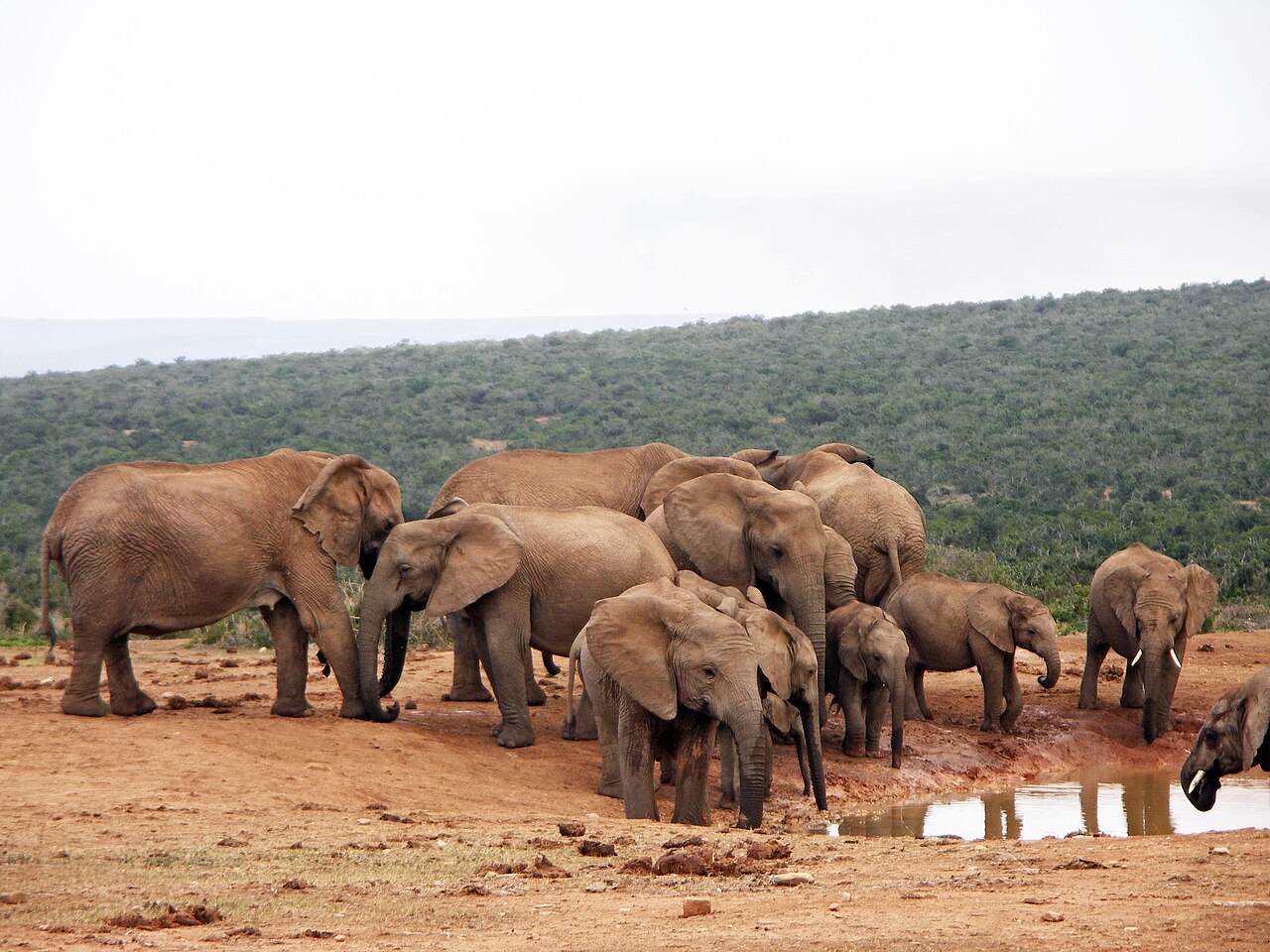
Addo is worth considering when your trip already follows the Garden Route towards Gqeberha. It can reduce the need for a separate northeastern flight, and a self-drive stay offers a different cost and scheduling structure from a fully guided lodge. Check which section you intend to visit, where you will sleep and how the final approach connects with your coastal base.
The park's official visitor tips identify it as being in a malaria-free area. That geographic description does not replace individual travel-health advice, address the rest of your route or guarantee freedom from other health risks. Do not use a property's broad “malaria-free safari” wording to make medical decisions about a multi-region holiday.
Eastern Cape private reserves offer a separate guided-lodge option. Compare the particular reserve's habitats, conservation approach, species and daily programme. A lodge can be a substantial drive from Gqeberha despite being marketed with the same airport. Ask about the vehicle needed for the last approach, transfer timing and whether the programme fits younger children or limited mobility.
Season, clothing and photographic expectations
Plan for the conditions at the time of day you will be outside. An open vehicle before sunrise can feel cold even when the afternoon is warm. Layers, a weather-resistant outer layer when appropriate, sun protection and a secure place for equipment are more useful than buying a complete new safari wardrobe. Confirm luggage restrictions when a small-aircraft connection is involved.
Take binoculars if observing wildlife is a priority; a phone camera does not replace them. A longer lens can be helpful, but do not let equipment make the day entirely about a close-up. Quiet observation, habitats and smaller species add interest when larger animals are hidden. Avoid asking a driver to crowd an animal, block its route or break reserve rules for a photograph.
Book the whole journey, not only the room
Before payment, reconcile accommodation nights with flights, transfer pickup and the last possible arrival. Check park admission or conservation charges, cancellation terms, child policy, meal arrangements and activity inclusions. For self-drive, confirm rental insurance, road restrictions and the exact collection and return locations. A low room quote can become a different total once these are added.
Read SANParks' rules before entering: remain on authorised roads, do not feed wildlife and follow instructions on where you may leave the vehicle. Rules are part of the experience, not obstacles to work around. Keep the itinerary plan flexible enough that an interesting sighting does not turn into a race against a gate deadline.
South Africa safari FAQ
Do I need a four-wheel-drive vehicle?
That depends on the roads and property you book. Do not assume every safari requires one, or that every ordinary rental is suitable for every lodge approach. Confirm authorised roads, current conditions and rental restrictions with the park, host and rental company.
Will I definitely see the Big Five?
No wildlife itinerary can responsibly guarantee particular free-ranging animals. Choose a safari for its habitat, guiding and time outdoors, and allow several outings if wildlife is a main priority. A longer stay increases opportunity without promising a result.
Is one safari night worthwhile?
It can give a brief introduction when transfers work well, but arrival and departure can consume much of the stay. Two or three nights usually leave more room to settle in and experience the daily rhythm. Compare the usable activity time before deciding.



