
AFRICA · SOUTH AFRICA GUIDE
Responsible Travel in South Africa: Wildlife, People and Resources
Responsible travel in South Africa is a series of practical choices: who benefits from your booking, how wildlife is treated, which resources your stay uses and whether the people you meet control their participation. A green label or a conservation-themed photograph does not answer those questions. Look for specific practices and clear explanations rather than a promise that a holiday has no impact.
Start with the itinerary. Staying longer in fewer places can make visits less rushed and reduce repeated transfers. Buying directly from a local maker can create a more useful connection than collecting anonymous souvenirs. Respecting a closed path or a person's refusal to be photographed is part of the same approach: the visitor's preferred experience does not override the place or its residents.
Make the decision visible before booking
On a small screen, scroll the table sideways to compare all columns.
| Booking | Useful question | Look for |
|---|---|---|
| Wildlife experience | How are animals observed and how are boundaries enforced? | A clear no-disturbance approach and trained staff |
| Community visit | Who designs the visit and decides what is shared? | Local leadership, consent and transparent payment |
| Accommodation | What do you actually do about water, energy and waste? | Specific current practices rather than an unexplained eco label |
| Craft purchase | Who made this and where? | Named provenance and an honest description of materials |
| Tour itinerary | Does the schedule allow respectful time at each place? | Realistic transport and no pressure to break rules for a photograph |
Choose observation over forced interaction
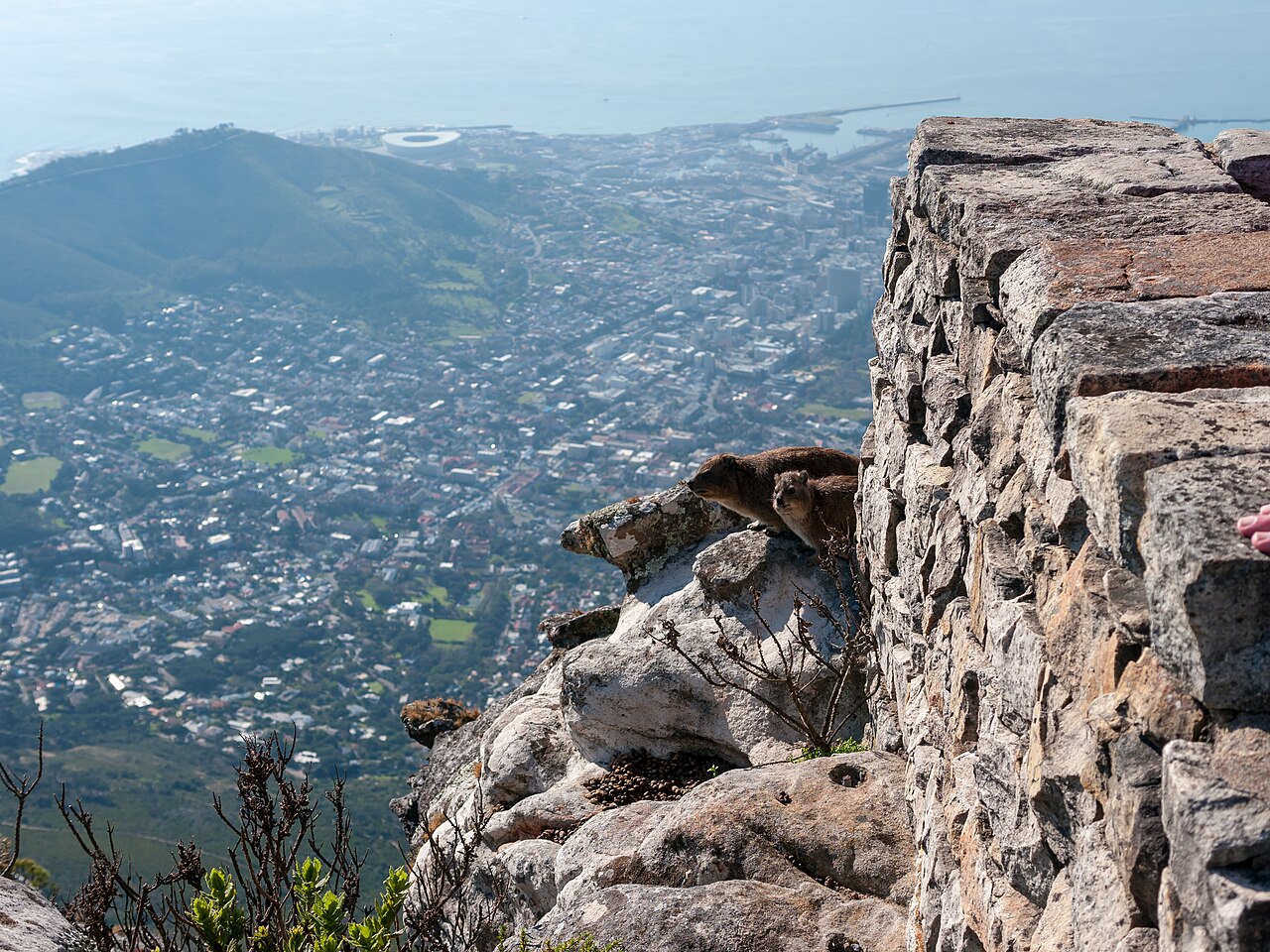
A good wildlife experience allows animals to behave as animals, including moving away or remaining out of view. Ask how an operator manages distance, vehicle numbers and guest behaviour. Be cautious when the central sales promise is touching, holding or posing with a wild animal. A conservation claim needs an explanation of the work and its oversight; it should not be accepted simply because the activity uses the word sanctuary.
In protected areas, follow the actual rules and your guide's instructions. SANParks prohibits feeding or intentionally disturbing wildlife and sets road and access requirements. Keep food secured around camps and picnic areas, and do not encourage an animal closer to improve a photograph. A visitor who follows the rules only when a ranger is visible is still changing the experience for wildlife and other people.
At the coast, give birds and marine animals space rather than treating their approach as consent. Cape Town Tourism's responsible-travel information provides a broader local starting point for environmental and community choices. Choose an operator that explains its procedures and adjusts an activity when conditions or animal welfare require it. A responsible cancellation can be more meaningful than an unconditional departure promise.
Protect habitats on ordinary days out
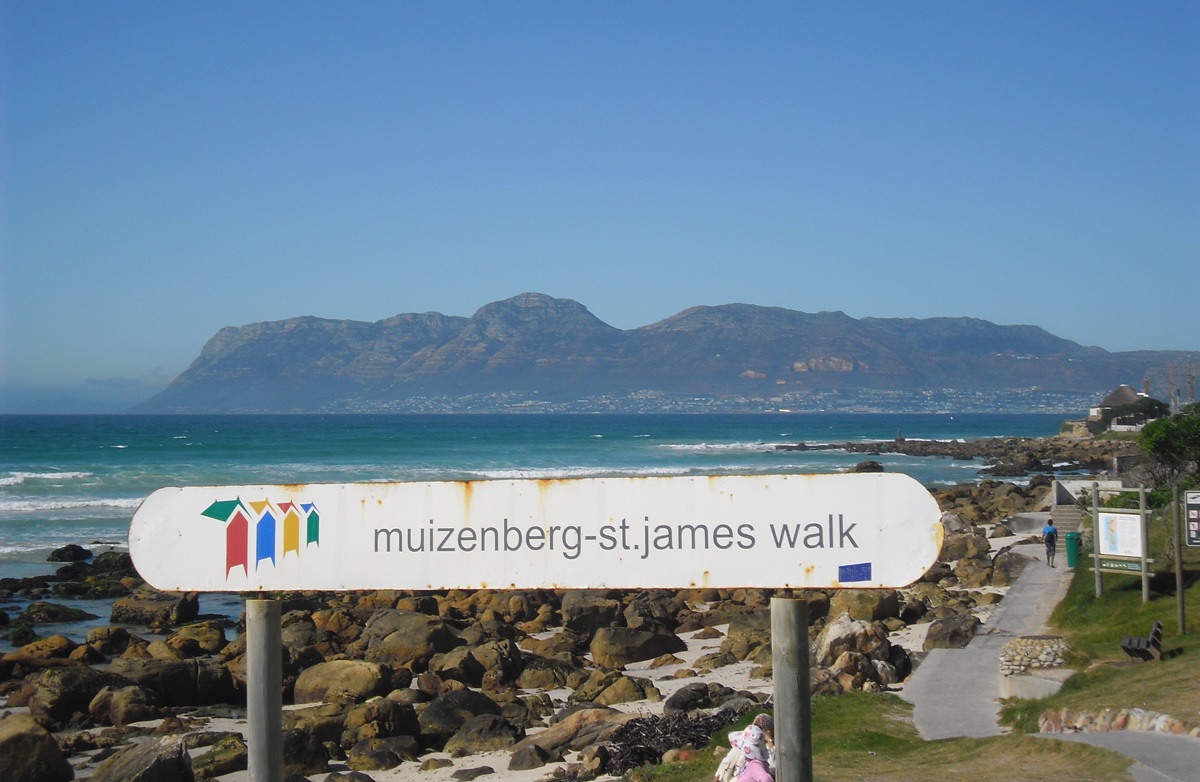
Stay on marked and permitted paths, especially in vegetation that looks easy to step through for a different camera angle. A worn shortcut is not proof that it is authorised. Closures may protect habitat, respond to fire or flood damage, or allow maintenance; follow the current instruction even when an older photograph shows visitors on the route.
Do not collect plants, shells, stones, wood or cultural material from protected areas. An object can be part of the habitat or a record of the past even when it appears ordinary. Photograph it in place if appropriate. If you see damage or an injured animal, report it through the relevant park or operator instead of improvising a rescue beyond your ability.
Keep fires and cooking to places where they are explicitly allowed, check current restrictions and leave picnic areas clear of food scraps as well as visible packaging. Take small litter away when doing so is safe, but do not handle hazardous material or enter a closed area to retrieve it. Simple, consistent habits are more useful than a dramatic cleanup photograph followed by careless daily behaviour.
Let communities control their own welcome
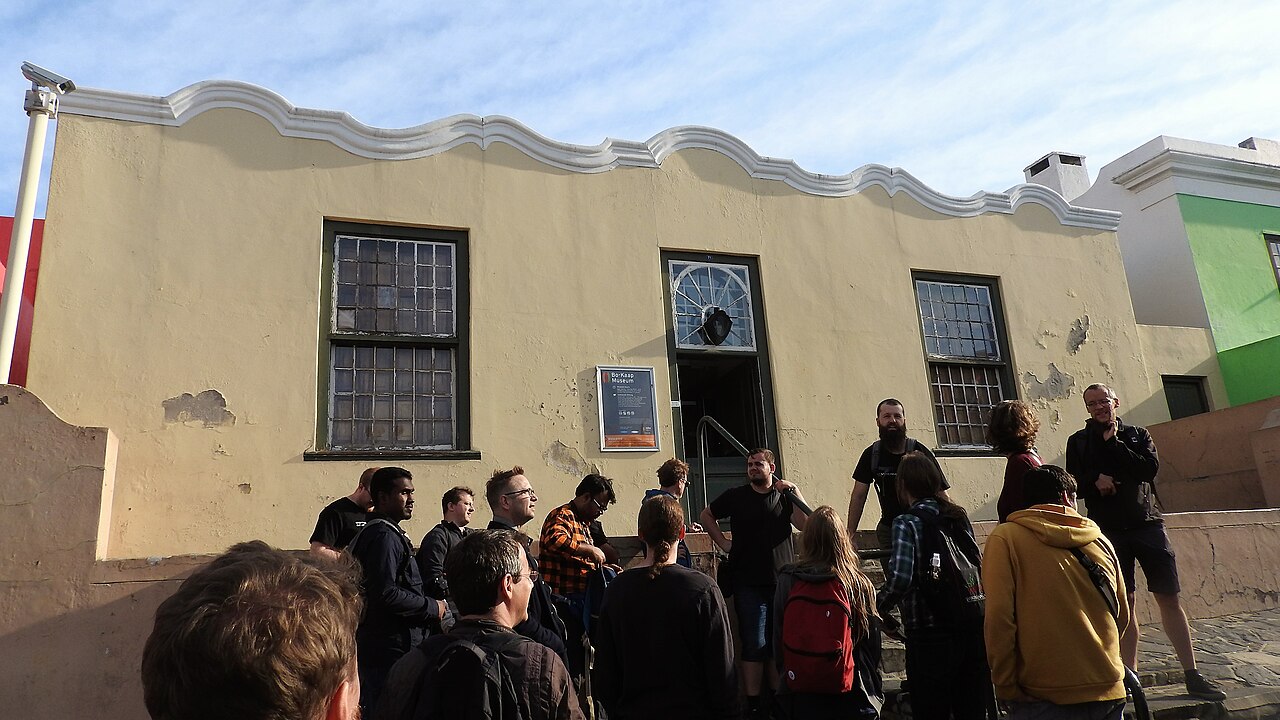
A community-based visit should begin with a clear host and purpose. Ask who owns or leads the experience, how payment works and what participants choose to share. A locally led walk, food experience or creative workshop can offer thoughtful exchange, but no neighbourhood owes a visitor access to private homes or personal hardship.
Ask before photographing people, including the people working during an organised experience. Permission from an operator does not automatically replace an individual's permission. Explain how you intend to use a portrait if it will be published, and accept a refusal without argument or a hidden photograph afterwards. Be particularly careful with children and do not use gifts or money to pressure participation.
Avoid unplanned visits to schools, care facilities or children's institutions. If you want to contribute, ask a credible local organisation what it needs and whether a visitor's involvement is appropriate. A financial contribution through a transparent channel may be more useful than a short volunteer appearance. Do not hand out unsuitable goods simply to avoid taking them home.
Make local spending deliberate
Choose a mixture of businesses that reflects the places you visit: independent guides, restaurants, guesthouses, artists and makers can all be part of the holiday. Ask about the producer behind a product rather than assuming that every item on a South African stall was made in the country. Honest regional or imported provenance can still be interesting; misleading origin claims are the problem.
Pay agreed prices and respect a seller's work. Bargaining may be appropriate in some market contexts but should not be treated as compulsory or as a contest to force the lowest possible amount. In a shop or studio with fixed prices, ask questions about materials, process and care instead. Keep receipts and clear delivery arrangements for valuable or fragile purchases.
The City of Cape Town's responsible-tourism approach includes local economic benefits, working conditions and participation in decisions. Travellers cannot audit every business during a holiday, but they can favour providers that answer practical questions and avoid claims that nobody will explain.
Use water, energy and supplies thoughtfully
Ask your accommodation about current local resource guidance and follow it. Turn off unnecessary lights and cooling when leaving the room, report leaks and avoid requesting fresh linen simply because it is offered automatically. A property's access to a particular water or energy source is not a reason for unlimited consumption, and a backup system should not be assumed to solve every service interruption.
Carry a refillable bottle where safe drinking-water arrangements support it and ask rather than assuming that every rural supply is suitable for every use. Buy sensible quantities of food for a self-catering stay so that departure does not leave a pile of unwanted supplies. Use the waste separation actually provided; putting contaminated or unsuitable material in a recycling bin does not make it recyclable.
Choose durable items you will continue using. A reusable product has little value if it becomes another object discarded after the trip. Refuse unnecessary packaging when practical, keep a small bag for your own litter and leave natural places as you found them. Resource care is compatible with comfort; it is mainly about avoiding wasteful defaults.
Photograph and share with care
Do not reveal sensitive wildlife locations in real time when a guide or reserve asks you to keep them private. Learn the venue's rules before using a tripod, drone or professional setup. Ordinary admission is not blanket permission for every type of shoot, and an attractive aerial image online is not evidence that a visitor can legally fly there today.
Describe experiences honestly when posting photographs. Do not label a staged interaction as a wild encounter or present a historic picture as current access. Credit makers and artists when you know their names, respect restrictions around culturally sensitive material and avoid reducing a community to an anonymous background. The photography guide develops these decisions alongside practical shooting advice.
Responsible travel in South Africa FAQ
What makes a safari more responsible?
Look for respectful observation, clear rules, trained guiding and an explanation of conservation and local benefits. No provider can remove every impact. Avoid judging the experience solely by close encounters or the number of animals promised.
Is a certification enough to choose a business?
It can be a useful starting point when the certifier and scope are credible, but check what is actually assessed and whether the status is current. Ask about the practices relevant to your stay rather than treating any label as a universal guarantee.
Can I take natural objects home as souvenirs?
Do not remove them from protected areas. For purchased plant or animal material, check lawful provenance and the relevant export and destination import rules before buying. An item being offered for sale does not establish permission to carry it across a border.



