
AFRICA · SOUTH AFRICA GUIDE
Things to Do in South Africa: Experiences Worth Planning Around
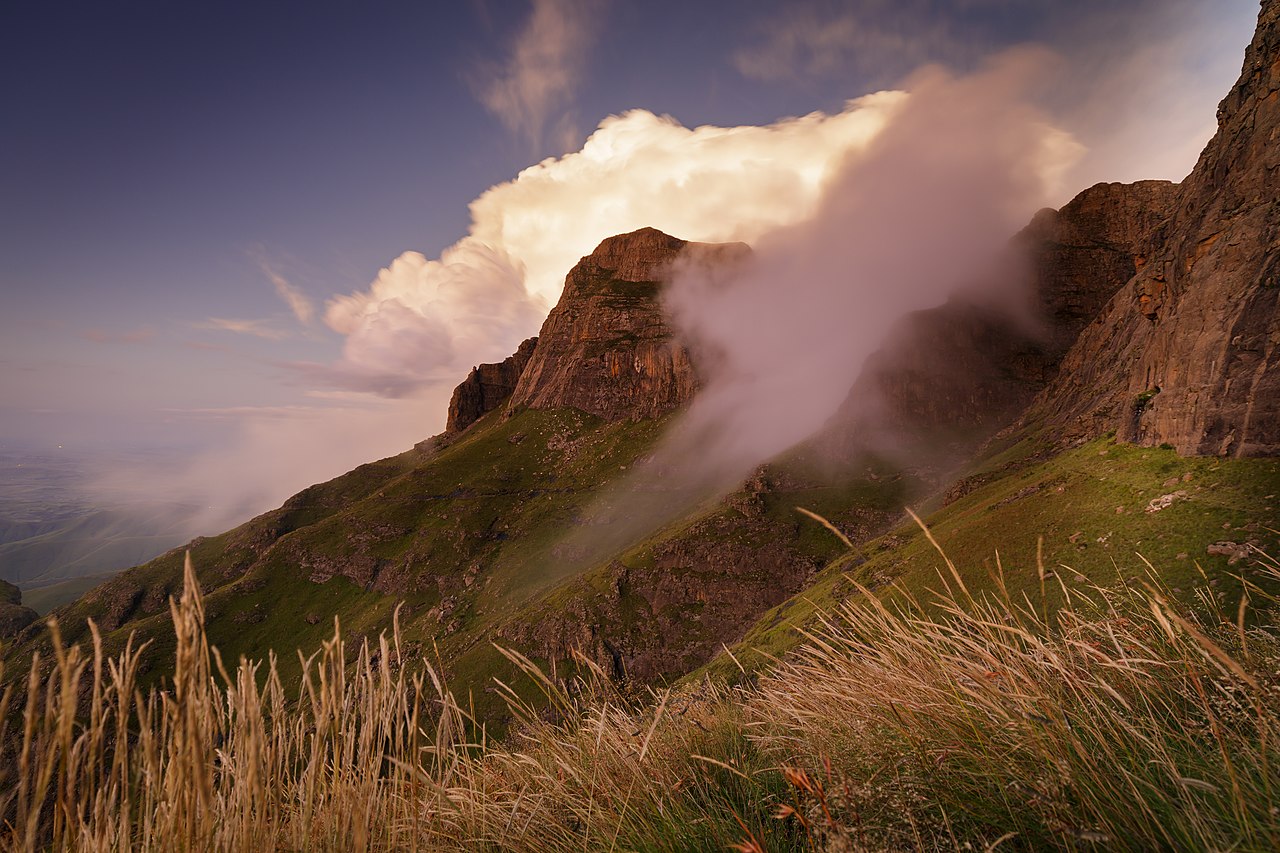
The most rewarding things to do in South Africa depend on how you want to spend your days. A wildlife drive, a cooking class and a coastal walk require different places, booking arrangements and levels of energy. Choose two or three experiences that matter most, then build the route around them. Trying to fit every famous activity into one holiday creates long transfer days and leaves little room for weather changes.
This page helps you choose activities and participation styles. For the location of major sights, use South Africa attractions; for sequencing them into a realistic trip, use South Africa itineraries. Availability, operating arrangements and weather conditions should be checked with the actual operator before booking.
Choose experiences that fit your route
On a small screen, scroll the table sideways to compare all columns.
| Experience | Good route fit | Allow | Main decision |
|---|---|---|---|
| Wildlife drives | Kruger or a suitable reserve | Several nights | Self-drive flexibility or a guided vehicle |
| Coastal walking | Cape Peninsula or Garden Route | Half a day or longer | Easy maintained path or strenuous hike |
| Cape cooking | Cape Town | A scheduled session | Hands-on class or guided tasting |
| Wine tasting | Constantia, Stellenbosch or Franschhoek | One unrushed day | Arrange a driver before tasting |
| Surf lesson | Muizenberg | Lesson plus changing time | Qualified instruction and suitable conditions |
| Local heritage visit | Soweto or Cape Town | Half a day | Guide knowledge and community benefit |
Experience a patient wildlife drive
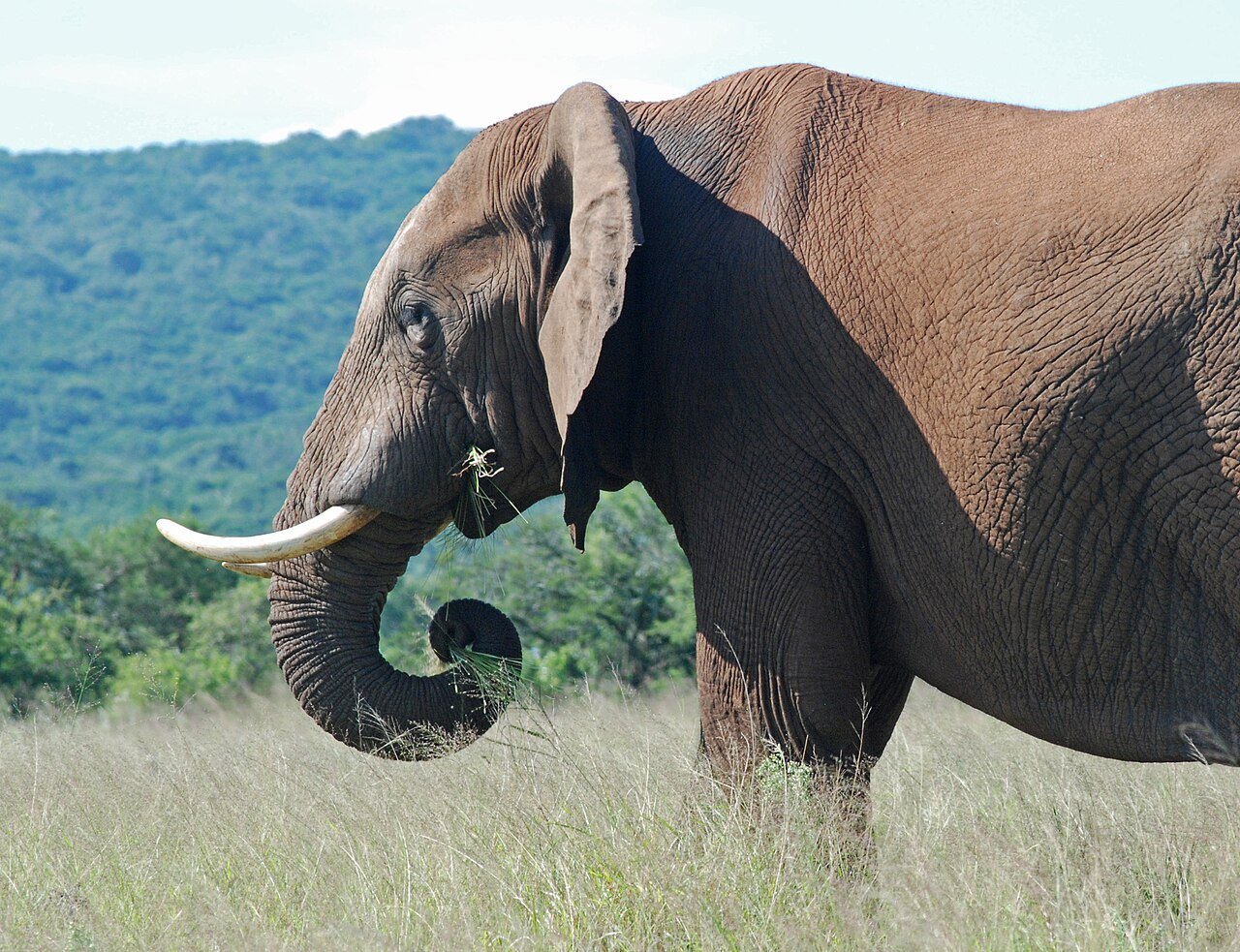
A game drive is an exercise in observation rather than a checklist of animal sightings. Watch how the guide reads tracks, listen for alarm calls and make time for birds, insects and smaller mammals. Early departures can be cold even when the afternoon is hot; layers and a windproof outer garment are more useful than dressing for the midday temperature alone.
Self-driving suits travellers who enjoy deciding their own pace and managing gates, routes and rest stops. A guided vehicle adds interpretation and lets everyone concentrate on watching. Ask how many guests share the vehicle, whether children can join, how breaks work and what the cancellation terms cover. Do not assume a lodge reservation includes every drive, reserve fee or transfer. Our South Africa safari guide compares the operational choices in detail.
Keep wildlife encounters observational. Remain where park rules require, never encourage an animal to approach and avoid operators promising physical contact with captive predators. A quieter drive with responsible guiding is a better experience than a close encounter created by interference.
Walk where forest, fynbos and ocean meet
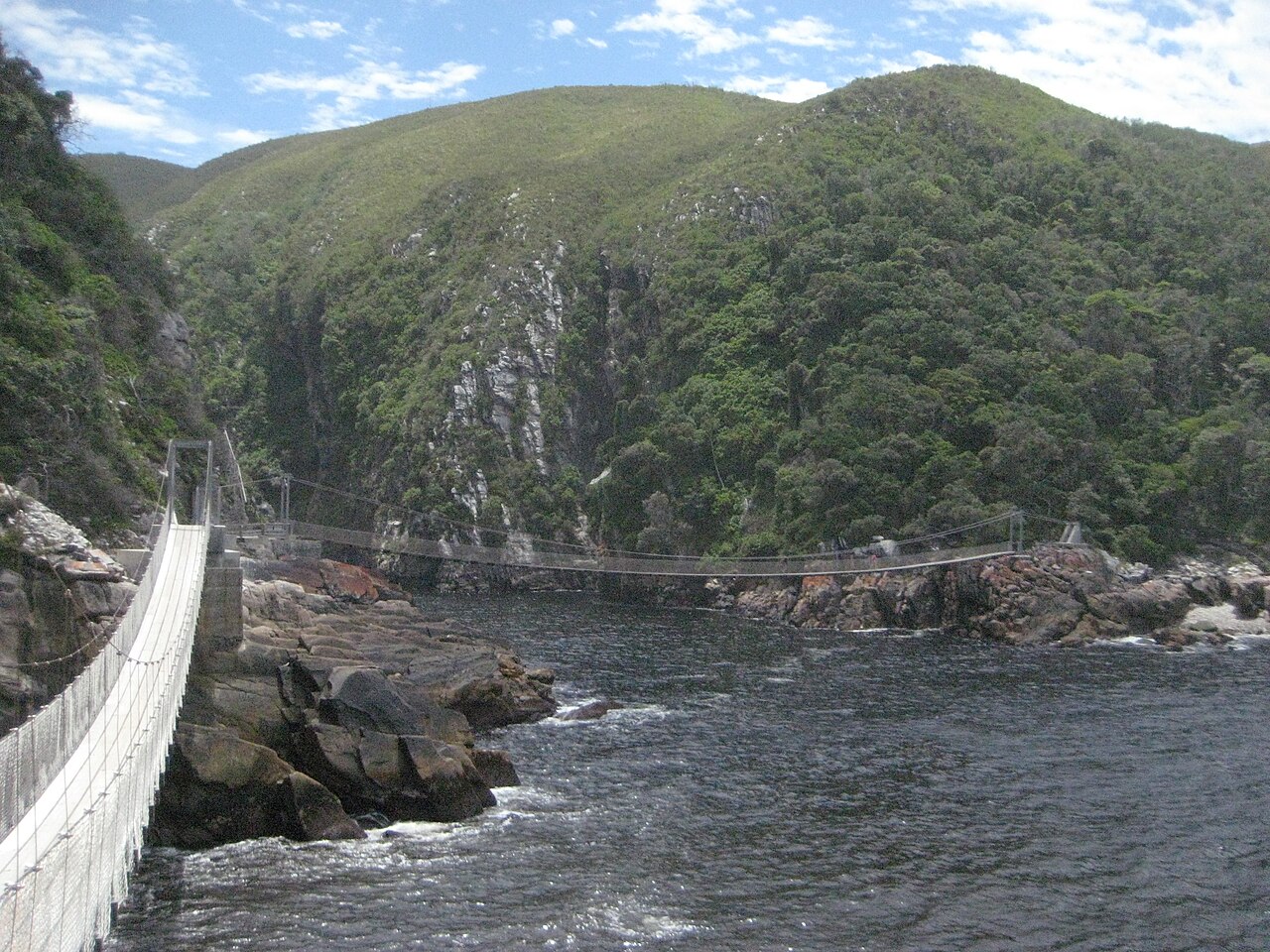
Coastal walking gives a different view of South Africa from the car window. On the Garden Route, choose a maintained forest or shoreline route that matches your fitness and the day's conditions. Around Cape Town, a short fynbos walk can be as satisfying as a summit, particularly when cloud or wind makes exposed mountain paths unsuitable.
Check the exact entrance, route status and turnaround point before setting out. A famous trail name may refer to a multiday route requiring advance reservations, rather than an easy walk available to every visitor. SANParks lists Garden Route activities, including different walking and forest options. Carry water, sun protection, a charged phone and an extra layer; phone coverage should not be your only navigation plan.
For steep terrain, unfamiliar conditions or an exposed route, consider a qualified local guide. Time estimates must include breaks, photographs and the slowest walker. Leave enough daylight for the return journey and arrange transport before the walk rather than relying on finding it at a remote finish.
Learn through a Cape cooking session
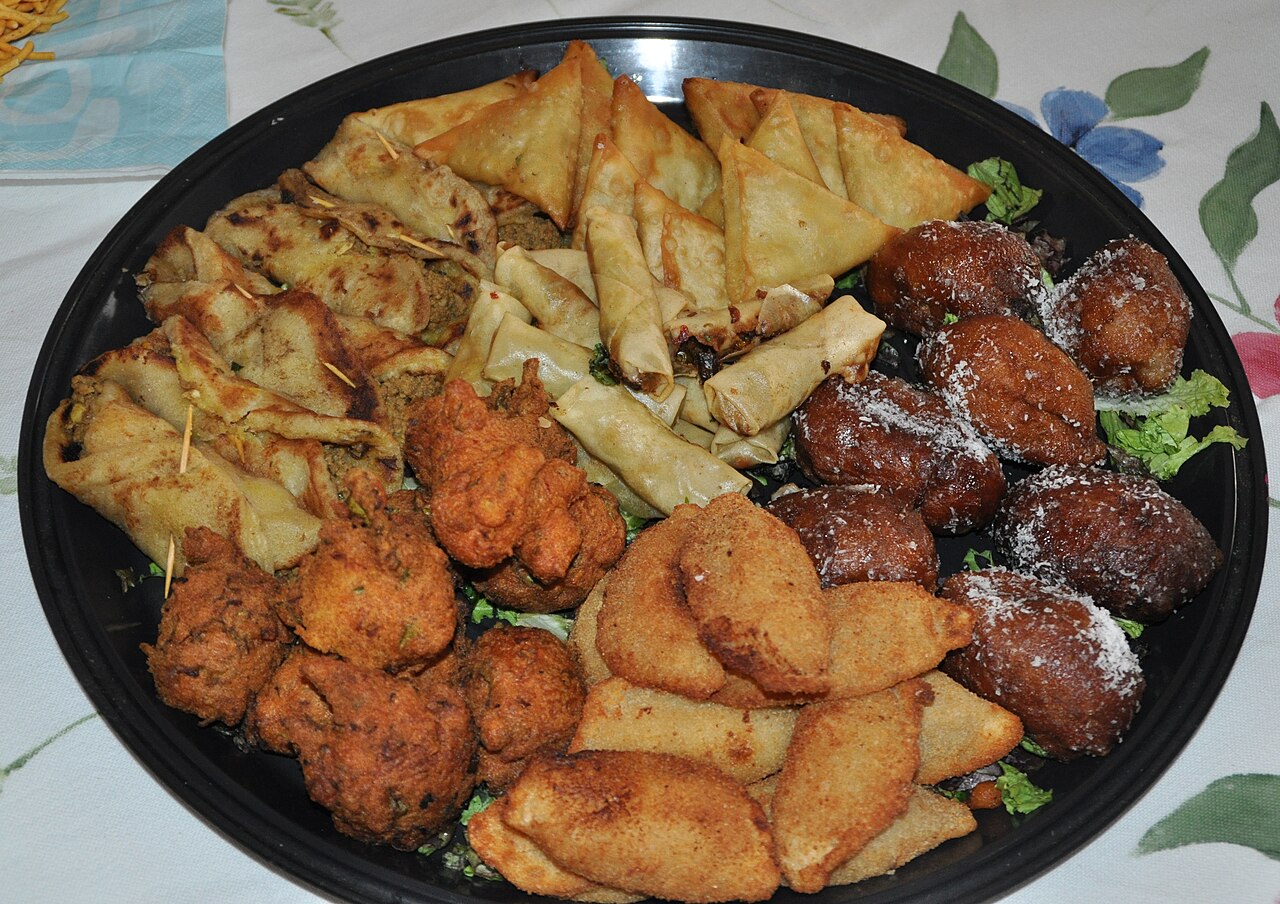
A small cooking class can explain ingredients and everyday habits more clearly than ordering several unfamiliar dishes without context. In Cape Town, look for a host who describes the particular culinary tradition being taught and how their own family or community approaches it. Cape Malay food has a specific history; it should not be used as a catch-all label for every dish served in the city.
Before reserving, ask whether guests actually cook, which meal is included, how large the group is and whether the kitchen can safely accommodate your dietary requirements. A walk-and-taste experience has a different purpose from a hands-on class, and either can work if the description is clear. Pay for the session directly or through a transparent booking channel, and ask permission before photographing the host or their home.
Plan a wine day without driving
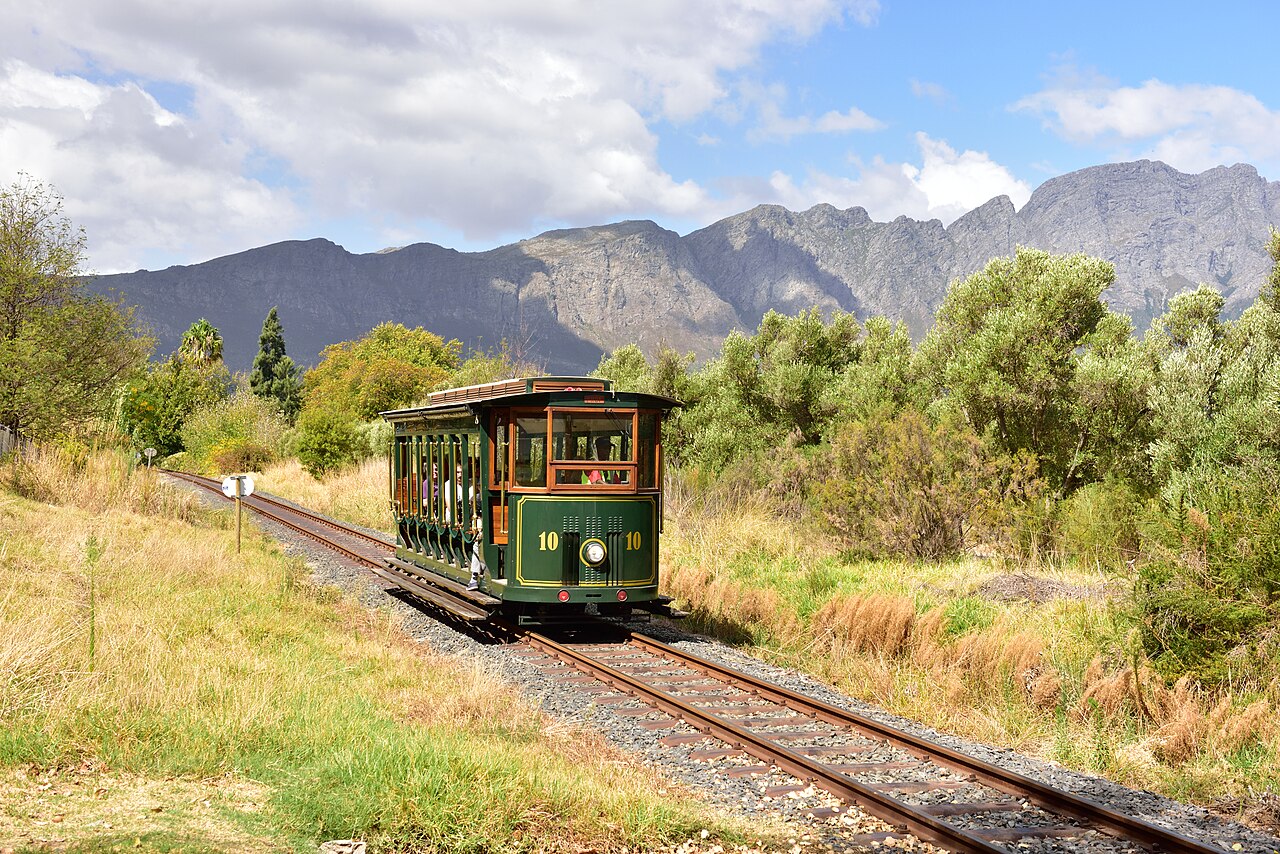
A wine excursion works best when you choose a small number of estates for a reason: a grape you want to understand, a particular landscape or a lunch that fits your budget. Constantia is useful for a Cape Town-based day; Stellenbosch and Franschhoek can justify staying overnight if wine and food are central to the trip.
Book a driver, organised excursion or an appropriate local transport option before tasting. Do not make the return drive depend on judging how little alcohol you have consumed. Ask about advance reservations, tasting formats, food, children and non-alcoholic alternatives. Tasting charges, lunch and cellar tours are not automatically included in one reservation. If you are the designated driver, choose not to drink and make that choice at the start.
Take a beginner surf lesson at Muizenberg
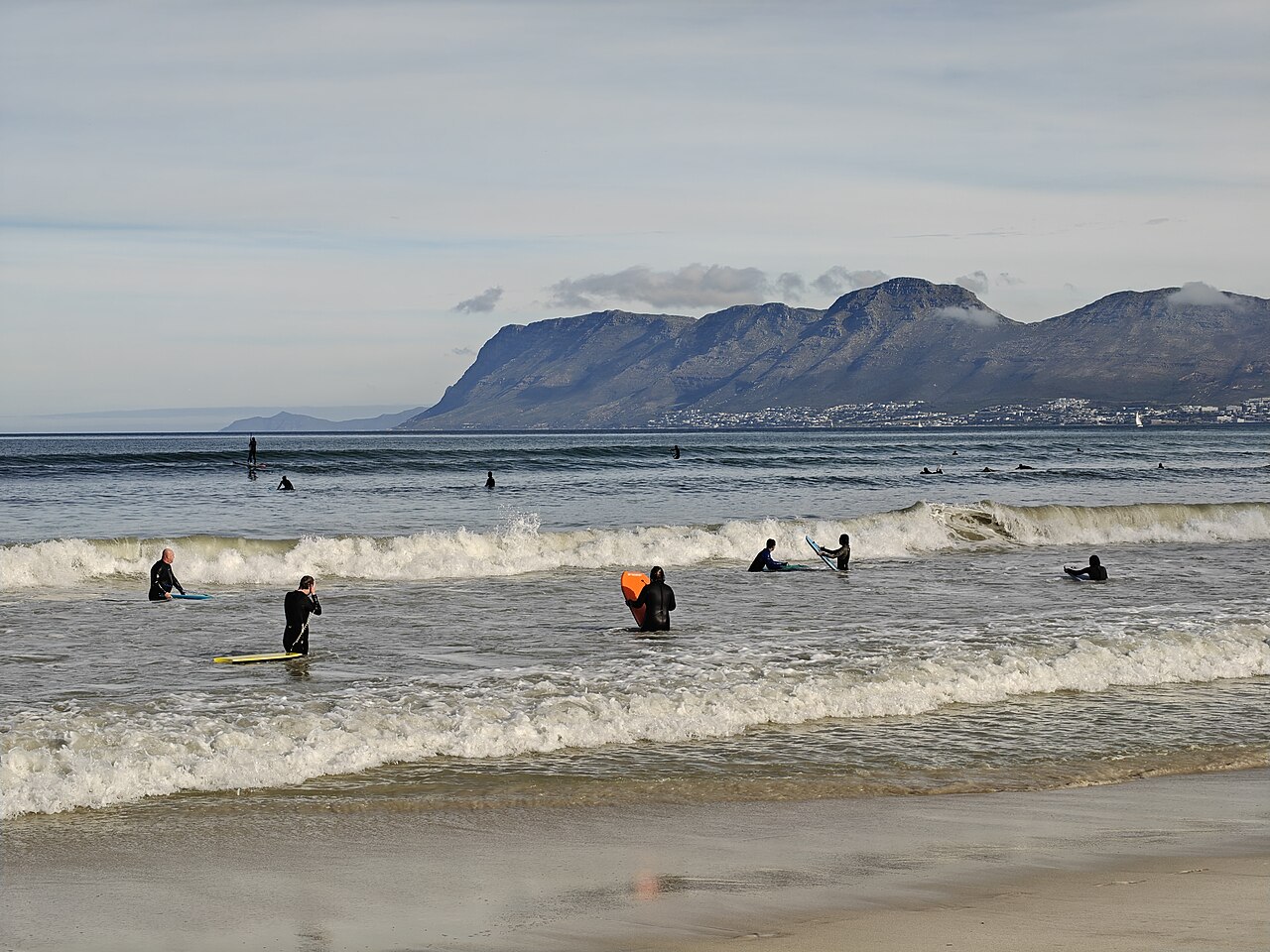
For a first surf session, instruction and suitable conditions matter more than the photographic backdrop. Muizenberg's Surfers' Corner has established surf schools; the City of Cape Town identifies the area as a beginner surfing location. Ask the school about instructor ratios, equipment fit, changing facilities and what happens if the sea is unsuitable.
A lesson is not a guarantee that conditions will suit every person on every day. Tell the instructor honestly about swimming confidence and previous experience. Follow local beach notices and the instructor's assessment, and keep lessons within the designated teaching area. Bring dry clothing and leave valuables securely stored rather than unattended on the sand. Keep clear of seals and follow the current coastal wildlife health advice when planning a lesson.
Choose a locally guided heritage visit
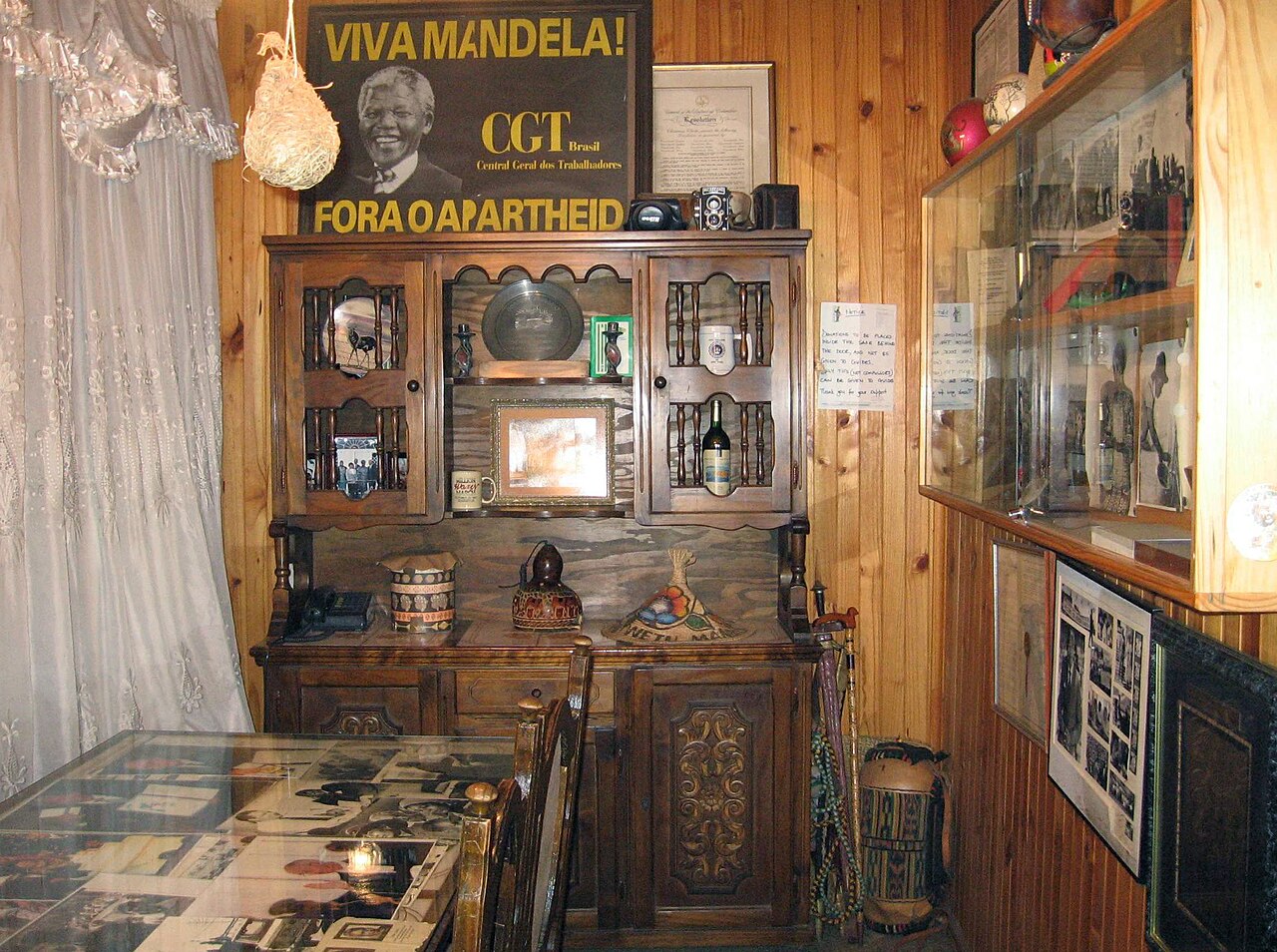
In Soweto or Cape Town, a thoughtful local guide can connect public history with present-day neighbourhood life. Look for a clearly described route, realistic group size and an explanation of who runs the business. A visit should involve conversation, historical context and places that welcome visitors, rather than treating residents' homes or hardship as a spectacle.
Ask what is included, where the visit begins and ends, and whether any museum or meal charges are separate. Obtain permission for portraits, especially photographs involving children. A guide's invitation does not substitute for an individual's consent. Keep the day flexible enough to listen, and avoid combining a serious memorial visit with a rushed list of unrelated stops.
Book around the experience, not just the departure time
Read the meeting-point instructions, transfer arrangements, physical requirements and cancellation terms together. A tour advertised as lasting three hours may require substantial travel before and afterwards. Save the operator's contact details and confirm whether a missed pickup, severe weather or a closed attraction is covered by the same policy.
Spread demanding activities across the trip. An early safari departure after a late flight, a mountain hike after a wine day or a long drive immediately after an ocean activity can turn an appealing plan into an exhausting one. Reserve unstructured time for a second attempt when weather changes the schedule.
Things to do in South Africa: frequently asked questions
Which experiences should a first visit prioritise?
Start with your strongest interest and your available regions. A Cape Town stay, several safari nights and one additional regional experience make a more workable first trip than trying to cross the entire country.
Do I need to book every activity in advance?
Reserve limited-capacity activities, specialist guides and any experience central to your route. Leave simpler walks and flexible city time unbooked, while checking access and local conditions before going.
Can I combine a wine tasting day with self-driving?
Use a driver or organised transport if you intend to drink. Compare the full transport arrangement and final drop-off, rather than booking tasting slots first and deciding how to return later.
Are wildlife sightings guaranteed on a safari?
No. Wild animals move freely and sightings depend on conditions and chance. Choose good guiding and enough time in a suitable habitat rather than promises of particular animals.



