
AFRICA · SOUTH AFRICA GUIDE
South Africa Health, Safety & Useful Contacts
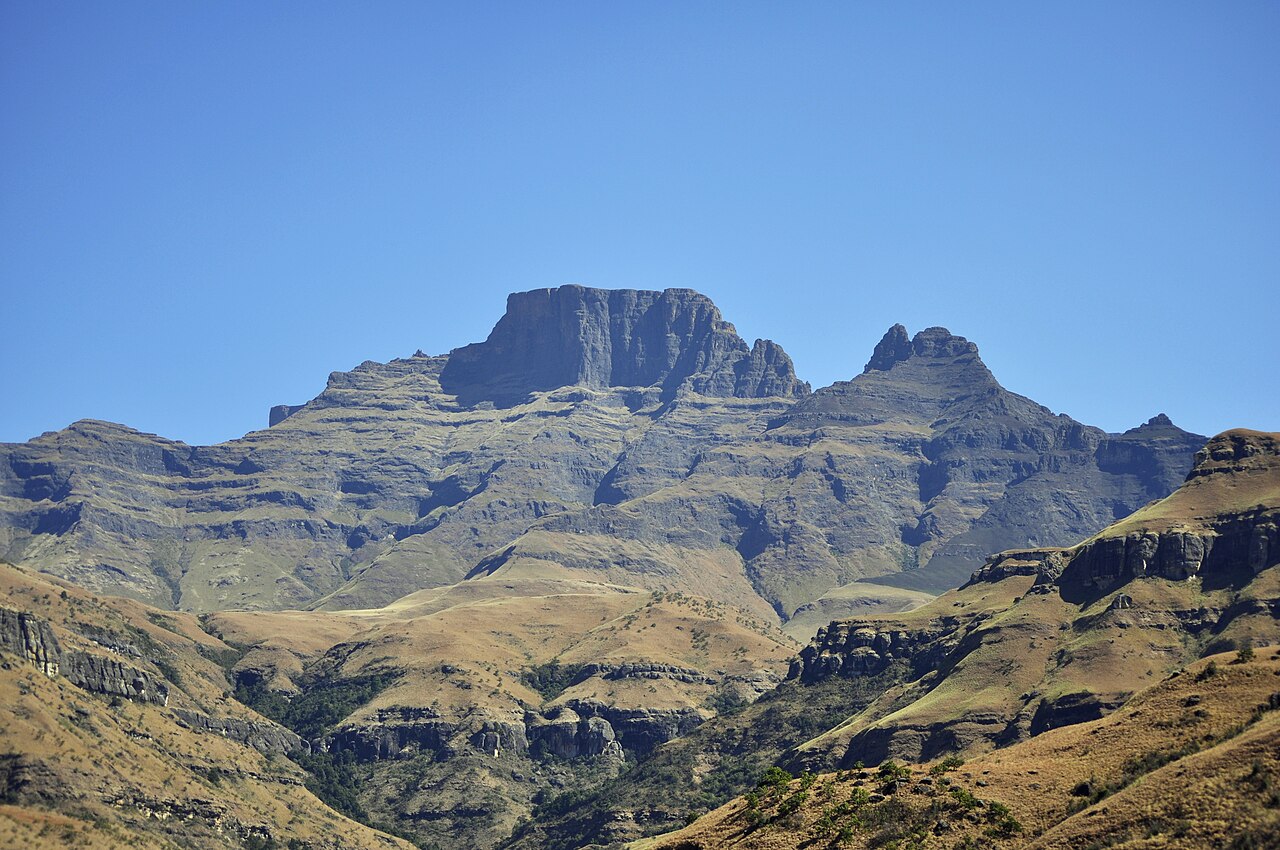
Plan South Africa with attention to the exact place, journey and activity. Practical preparation matters more than describing the whole country with a single safe-or-unsafe label. Check current official advice, arrange dependable arrivals, choose accommodation with suitable access and discuss local conditions with people responsible for your stay. Health planning also varies by route: a Cape holiday and a northeast safari do not create identical needs.
Before travel: build a useful safety plan
Read your government's current travel advice and check whether your insurer covers the complete itinerary. List activities such as safari, hiking, diving or an adventure excursion accurately when comparing cover. Establish how to contact the insurer from abroad and whether it requires approval before arranging non-emergency treatment or changing travel plans.
Keep a small offline file with accommodation contacts, transfer details, emergency numbers, policy information and copies of essential documents. Share the route with someone you trust, particularly when moving between remote bases. Agree a sensible way to check in without publishing your live location or accommodation address to everyone online.
Ask each property about the route to its entrance, late-arrival arrangements, parking and local advice. Specific questions produce better answers than “Is the area safe?” Ask whether a proposed evening walk is appropriate, where to wait for a ride and which approach road the property recommends today.
Everyday security and valuables
The Department of Tourism's safety guidance recommends securing important documents and protecting personal possessions. Carry only what the day's plan needs. Keep spare payment cards and document copies separately so that one lost bag does not remove every backup at once.
Photographers should plan where equipment comes out of the bag. A quieter moment with a large camera is not automatically the best choice if the location is isolated. Use an appropriate guide or established viewpoint where that improves the visit. Keep lens changes and equipment sorting out of busy arrival areas, and do not leave a camera bag visible inside a parked vehicle.
For evenings, arrange the return journey before setting out. Wait for an app-based car in a suitable place, verify its details and avoid accepting an unsolicited replacement. If a neighbourhood or route feels different from what you expected, change the plan. A paid ride is a reasonable part of the day's budget rather than a failure to explore independently.
Roads, airports and local advice
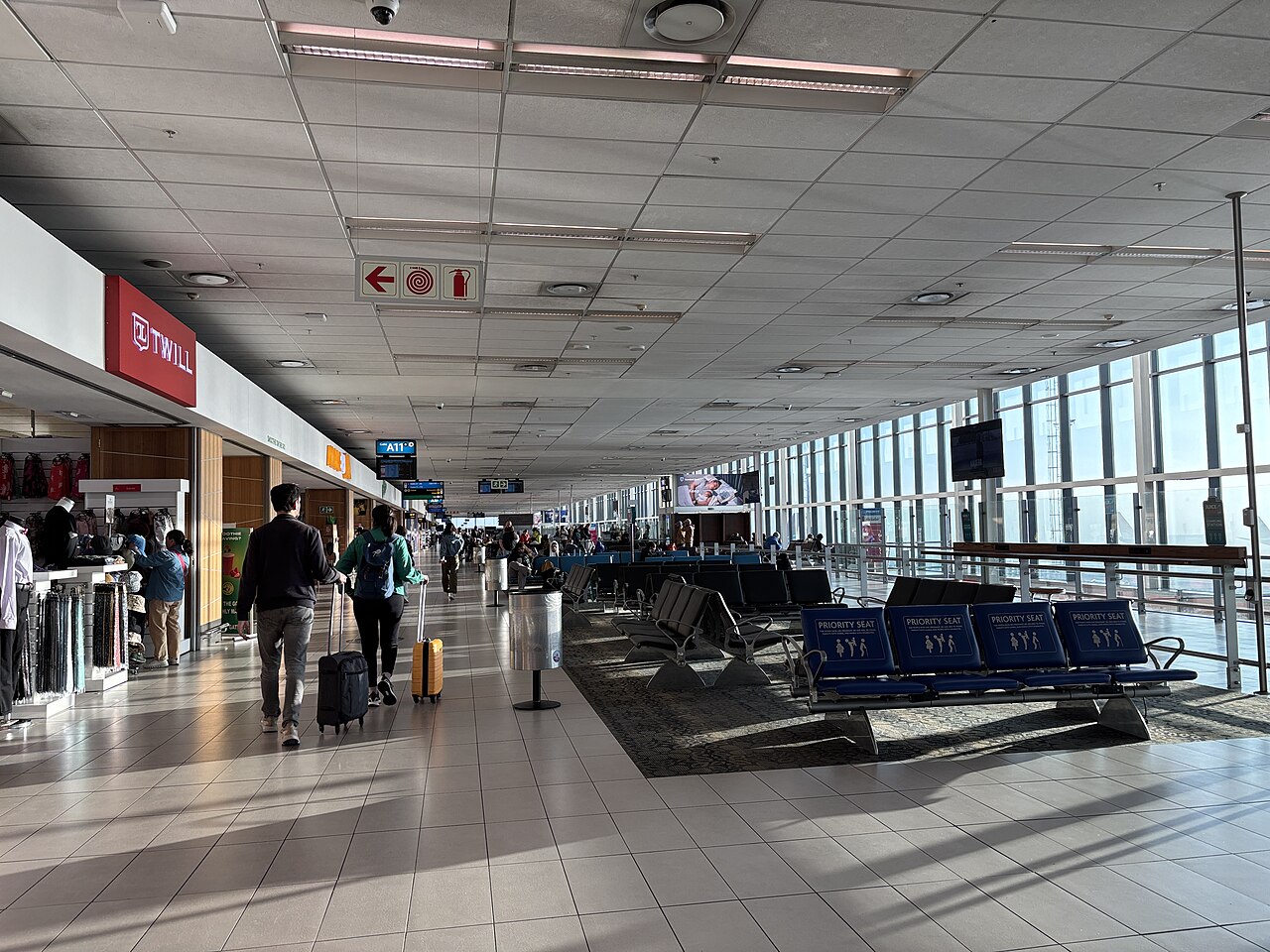
Current FCDO safety advice covers airport approaches, vehicle crime, protests and specific park-access concerns. Review the sections that apply to your route, including Cape Town airport approaches and the warning about the Numbi Gate approach to Kruger. Avoid treating a navigation shortcut or an older directions page as a current safety recommendation.
Ask your accommodation or lodge to confirm the approach shortly before travel. Keep enough time to arrive in daylight and avoid an itinerary that depends on rushing. If a road is blocked by a protest or flooding, obtain a suitable alternative rather than trying to pass through. The Getting Around guide explains rental and driving preparation.
Keep doors locked, valuables out of view and luggage stored before driving. Physically check that the vehicle has locked when leaving it. Do not pause a journey in an isolated place simply to rearrange bags or search for a booking reference; choose a suitable staffed stop when possible.
Health preparation and malaria
Arrange a travel-health appointment early enough to discuss your route, existing conditions, routine vaccinations and medicine supply. Bring the actual destinations and dates, not just “South Africa”. Mention pregnancy, young children, immune suppression or previous medication reactions when relevant to the advice.
CDC's South Africa guidance identifies malaria transmission in specific northeastern areas, including Kruger National Park. It does not describe the entire country as a malaria area. Prevention recommendations depend on exact location and individual circumstances. Discuss bite avoidance and any preventive medication with a qualified clinician instead of choosing tablets from a general packing list.
The National Institute for Communicable Diseases maintains malaria guidance and risk information. A property marketed as malaria-free should be checked against the actual route, including any additional nights or excursions. A different safari region may suit some families, but itinerary decisions should follow individual medical advice.
Seek prompt medical assessment for fever during or after travel in a malaria-risk area, and tell the clinician where you travelled. Do not wait for the next sightseeing stop because the symptom initially resembles a common illness. Carry enough essential medication in appropriate labelled packaging and keep the prescribing information available.
Food, water and animal contact
Ask the accommodation about the current local water situation. Follow public notices after supply interruptions or flooding. Choose drinking water you know is suitable, and remember that a remote camp and an urban hotel may have different arrangements. Keep hand hygiene supplies accessible on driving and safari days.
Avoid touching or feeding wild animals, including animals that appear accustomed to visitors. Keep children close enough to supervise. An animal encounter does not become harmless because it takes place at a scenic viewpoint, beach or lodge. Follow the guide's instructions and the rules for remaining inside vehicles in wildlife areas.
After an animal bite or scratch, immediately wash the wound thoroughly with soap and water for at least 15 minutes and obtain urgent medical assessment. Animal saliva reaching broken skin, the eyes or the mouth also needs urgent assessment. Do not wait for symptoms or rely on an animal appearing healthy. The WHO rabies guidance explains why prompt post-exposure care matters; prior vaccination does not remove the need for medical care. Report the animal and location without trying to catch it.
CDC currently reports a rabies outbreak in Cape fur seals in South Africa and Namibia. Stay away from seals and avoid activities involving close contact, even when an operator says they are safe. If you plan to surf or take part in other coastal watersports, discuss pre-exposure rabies vaccination with a travel-health clinician. A seal bite needs immediate medical attention, including if you were vaccinated before travel.
Hiking, ocean conditions and weather
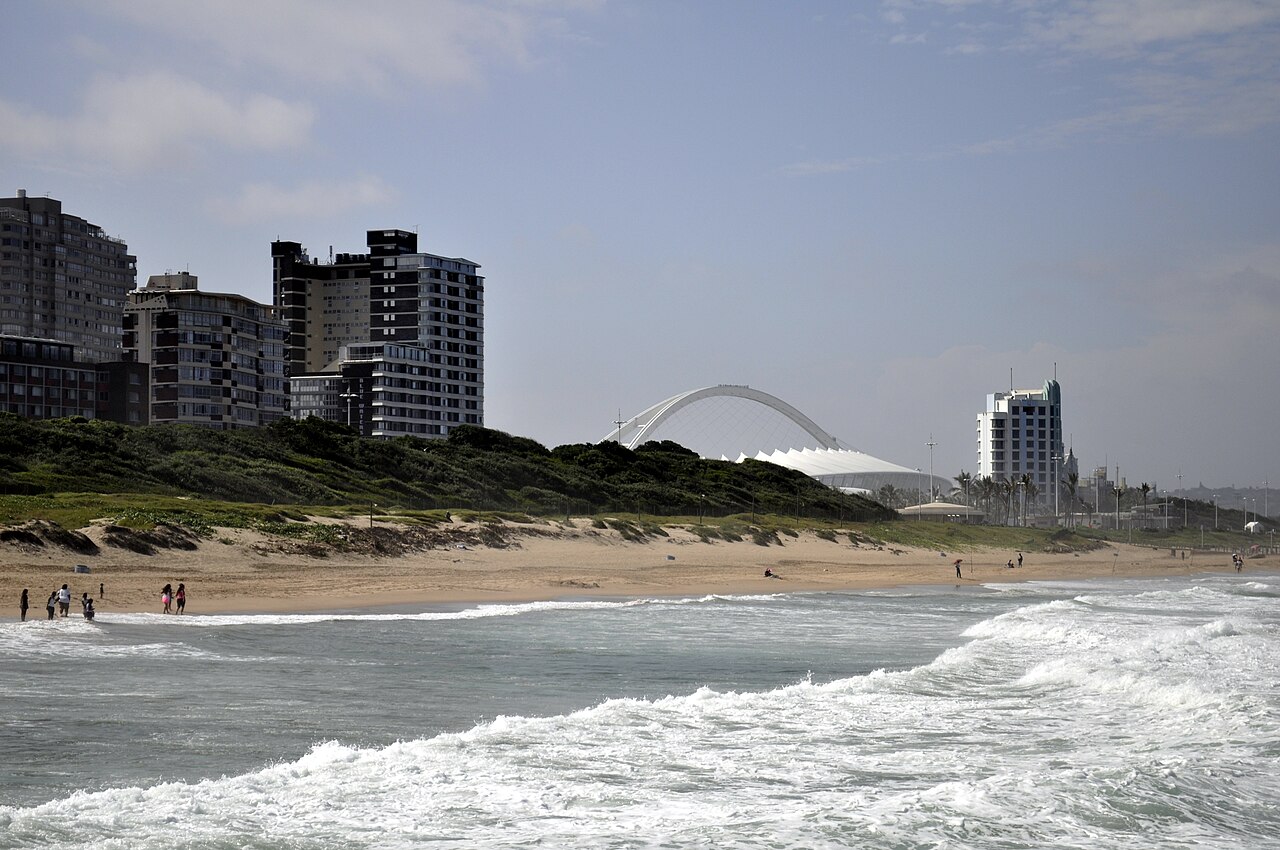
Choose a trail that fits the least experienced member of the group. Check the weather, closures, daylight and return transport. Carry water, sun protection and an additional warm layer even when the start is warm. A familiar-looking mountain path can become a different undertaking in wind, cloud or falling temperatures.
Use a guide where local route knowledge and group management improve the plan. Tell someone your intended route and expected return. Do not assume a cable car, boat or road will remain available merely because it operated earlier in the day. Keep a fallback that does not depend on the same weather-sensitive service.
At the coast, follow current beach notices and lifeguard instructions. A beautiful beach is not automatically a suitable swimming place. Conditions can change between neighbouring beaches and during the day. The Beaches guide distinguishes scenic visits from swimming choices; ask locally before entering the water.
Emergency contacts and how to use them
On a small screen, scroll the table sideways to compare all columns.
| Service | Number in South Africa | Use |
|---|---|---|
| Mobile emergency | 112 | Urgent assistance from a mobile phone |
| Police emergency | 10111 | A crime in progress or immediate threat |
| Ambulance / fire | 10177 | Medical or fire emergency |
These contacts are listed by the Western Cape Government and the FCDO getting-help page. Give your location, the nearest clear landmark, a callback number and the nature of the incident. Ask a nearby responsible staff member to help communicate the address if necessary.
The South African Police Service explains that 10111 is for emergencies. Use the nearest police station for non-urgent reports and retain any case or reference number needed for insurance. Contact your insurer and your own consular service after immediate safety and medical needs are addressed.
A data-only travel eSIM is not an ordinary voice plan. Confirm how you can make emergency calls and contact local providers before heading somewhere remote; mobile coverage is also a separate issue. Ask lodges about their own emergency communication and evacuation arrangements.
Health & Safety FAQ
Is malaria prevention needed everywhere?
No. Risk is concentrated in specific northeastern areas, including Kruger. Discuss your exact itinerary and personal circumstances with a travel-health professional; a countrywide yes-or-no answer is insufficient.
What should I do after an animal bite, scratch or saliva exposure?
Wash any bite or scratch promptly with soap and water for at least 15 minutes, and get urgent medical assessment. Tell the clinician about saliva contact with broken skin, eyes or mouth, too. Do not wait for symptoms; previous vaccination does not remove the need for post-exposure care.
Which emergency number should I save?
Save 112 for mobile emergencies, 10111 for police emergencies and 10177 for ambulance or fire assistance, plus your accommodation and insurer. Learn the address of the place where you are staying.
Can I rely on a navigation app for every route?
Use it alongside current official warnings and advice from the property or lodge. Check airport approaches and park access in advance, and avoid blindly accepting shortcuts through unfamiliar areas.



