
AFRICA · SOUTH AFRICA GUIDE
South Africa Attractions: Major Sights and Where They Fit
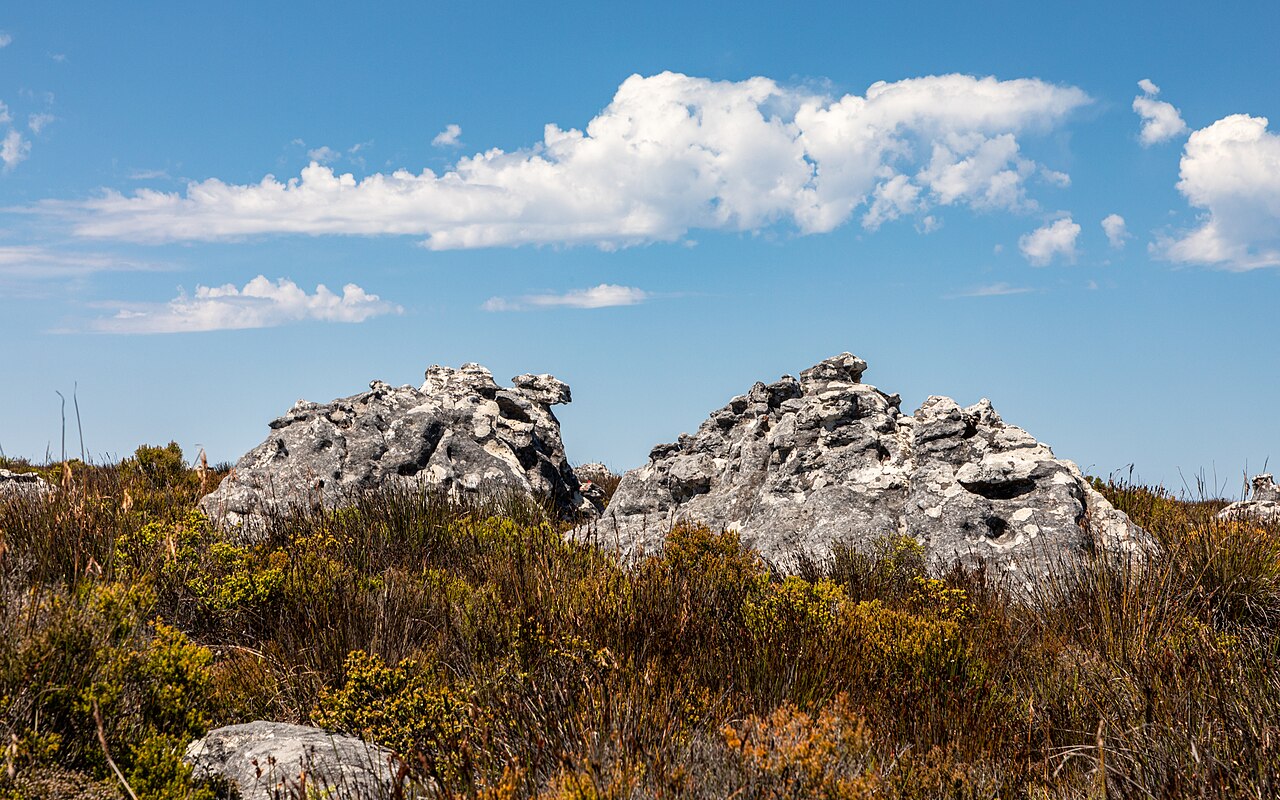
South Africa's major attractions are spread across a country large enough that regional choices matter. Cape Town and the Cape Peninsula form one practical sightseeing cluster. Kruger and the Panorama Route form another. The Drakensberg and KwaZulu-Natal wetlands require their own travel time. Choose attractions that work together geographically instead of treating this page as a route to complete in order.
The selections below serve different interests: scenery, political history, wildlife, archaeology and mountain landscapes. They are not ranked by an invented score. Check the official manager's current access information before paying for accommodation or transport around a particular visit. For activities such as lessons, tastings and guided encounters, see things to do in South Africa.
Compare sights by region
On a small screen, scroll the table sideways to compare all columns.
| Attraction | Region | Main reason to visit | Planning priority |
|---|---|---|---|
| Table Mountain | Cape Town | City and coastal panorama | Weather flexibility |
| Cape Point | Cape Peninsula | Fynbos, cliffs and coastal scenery | Full peninsula travel time |
| Robben Island | Table Bay | Imprisonment and resistance history | Official tour and sea conditions |
| Kruger | Northeast | Large wildlife landscapes | Several nights and the correct gate |
| iSimangaliso | KwaZulu-Natal | Wetlands, coast and habitat variety | Choose a specific park section |
| Drakensberg | KwaZulu-Natal mountain belt | Escarpment scenery and rock-art heritage | Access valley and walking ability |
| Blyde River Canyon | Mpumalanga | Panorama Route landscapes | Daylight and road conditions |
| Maropeng | Gauteng | Human origins interpretation | Arrange return transport |
Table Mountain
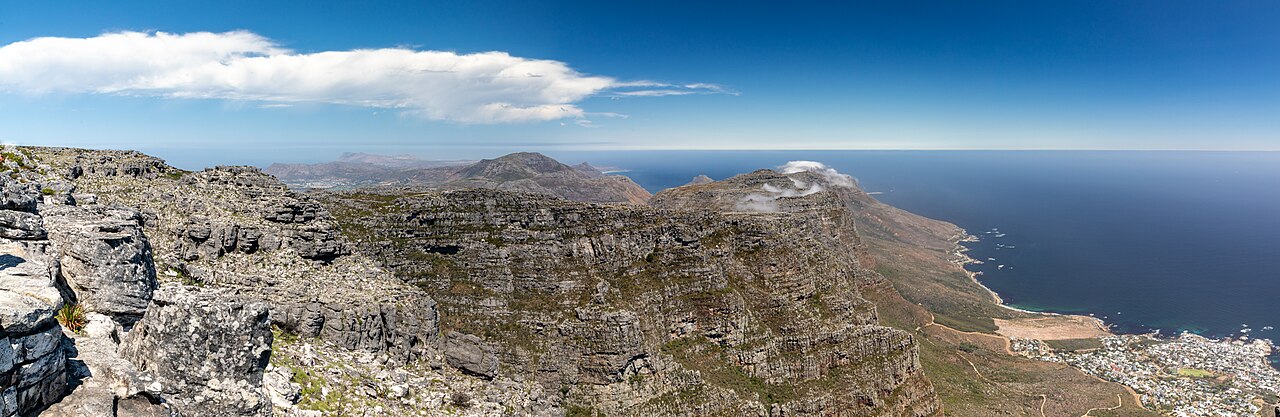
Table Mountain helps make sense of Cape Town's geography: the city, surrounding peaks and Atlantic coast become a single landscape from above. A cableway visit and a mountain hike are different undertakings. Choose the cableway if the view is the main objective; choose a suitable guided hike only if the group has the fitness, equipment and weather window for the route.
Leave room to move the visit when wind, cloud or operating conditions intervene. Do not rely on a cable-car descent as the only exit from a demanding hike. Consult the cableway's official operation notices and SANParks mountain safety guidance. Even a short walk at the summit needs attention to weather, paths and return times.
Cape Point and the Cape of Good Hope
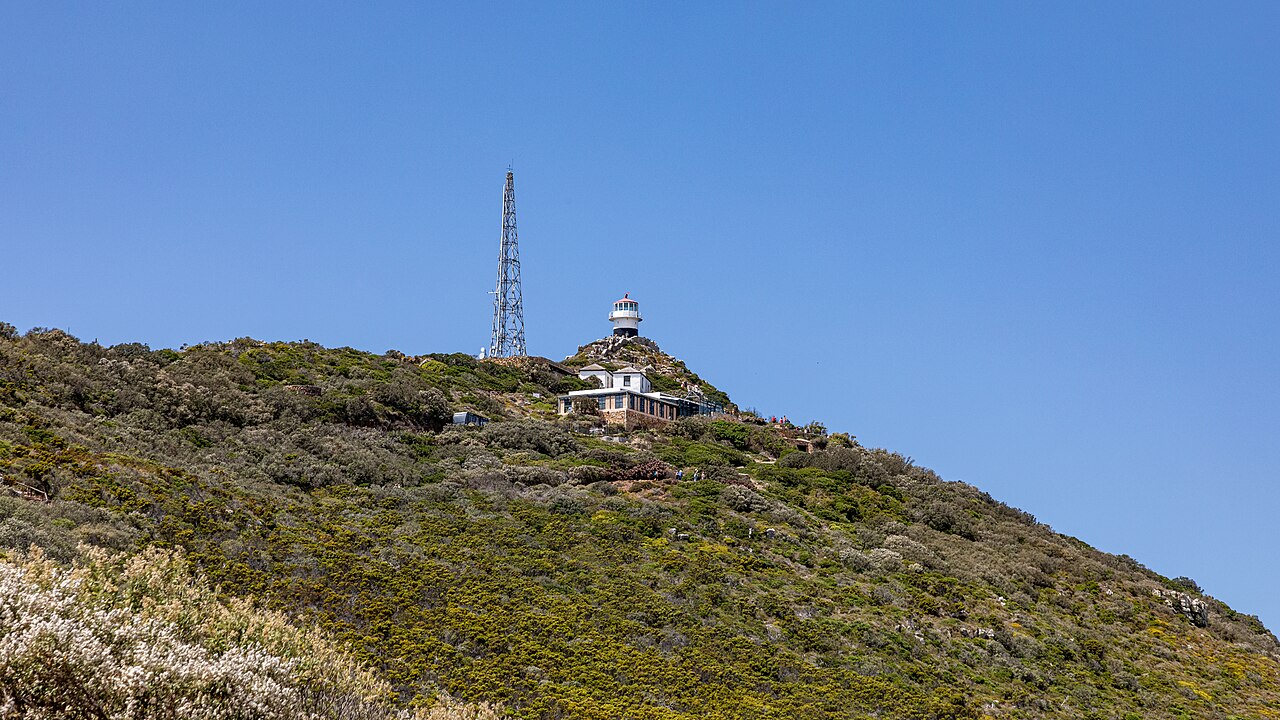
Cape Point is a landscape visit rather than a single photograph beside a sign. Clifftop views, fynbos and open coastal country reward an unrushed part of a peninsula day. The Cape of Good Hope and Cape Point are distinct nearby landmarks; neither should be described as Africa's southernmost point, which is Cape Agulhas.
Driving through the peninsula, visiting Boulders and stopping for lunch can easily fill a day before extra detours are added. Start with the protected area's entrance and exit conditions, then choose a limited number of stops. Keep food secured from baboons, observe wildlife from a distance and avoid walking onto exposed rocks to obtain a more dramatic photograph. The Table Mountain National Park information covers this protected peninsula landscape.
Robben Island
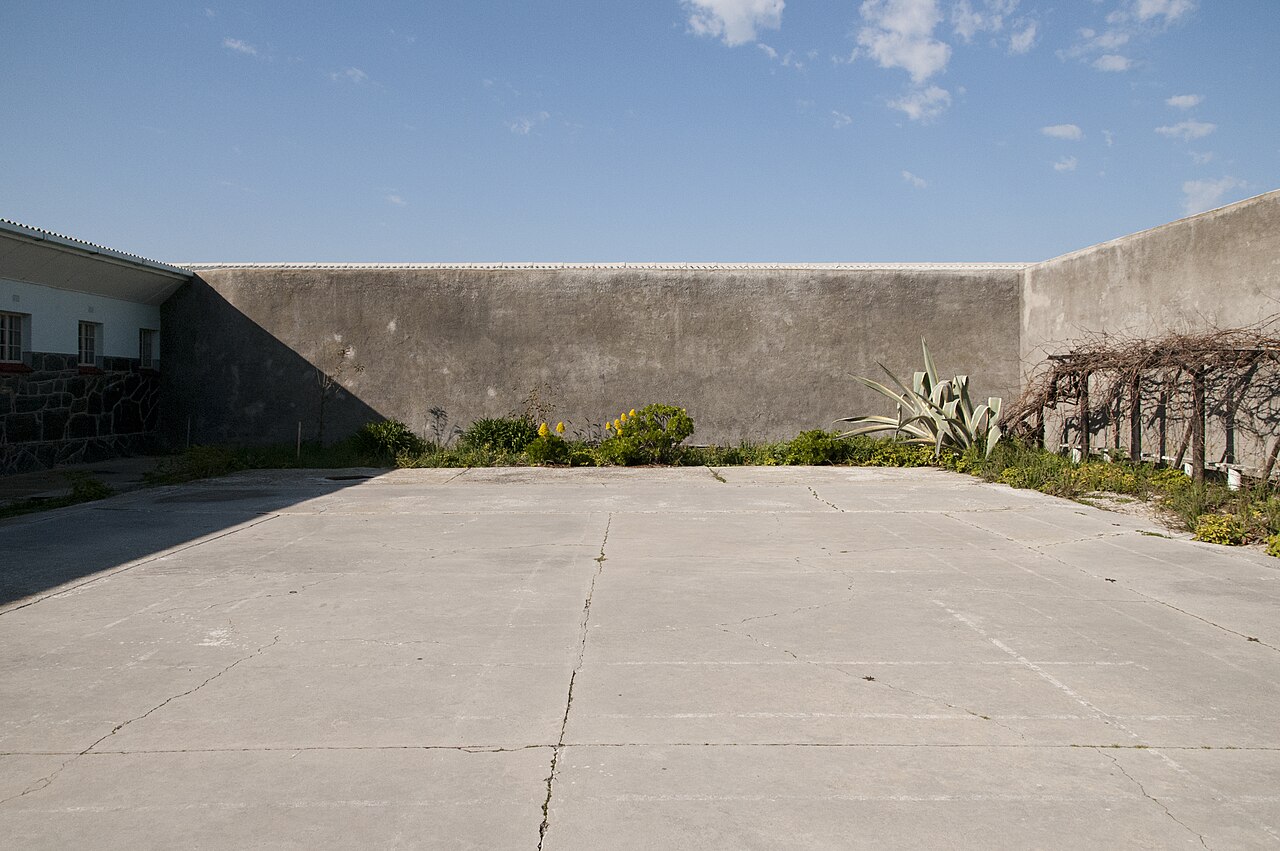
Robben Island's significance lies in its layered history and its role in imprisonment under apartheid. Give the tour your attention as a heritage experience rather than treating it as an island excursion with a famous cell. The museum's standard visit includes ferry travel and guided interpretation; allow roughly half a day rather than squeezing it between distant reservations.
Book through the Robben Island Museum and follow the instructions for your actual departure. Rough sea or weather can affect sailings, so avoid leaving the visit until your last available hours. The museum distinguishes its standard tour from a longer walking product. Read the selected ticket carefully and check photography restrictions; personal camera use does not automatically permit drones, tripods or commercial photography.
Kruger National Park
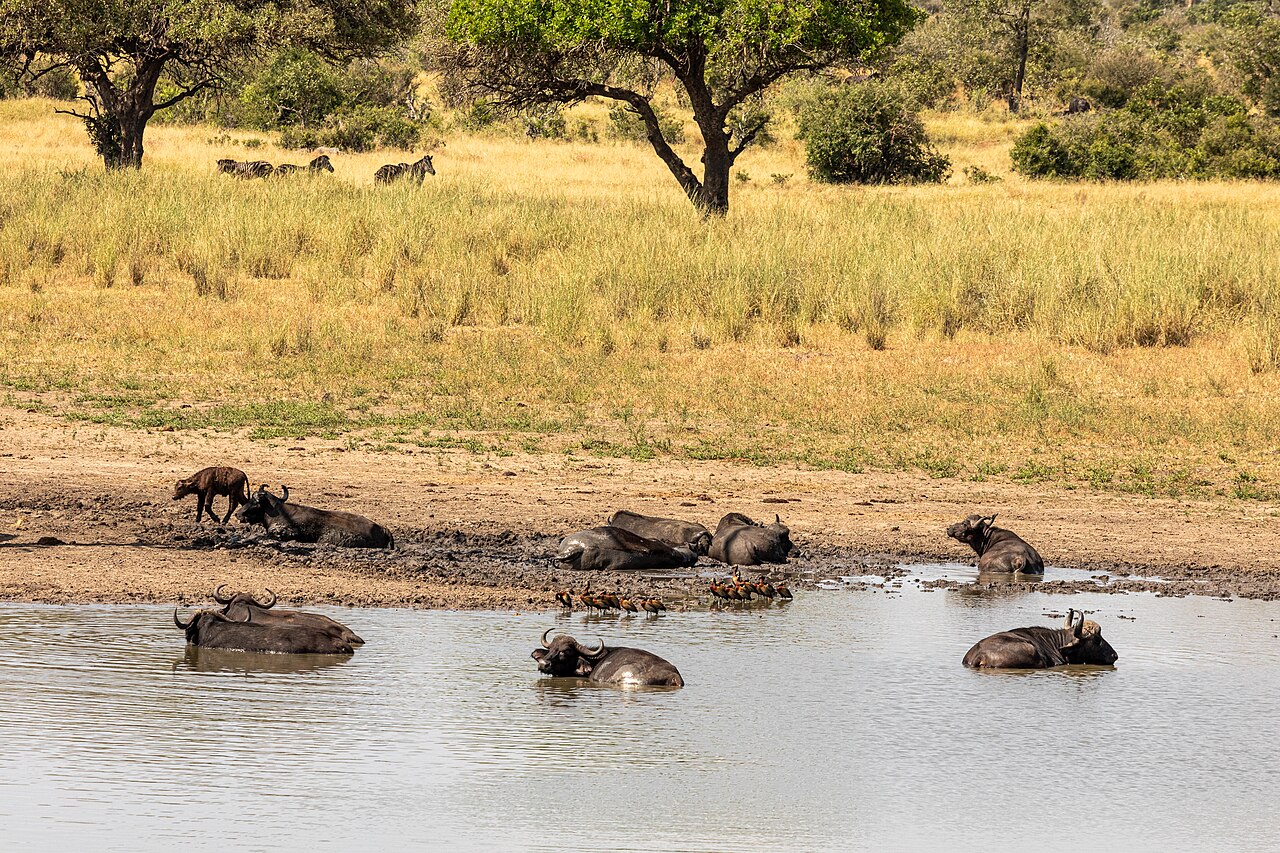
Kruger is a large wildlife destination whose value comes from time in the landscape. Several nights give more opportunity to explore at a patient pace than a single rushed drive through a gate. Accommodation inside the park, lodgings outside it and private reserves in the broader area create different daily routines and inclusions.
Match your arrival airport or road approach to the actual camp and gate. Distances inside a park take longer than an ordinary highway journey because speed limits, animal sightings and gate rules govern progress. Plan dawn and late-afternoon observation around the permitted schedule. Our safari guide explains self-drive and guided options; the park manager remains the source for current roads, gates and conservation fees.
iSimangaliso Wetland Park
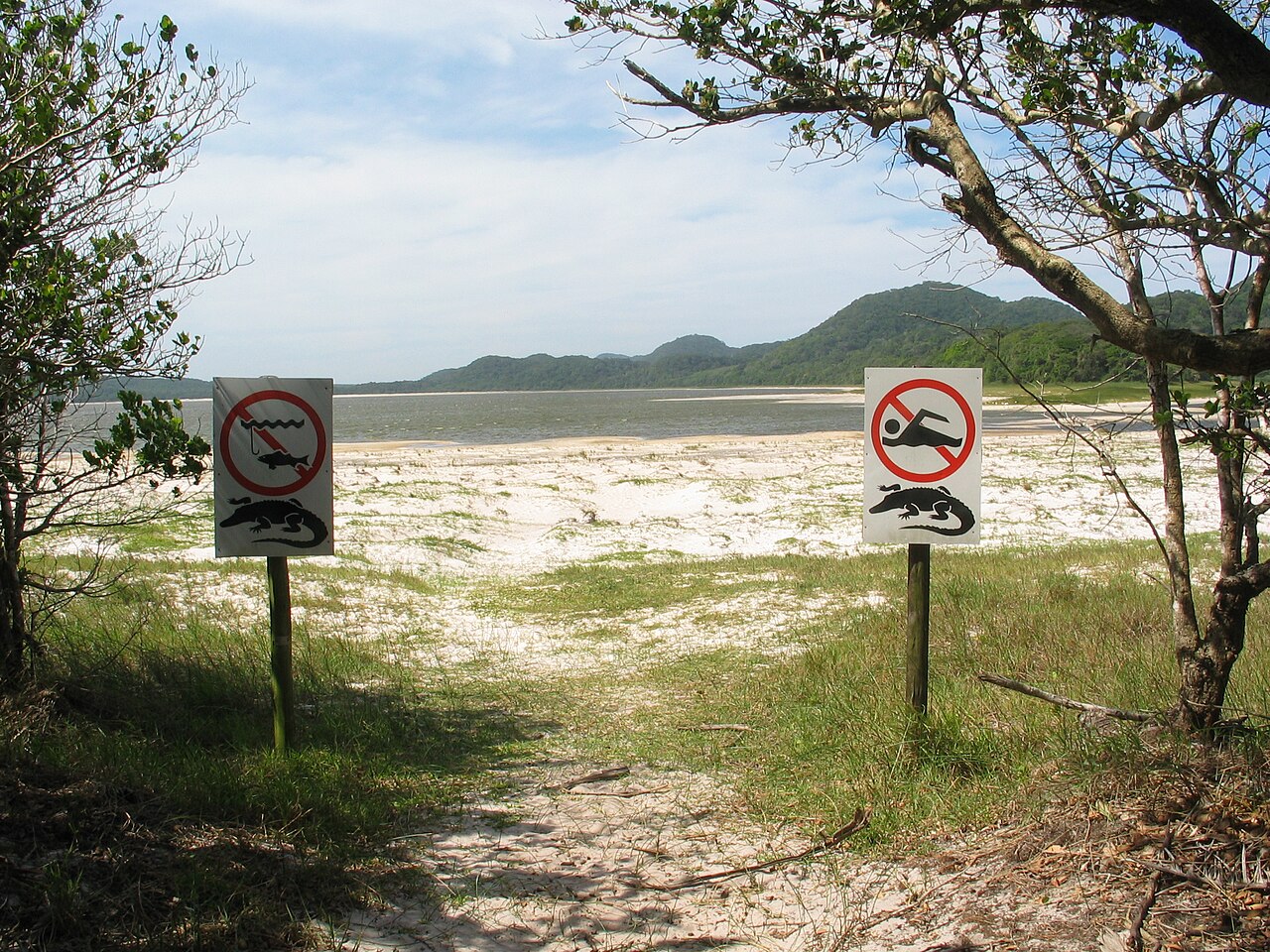
iSimangaliso combines a series of coastal and wetland landscapes along KwaZulu-Natal. A stay around St Lucia can introduce estuary scenery and excursions, but it does not mean the entire protected area is within easy reach. Decide which section and activity you want before choosing a base, especially if diving, lake outings or remote coastal areas are the priority.
Use the park authority's information to check access and authorised activities. Water, wildlife and beach activities have distinct conditions and should not be treated as interchangeable. Keep away from hippos on land and around water, remain within permitted visitor areas and confirm transport for excursions finishing away from your accommodation.
The Drakensberg and Maloti-Drakensberg heritage landscape
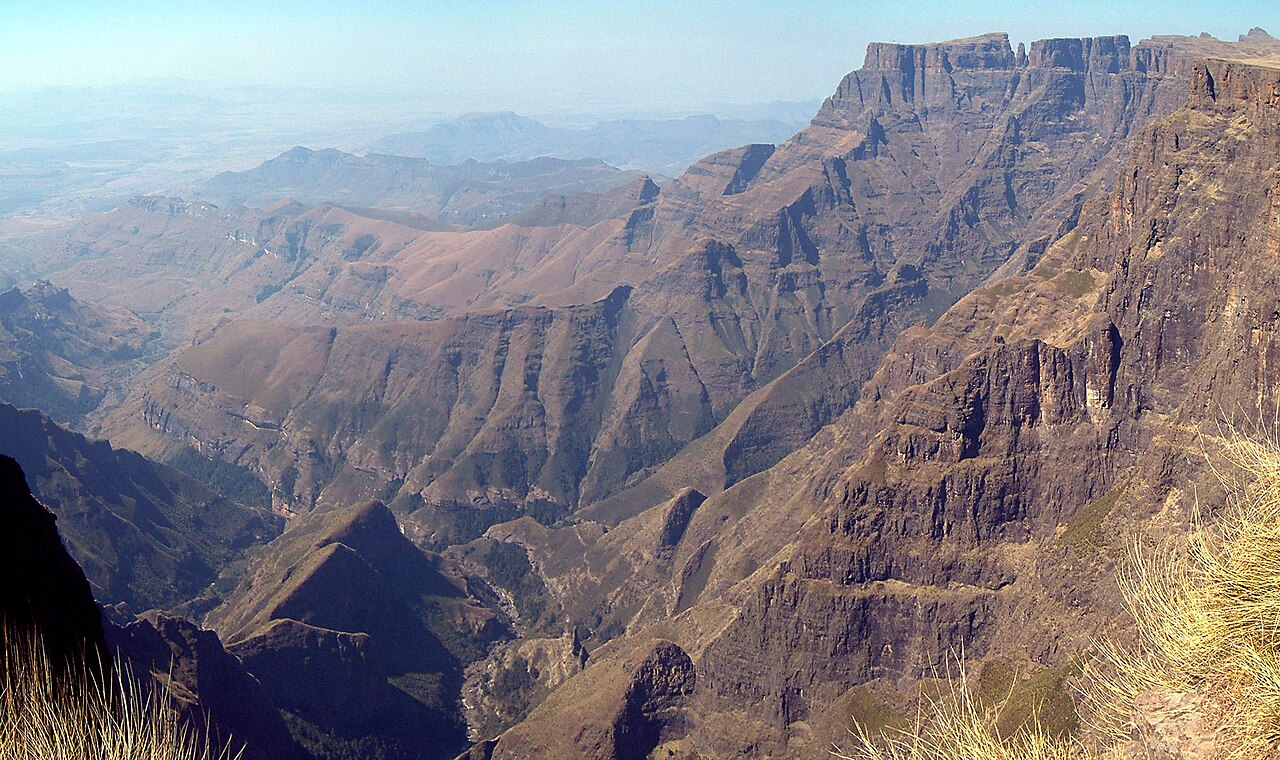
The Drakensberg offers dramatic mountain scenery, walking and San rock-art heritage. The Maloti-Drakensberg World Heritage property spans South Africa and Lesotho; a view of the mountains does not mean every trail, border crossing or cultural site shares one entrance or permit.
Choose a valley or access area and stay close to the walks you intend to do. An easy lower-level outing can provide a rewarding mountain day without undertaking an exposed summit. Weather changes, steep ground and distance from help make route selection important. Visit rock-art sites through the appropriate managed or guided arrangements, and never touch or wet the paintings to make photographs appear brighter.
Blyde River Canyon and the Panorama Route
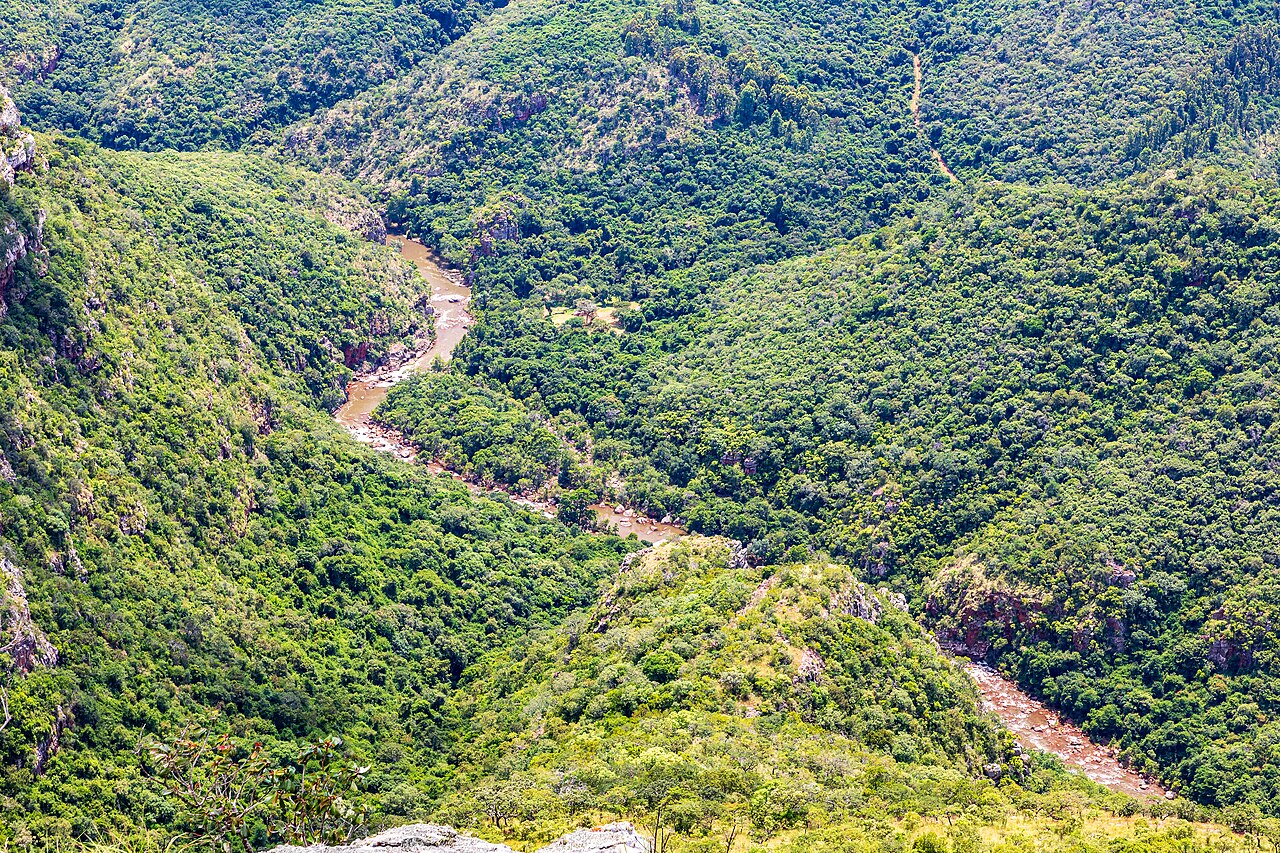
Blyde River Canyon fits naturally with Mpumalanga's Panorama Route and a broader northeast journey. Viewpoints are separated by real driving distances, entrance arrangements and roads that require daylight planning. Choose the stops that interest you most instead of making every lookout compulsory. Mist can transform visibility, so a full list of reservations timed to the minute is fragile.
Keep the final drive to your next accommodation realistic. A viewpoint day ending near Graskop is different from a day that must also reach a particular Kruger gate or lodge. Confirm roads with the relevant local manager and your host, leave bags out of sight and remain within designated viewing areas. Scenic cliffs do not need an unprotected edge photograph to be memorable.
Maropeng and the Cradle of Humankind
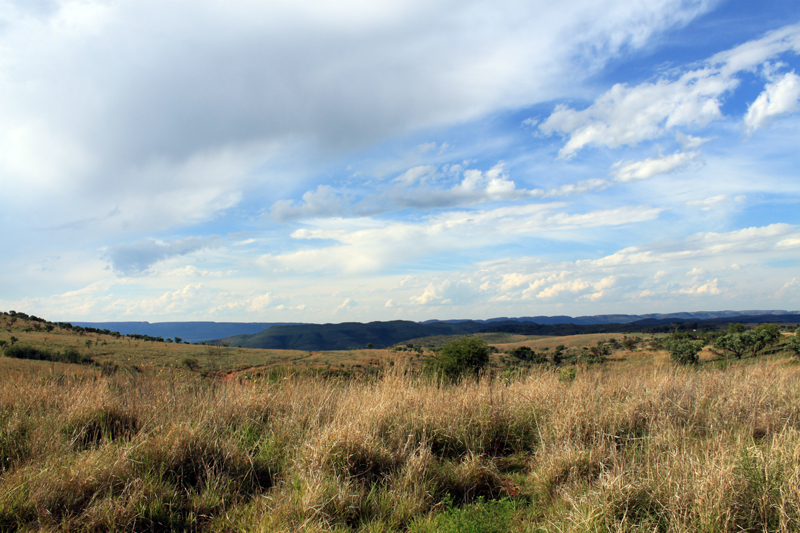
Maropeng offers an interpretive starting point for the Cradle of Humankind, west of Johannesburg. It suits travellers interested in human origins and families who want an educational stop. The visitor centre and individual fossil or cave sites are separate experiences; the heritage area's name should not be used to promise access to every archaeological location.
Check Maropeng's official visitor information and, if considering another site, its own operating status and physical requirements. Arrange the outward and return journey together rather than assuming an easy spontaneous pickup in a rural area. Allow time to absorb the exhibitions instead of combining them with several distant Johannesburg stops.
South Africa attractions: frequently asked questions
Can I visit all these attractions in one week?
That would involve excessive transfers. In one week, concentrate on a single region or carefully combine two bases using a flight, leaving room for arrival and weather disruption.
Is Cape Point the southernmost point of Africa?
No. Cape Agulhas is the southernmost point. Cape Point and the Cape of Good Hope are important landmarks on the Cape Peninsula.
Should Robben Island be booked for my final day?
Choose an earlier available day if this visit matters to you. Sailings depend on conditions and an earlier booking leaves more room to respond to cancellation or changed arrangements.
Do the Drakensberg and Kruger require the same kind of preparation?
No. Mountain visits require route and weather preparation, while a Kruger visit revolves around wildlife rules, gates, drives and accommodation logistics. Plan each around its actual environment.



