
AFRICA · SOUTH AFRICA GUIDE
Best Time to Visit South Africa: Weather by Region
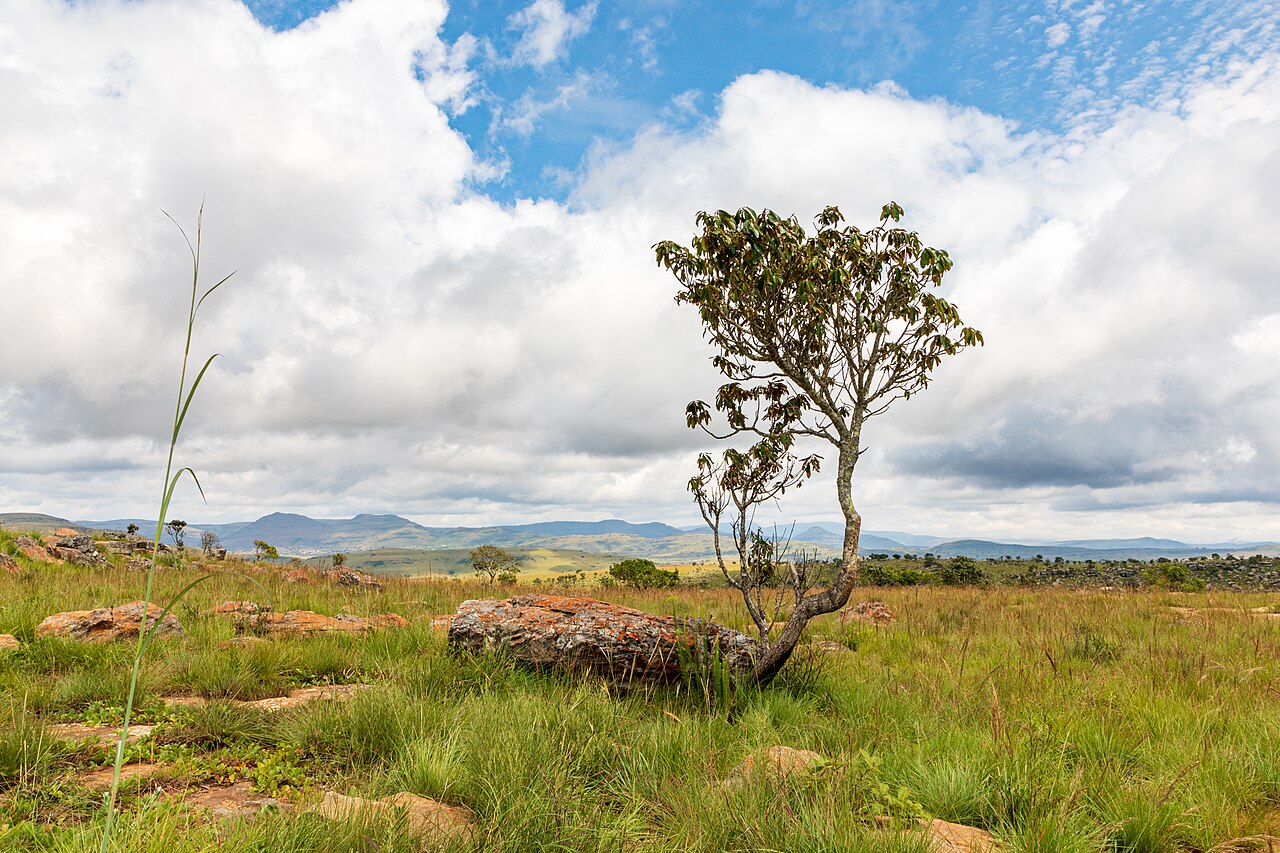
The best time to visit South Africa depends on the part of the country and the main experience. Cape Town's drier summer overlaps with the northeast's hotter rainy season; winter can suit a Kruger safari while bringing wet spells to the Cape. Choose your priority first, then look for dates that make the rest of the route workable. No single national weather average describes every stop well.
Understand the regional seasons
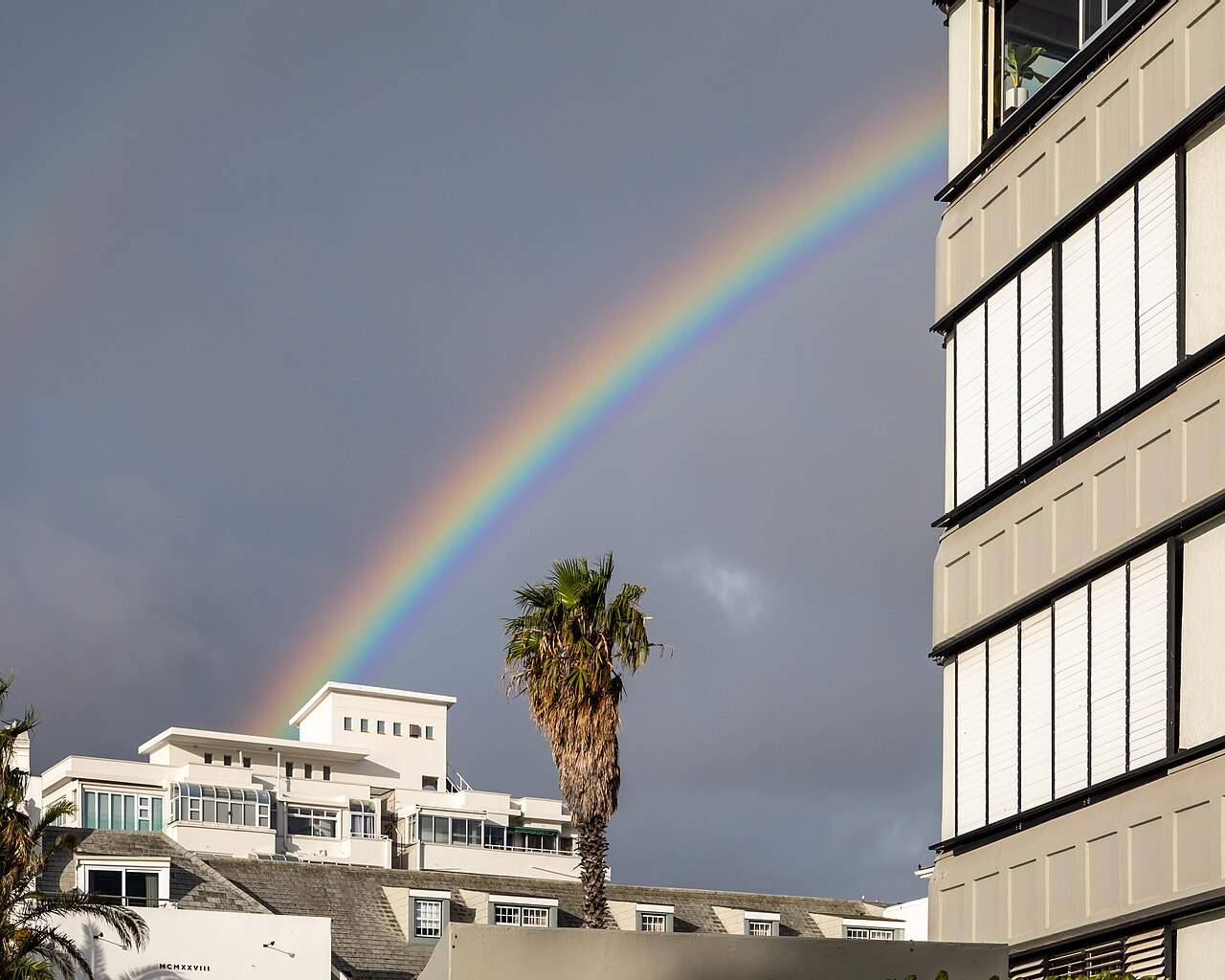
The South African government's climate overview explains the basic contrast: the Western Cape receives much of its rain in winter, while most of the rest of the country has summer rainfall. Altitude also matters. A warm coastal afternoon does not predict the overnight temperature on the interior plateau or in the mountains.
On a small screen, scroll the table sideways to compare all columns.
| Region | Broad pattern | Useful planning response |
|---|---|---|
| Cape Town and southwest Cape | Drier summer; winter fronts and wetter spells | Keep weather-sensitive mountain and boat plans flexible |
| Kruger and northeast Lowveld | Hotter summer rains; generally drier winter | Choose safari priorities and pack for cool early drives |
| Gauteng and interior plateau | Summer rain; colder winter nights | Carry layers rather than packing only beach clothing |
| KwaZulu-Natal coast | Warmer coastal conditions, with humid summer weather | Check local sea and storm conditions for the actual activity |
| Drakensberg and other high ground | Altitude changes exposure and temperatures | Use mountain forecasts and a suitable hiking plan |
The South African Weather Service describes the country's variable rainfall. Seasonal patterns help select a month, but current warnings should decide whether a particular drive, hike or boat trip goes ahead. Check again before travel days and after heavy rain.
South Africa month by month
This comparison combines typical climate patterns with practical trip planning. Natural events vary by year, and holiday demand is not a guarantee of either good weather or high prices everywhere. Check the dates and live conditions that apply to your chosen route.
On a small screen, scroll the table sideways to compare all columns.
| Month | Cape focus | Safari focus | Planning point |
|---|---|---|---|
| January | Summer coastal and city plans | Hotter, greener rainy-season conditions | Allow for holiday demand and heat |
| February | Summer outdoor plans with wind flexibility | Summer rain remains relevant | Keep weather-sensitive bookings movable |
| March | Late-summer or early-autumn touring | Transition depends on the year | Compare local events with your route |
| April | Autumn city and regional travel | Moving toward the drier period | Check Easter and school-holiday dates |
| May | Cooler Cape touring with indoor alternatives | Drier-season safari planning | Pack warm morning layers |
| June | Winter fronts can interrupt outdoor days | Dry-season viewing; cold early drives | Protect the route against short daylight |
| July | Winter city, food and heritage plans | Winter safari conditions | Do not confuse warm afternoons with warm nights |
| August | Late winter; flower planning in relevant areas | Dry-season wildlife focus | Use current flower reports |
| September | Spring touring and seasonal nature interests | Late dry-season conditions can be warmer | Natural-event timing varies |
| October | Spring city and coast combinations | Heat and changing rains become relevant | Keep a layered packing plan |
| November | Approaching summer, longer outdoor plans | Summer conditions develop | Recheck road and activity conditions |
| December | Popular summer holiday travel | Hotter rainy-season safari | Reserve key stays early and avoid rushed transfers |
Best time for Cape Town and the Cape
For a Cape-focused trip, decide whether your priority is summer outdoor time or a quieter city-and-food visit that accepts cooler weather. Cape Town Tourism's weather guide describes the Mediterranean pattern and the peninsula's microclimates. Pack a wind layer even when the general outlook is warm.
Place Table Mountain, a boat trip or another weather-sensitive experience early enough in the stay to leave a second opportunity. Avoid putting every outdoor highlight into the final day before the flight. An itinerary with a museum, neighbourhood visit or booked meal available as a fallback is more resilient than one depending entirely on clear skies.
Spring and autumn can suit travellers balancing several activities, but neither removes weather uncertainty. Compare the dates of major events, holidays and the specific accommodation you want. A shoulder-season label does not automatically mean a quiet waterfront or an inexpensive hotel on every weekend.
Best time for a Kruger safari
SANParks describes Kruger's broad dry season as April to September and the hotter rainy season as roughly October to March. Sparse vegetation and concentrated water can help dry-season viewing. Green summer landscapes offer a different experience rather than making the park closed to visitors.
Choose season alongside the safari format. A short private-reserve stay with guided drives, a family self-drive holiday and a dedicated birding trip do not share identical priorities. Ask the operator which activities suit the dates and what happens in heavy rain. Avoid treating a seasonal wildlife claim as a guaranteed sighting.
Early drives can be cold even after a warm previous afternoon. Bring a wind-resistant outer layer, warm mid-layer and comfortable clothes you can adjust during the day. The Safari guide helps compare regions and formats. Malaria advice belongs to the actual route and medical consultation, not to an assumption that one calendar month removes all risk.
Flowers, wildlife and outdoor interests
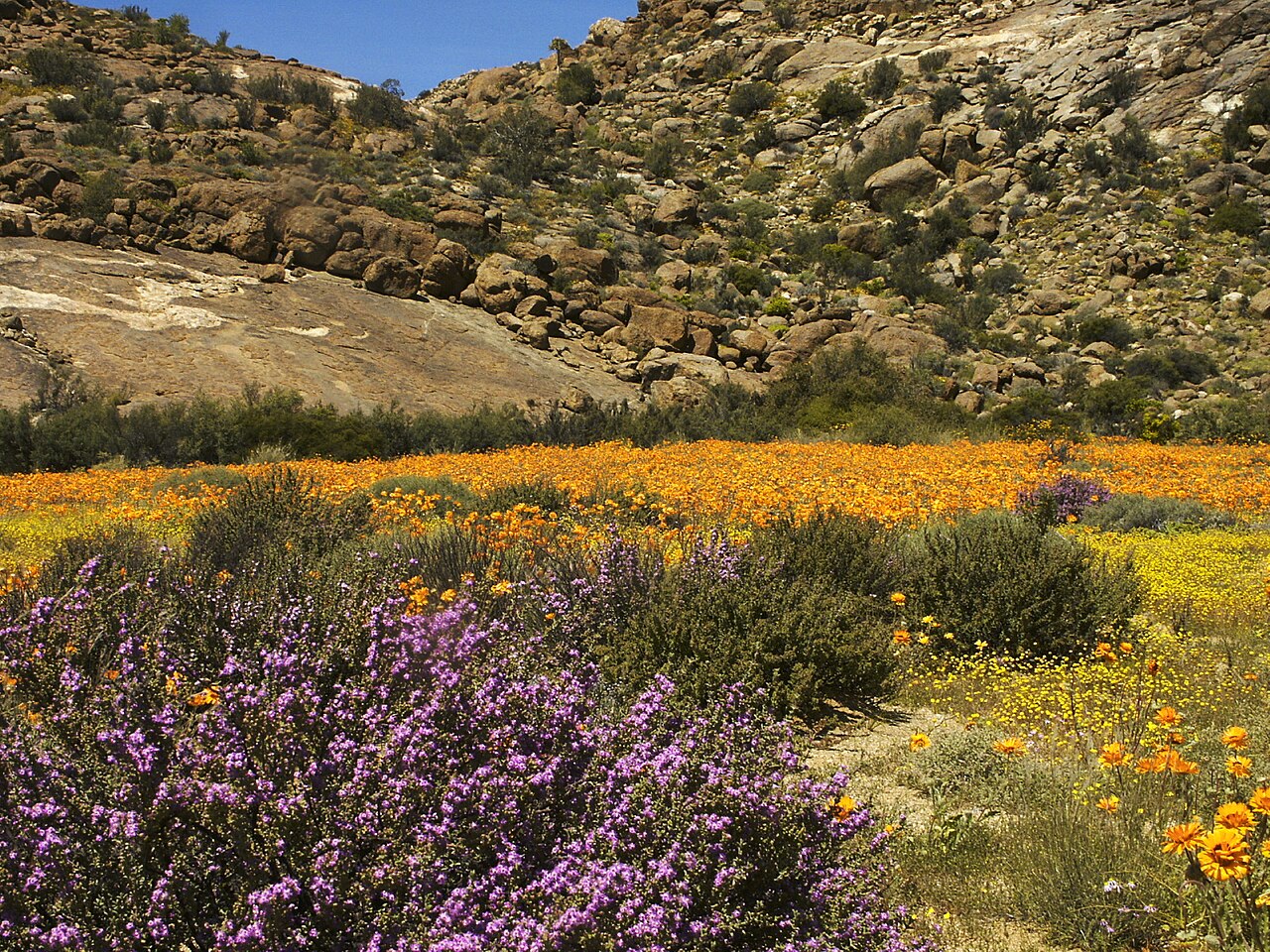
For spring flowers, SANParks identifies August and September as the usual peak period in relevant parks. Timing and display vary with conditions. Check recent park reports before making a long detour, and leave flexibility for clear weather rather than booking one immovable flower-viewing hour months ahead.
Birding can reward a different seasonal choice from a safari focused primarily on large mammals. Kruger's bird information includes summer species as well as resident birds. Explain your interest to the guide so that the outing is planned around it rather than following a generic checklist.
For whale watching, diving or another specialised activity, ask the actual operator about the species, conditions and realistic seasonal window. A broad tourism season is a starting point, not a promise of an encounter. Bookings should explain cancellation or rescheduling when sea conditions prevent departure.
Hikers should use the local forecast and route advice, especially at altitude. A generally pleasant month can still produce thunderstorms, strong winds or cold exposure. Build the walk around the group's ability and finish with time to spare, rather than using the longest possible daylight as the target.
Choosing dates for a combined trip
If combining Cape Town and Kruger, pick the element you are least willing to compromise, then accept the trade-off elsewhere. A safari-first winter trip can still include the Cape with indoor alternatives; a Cape-summer trip can include safari with suitable expectations for heat and rain. Spring and autumn are useful comparisons, but no month makes every region ideal.
Check the itinerary guide alongside the weather choice. Fewer bases leave more room to move a weather-sensitive activity. Repeated long transfers can consume exactly the spare time you would otherwise use for another mountain or boat attempt.
Best Time to Visit FAQ
What is the single best month for South Africa?
There is no universal month. Start with the region and experience: the Cape and northeast have different rainfall patterns, and specialist interests can favour different dates.
Is winter a bad time to visit?
No. Winter can work well for a dry-season safari, while Cape plans need more flexibility for rain and wind. Pack for cold mornings and the route's altitude.
Are flower displays guaranteed in September?
No. August and September are a typical planning window, but rainfall and current conditions affect the display. Check recent park reports and allow some flexibility.
Can I combine Cape Town and safari in one season?
Yes. Choose your main priority and accept the other region's trade-offs. Build a route with enough spare time to adjust weather-sensitive activities.



