
AFRICA · SOUTH AFRICA GUIDE
Walking and National Parks in South Africa: Choose a Suitable Route
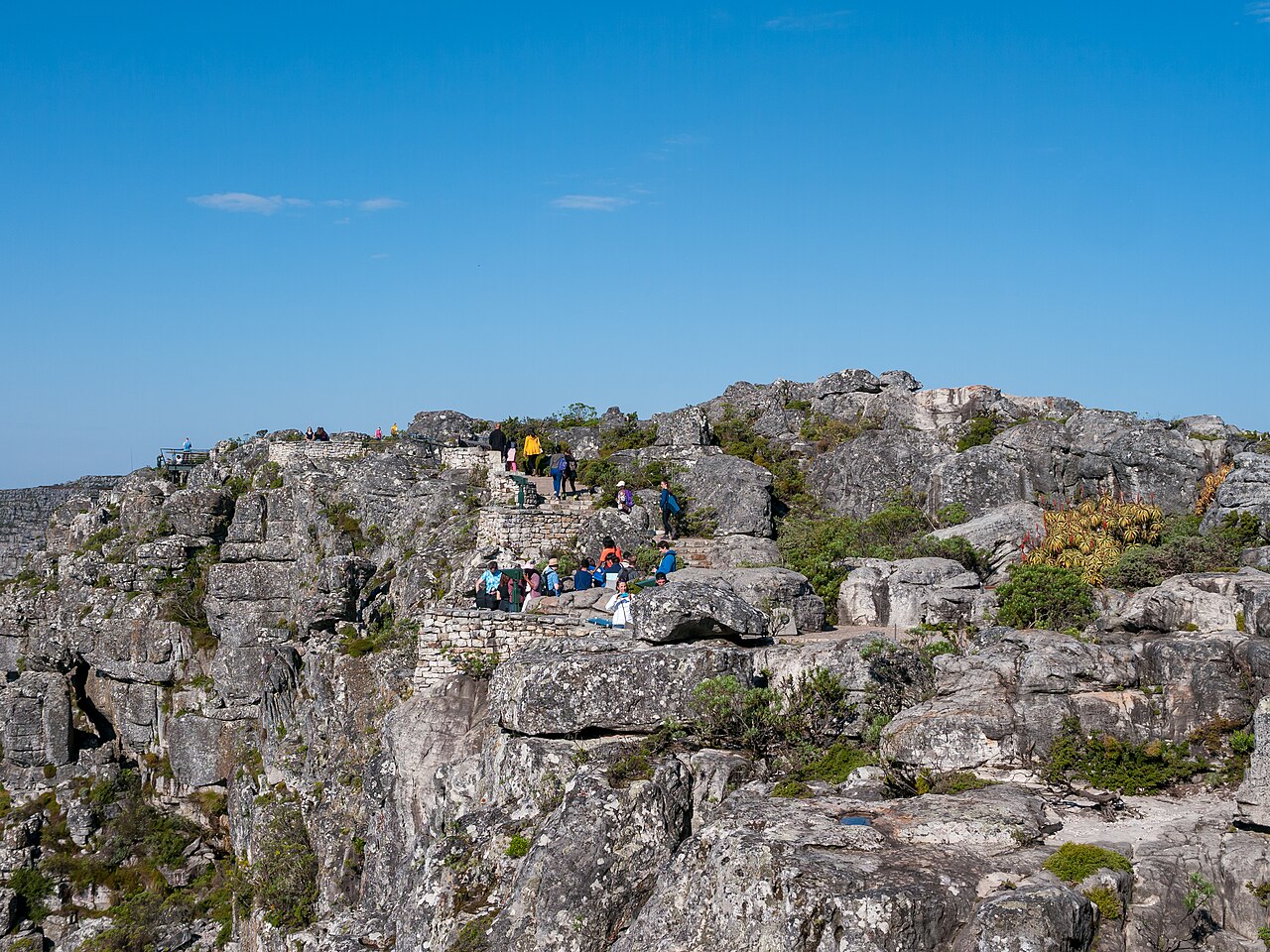
Walking in South Africa can mean a short garden path, an exposed mountain route, a coastal scramble or a multiday trail. Those experiences should not be grouped under one easy or difficult label. Start with the group’s abilities and the day's conditions, then choose a route and a base. A famous name is less useful than knowing the actual entrance, terrain and return arrangement.
This page covers walking and outdoor park planning. Wildlife-drive logistics belong in the South Africa safari guide. In wildlife areas, independent walking is often restricted; a general hiking habit does not override the specific park's rules. Follow the manager's current instructions on access, closures, permits and permitted activities.
Match the route to the whole group
On a small screen, scroll the table sideways to compare all columns.
| Region | Walking interest | Suitable approach | Main check |
|---|---|---|---|
| Cape Peninsula | Fynbos, coastal views and mountain scenery | Choose a maintained lower route or a suitable guided mountain outing | Wind, cloud, security guidance and turnaround time |
| Garden Route | Forest, river and coastline | Select a specific day walk before considering a multiday trail | Trail status, tides where relevant and correct entrance |
| Drakensberg | Mountain valleys, escarpment and heritage | Base yourself in the chosen access valley | Weather, route exposure and guide arrangements |
| West Coast | Lagoon landscapes and seasonal flowers | Use permitted walks and current section access | Seasonal restrictions and reservations |
Cape Peninsula: fynbos without a compulsory summit
The Cape Peninsula offers rewarding walking without requiring every visitor to climb Table Mountain. A shorter maintained route through fynbos or coastal scenery can suit a mixed group better than a steep ascent. Decide whether your aim is a view, plant observation, exercise or a summit, because each suggests a different route and amount of preparation.
SANParks' safe-hiking information addresses rapid weather changes, group travel, route planning and personal security. Follow the current guidance and ask locally about the route you actually intend to use. A clear morning in the city does not establish conditions on the mountain. Carry an extra layer, navigation, water and enough food for a delayed return.
Do not make the cableway your only planned descent from a strenuous hike. Wind or operational changes can alter service. For an unfamiliar steep route, a qualified guide can help assess suitability, but the group still needs honest discussions about fitness and comfort with exposure. Turn back early when the plan stops matching conditions.
Garden Route: separate day walks from reserved trails
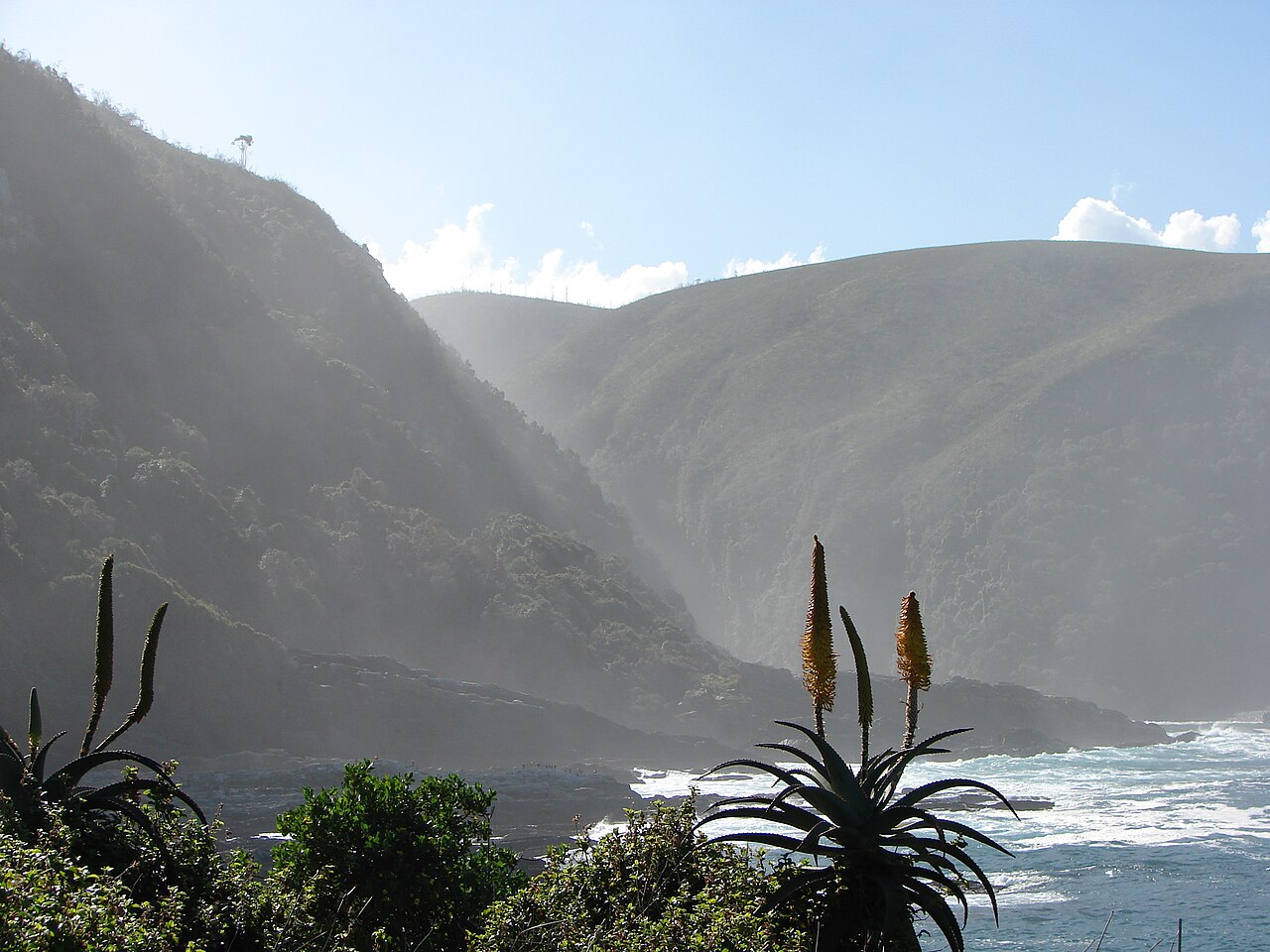
The Garden Route combines forest and coastal walking in several areas rather than one continuous visitor entrance. Choose a particular section and nearby accommodation, then inspect the trail's current information. The SANParks activity pages distinguish walks, forest excursions and longer trails.
A day walk near a camp is different from a named overnight route with limited places and specific conditions. Do not arrive expecting to join a multiday trail spontaneously. Check whether reservations, permits, accommodation, age conditions or river-crossing preparation apply, and read the manager's current briefing rather than relying on a saved social-media route.
Coastal surfaces can involve uneven rock, slippery sections or tide-sensitive passages. A photograph of a walkway does not show the whole route beyond it. Ask where the path becomes more demanding and choose an appropriate turnaround point. A forest alternative may be useful when exposed coastal conditions are unsuitable, but rain can also affect footing beneath trees.
Drakensberg: choose the valley before the accommodation
The Drakensberg is a broad mountain region, not a single trailhead. A hotel described as being in the mountains may be far from the valley or reserve entrance you need. Choose the walking area first, then compare the actual drive, entrance arrangements and route choices near each property.
The Maloti-Drakensberg World Heritage property includes exceptional mountain and rock-art heritage. Experiencing that landscape does not require the hardest route. A lower-level walk with time to notice plants and weather can be a stronger choice for an ordinary holiday than a rushed attempt to reach an exposed summit.
For rock-art visits, use the appropriate managed access or guide and respect the site's restrictions. Never touch the paintings, apply water to improve visibility or step beyond an allowed area for a photograph. For mountain outings, ask about forecast conditions, emergency arrangements and the route's commitment before leaving. A border-related excursion involving Lesotho also requires its own entry and transport checks; it is not simply another local footpath.
West Coast: flowers and lagoon landscapes
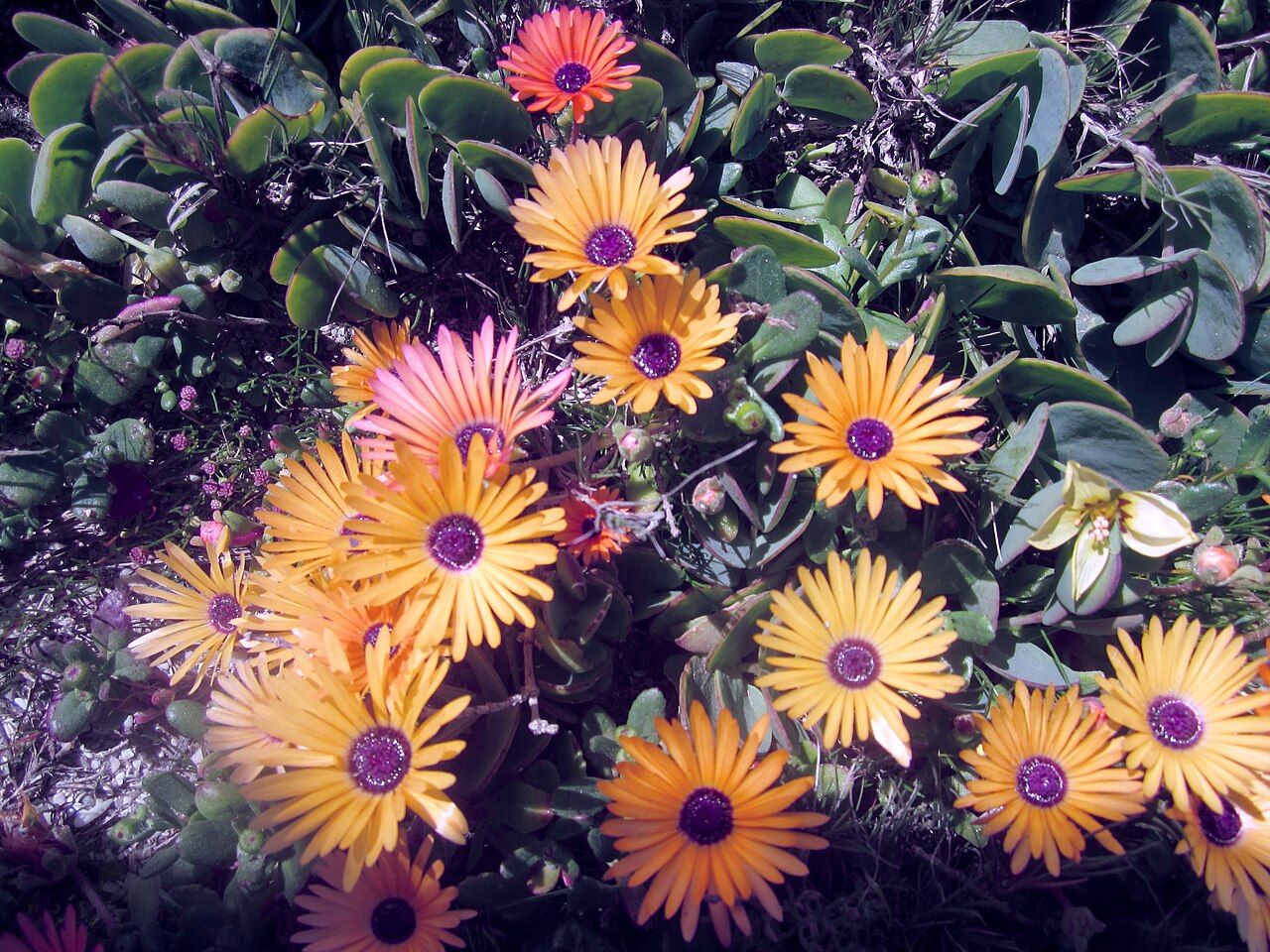
West Coast National Park can provide a different outdoor experience from the Cape mountains. Lagoon views, open vegetation and seasonal flowers reward slow observation. SANParks lists separate walking routes, including options with reservation or seasonal requirements. Select a route from current information rather than assuming that every area is open whenever the park is open.
Flower displays depend on seasonal conditions. Book a visit because the wider landscape appeals to you as well, and avoid treating a particular photograph as a guarantee of the same display. Stay on permitted paths, do not pick flowers or step into vegetation to create a portrait. Bring water and sun protection; open ground can have little shelter even when temperatures initially feel mild.
Understand permits, fees and protected-area rules
Park entry, a specific activity permit and an overnight reservation are different items. An accommodation booking may not include every conservation charge or specialist activity. Confirm the correct visitor category, the rate period for your dates and any identification needed to claim a reduced category. The SANParks rate information is the starting point for its own parks; other reserve managers set their own arrangements.
Check whether a route is circular or finishes elsewhere, where vehicles may be parked and how you will return. Do not depend on mobile coverage to arrange a remote pickup after finishing. Ask whether a path allows dogs, bicycles or a particular activity rather than treating access as universal.
Pack for a delayed return
Footwear should suit the actual surface and be comfortable before the holiday. Carry water, food, sun protection, weather layers, a charged phone and offline navigation appropriate to the route. Tell a responsible person where you are going and when you expect to return. Group members should know the plan, not only the person holding the phone.
Start early enough to finish with daylight remaining and set a turnaround time. Walk at the pace of the slowest person, keep the group together and treat fatigue or deteriorating weather as reasons to shorten the outing. Distances alone do not describe difficulty: ascent, exposure, heat, terrain and river conditions can make a short route demanding.
For step-free access or limited mobility, ask about a specific path's surface, gradients, gates, toilets and transfer from parking. The existence of an accessible facility elsewhere in the same park does not establish that a particular trail is suitable. A clear response about one manageable route is more useful than a broad claim that the whole park is accessible.
Walking and national parks: frequently asked questions
Can I walk independently in every wildlife park?
No. Many wildlife areas restrict walking to specified places or authorised guided activities. Follow the actual park's rules and never leave a vehicle because a path or animal sighting looks inviting.
Does every Garden Route trail need advance booking?
No, but named overnight trails and some specialist routes do. Check the specific trail rather than generalising from the whole national park.
Is a short route always easy?
No. Steep ground, exposure, heat and uneven terrain can make a short walk demanding. Read the route details and match them to every member of the group.
Should I continue if cloud hides the mountain route?
Do not press on merely to complete the plan. Follow current safety advice, reassess conditions and turn back or use a suitable alternative when safe navigation or weather becomes uncertain.



