
AFRICA · SOUTH AFRICA GUIDE
South Africa History and Culture: Places, Stories and Visits
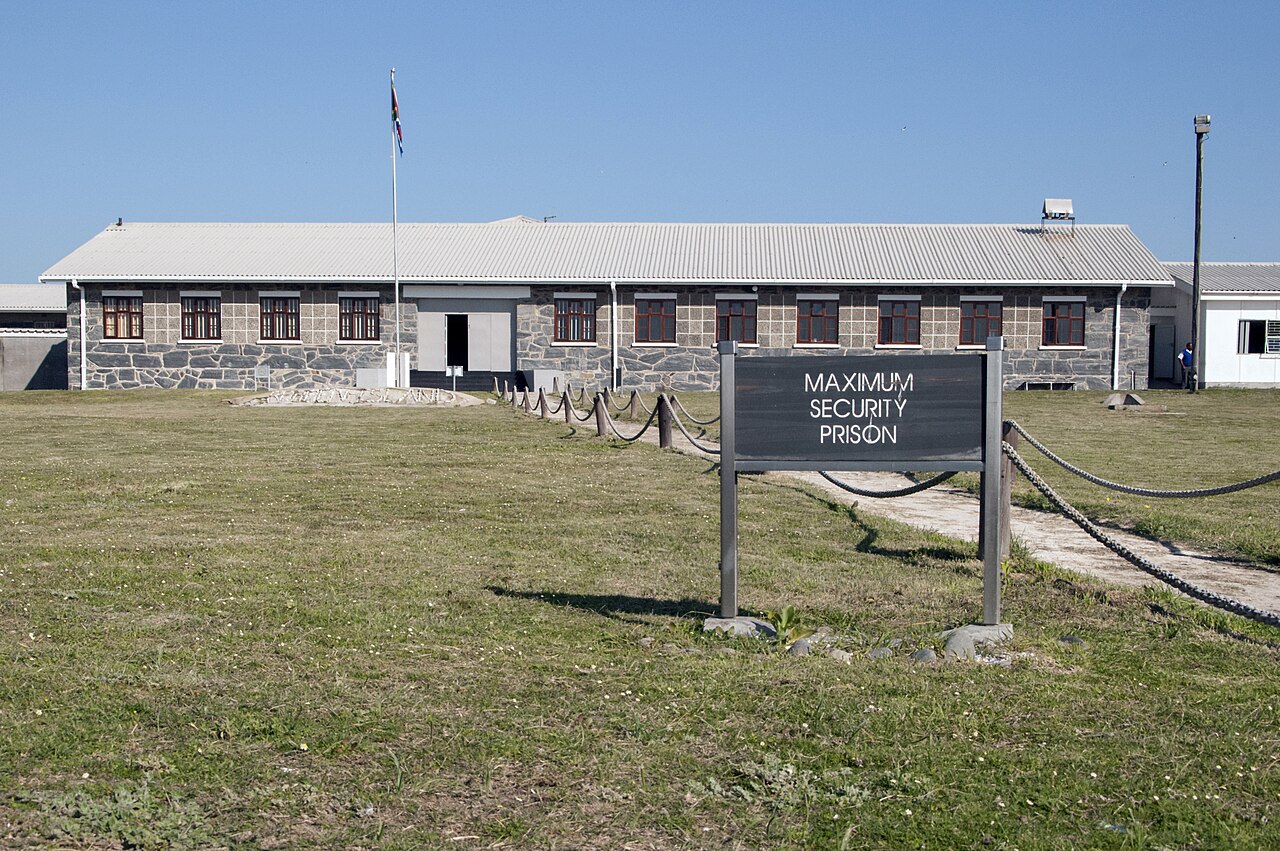
Understanding South Africa means looking beyond a single liberation story or a collection of scenic landmarks. Indigenous societies, long-distance trade, colonial expansion, slavery, segregation, resistance and constitutional democracy all shape the places travellers encounter. Contemporary culture continues that story through language, food, music, design and debate. Give this part of the journey real time rather than fitting one museum between airport transfers.
This guide helps you choose complementary visits and approach them thoughtfully. It is not a complete national history. Museum interpretation, community voices and specialist guides offer depth that a short travel summary cannot reproduce, and different institutions illuminate different experiences. Choose a few places that develop your understanding instead of rushing through several emotionally demanding sites in one day.
Choose visits that explain different parts of the story
On a small screen, scroll the table sideways to compare all columns.
| Place | Primary context | Planning implication |
|---|---|---|
| Robben Island | Imprisonment, resistance and a layered island history | A fixed tour with a sea crossing and weather considerations |
| District Six Museum | Forced removal, neighbourhood memory and belonging | Arrange a storyteller or site walk when that is your priority |
| Constitution Hill | Incarceration, rights and democratic institutions | Choose a tour format and allow time for the precinct |
| Apartheid Museum | The apartheid system, resistance and its consequences | Allow sustained attention and check current exhibition notices |
| Mapungubwe | A precolonial kingdom and cultural landscape | A northern regional journey rather than an urban add-on |
Begin before colonial rule
South Africa's past does not begin with the arrival of Europeans. Archaeological landscapes and the histories of Khoekhoe, San and other African communities challenge that simplified starting point. A useful visit asks who lived in a place, how they used the land and how knowledge about them has been collected and interpreted. Rock art and archaeological objects are evidence to learn from, not surfaces to touch or souvenirs to remove.
Mapungubwe is a strong example of the value of widening the timeline. UNESCO's Mapungubwe Cultural Landscape account identifies a major kingdom and settlement landscape near the Limpopo and Shashe river confluence. This is a distinct northern destination, so include it because its history interests you and your itinerary supports it, rather than presenting it as a quick detour from every safari.
The SANParks interpretation-centre information explains the museum and guided heritage options. Check the requirements of the actual activity: a museum visit and a walk to a heritage site can differ in terrain, physical demands and age conditions. Ask which objects are originals or representations if that distinction is important to your visit.
Cape Town: the island and the neighbourhood
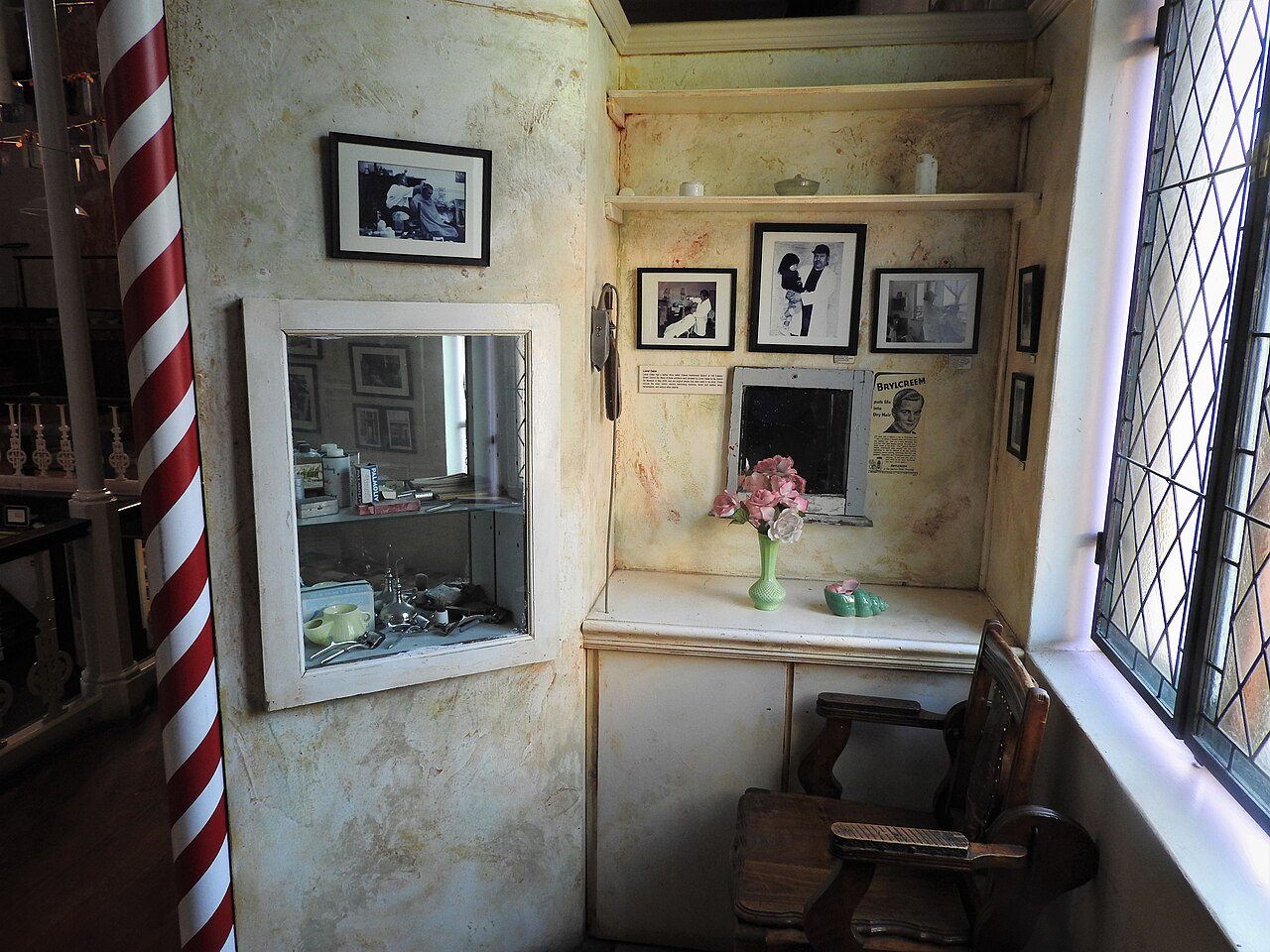
Robben Island is both an internationally recognised place of political imprisonment and a landscape with a longer, more complicated past. UNESCO's description sets the prison buildings within that layered history. A visit is most useful when you listen to the interpretation rather than reducing the island to a single cell photograph.
Use the Robben Island Museum for the current official tour and ferry arrangements. Leave the surrounding day flexible and read the cancellation and identification requirements when booking. A sea crossing introduces weather and operational considerations that a city museum visit does not share. Keep a land-based alternative that you would value in its own right.
District Six offers a different scale of understanding: a neighbourhood, its residents and the consequences of forced removal. The museum's visitor information distinguishes self-guided visits, ex-resident storytelling and prearranged site walks. A guide is especially valuable when you want to connect the displays to places beyond the building, but availability should be confirmed in advance.
Approach both visits as places of memory. Do not pose casually against material depicting suffering or photograph people because they appear to complete a historical scene. When stories involve living families, remember that the subjects are not abstract examples. Leave time afterwards to reflect, eat and talk rather than making an emotionally demanding museum the last rushed stop before a distant reservation.
Johannesburg: connect historical injustice with democratic institutions
Constitution Hill brings former prison spaces into a precinct associated with the Constitutional Court. Its value lies in that relationship: learning about incarceration and unequal treatment while considering the institutions created to defend rights. The official visitor overview introduces the site's different components and conduct expectations.
Choose a guided format according to your time and interests rather than assuming every ticket covers the same route. Ask about current public access to the court and particular exhibitions, because a working institution has needs different from a static display. An art-focused visit can add another way to understand democratic ideals through visual language and the stories attached to individual works.
The Apartheid Museum supplies broader context for apartheid and its aftermath. Its permanent and changing exhibitions merit enough time to follow the narrative. Check the official site's current notices before travelling; exceptional closures and special exhibitions matter more than an old opening-hours list copied elsewhere. Arrange arrival and return transport so that an unhurried visit is practical.
Understand 1994 as a turning point, not the end of history
The first democratic elections in 1994 were a fundamental transition. The government's freedom milestones provide a concise official reference for that period. For travellers, the important next step is recognising that political change did not erase spatial inequality, unequal opportunity or the lived effects of earlier dispossession overnight.
That awareness helps explain why apparently nearby neighbourhoods can have very different infrastructure and resources. Avoid treating poverty as a visitor attraction or asking one guide to represent every South African's view. A community-led visit should have a clear purpose, local consent and transparent benefits, with participants free to set boundaries about their homes, work and photographs.
Make room for living culture
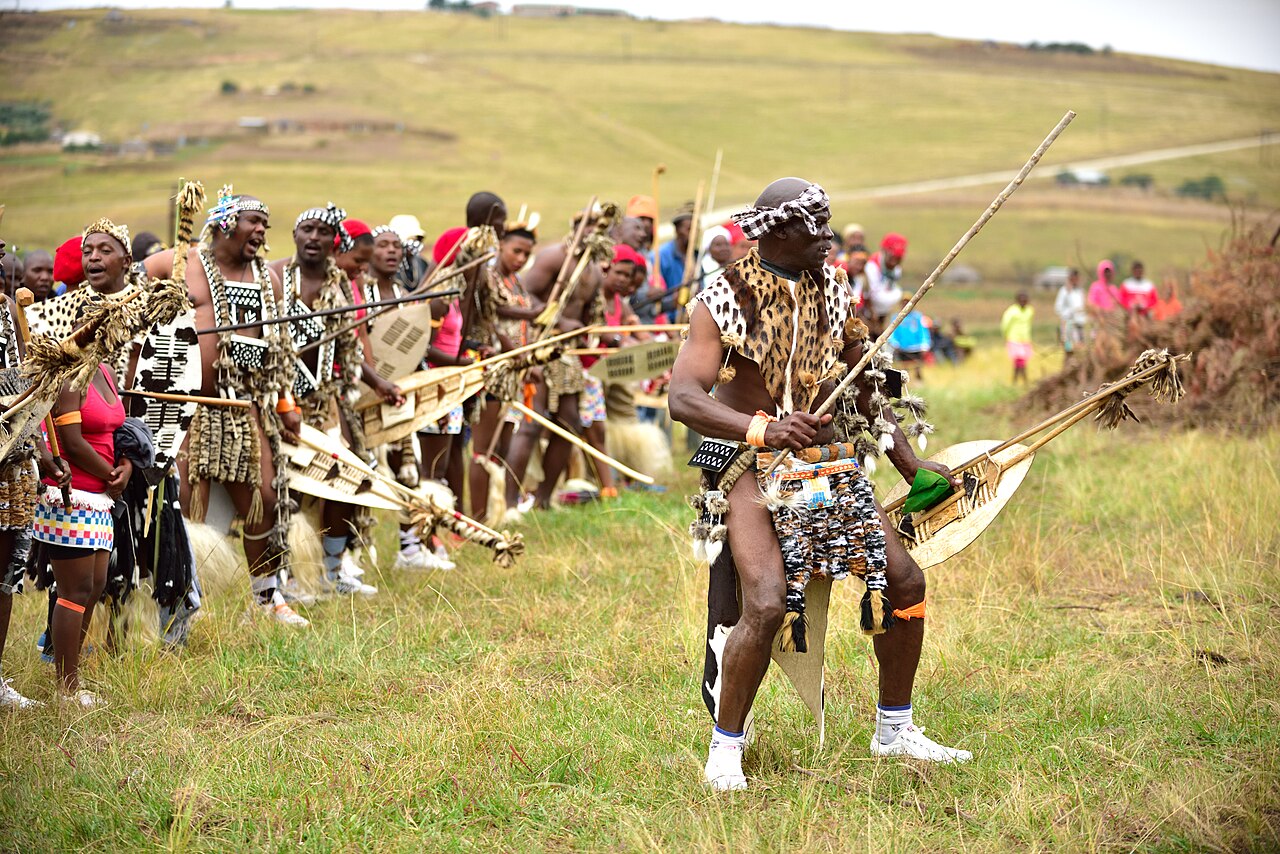
South Africa's cultural life is multilingual and changes from region to region. A language associated with a province does not tell you what every individual speaks, how they identify or what traditions they practise. Learn the pronunciation of the names you use, ask polite questions and avoid translating a whole community into a single costume, dish or performance.
Music, theatre, contemporary art and design give you ways to encounter the present alongside historical institutions. Choose a performance because you are interested in the work, not because it is advertised as a shortcut to “authentic” culture. Read who made an object or curated an exhibition, and support the artists and businesses whose work you enjoy. The events guide helps distinguish announced programmes from assumed annual dates.
Food is another useful entry point, particularly when you learn the regional and family contexts behind familiar labels. A cooking experience should make its host, setting and inclusions clear. Do not expect one meal to represent the whole country, or assume every person shares the same dietary practices. The shopping guide explains how to ask about contemporary craft and provenance.
Plan thoughtful cultural days
Build a day around one substantial historical visit, a meal and a lighter cultural activity nearby. Two museums can work if they complement one another and you have enough energy, but collecting names is less rewarding than understanding one place properly. For families, look at the content in advance and decide how to explain difficult material at an appropriate level.
Confirm photography rules, language options, the route's physical access and whether the named guide or storyteller must be booked. A building with a ramp can still contain challenging exhibits, uneven outdoor surfaces or long periods of standing. Tell the venue what assistance you need rather than relying only on a general accessible label.
South Africa history and culture FAQ
Should I choose Cape Town or Johannesburg for history?
Both offer important, complementary perspectives. Cape Town connects island imprisonment and neighbourhood removal; Johannesburg adds major apartheid and constitutional interpretation. Choose according to your route and interests rather than assuming one city contains the complete national story.
How should I choose a community or township visit?
Look for a locally led experience with clear payment, consent and a stated purpose. Ask what residents choose to share and how photographs are handled. Avoid visits built around intrusive access to homes or presenting hardship as entertainment.
Are guided museum visits necessary?
Not always, but a knowledgeable guide or resident storyteller can add context that displays alone cannot supply. Confirm the actual format and availability. If you prefer independent exploring, choose a visit designed to support it and allow time to read the interpretation.



