
AFRICA · SOUTH AFRICA GUIDE
Shopping in South Africa: Local Design, Craft and Souvenirs

Shopping in South Africa is most rewarding when you know who made an object, why it interests you and how you will take it home. Contemporary design, beadwork, textiles, ceramics, wirework, books and regional food products can all offer something more distinctive than an anonymous souvenir. A market stall's location alone does not establish the maker or country of origin, so ask questions and value honest answers.
Choose a small number of shopping visits that fit the journey. A design market, an independent studio and a specialist bookshop serve different purposes; you do not need to tour every shopping centre to understand the country's creative work. This guide focuses on products, provenance and practical buying. The food guide explains what to eat and drink during the trip.
Choose what is worth carrying home
On a small screen, scroll the table sideways to compare all columns.
| Product | Ask the seller | Plan for |
|---|---|---|
| Beadwork and jewellery | Who made it, where and from which materials? | Care instructions and secure packing |
| Textiles and fashion | Is this the maker's own design and how should it be washed? | Size, fabric care and realistic luggage space |
| Ceramics and glass | Is it functional or decorative, and how is it packed? | Weight, breakage and possible shipping |
| Books and prints | Who is the author or artist and which edition is this? | Protection from moisture and bending |
| Food and wine | What is the sealed product and its storage requirement? | Airline and destination import rules |
Cape Town: use the Watershed to meet design and craft
The V&A Waterfront's Watershed information identifies the venue as a place for local makers and design. It is useful when you want several kinds of work in one visit, with the option to compare materials and talk to sellers. Approach it as a collection of individual businesses rather than assuming every product has the same origin or production process.
Look closely at the details that interest you: the finish on a ceramic piece, the design of a bag, the colours and technique in beadwork, or the practicality of an object you will use at home. Ask whether the person selling made it, represents the maker or sources it from another business. Those are different relationships, and any can be explained transparently.
The Watershed Design Lab is another way to investigate emerging design rather than buying only the most familiar souvenir forms. Current makers and stock can change, so do not build a trip around an old stall number or assume an online photograph guarantees the piece is still available. Contact a particular business if it is the main purpose of your visit.
Johannesburg: ask about provenance at Rosebank
The Rosebank Art & Craft Market is a useful starting point for beadwork, wirework, paintings, sculpture and gifts. Its African scope matters: do not assume everything sold there is South African simply because you are shopping in Johannesburg. Ask the maker's name, the place of production and whether a piece is contemporary, a reproduction or something older.
For a lightweight purchase, focus on materials and workmanship rather than only the most complicated-looking object. For a larger sculpture or artwork, ask for dimensions, weight, a written receipt and a specific packing or shipping proposal. A seller saying that something can be shipped is the start of the conversation, not the complete delivery agreement.
Allow time to compare without making promises you do not intend to keep. If bargaining is part of a particular stall's practice, be courteous and accept that a maker can decline. Do not assume bargaining applies everywhere, especially in galleries, studios or shops with marked fixed prices. Quality, honest provenance and a useful record of the purchase matter more than winning a small discount.
Craft, textiles and jewellery: choose the actual work
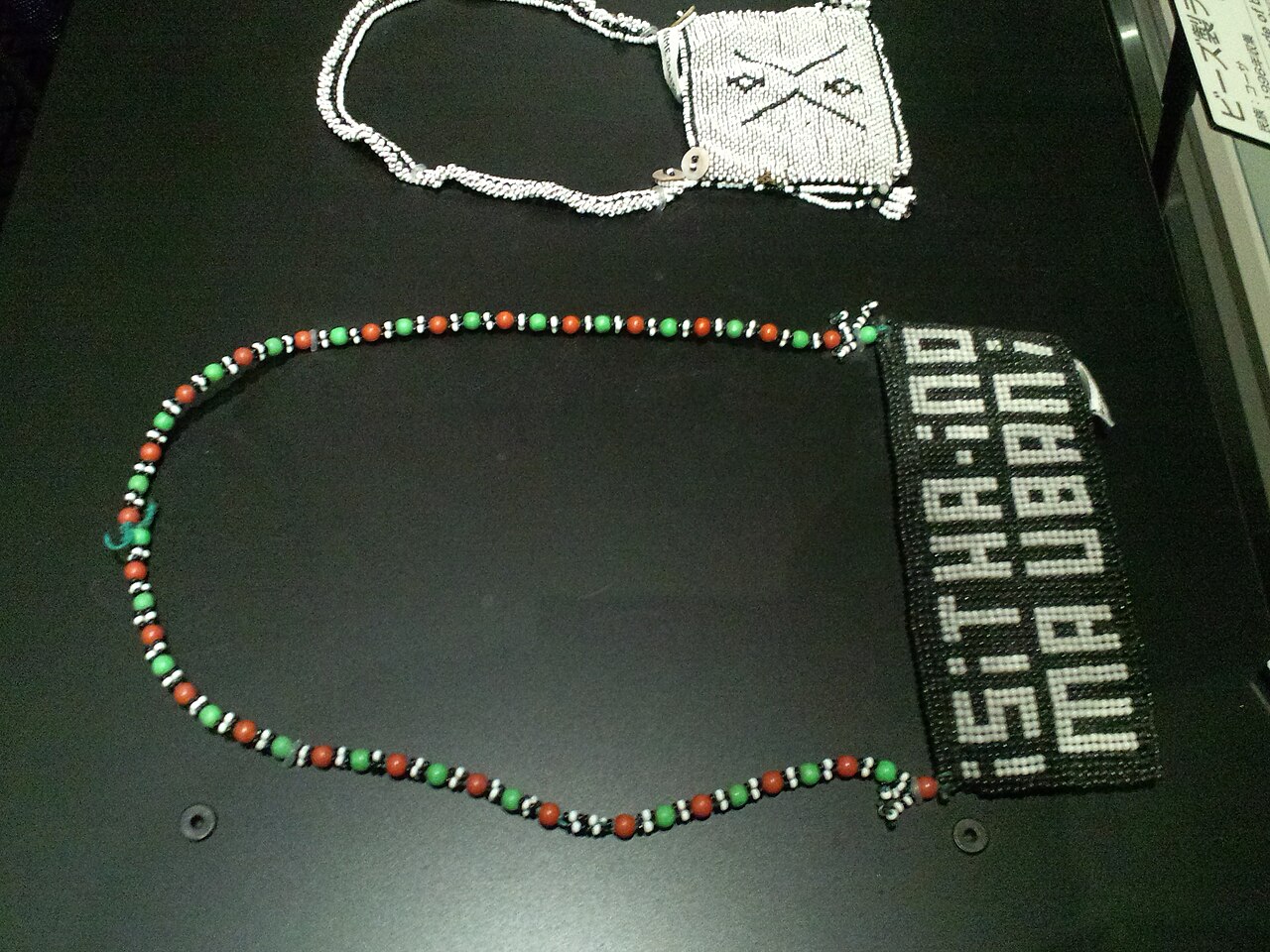
Beadwork can be contemporary design, personal expression or work connected to a particular cultural tradition. Ask how the seller describes the piece rather than attaching a cultural meaning of your own. Colour and pattern should not be treated as a universal code without context. If the maker offers a story, record their name and description accurately so that the purchase retains its identity after the trip.
With textiles, inspect stitching, closures and care labels. A dramatic display piece and a garment intended for frequent wear have different requirements. Try the relevant size where appropriate and ask how the material behaves after washing. Do not let a vague “traditional” label replace information about the designer, fabric or place of manufacture.
For valuable jewellery, use a reputable business that provides clear documentation of materials, treatments and the item purchased. Do not rely on a verbal investment claim or an assumption that a local purchase is automatically a bargain. Consider independent assessment and your insurer's requirements where the value justifies it. A travel purchase should be enjoyable without requiring a speculative story about future resale.
Books, art and everyday design
A book by a South African writer, an exhibition catalogue or a carefully chosen print can deepen the journey after you return. Ask a bookseller for a recommendation connected to the places or questions that interested you. This can be more useful than buying a generic national overview that repeats material you already know.
For art, distinguish an original, a limited edition, an open-edition reproduction and a decorative print. Ask for the artist's name, title and any edition information in writing. Do not photograph artworks for reproduction without permission, and do not treat access to a gallery as a transfer of image rights. Choose a manageable format if your journey still includes several flights or a small safari baggage allowance.
Everyday objects can be good purchases too: a well-made bag, a small homeware item or stationery from an identifiable designer may be easier to use and transport than a fragile display piece. Buy something you actually want to keep. A large number of inexpensive objects can become more wasteful and less meaningful than one carefully chosen purchase.
Food, wine and natural materials: check before buying
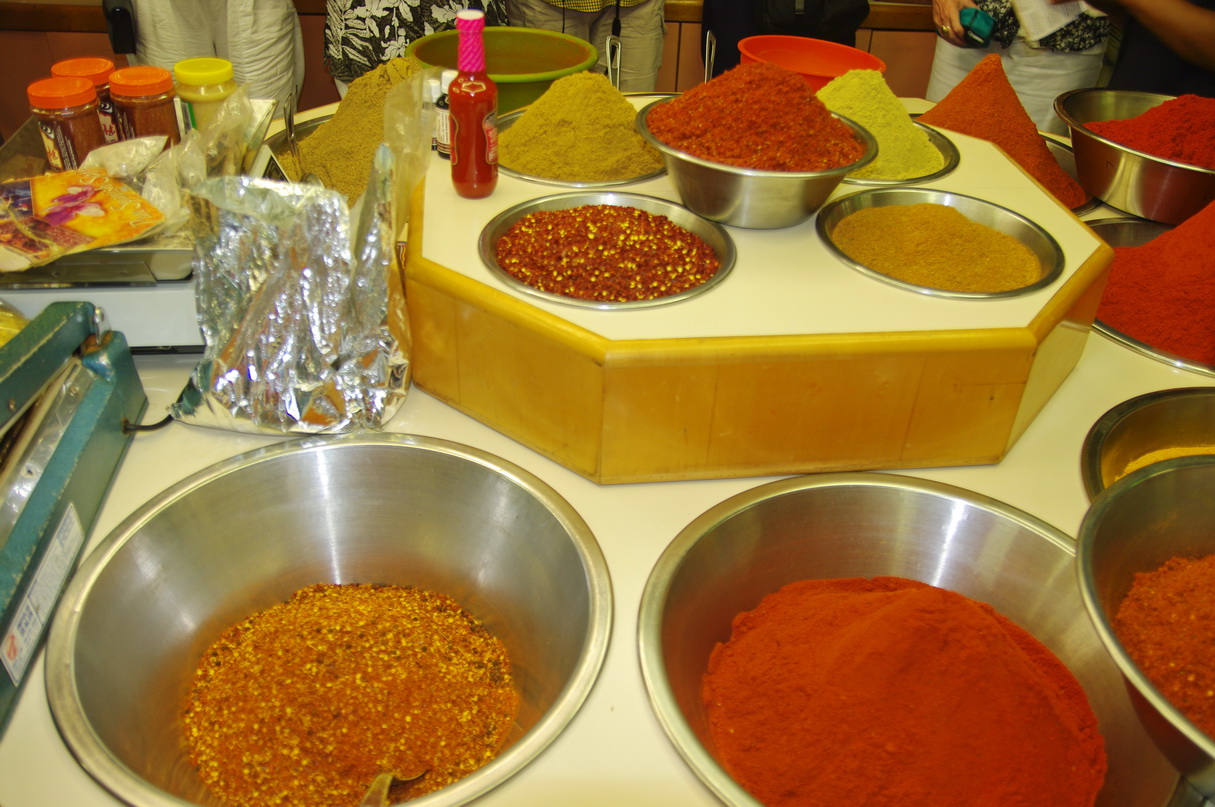
Sealed food, tea, spices and wine can be appealing gifts, but the rules at your destination matter. Meat, fresh produce, seeds, plant material and animal products may face restrictions; a retailer's willingness to sell them does not establish permission to import them elsewhere. Check your airline's baggage rules and the destination authority before buying, especially if your journey includes another country on the way home.
For wood, skins, shells or other wildlife-derived material, ask for the species and lawful origin before considering a purchase. Some goods require specialist permits. SARS publishes restricted import and export updates; use the relevant authority for the particular item rather than treating a tourist-shop receipt as sufficient clearance. If the provenance or permission cannot be established, choose another gift.
Receipts, VAT refunds and shipping
Request a proper itemised receipt and keep valuable goods identifiable. SARS explains the VAT refund mechanism for qualifying purchases, including that it concerns eligible goods rather than holiday services. Conditions and inspection requirements apply. Do not assume that every shop purchase produces an automatic refund or that a hotel bill qualifies simply because it includes VAT.
If you plan to claim, read the current requirements before shopping and leave the goods available for the required departure inspection. Checked baggage introduces its own sequence, so do not pack everything beyond reach and expect an airport desk to waive the process. Allow time and keep original documents. Any refund processing costs or restrictions should be checked with the official administrator.
For shipping, agree on the carrier, insurance, packing, declared value, tracking, delivery responsibility and who pays destination duties. Ask what happens if an object arrives damaged. Photograph the item and its documentation with permission. A shipping quote should be compared with the realistic cost and risk of carrying the item yourself, not only with its shelf price.
Shopping in South Africa FAQ
How do I know whether something is locally made?
Ask who made it, where and from which materials, and look for a clear label or maker information. A market's location is not proof. Honest provenance is more useful than an unsupported promise that every item is local.
Should I bargain?
Only where it is part of the seller's practice. Be polite, agree before paying and respect a refusal. In fixed-price stores or studios, focus on the work and its quality rather than assuming every purchase requires negotiation.
Can I claim VAT back on accommodation and meals?
The tourist refund mechanism described by SARS concerns qualifying goods exported under its conditions, not ordinary holiday services. Read the current official rules for your purchases and departure point instead of treating all VAT paid during the trip as refundable.



