
AFRICA · SOUTH AFRICA GUIDE
Getting Around South Africa: Driving, Flights & Transport
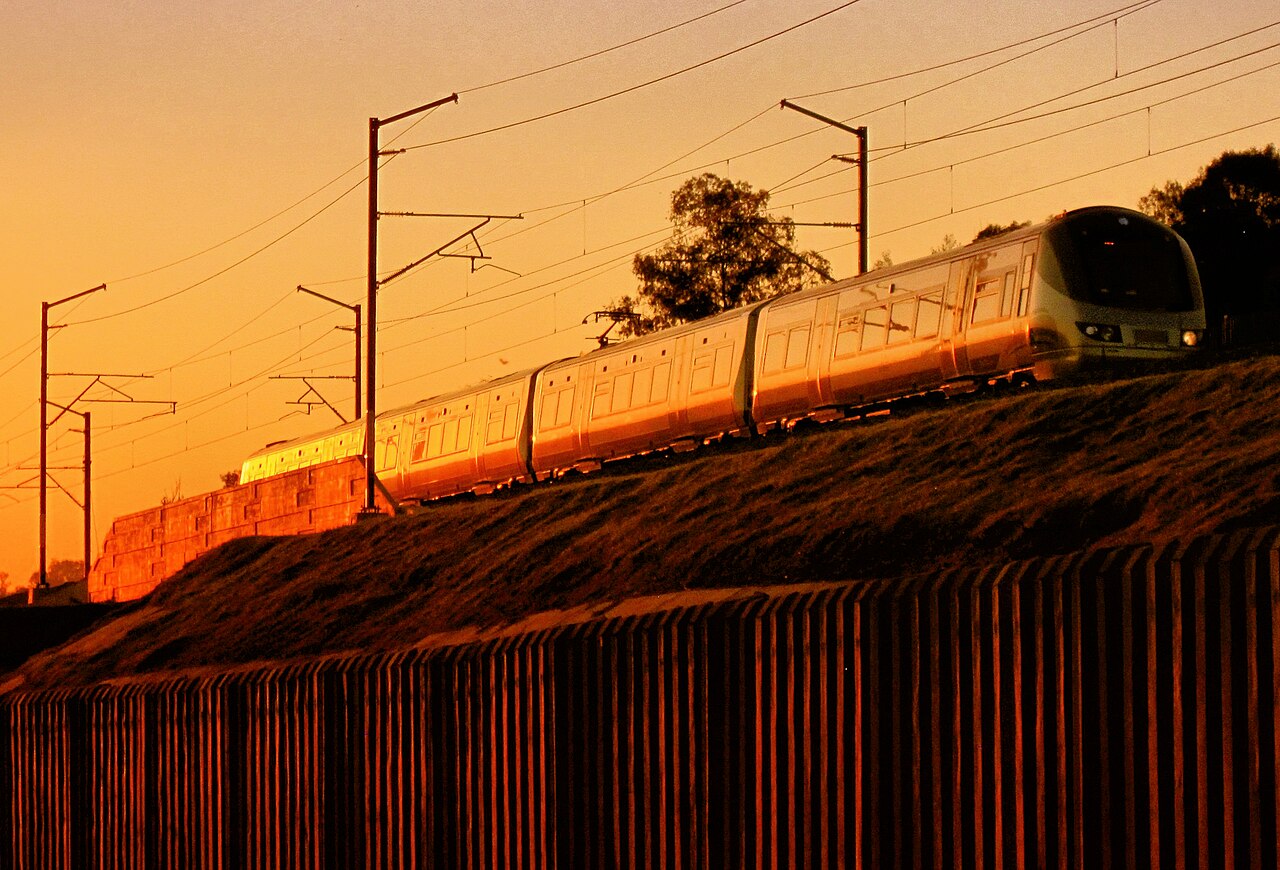
South Africa usually works best with a combination of transport modes. A few city days may need only arranged rides and selected public transport, while the Garden Route or a self-drive safari can justify a rental car. A domestic flight can connect distant regions without spending a holiday day on the road. Build the transport plan around the route you actually want to experience, not around keeping the same vehicle throughout.
Choose transport for each part of the trip
On a small screen, scroll the table sideways to compare all columns.
| Option | Good fit | Main trade-off |
|---|---|---|
| Rental car | Regional touring, several bases, self-drive parks | Driving responsibility, parking, deposits and return logistics |
| Domestic flight | Combining distant regions in a limited trip | Airport time, baggage rules and onward transfer |
| Private transfer or driver | Airport arrivals, lodge access, travellers avoiding driving | Higher quoted cost and a schedule agreed in advance |
| Selected city services | Specific routes served by Gautrain or MyCiTi | First and last legs, operating hours and route coverage |
| Organised multi-day trip | A route with guiding and transport handled together | Less freedom over stops and the group's pace |
Compare complete door-to-door journeys. A one-hour flight still involves reaching the airport, checking in, collecting baggage and travelling onward. Conversely, an apparent saving from driving can disappear after fuel, tolls, an additional hotel night and a one-way return fee. Put those components beside each other before choosing.
Self-driving and rental checks
South Africa drives on the left. Review the Department of Tourism's road and travel advice before the trip. If left-side driving is unfamiliar, choose a modest first leg in daylight rather than a long journey immediately after an overnight flight. An automatic car removes one task, although it does not remove the need to adapt to junctions and road position.
Send the rental company your licence details and ask what documents it requires for your nationality. An International Driving Permit is a translation support document, not a replacement for the underlying licence. Requirements can differ between agencies and insurance arrangements. Confirm driver age, licence history, additional drivers and the payment card accepted for the deposit.
Read the actual protection terms: excess, windscreen and tyre cover, underbody damage, gravel-road use, roadside assistance and exclusions. A vehicle advertised as suitable for touring is not necessarily authorised for every track. Ask the accommodation about its approach road after rain and get written advice if ground clearance is relevant.
At collection, inspect the body, wheels, glass, spare wheel or repair kit, lights and fuel level. Photograph existing damage and ensure it is recorded on the rental report. Learn how to open the fuel cap and which fuel the vehicle uses. Keep the assistance number and rental agreement available offline, with the registration written down separately.
Build realistic driving days
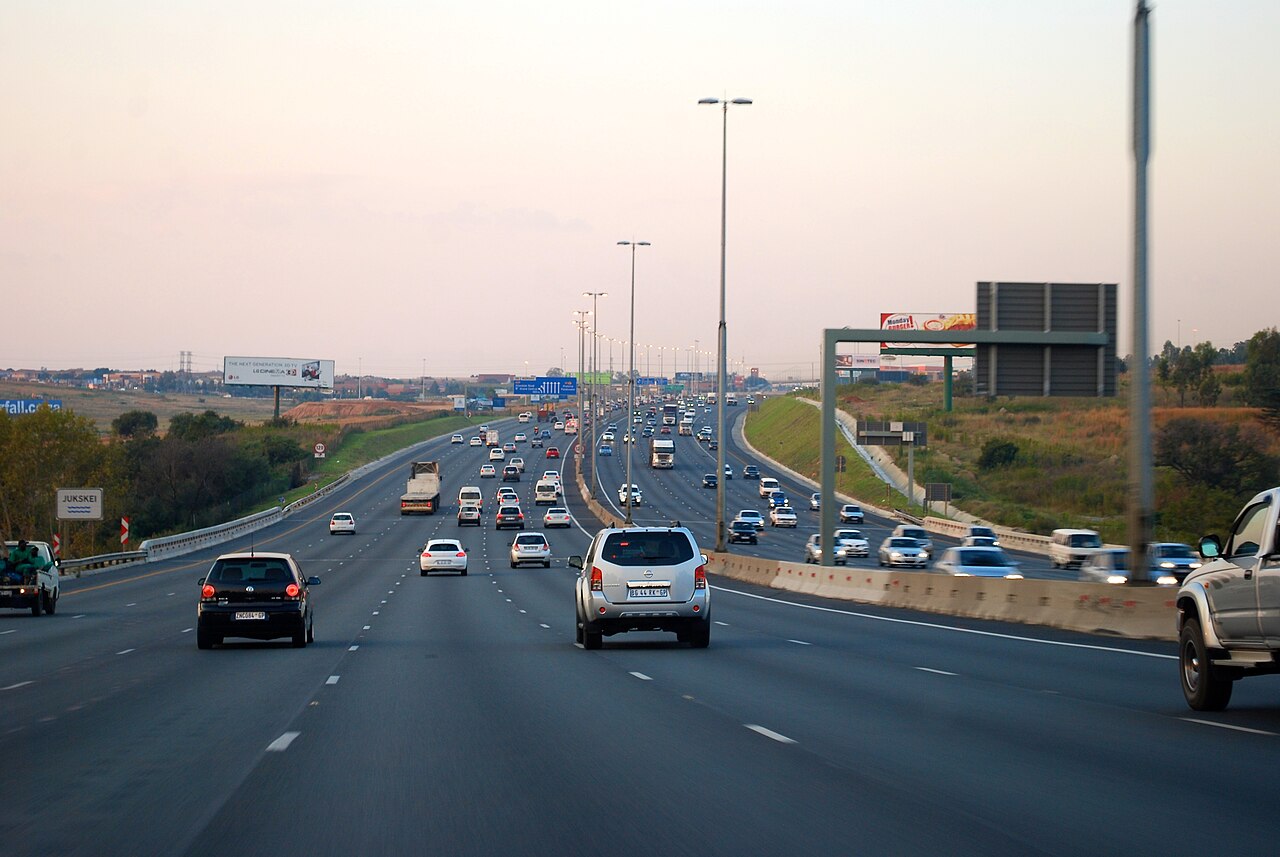
Use a map estimate as the start of a schedule, then add stops, traffic, roadworks and the final approach. A scenic road deserves time outside the car; a mountain pass should not become something you rush simply to reach a distant booking. Plan the overnight stop before the drive grows into an uncomfortable day.
Prefer daytime arrival at unfamiliar accommodation. Request the entrance instructions and recommended approach from the host, then compare them with your navigation app. Do not accept every automated shortcut. If a route is disrupted, stop somewhere suitable to clarify the alternative rather than making repeated last-minute turns.
Fuel planning matters more once you leave major towns. Identify sensible stops and avoid depending on one remote outlet with little fuel remaining. Road-trip timing should include food and rest breaks for the driver, plus extra flexibility with children. Use a second authorised driver only if both people are comfortable with the conditions.
Keep luggage concealed before setting off, lock the vehicle and physically confirm that it has locked when parking. Choose attended parking where available and avoid leaving valuables in a parked car. More detailed crime and incident guidance belongs in Health, Safety & Useful Contacts; keep that page available for reference without turning each driving day into a list of assumptions about places you have not visited.
Driving in wildlife parks
A national park is a slow wildlife environment, not a normal through-road. The Kruger gate information publishes seasonal entrance and exit times. Match the gate, camp and arrival time before choosing the day's road journey. The kilometres between a gate and camp do not translate into ordinary highway travel time.
Build the day around the park's rules and your booked accommodation. Do not plan to reach a gate at closing time and negotiate entry. Ask about current approach conditions and use the latest official notices as well as the lodge's directions. A historical directions page does not override a current security warning.
Inside wildlife areas, remain in the vehicle except at designated places where leaving it is permitted. Keep a patient distance from animals and allow them space to move. The Safari guide explains how a self-drive national park visit differs from a private reserve with guided drives. That distinction changes both the car requirement and the pace of the itinerary.
Domestic flights and one-way journeys
Flights are worth considering when combining the Cape with the northeast or adding another distant region. Check the exact arrival airport and transfer before paying. A low-cost flight at an awkward hour may require another hotel night or a private collection that costs more than the airfare saving.
Read the baggage allowance for each segment, particularly with long lenses, sporting equipment or small-aircraft lodge connections. Keep essentials within the cabin allowance. If domestic and international flights are separate bookings, leave a buffer that reflects the cost of missing the international departure.
One-way car hire can support a Cape Town-to-Garden Route journey without retracing the road. Get a total including the return location and one-way charge. Check office opening hours against the flight, and allow time to refuel and inspect the car. Do not assume a small regional branch offers the same hours as a major airport counter.
City transport: use the actual route
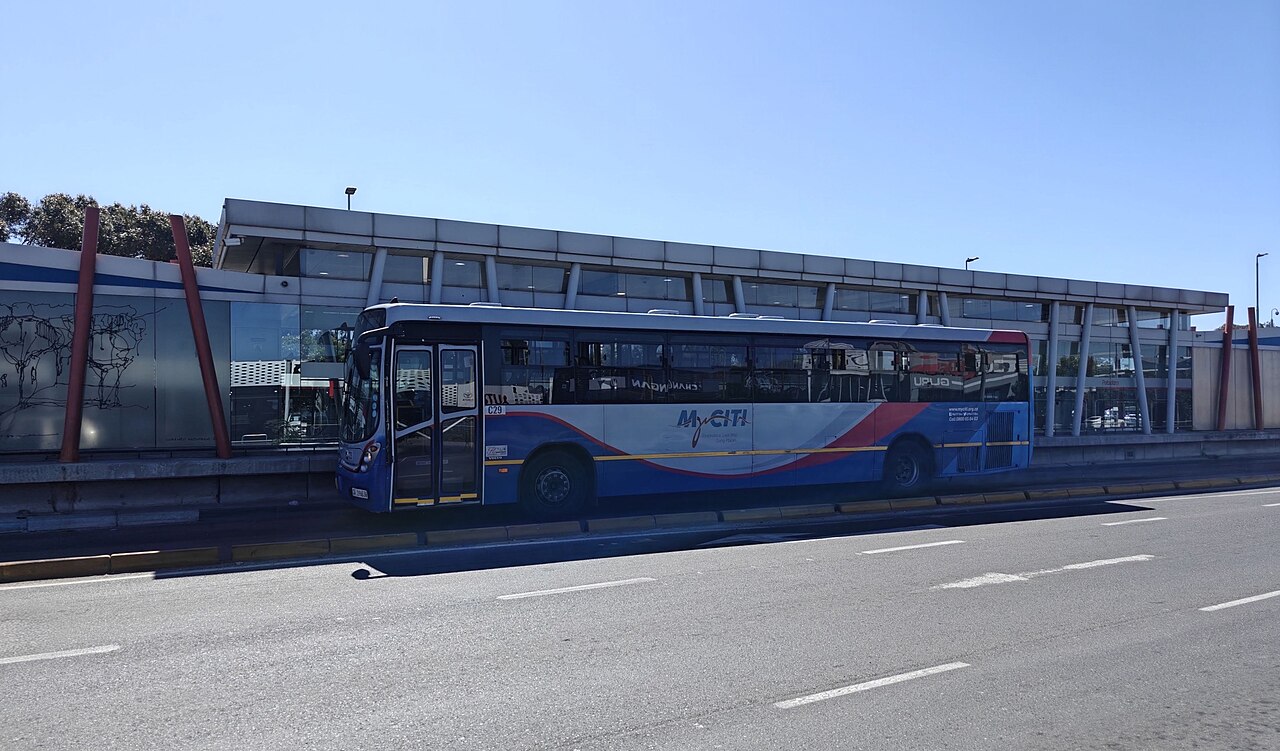
In Gauteng, consult the Gautrain operator for journeys its network serves. In Cape Town, use the MyCiTi route information to check whether your accommodation and destination connect conveniently. A citywide transport label is less useful than a verified stop, departure and last service.
For app-based rides, book inside the app, compare the registration and driver details, and use the designated pickup area. Do not get into a different car because someone says they are replacing your driver. If travelling with a child seat, wheelchair or bulky luggage, confirm a suitable vehicle rather than hoping the first available car can accommodate it.
Walking works for particular areas and hours, not as a blanket transport strategy. Ask your host about the exact route and return time. A short distance on a screen may involve an unsuitable crossing, steep slope or isolated stretch. Choose door-to-door transport when that is the practical solution.
Intercity coaches and rail
Check intercity operators directly for the route, departure point, baggage rules and actual travel date. A coach itinerary needs a plan at both terminals, including a delayed arrival. Avoid choosing a journey solely because its advertised fare is lowest; compare arrival time and whether a dependable onward transfer is available.
Do not assume passenger trains form a frequent national tourist network. Services, routes and booking windows can change, and luxury rail products are different from ordinary public trains. Treat any rail journey as an individually verified booking with its own station arrangements. A train photograph or an old timetable is not proof that a particular service is currently bookable.
Getting Around FAQ
Do I need a rental car for the whole holiday?
No. Combine city transport, domestic flights and transfers where they fit. Hire a car for regional touring or self-drive parks when the freedom is useful and you are comfortable driving.
Can I drive a normal car in Kruger?
Vehicle choice depends on the roads and accommodation you will use. Check current park guidance and the rental contract. Park driving is slow and governed by gate times; it should not be planned using highway speeds.
Is an International Driving Permit enough?
No. Carry the original valid licence as well and confirm the rental company's document and insurance requirements before travel.
Should I drive between distant regions or fly?
Compare the complete travel day and total cost. Flying often suits distant regions on a shorter holiday; driving makes sense when worthwhile stops along the route are part of the holiday itself.



