
AFRICA · SOUTH AFRICA GUIDE
South Africa with Kids: Family Travel Planning
A family holiday in South Africa works best when the itinerary respects children's energy, the realities of transport and the rules of each activity. The country offers wildlife, gardens, museums, coast and varied food, but a child being welcome at a hotel does not mean every safari drive, boat trip or walking route is suitable. Make the practical decisions before choosing the most dramatic photographs.
Start with ages, sleep needs, mobility and the amount of driving everyone tolerates. Select a small number of overnight bases with useful local options, including a weather alternative and an easy meal. A balanced week in one region often gives a family more enjoyable experiences than crossing the country repeatedly. The itineraries guide provides route shapes that can be slowed down.
Choose the shape of your family trip
On a small screen, scroll the table sideways to compare all columns.
| Trip style | Why it can work | What to confirm |
|---|---|---|
| Cape Town with local outings | Several types of day from one room | Transport, flexible mountain plans and manageable days |
| A selected Garden Route section | Coast, forest and a slower road journey | Driving stages, water safety and exact activity access |
| National-park self-drive | You control breaks and the day's pace | Vehicle comfort, designated stops and park rules |
| A family-focused safari lodge | Meals and activities can be organised together | Minimum ages, private vehicle rules and childcare details |
Cape Town: one base with varied days
Choose an accommodation location around meals and actual pickup arrangements, not simply a list of nearby attractions. An apartment can simplify breakfast and early nights, while a hotel may offer useful services. Confirm sleeping arrangements, balconies, pool barriers and the room's route from the entrance. A family room label does not explain whether beds are separate, whether there is a kitchenette or how sound carries after bedtime.
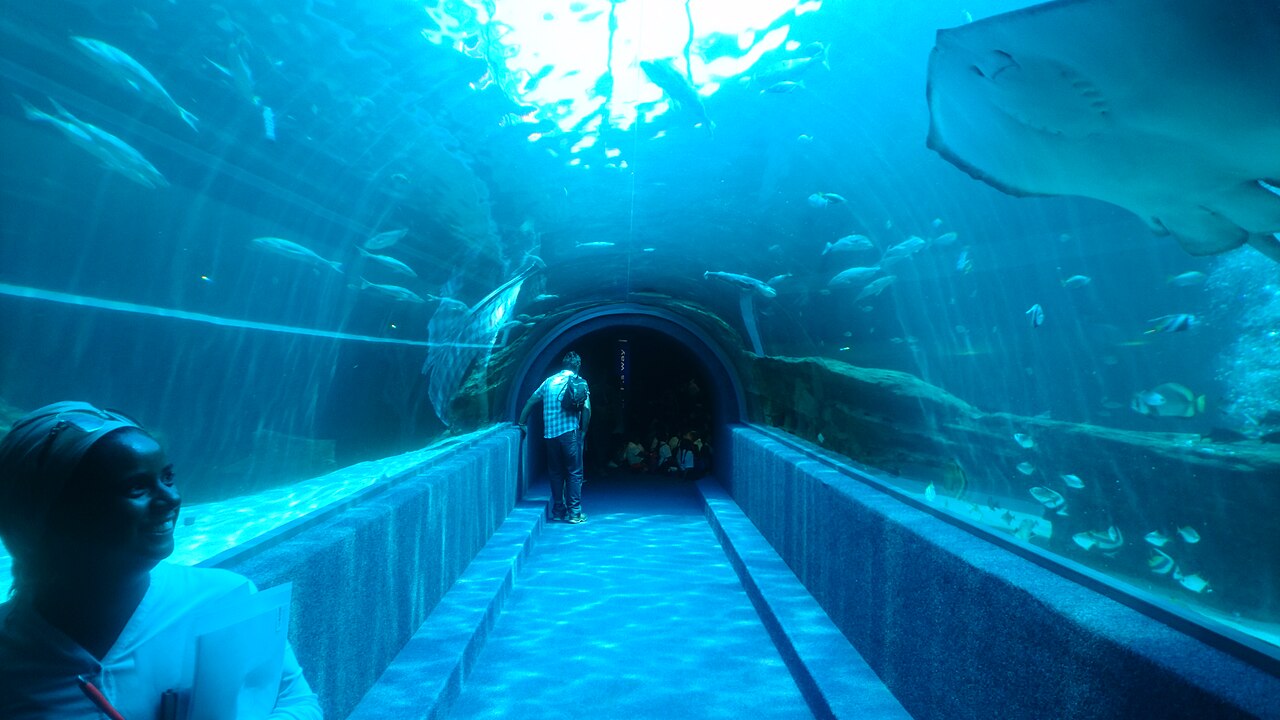
The Two Oceans Aquarium's official planning page provides current visitor information and practical facilities, including changing and accessibility details. It can be a useful indoor choice when the weather disrupts an outdoor plan. Look at the exhibits with children's interests in mind rather than scheduling it only as a place to fill time.
Keep a mountain outing dependent on weather and the group's comfort. A cableway journey is different from a hike, and a short distance on a map says little about exposure, steps or weather changes. For a Peninsula day, select a few stops with room for meals and breaks. Trying to include every viewpoint, a long lunch, penguins and an additional distant activity can turn a scenic day into an extended car journey.
Gardens and penguins: check surfaces and boundaries
Kirstenbosch can offer space, plants and a gentler alternative to a more demanding mountain day, but it is not uniformly flat. SANBI's visitor guidance explains that slopes and surface conditions vary and identifies accessible areas. Use the garden's actual map when deciding whether a stroller or wheelchair route is suitable, especially if a particular upper section is the main attraction.
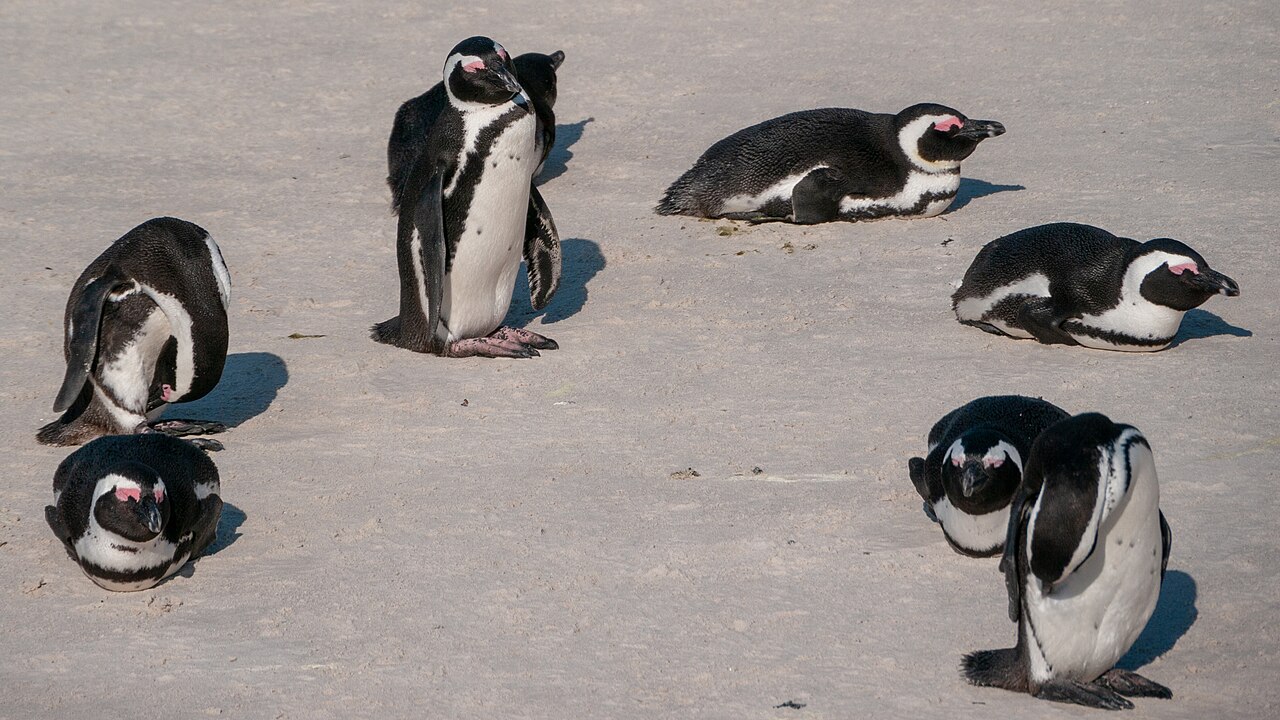
At Boulders, make penguin viewing a lesson in respectful observation. SANParks explains the boardwalk viewing area and asks visitors not to touch or feed the birds. A penguin approaching a path is not an invitation for children to move closer. Keep hands, food and cameras on your side of the barriers and allow the animals space.
The viewing area and beach experience have different practical considerations. Check tide conditions, available space and the actual approach rather than assuming a sheltered-looking cove is a supervised swimming area. Decide in advance whether the day is about viewing wildlife or spending time at the water, and bring the appropriate clothing and supplies for that plan.
Choose safari by age and daily rhythm
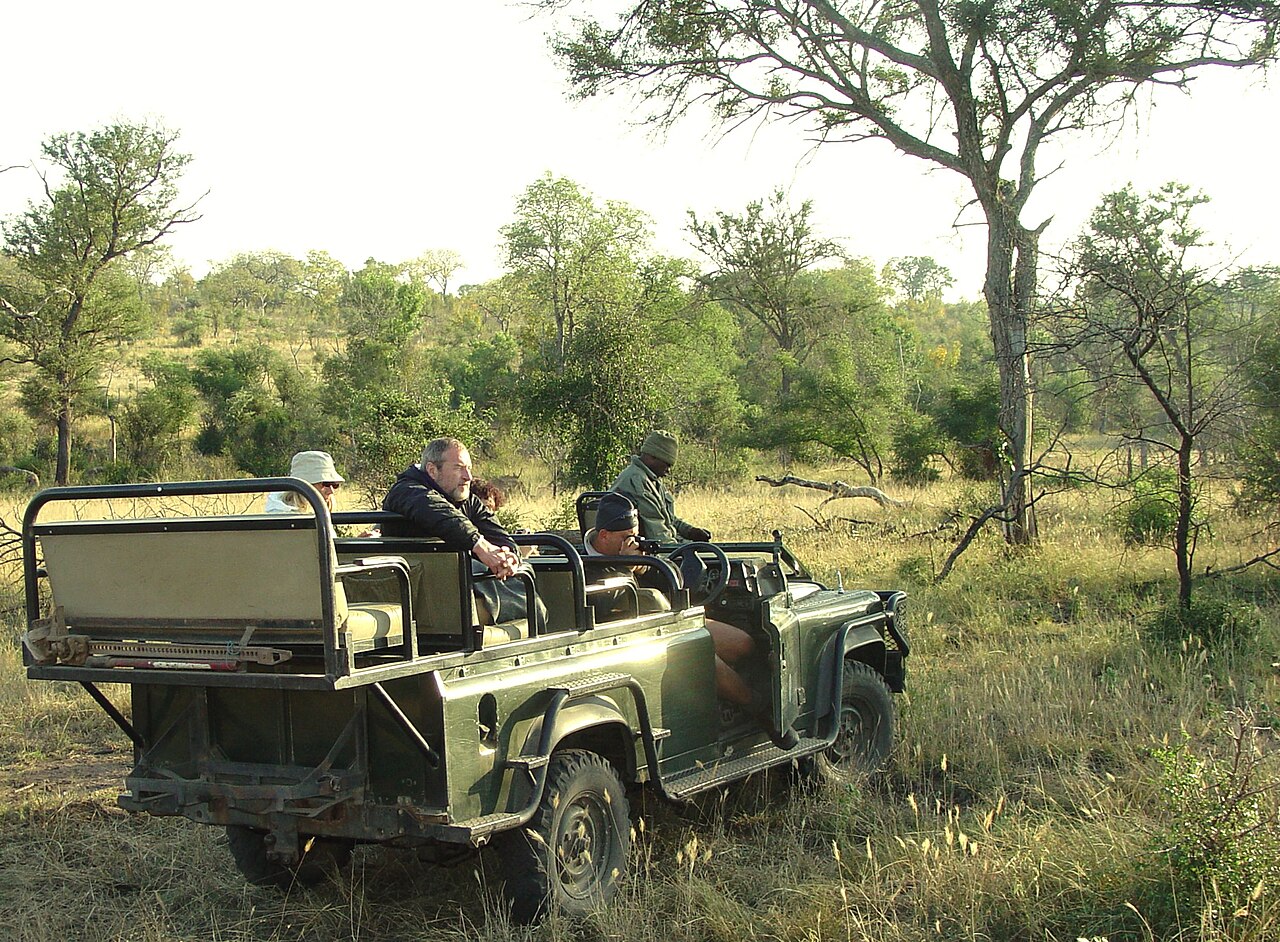
Before booking a safari, ask each provider about the youngest child in the group. SANParks does not permit children under six on its Kruger guided game drives. A private lodge can have different rules, including requirements for a private vehicle or limits on particular sightings. Get the policy for your exact activity in writing rather than assuming the accommodation's family policy covers it.
Self-drive gives you more control over the length of an outing, but it places the responsibility for navigation, behaviour and breaks on the adults. Plan short loops with designated stops rather than an entire day in the car. Binoculars, a simple bird or animal checklist and time to look at smaller species can hold interest better than repeatedly promising a lion that may not appear.
At a lodge, ask about meal flexibility, child supervision, pool safety and any unfenced areas. “Children's activities” should describe who leads them, where they happen, minimum ages and whether a parent must attend. Babysitting, a kids' club and a family guide are different services. Never infer that an unfenced safari setting is safe for independent play because the marketing photographs show families.
An Eastern Cape safari can fit a southern route without the additional northeastern flight. Addo's official overview identifies its self-drive and guided options. Discuss health preparation for the complete journey with a clinician; a destination's malaria classification does not answer every question about a child's medical needs or a holiday that also visits another region.
Make a road trip comfortable
Choose driving stages based on the family's pace, not the fastest navigation estimate. Collecting a car, fitting suitable child restraints, buying supplies and reaching the accommodation all take time. Confirm the restraint's size and installation arrangements with the rental company or transfer provider before arrival; availability should not be left to a vague booking note.
On the Garden Route, stay several nights in one town and choose outings nearby. A forest walk, an estuary activity and a beach visit can each fill a satisfying part of a day without requiring a new room. Check the operator's minimum ages, life-jacket arrangements and weather policy for any boat or water-based activity. A gentle-looking photograph does not establish suitability for your child.
Keep drinks, snacks, spare clothing and a simple activity accessible during transfers. Build in breaks at appropriate public facilities and keep luggage secure when stopping. The goal is not to eliminate every inconvenience; it is to avoid booking a day so tightly that an ordinary delay turns into a late arrival or an exhausted evening.
Food, rest and health preparation
Ask accommodation providers about dietary needs and meal timing before choosing a remote stay. A restaurant saying it can cater for children does not necessarily mean it can meet a serious allergy requirement. Explain the actual ingredients and preparation concerns, then decide whether the answer meets your needs. Self-catering can help with routine meals, but you still need a practical place to shop.
Arrange travel-health advice for your specific route and ages, carry necessary medication in a sensible format and know how to reach help through your insurer and local providers. Use the health and safety page for the source-based preparation checklist. Do not copy an adult's medication decision or a friend's experience to a child without professional advice.
School holidays and public holidays can change availability at family-oriented stays. Check the official school calendar alongside your travel dates, then confirm the actual property's cancellation terms. A quieter school-term week may offer a different atmosphere, but no calendar can guarantee an uncrowded attraction.
Introduce history at an appropriate level
South Africa's museums can open important conversations, especially with older children, but material about imprisonment, racism and forced removal needs thought. Look at the content before visiting and tell a guide the ages in your group. Constitution Hill's visitor information addresses visits with children and the precinct's conduct expectations.
Choose one substantial cultural visit and leave time afterwards for questions and a lighter activity. Do not use a child as a prop in a photograph with residents or wildlife. Asking permission, listening and respecting a refusal are valuable travel habits for every age, and adults need to model them throughout the trip.
South Africa family travel FAQ
Can toddlers go on safari?
Some accommodation accepts them, but guided activities may not. Check the exact provider's age and vehicle rules. A short self-drive outing or an appropriate family programme may be an alternative, subject to park rules and your family's health and practical needs.
Should we choose Cape Town or the Garden Route?
Cape Town offers varied days from one urban base; the Garden Route suits families who enjoy a road journey with nature stops. With limited time, select one rather than treating both as obligatory. Your children's tolerance for transfers is more useful than a generic attraction ranking.
What should we book first?
Confirm the hardest constraints first: entry and health preparation, suitable flights, child-compatible safari or accommodation, and safe transport arrangements. Then add flexible local days. A room that cannot accommodate your family properly is a more serious problem than missing an optional outing.



