
Choose a photographic subject
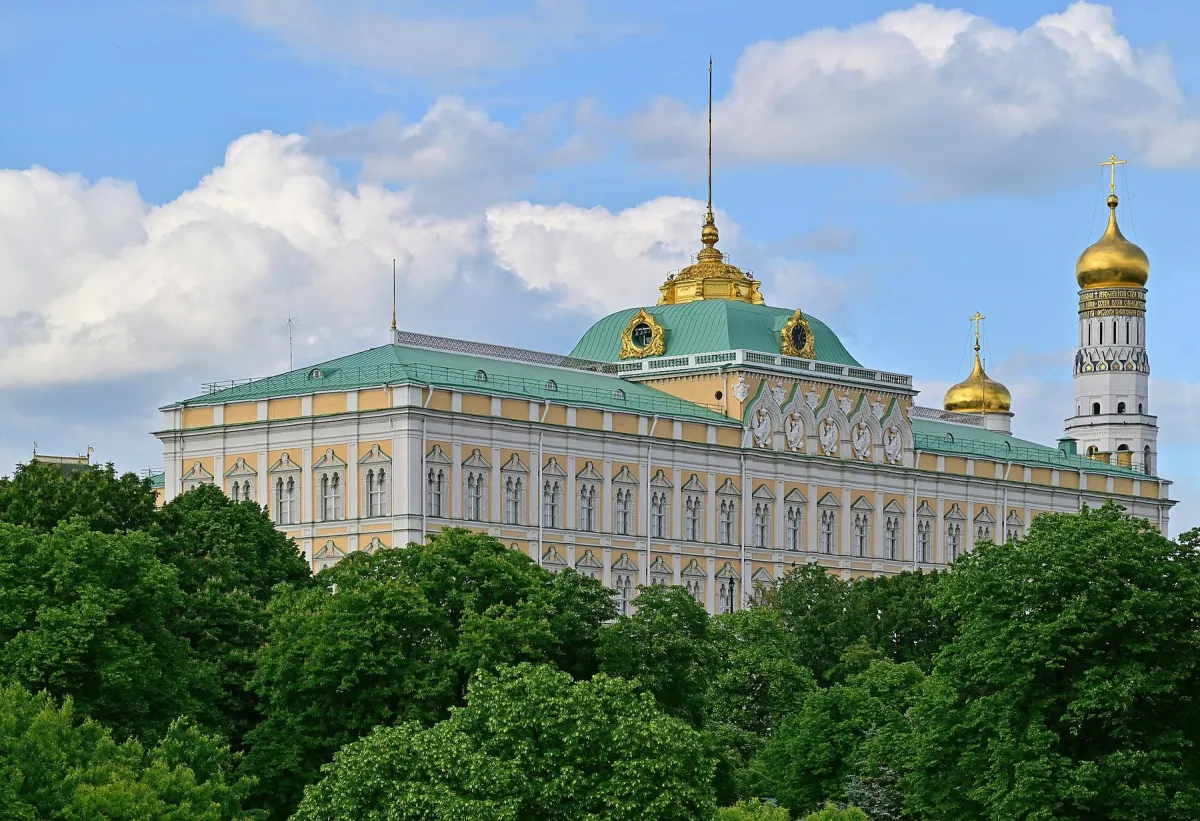

Begin with one main interest and a nearby second subject. A wide view explains the relationship between buildings; a smaller architectural detail tells a different story. A roof, reflection or pedestrian street rewards patient observation more than collecting a long list of landmark names. The comparisons below are editorial photography suggestions, not opening hours, guaranteed lighting windows or statements of permission.
| Subject | What to look for | Conditions to judge | Detailed guide |
|---|---|---|---|
| Red Square | Edges of the square, scale and relationships between landmarks | Crowds, temporary displays, snow and the permitted walking route | Red Square photographs |
| Kremlin ensemble | River context, walls, domes and individual cathedral forms | Exterior position and the separate museum route | Kremlin exterior and cathedrals |
| GUM | Repeated arches, roof structure and a view along a passage | Interior light, decoration and circulation | GUM interior |
| Old Arbat | Upper façades, side streets and respectful human context | Moving people and the actual light along your chosen segment | Old Arbat walk |
| Novodevichy | The ensemble, pond setting and smaller architectural details | Wind, water, paths and separate access decisions | Novodevichy setting |
| Kolomenskoye | The Ascension Church’s silhouette in its landscape | Ground conditions, distance and the reserve entrance | Kolomenskoye |
| University / Sparrow Hills | Building symmetry, foreground scale or a wider city view | Visibility, slopes and the actual public finish point | University and landscape |
Plan a central session around Red Square and the Kremlin
For a first photography session, the Red Square area gives you several related architectural subjects. Start by looking at the whole space before moving closer. The Kremlin wall, St Basil’s Cathedral, GUM and the State Historical Museum form different edges and scales. Choose whether your opening frame should explain the ensemble or concentrate on one boundary. People can establish scale without becoming the main subject.
Then select two or three closer studies. At St Basil’s, compare the complete outline with a single dome or decorative surface. At the northern end, the State Historical Museum provides a broad façade, while Kazan Cathedral benefits from a frame that explains its adjoining street. The point is to vary what the pictures communicate, rather than repeat a similar front view at every stop.
GUM adds an interior architectural subject when visitor access and the current rules suit your plan. Look along a passage for repeated shapes, then upward for the roof structure. Seasonal decoration may interrupt a clean architectural view or become the subject itself. Keep shop entrances and circulation clear, and check permission before planning specialist equipment.
Treat a Kremlin museum visit as a separate commitment within the day. The Annunciation Cathedral and Dormition / Assumption Cathedral belong to the ensemble inside the walls. Their names, silhouettes and access decisions differ from St Basil’s outside. The Grand Kremlin Palace also needs a precise identification; it is distinct from the State Kremlin Palace performance venue. Use the Kremlin Museums visitor information for the actual admission and route.
Use Old Arbat for a slower street-scale session
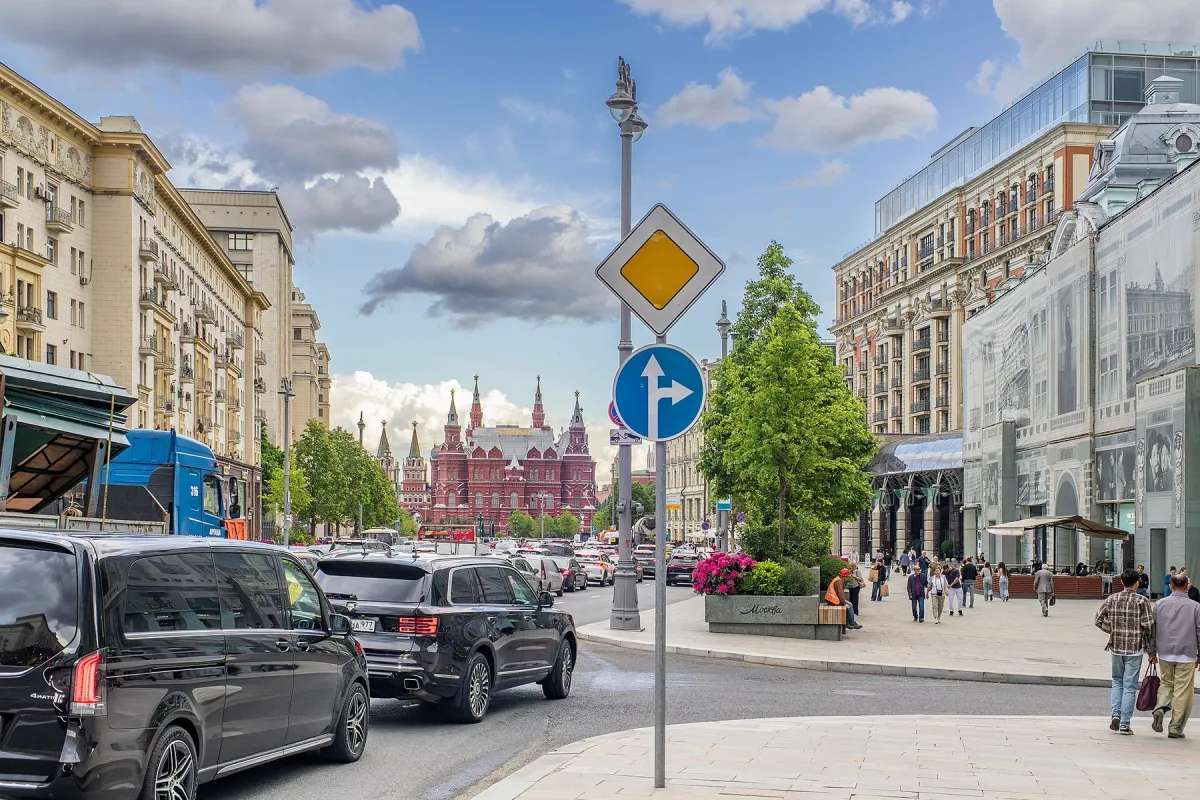

Old Arbat changes the task from photographing an isolated monument to reading a street. Look above the shopfronts for façade rhythm, changing building heights and details that a hurried souvenir walk can miss. Choose a short pedestrian segment and a sensible finish point. Old Arbat and New Arbat are different streets with different traffic settings; the name alone is not a complete walking plan.
Make one wider image with room for people to move through the scene, then wait for a clearer arrangement or choose a smaller detail. Ask before making an identifiable portrait of a performer, shopkeeper or customer. A compact session with time to observe can be more productive than continuing simply to cover distance. The Old Arbat section connects the photographic subject with the practical walk.
Choose one wider setting for another outing
Novodevichy, Kolomenskoye and Sparrow Hills each offer a different relationship between architecture and open space. Give the chosen setting a proper route and return plan. They should not be treated as interchangeable additions to the same central walk.
At Novodevichy, a pond-side composition can explain the ensemble and its setting, while a tower detail gives a closer architectural reading. Reflection depends on wind and water; it cannot be promised from a reference photograph. Choose the outside landscape, convent or cemetery as your priority and check their access separately.
At Kolomenskoye, the Ascension Church’s silhouette works in relation to open ground, trees and the slope. The reconstructed wooden palace is a different subject elsewhere in the reserve. Select the entrance for the part you intend to visit, then leave time for the walk back. Kolomenskoye and the separate city of Kolomna are different destinations.
For the university area, decide whether you want the main building’s architectural form or a wider Sparrow Hills landscape. A centred building frame, an oblique view and a broad panorama tell different stories. The university building is not automatically a tourist interior. Use the Moscow orientation map and itineraries to compare these outings before adding another stop.

Choose light and seasonal conditions for the picture
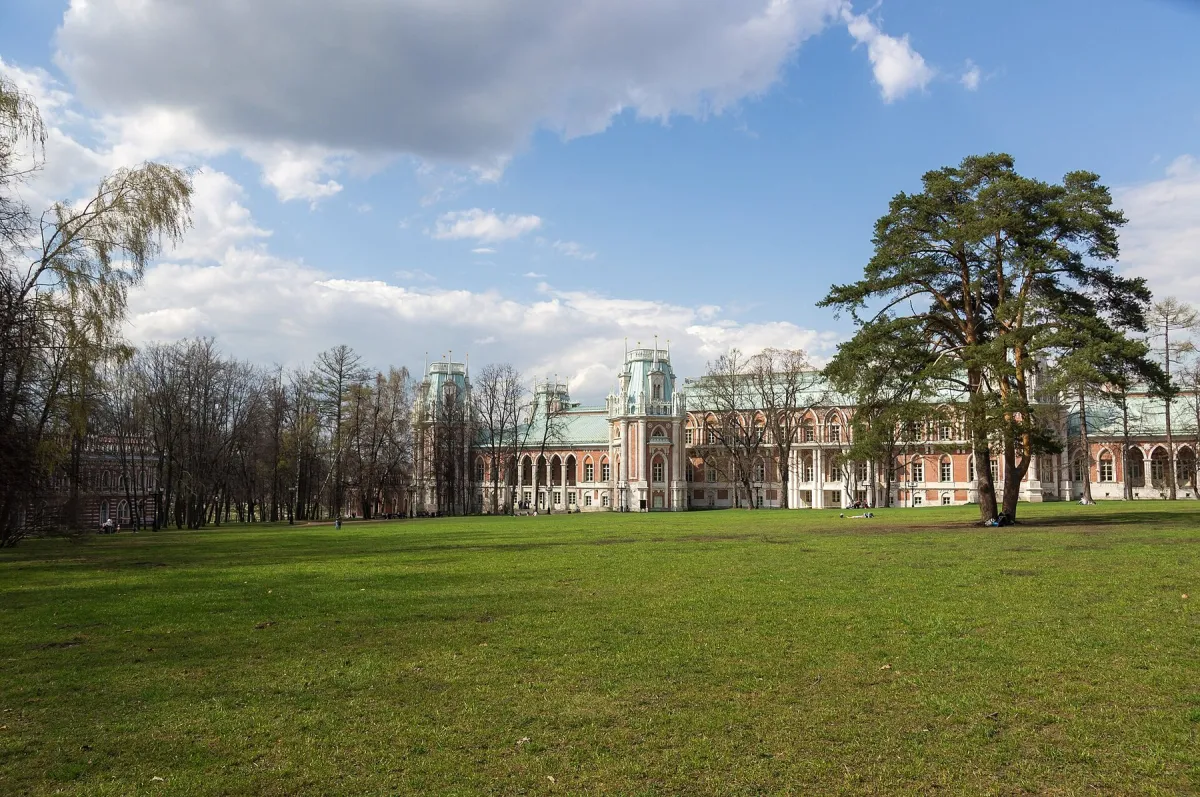
There is no single best hour for every Moscow subject. Side light can reveal a façade’s texture; softer overcast light may help with a balanced architectural study. A skyline needs usable visibility, and a pond reflection needs suitable wind as well as light. Check the forecast and actual daylight for your date, then select the picture that suits the conditions.
In winter, snow can simplify a foreground but also change paths, walking speed and the time you are comfortable standing outside. In rain, covered passages or a shorter street session may fit better than a distant view. Keep an alternative in the same general area and use Best Time to Visit for the broader seasonal trade-offs. Dry your equipment before packing it and allow a gradual temperature change when moving between cold outdoors and warm interiors.
Make the equipment serve the composition
A phone or a modest camera can cover the main choices here. Start with a normal-looking perspective, check the frame edges and decide how much foreground the subject needs. An ultra-wide view can include the whole scene, but nearby façades may stretch or lean dramatically. Sometimes stepping to another permitted position produces a clearer result than choosing the widest lens.
For an interior, make a handheld test frame and inspect highlights around windows or a glazed roof. For a broad exterior, check whether a sign, lamp or passer-by distracts from the intended relationship between buildings. Make a context photograph before a detail so your final selection can explain both where you were looking and what caught your attention. A tripod or commercial setup requires its own permission check.
Separate a visible subject from permission to photograph it
Follow the current instructions at each museum, religious site and public space. Access to a building does not automatically include every room or every type of photography. Worshippers, memorial visitors and ordinary passengers have priorities beyond your picture. Ask before making portraits, leave entrances clear and change your plan when a route is restricted.
Historical images of official buildings supply documentary context, not a current photography itinerary. The Russian White House image is kept with the architectural background for that reason. Drone use is a separate question requiring current official information. Read Responsible Travel and plan the journey through Getting Around.
Read the reference photographs accurately
Read each source caption alongside the picture. A dated image may show earlier decoration, different weather or an approach that is no longer available. It can still help you study composition when that context is clear. Keep similar names distinct: Dormition and Assumption refer to the same Kremlin cathedral here; the Annunciation Cathedral is another building; Moscow’s Kazan Cathedral is distinct from the monument in Saint Petersburg.
Moscow Photos & Photo Spots FAQs
Where should I start for a first Moscow photo session?
The Red Square area offers related architectural subjects in a compact central setting. Choose an exterior orientation and a few closer studies, then allow separately for any museum or cathedral admission.
Is sunrise or sunset always the best time?
No. The subject, façade direction, visibility, weather and permitted access matter. Judge the actual light for the picture instead of treating one hour as a guarantee.
Which setting suits a slower architectural outing?
Novodevichy offers an ensemble and pond context; Kolomenskoye combines church architecture with a large reserve; the university area offers building form and a different landscape perspective. Choose one for its subject and route.
Where are the individual location photographs?
They are integrated into the matching Attractions, Things to Do and About Moscow sections linked throughout this guide, alongside their visitor or architectural context and image credits.
Do the images establish current access or camera permission?
No. They record their source conditions. Check the current entrance, visitor route and photography instructions for the site and equipment you intend to use.