
RUSSIA · MOSCOW GUIDE
Responsible Travel in Moscow: Worship, Photos & Daily Choices
Responsible choices in Moscow are most useful when they are specific: choose a manageable route, follow the actual venue’s rules, ask before photographing people and buy with clear provenance. A broad “sustainable” label does not establish the impact of a hotel, tour or transport service.
Religious and memorial places
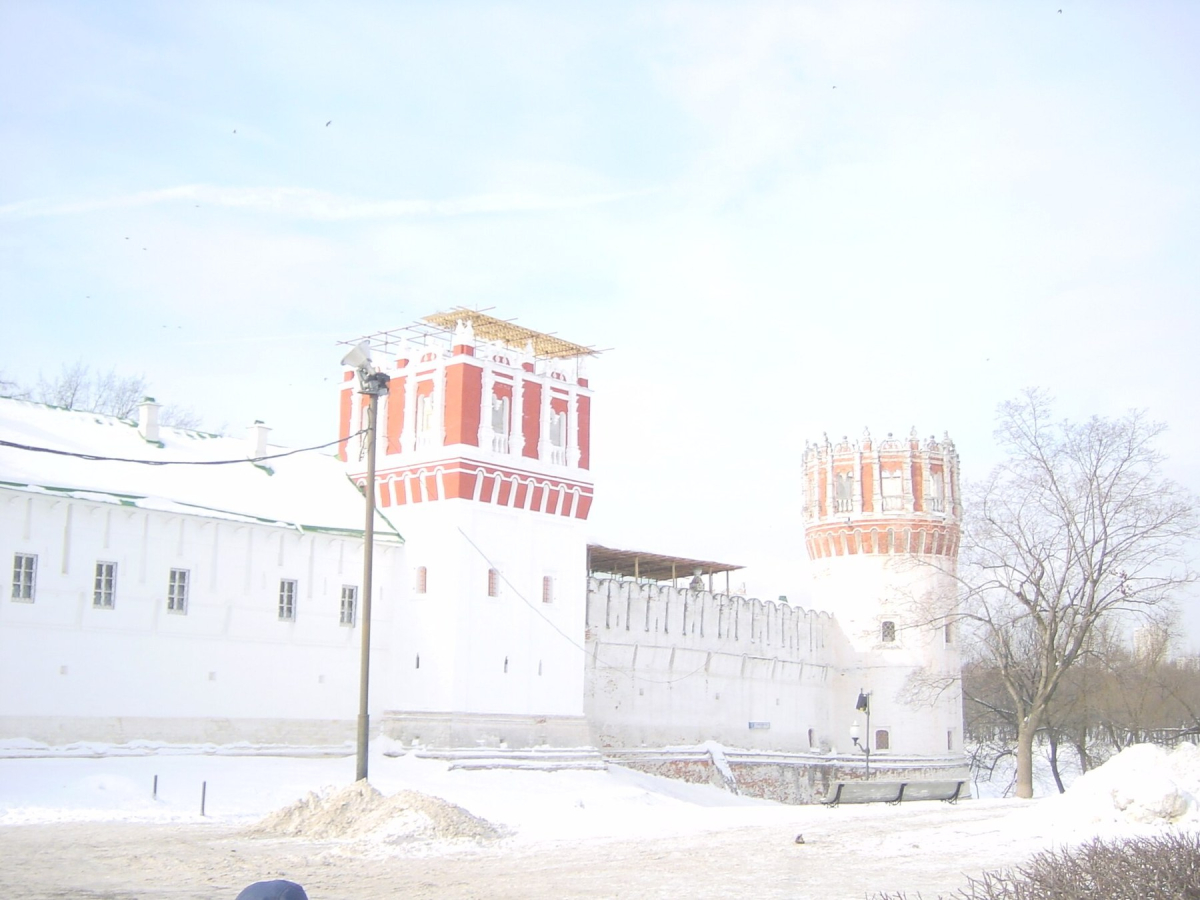

At a working church or convent, worship takes priority over a visitor’s photograph. Follow signs and staff instructions on clothing, quiet, movement and photography. An open exterior area does not imply that every interior or ceremony can be photographed.
At cemeteries and memorials, keep to the permitted route and avoid intrusive images of mourners or worshippers. Ask before photographing an identifiable person. A historical image online does not provide consent for a new portrait.
Photography, privacy and sensitive sites
Use the photo-location guides to understand a subject, then assess the current access and rules. Keep passageways clear, avoid placing equipment where it obstructs transport users, and obtain permission for commercial or specialist photography where required.
Do not approach guarded or sensitive government, military or transport infrastructure for a photograph. Follow any instruction to stop. Drone use requires its own current official permissions and cannot be inferred from ordinary handheld photography rules.
Plan fewer unnecessary journeys
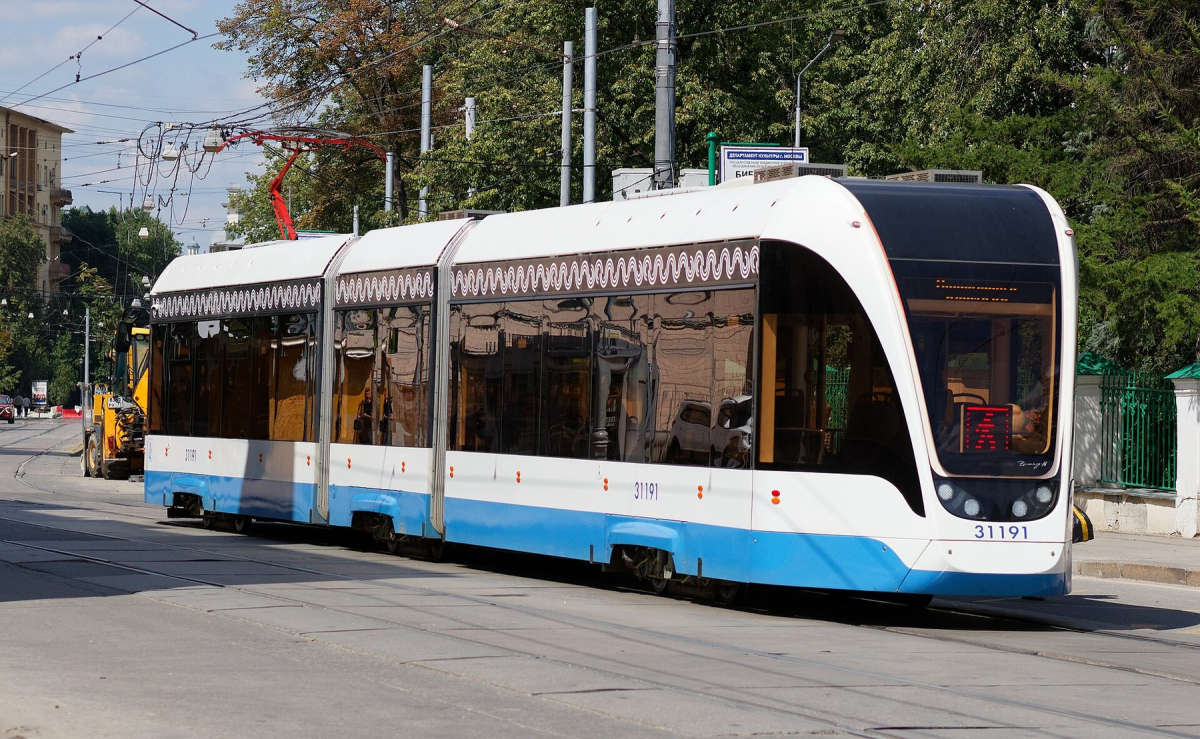

Choose one district for a substantial part of the day. A gallery, nearby meal and short walk often produce a better visit than repeated trips between opposite sides of the city. Public transport can support that plan when the route is usable for your group.
Do not describe a transport choice as low-impact purely from a promotional label. Consider the actual journey, accessibility and whether an extra transfer makes the trip impractical. Getting Around helps compare the options.
Local purchases and clear provenance
Ask who made a craft item, where it was produced and what material it uses. A stall in Moscow does not prove local production. For antiques or culturally significant objects, verify provenance and the applicable export and destination rules before paying.
Choose food gifts by ingredients, origin, packaging and transport rules. Avoid buying more perishable food than you can use. The shopping section distinguishes a useful gift decision from a generic souvenir list.
Parks, waste and realistic claims
Keep to permitted paths, take waste to a suitable bin and do not leave food for wildlife. A reusable bottle or bag helps only when it is actually used appropriately; do not assume a park has a refill point or sorting facility without checking.
Ask a provider what a claimed environmental practice means in operation. This guide does not assign an unverified sustainability certificate or claim that a purchase offsets a trip. Use practical evidence and choose the option you can carry out.
Responsible Travel FAQs
Can I photograph worshippers because the church is open?
Ask for consent and follow the venue’s rules. Public access does not automatically authorize a portrait or photography of a service.
Does ordinary camera permission cover a drone?
No. Drone use is a separate regulated activity and requires its own current official permissions.
Is every souvenir sold in Moscow locally made?
No. Ask about the maker, origin and material; verify provenance for expensive or culturally significant objects.
Does this guide certify providers as sustainable?
No. It recommends specific practical checks and does not assign unverified environmental labels.