
User login
Moscow Health & Safety
Visiting Moscow is generally safe and comfortable, but it’s always wise to know the essentials about health and safety in Moscow. Russia’s capital has excellent medical facilities, reliable emergency services, and a low rate of violent crime — yet, like in any large city, smart precautions ensure a smooth trip.
Overall Safety Overview
Moscow is one of the safest capitals in Europe in terms of street crime. Central areas such as Tverskaya, Arbat, and Kitay-Gorod are well-patrolled and full of security cameras. Petty theft can occur in crowded tourist spots and on the Metro, but serious incidents are rare.
- Emergency Number: 112 (works for police, ambulance, and fire service)
- Police (direct line): 102
- Tourist Police: +7 (495) 694-9229 (English-speaking assistance)
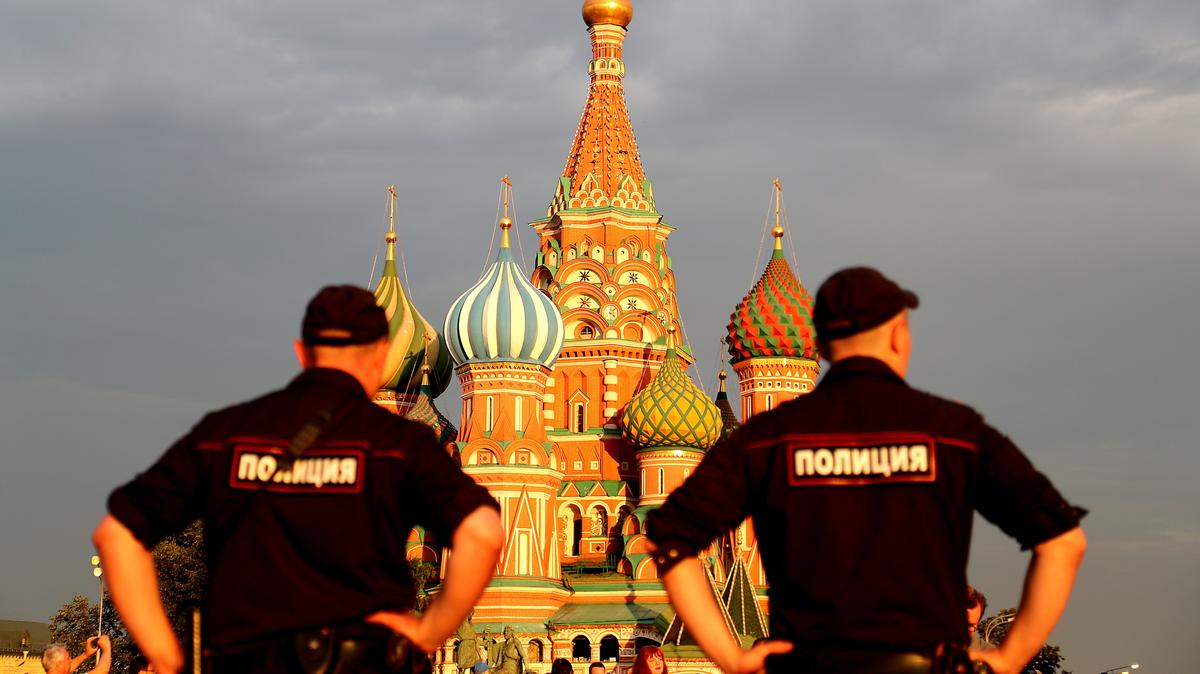
You’ll see a visible police presence at train stations, airports, and public events. Always carry a copy of your passport and visa — random ID checks are legal but rare.
Health System & Medical Care
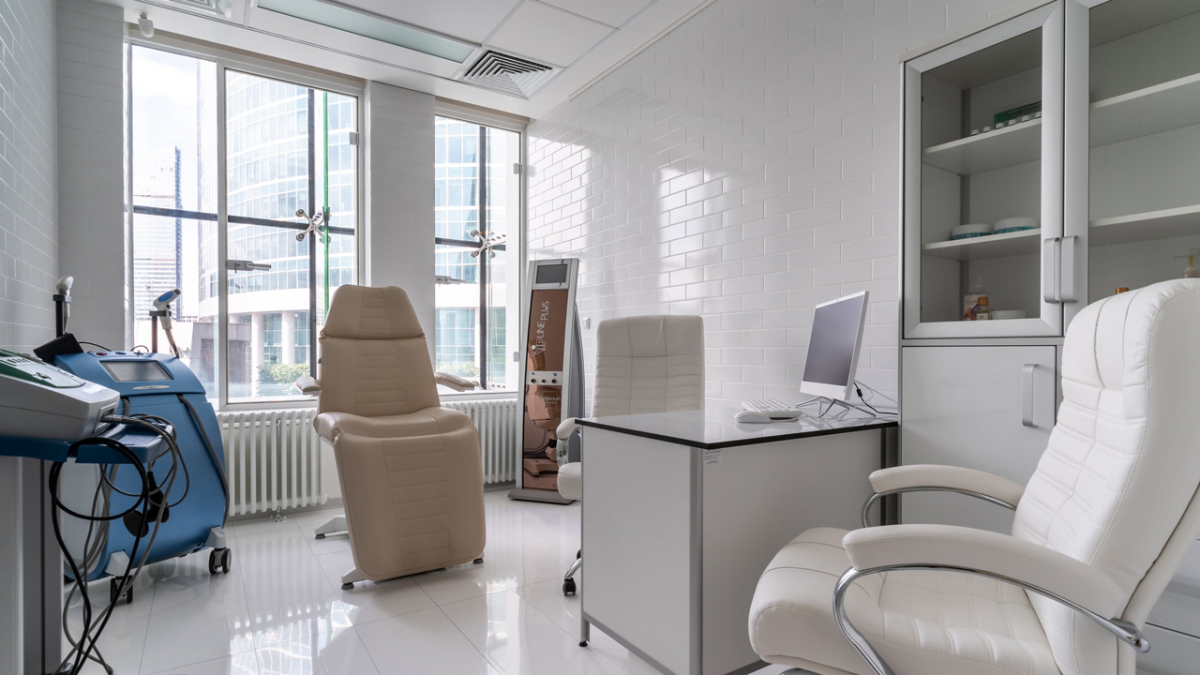
Moscow’s healthcare network is extensive, with both public and private hospitals. Private clinics are highly recommended for foreign visitors — they’re modern, efficient, and offer English-speaking doctors.
- European Medical Center (EMC): +7 (495) 933-6655 – emcmos.ru
- American Medical Center: +7 (495) 933-7700 – amcenter.ru
- GMS Clinic: +7 (495) 781-5577 – gmsclinic.com
Pharmacies & Medicine
Pharmacies (Аптека / “apteka”) are common and well-stocked. 24-hour pharmacies are found near Metro stations and hospitals. Prescription medicines are easily available, but always carry documentation for personal medication.
- Common pharmacy chains: 36.6, Neopharm, A.v.e
- Generic medicine prices are lower than in Western Europe
- Bring travel health insurance covering outpatient and hospital care
Water, Food & Hygiene
Tap water in Moscow is officially safe to drink, but locals usually prefer bottled or filtered water due to the mineral content. Food hygiene standards are high, especially in restaurants and hotels. Street food in central areas is safe if freshly prepared.
- Buy bottled water from reputable brands such as BonAqua or Aqua Minerale
- Wash fruits and vegetables before consumption
- Check restaurant hygiene ratings on Yandex Maps or Google
Common Health Risks
No major health risks exist in Moscow, but you should prepare for the city’s continental climate and traffic-heavy environment.
- Cold exposure: In winter, frostbite can occur — wear thermal gloves, boots, and layers.
- Air quality: Occasionally reduced during summer heatwaves or winter smog; sensitive individuals should limit outdoor time.
- Seasonal flu: Vaccinations are widely available; consider getting one if visiting in winter.
- Ticks: Rare within the city but possible in surrounding forests — use repellent if hiking.
Safety Tips for Travelers
- Avoid exchanging money on the street — use official banks or ATMs inside malls.
- Beware of pickpockets in crowded areas (Metro, Red Square, markets).
- Use official taxi apps like Yandex.Taxi or CityMobil instead of unmarked cars.
- Keep valuables in a money belt or inside zipped bags.
- Watch for icy sidewalks in winter — wear shoes with good traction.
Vaccinations & Insurance
No special vaccinations are required to enter Russia. Routine immunizations such as MMR, tetanus, and influenza are recommended. Comprehensive travel health insurance is highly advised, as hospitals may require proof of coverage before treatment.
- COVID-19: No current entry restrictions, but carry proof of vaccination if available.
- Travel Insurance Providers: Allianz, AXA, World Nomads all accepted locally.
Emergency Services
In emergencies, dial 112 — operators will direct you to police, ambulance, or fire services. You can also visit 24-hour emergency departments (“Скорая помощь” / Skoraya Pomoshch) in major hospitals.
| Hospital / Service | Phone | Address |
|---|---|---|
| City Clinical Hospital No. 67 | +7 (495) 952-4675 | 26 Leningradsky Avenue |
| Sklifosovsky Emergency Institute | +7 (495) 621-0210 | 3 Bolshaya Sukharevskaya Square |
| European Medical Center (24/7) | +7 (495) 933-6655 | 2 Shchepkina Street |
Personal Safety & Local Laws
Russian law enforcement is strict about identification, alcohol consumption, and public behavior. Be respectful of local customs and avoid political demonstrations.
- Carry a passport (or copy) with visa/registration details at all times.
- Public intoxication or drinking in streets is illegal.
- Photography of government or military sites may be restricted.
- Always use marked pedestrian crossings — jaywalking fines apply.
Useful Contacts
- Tourist Police (English-speaking): +7 (495) 694-9229
- Emergency Number (any service): 112
- U.S. Embassy Moscow: +7 (495) 728-5000
- British Embassy Moscow: +7 (495) 956-7200
- European Medical Center: +7 (495) 933-6655
Where to Go Next
- About Moscow – Learn about the city’s culture and character.
- Travel Tips for Moscow – Practical advice for a worry-free visit.
- Contact Information for Moscow – All key numbers and embassy addresses.
With modern healthcare, efficient emergency systems, and friendly tourist support, Moscow is a very safe destination for international visitors. Preparedness and basic awareness go a long way toward ensuring your trip remains enjoyable and stress-free.
