
User login
Moscow Money
Moscow Money
Understanding money and payment systems in Moscow is key to traveling confidently in Russia’s capital. This Moscow Money guide explains everything about currency, ATMs, tipping, mobile payments, and budgeting so you can manage your expenses smartly and avoid common pitfalls.
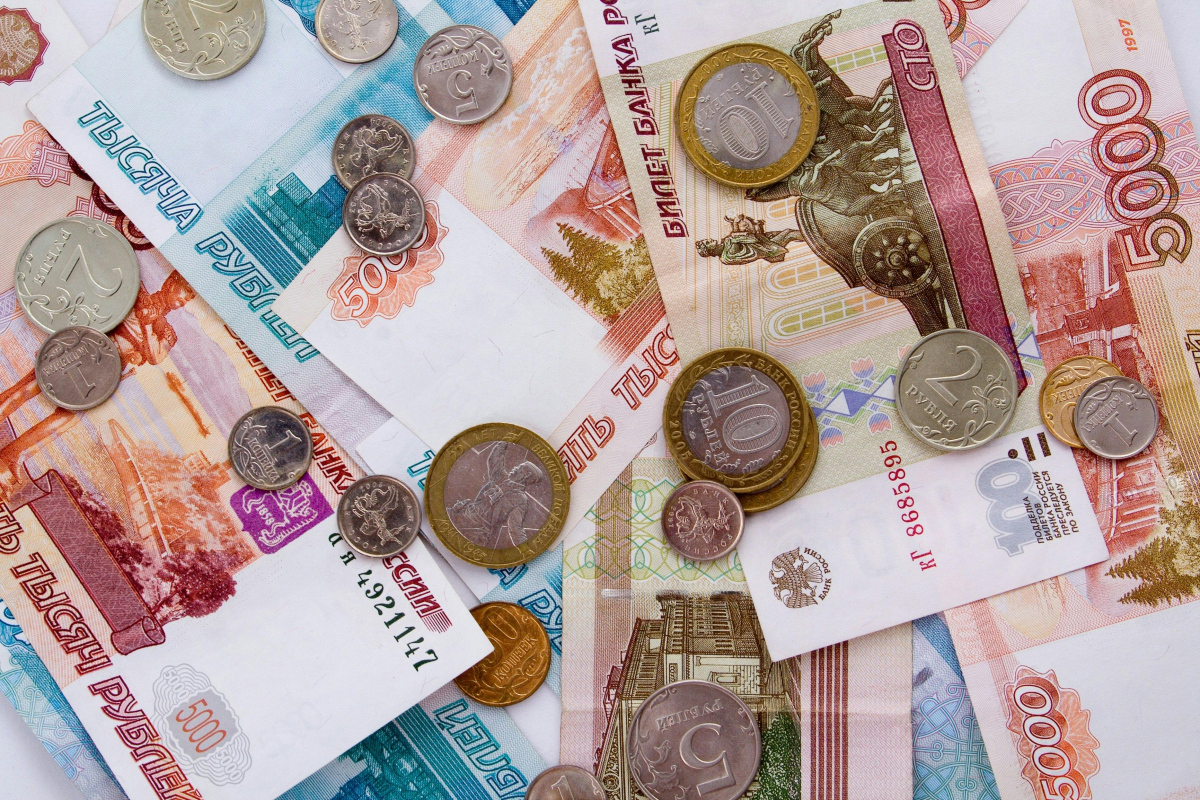
Official Currency: The Russian Ruble (RUB)
Russia’s official currency is the Russian Ruble (₽, RUB). Banknotes come in denominations of 50, 100, 200, 500, 1,000, 2,000, and 5,000 rubles. Coins are issued in 1, 2, 5, and 10 rubles, as well as smaller kopeks (though kopeks are rarely used today).
- Currency code: RUB
- Symbol: ₽
- 1 Ruble = 100 kopeks
Cash is still widely used in Moscow, especially in smaller shops, markets, and suburban areas. However, cards and contactless payments are now accepted almost everywhere in the city center.
Exchange Rates & Money Conversion
The ruble’s exchange rate fluctuates regularly. As of recent months, 1 USD ≈ 95–100 RUB and 1 EUR ≈ 100–105 RUB. Always check rates before exchanging currency.
You can exchange foreign currency at:
- Authorized exchange offices (“Обмен Валюты” signs)
- Major banks such as Sberbank, VTB, or Alfa-Bank
- ATMs offering USD or EUR withdrawals (for account holders)
Avoid exchanging money with street vendors — it’s illegal and risky. Exchange counters inside shopping centers and Metro stations often have fair rates, but always check the receipt for hidden commissions.
ATMs and Credit Cards
ATMs are widespread across Moscow, particularly near Metro stations, malls, and hotels. Most accept international Visa and Mastercard cards, though Western sanctions can sometimes affect availability.
- Recommended banks: Sberbank, Tinkoff, Raiffeisen, and Gazprombank
- Withdrawal limits: Around 10,000–40,000 RUB per transaction
- Fees: 1–3% for international cards (check with your home bank)
If your card is not accepted, use services like Wise or Revolut to top up a local digital card or carry cash in euros or dollars to exchange upon arrival.
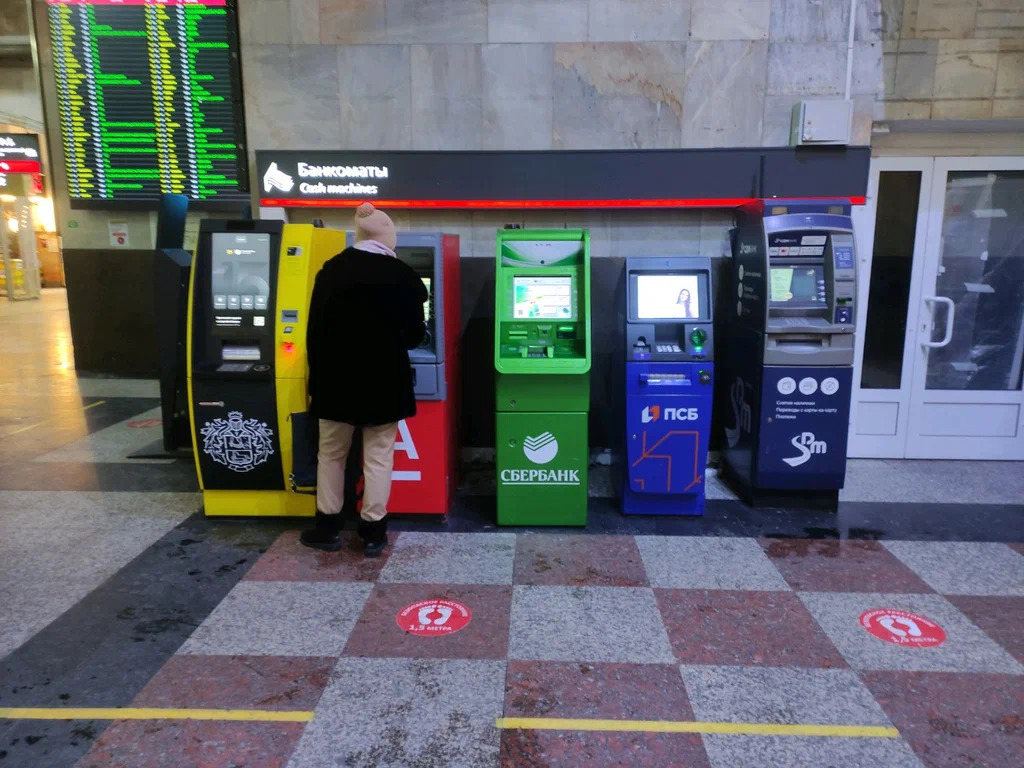
Using Credit & Debit Cards
Moscow is largely cashless. You can use cards in most restaurants, taxis, museums, and stores. Contactless payments (tap-to-pay) and mobile apps such as Apple Pay, Google Pay, and Mir Pay are widely supported — though foreign-issued cards may not work with all services due to sanctions.
- Best option for tourists: Carry both cash and a Visa or Mastercard.
- American Express: Rarely accepted.
- UnionPay: Accepted in select banks and shops.
Many travelers now rely on local MIR cards (Russia’s domestic payment system). If staying long-term, consider opening a temporary Russian bank account to simplify payments.
Tipping in Moscow
Tipping isn’t mandatory but is appreciated for good service. It’s customary to leave 5–10% in restaurants, cafés, or for taxi drivers.
- Restaurants: 10% for attentive service
- Hotels: 100–200 RUB for porters; 200–300 RUB for housekeeping (per day)
- Taxis: Round up or add 5–10% (in cash or via app)
- Guides: 500–1,000 RUB per half day
Budget Planning
Moscow can be affordable or luxurious depending on your travel style. Here’s a rough idea of what you can expect per day:
| Category | Budget Traveler | Mid-Range | Luxury |
|---|---|---|---|
| Accommodation | 2,000–3,500 RUB | 5,000–10,000 RUB | 15,000+ RUB |
| Meals | 1,000–2,000 RUB | 2,500–4,500 RUB | 6,000+ RUB |
| Transport | 200–400 RUB | 500–1,000 RUB | Private transfer |
| Attractions | Free–500 RUB | 500–1,000 RUB | Private tours 10,000+ RUB |
Check the Cost of Living in Moscow guide for a deeper breakdown of daily expenses and practical examples.
Safety & Counterfeit Awareness
Counterfeit notes are rare but possible. Always check large denominations (1,000 and 5,000 RUB) for watermarks and security threads. Exchange only at official counters and count your money discreetly.
If you lose your card or suspect fraud, contact your bank immediately. Most banks in Moscow have English-speaking operators for emergencies.
Money Tips for Travelers
- Carry small bills (100–500 RUB) for street kiosks and markets.
- Keep a mix of cash and digital payment options.
- ATMs inside banks are safer than standalone machines.
- Use ride apps like Yandex.Taxi instead of paying drivers directly.
- Download Currency Converter Plus or XE for real-time rates.
Where to Go Next
- Travel Tips for Moscow – Local advice on money, safety, and getting around.
- Transportation Guide for Moscow – Learn about Metro, taxis, and travel cards.
- Food & Drinks in Moscow – Dining, cafés, and must-try local dishes.
With proper preparation and awareness, managing money in Moscow is simple and secure. Russia’s capital blends old-world charm with modern convenience — you’ll find that paying for experiences here is as smooth as the city’s legendary Metro ride.
