
Food & Drinks in Moscow
Moscow’s culinary scene is as diverse as its history — blending imperial traditions, Soviet nostalgia, and international innovation. From elegant fine dining restaurants to cozy Soviet-style cafés and bustling street food markets, the city offers a taste of both the old and the new Russia. This Food & Drinks in Moscow guide explores what to eat, where to dine, and how to experience the capital’s ever-evolving gastronomy.
Top Highlights
- Traditional Russian Dishes: Borscht, pelmeni, beef stroganoff, and blini.
- Modern Russian Cuisine: Creative twists by award-winning chefs in trendy venues.
- Markets & Street Food: Central Market and Danilovsky Market for authentic flavors.
- Vodka & Cocktails: Moscow’s nightlife is defined by inventive bars and classic spirits.
- Afternoon Tea: Russian tea culture lives on with samovars, pastries, and local jams.
Traditional Russian Cuisine
Russian food in Moscow goes far beyond stereotypes — it’s hearty, flavorful, and deeply connected to the country’s geography. Many classic dishes were designed to withstand cold winters, offering warmth and comfort in every bite.
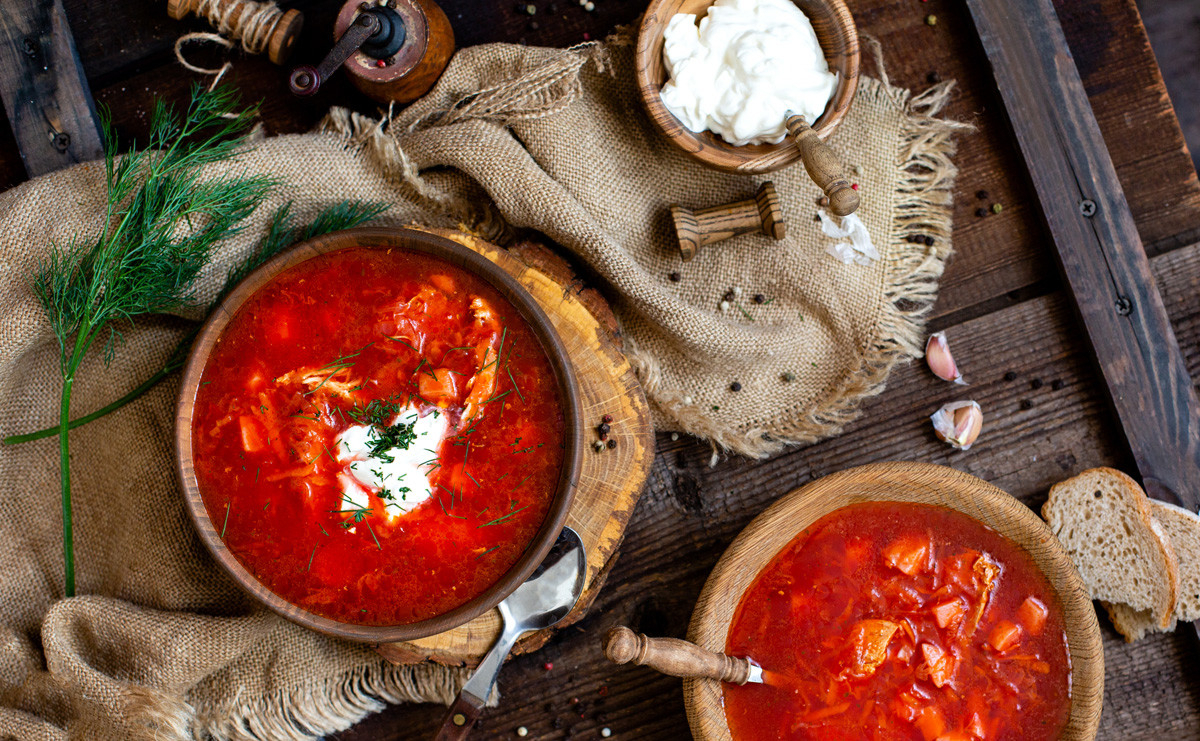
- Borscht: A beetroot soup served with sour cream and dill, often enriched with beef or vegetables.
- Pelmeni: Siberian dumplings filled with minced meat and served with butter or vinegar.
- Beef Stroganoff: Tender strips of beef in a creamy mushroom sauce, usually served with mashed potatoes.
- Blini: Thin pancakes eaten with caviar, jam, or sour cream — a staple at breakfast and holidays.
- Olivier Salad: A festive potato salad with peas, carrots, and mayonnaise — a Soviet-era favorite.
Modern Russian Dining
Moscow’s young chefs have redefined Russian cuisine with creativity and global flair. Restaurants in neighborhoods like Patriarch’s Ponds and Tverskaya are turning traditional recipes into artful experiences, using local ingredients and modern techniques.
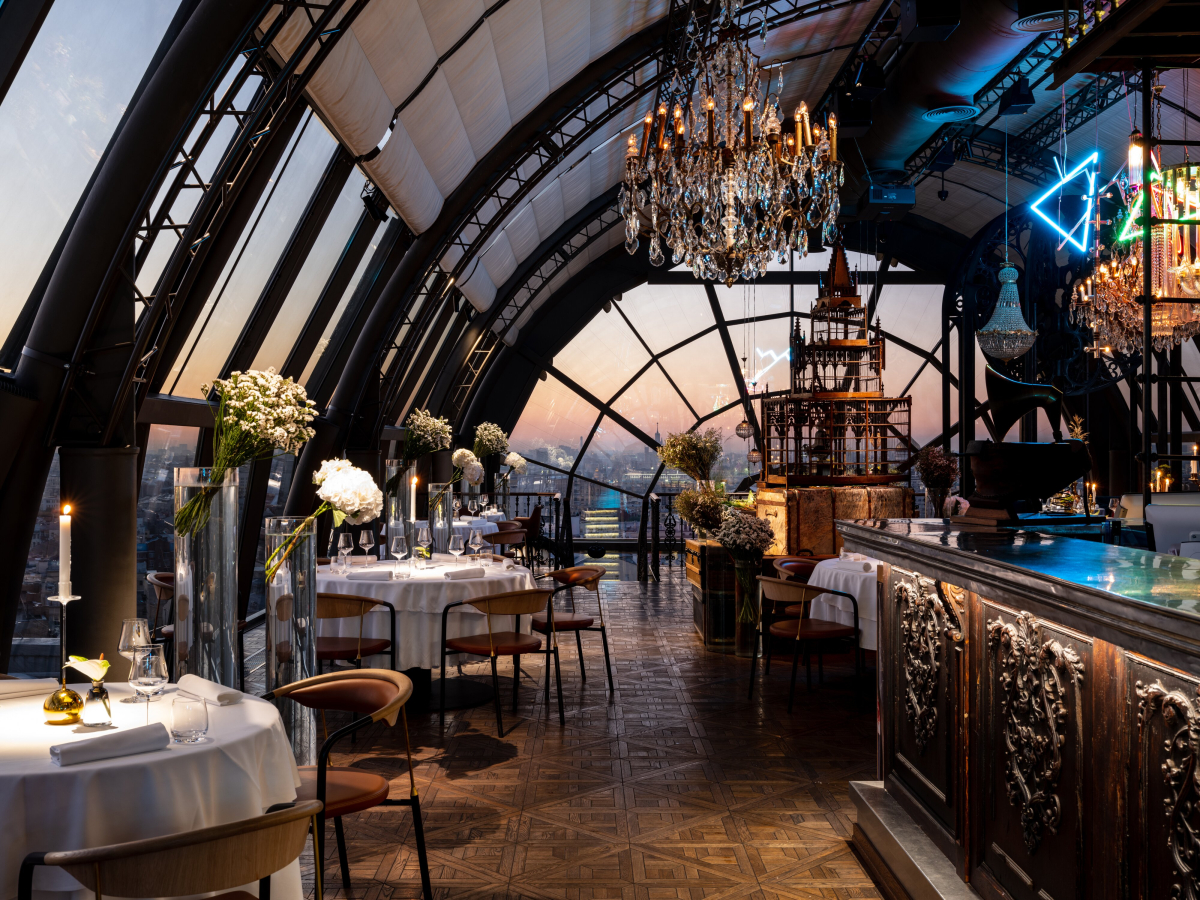
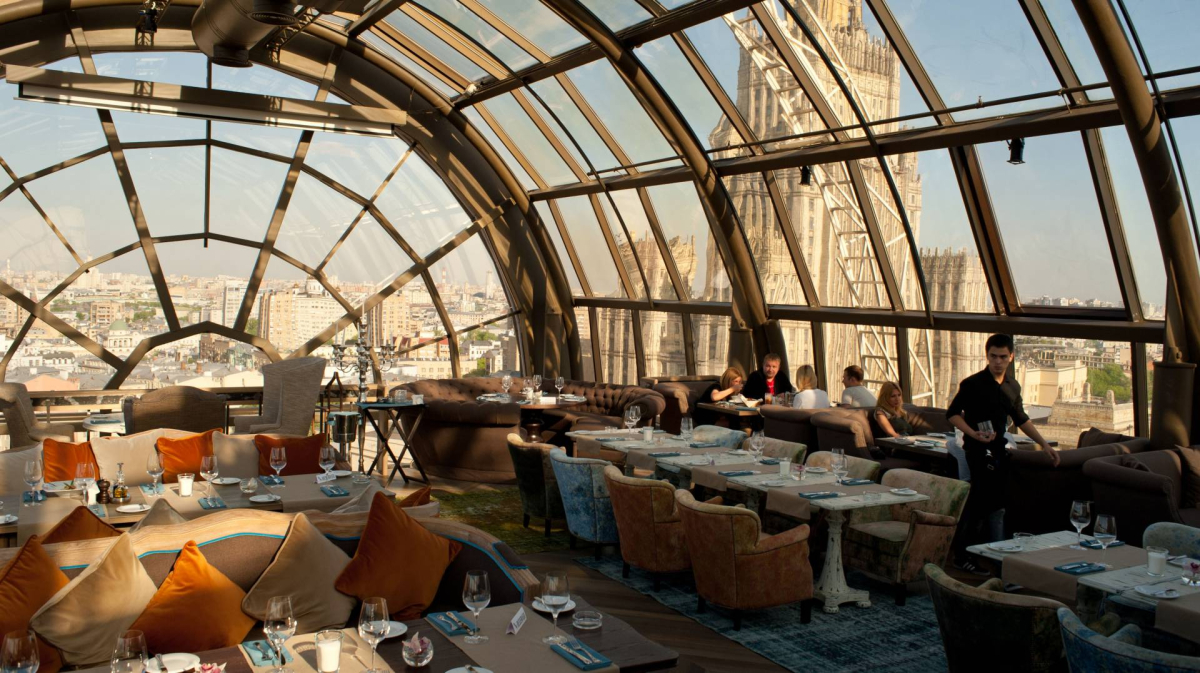
Try White Rabbit, ranked among the World’s 50 Best Restaurants, for a breathtaking city view and reinvented classics like smoked eel with beetroot. At Severyane, dishes are cooked entirely over an open flame, while Twins Garden celebrates farm-to-table dining with its own organic produce.
Casual Dining & Soviet Nostalgia
If you want a taste of the USSR, Moscow still cherishes its nostalgic side. Head to Varenichnaya №1 or Cheburechnaya Druzhba for hearty comfort food served in retro interiors filled with 1970s memorabilia. Locals love pirozhki (stuffed pastries), solyanka (smoky soup), and kotlety (pan-fried meat patties). For a cozy evening, try a “stolovaya” — a cafeteria-style canteen offering authentic Russian home cooking at affordable prices.
Markets & Street Food
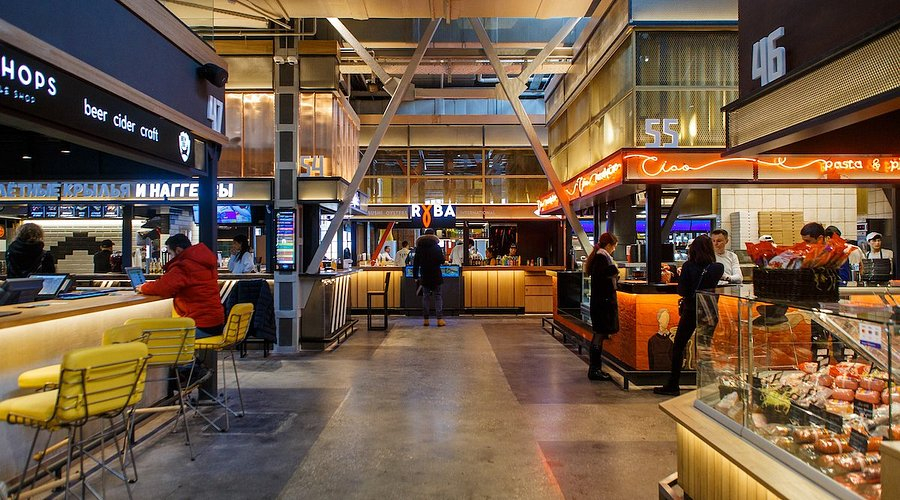
Moscow’s food markets have evolved into lively culinary destinations where locals and travelers mingle over gourmet snacks and craft coffee.
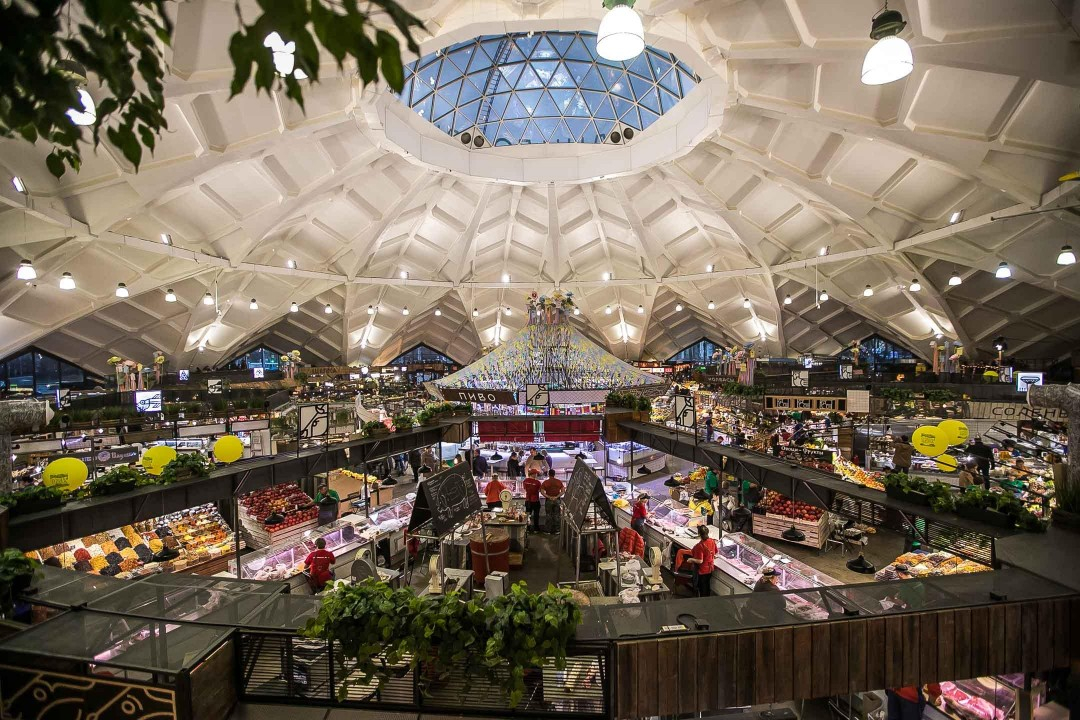
- Danilovsky Market: A beautifully renovated food hall with international stalls — from Georgian khachapuri to Japanese ramen.
- Central Market (Tsentralny Rynok): Trendy street food vendors, microbreweries, and dessert counters in a modern space.
- Depo Moscow: Europe’s largest gastronomic hub, with over 70 kitchens under one roof — a must-visit for foodies.
Sweet Treats & Cafés
Russians adore pastries, and Moscow is full of patisseries and tea salons. Try ptichye moloko (bird’s milk cake), honey-layered medovik, or the chocolatey Prague cake. Cafés such as Volkonsky, Coffee Mania, and Bread & Wine are perfect for relaxing after sightseeing.
Drinks & Nightlife
Moscow’s nightlife is among the most energetic in Europe. Vodka remains a national icon, but locals now favor craft cocktails and small-batch spirits. Explore hidden bars in basements or rooftops with skyline views.
- Chainaya Tea & Cocktails: A fusion of mixology and tea culture, with aromatic infusions.
- Beluga Noble Bar: Luxurious atmosphere with refined vodka-based drinks.
- Strelka Bar: A riverside favorite near the Red October district — great views and creative cocktails.
- Propaganda: A Moscow nightlife classic, combining club music and a laid-back dining vibe.
Russian Tea Culture
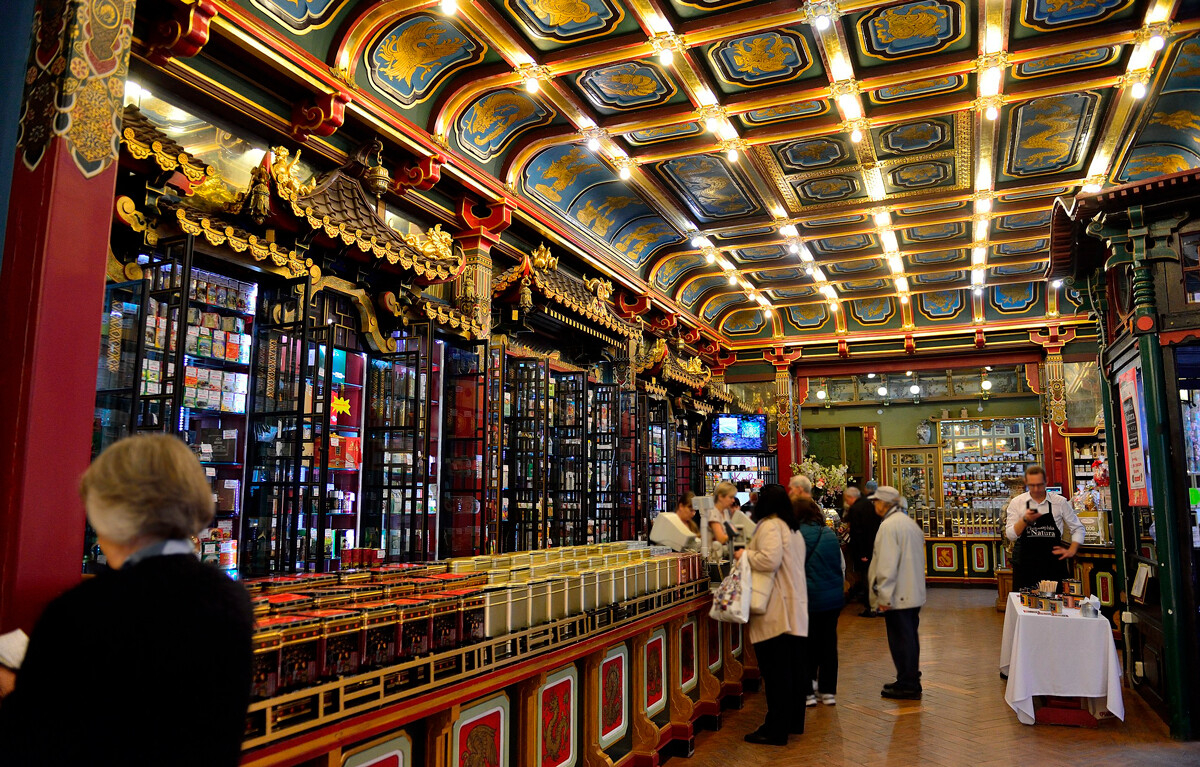
Tea, not coffee, has been the heart of Russian hospitality for centuries. Muscovites often gather for “chay s varenyem” — tea with homemade jams, honey, and sweets. You can still find traditional tea served in ornate samovars at places like Perlov Tea House on Myasnitskaya Street, a beautiful building that has been serving customers since the 19th century.
Vegetarian & Vegan Options
Moscow has become increasingly vegan-friendly, with creative plant-based restaurants and health-conscious cafés. Try Fresh for modern vegetarian cuisine or Jiva Burgers for locally made vegan burgers and kombucha. Even traditional eateries now offer lighter alternatives without sacrificing flavor.
Tips for Dining in Moscow
- Reservations: Popular restaurants fill quickly, especially on weekends — book online or by phone.
- Tipping: 10% is customary for good service unless already included in the bill.
- Language: Menus often have English translations in tourist areas, but translation apps are useful elsewhere.
- Dress Code: Smart-casual is appropriate at mid-range restaurants; upscale venues may expect formal attire.
- Tap Water: Safe for washing and brushing, but bottled water is recommended for drinking.
Where to Go Next
- About Moscow – Discover the city’s culture and daily life.
- Things to Do in Moscow – Explore top attractions and local experiences.
- Hotels in Moscow – Stay near the best restaurants and nightlife.
- Transportation Guide for Moscow – Move easily between districts and dining spots.
Whether you’re sipping tea in a century-old café, tasting caviar on Red Square, or sampling fusion flavors in a rooftop bar, Moscow invites you to savor every bite. The city’s culinary renaissance makes it one of Europe’s most exciting destinations for food lovers.