
About Moscow
Welcome to Moscow — Russia’s vibrant capital, where centuries-old history meets a fast-moving modern city. From golden-domed churches to cutting-edge architecture, Moscow is a destination that blends imperial grandeur with contemporary culture. This About Moscow guide introduces the city’s essence, geography, culture, and lifestyle — helping travelers understand what makes it one of the most fascinating capitals in the world.
Top Highlights
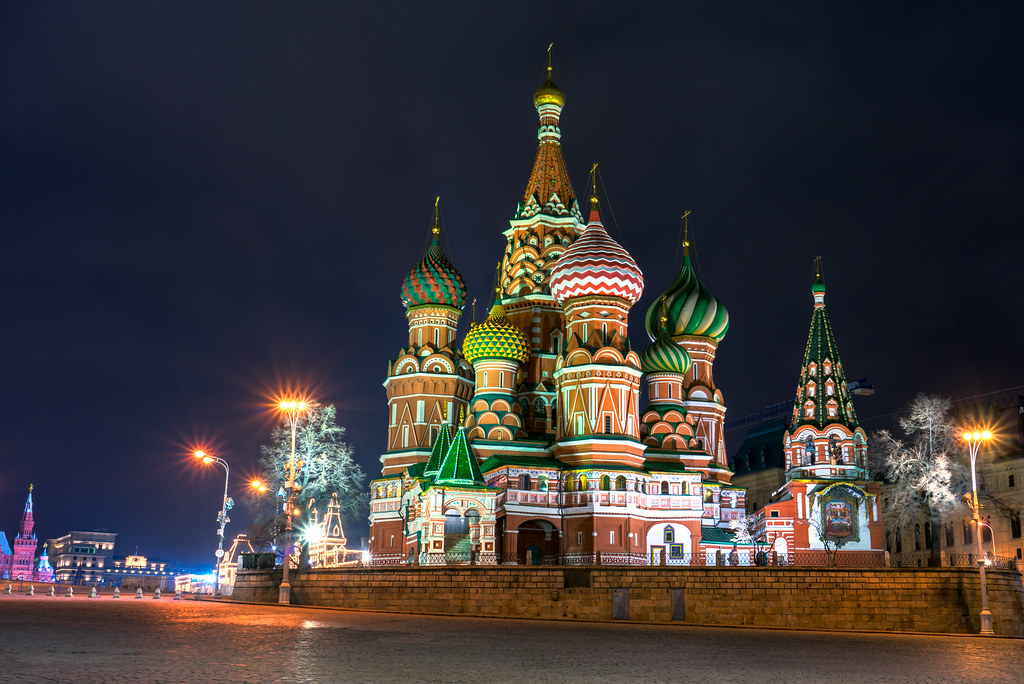
- The Kremlin & Red Square: The political and historical heart of Russia.
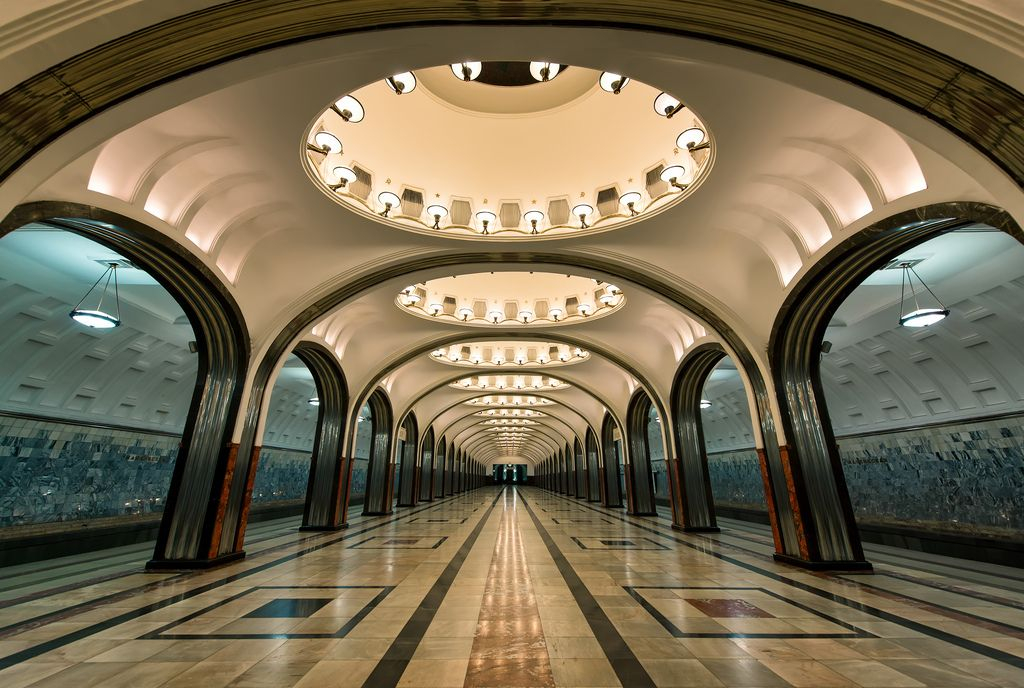
- World-Class Metro: A subterranean museum of art, marble, and mosaics.
- Architecture: A mix of Tsarist opulence, Soviet might, and modern skyscrapers.
- Cultural Life: Theatres, museums, and concert halls rivaling any global capital.
- Green Spaces: Parks, rivers, and gardens offering peace amid urban energy.
Geography & Location
Moscow lies in the heart of western Russia, on the banks of the Moskva River. It’s not only the country’s largest city but also its political, economic, and cultural centre — a metropolis of over 12 million residents. Surrounded by forests, parks, and satellite towns, Moscow combines urban dynamism with natural landscapes, making it a true “city within nature.”
History & Heritage
Founded in 1147 by Prince Yuri Dolgoruky, Moscow began as a small fortress and grew into the core of Russian identity. It became the seat of the Grand Duchy of Moscow in the 14th century, and by the 16th century, it had transformed into the centre of the expanding Russian Empire. Despite invasions, revolutions, and world wars, Moscow has always rebuilt itself stronger — preserving monuments that tell the story of a nation’s resilience.
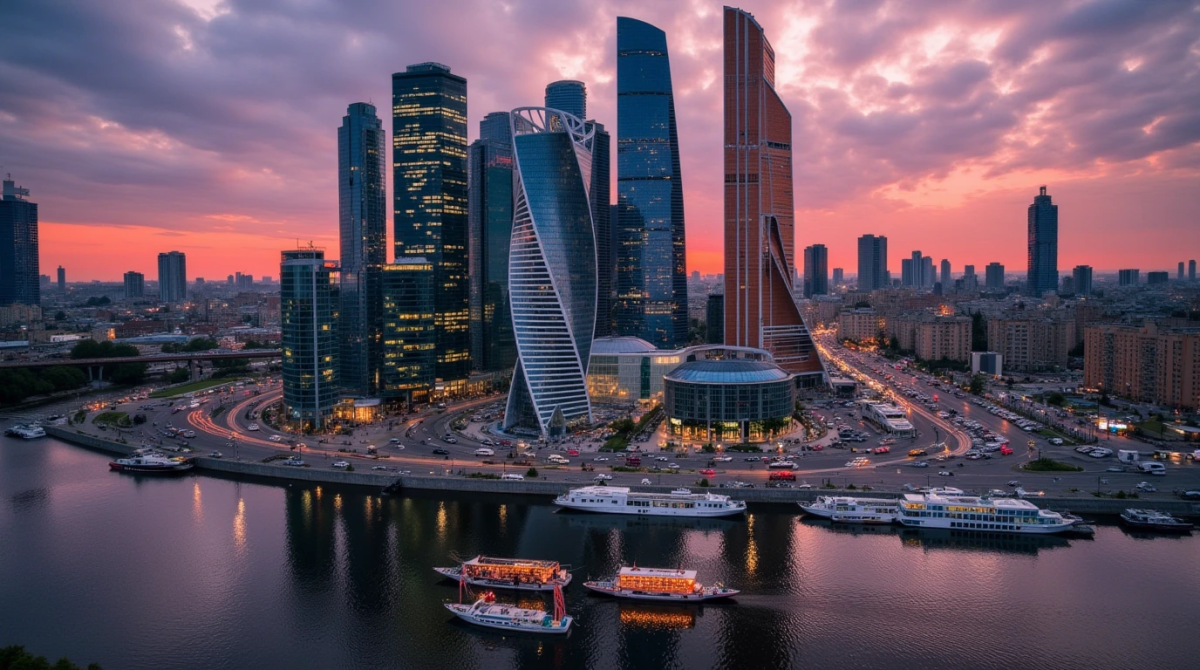
Today, landmarks like the Kremlin, Red Square, and St. Basil’s Cathedral stand as living symbols of this history. Soviet-era architecture, such as the Seven Sisters skyscrapers, mixes with 21st-century towers in Moscow City, showing the city’s constant evolution.
Culture & Lifestyle
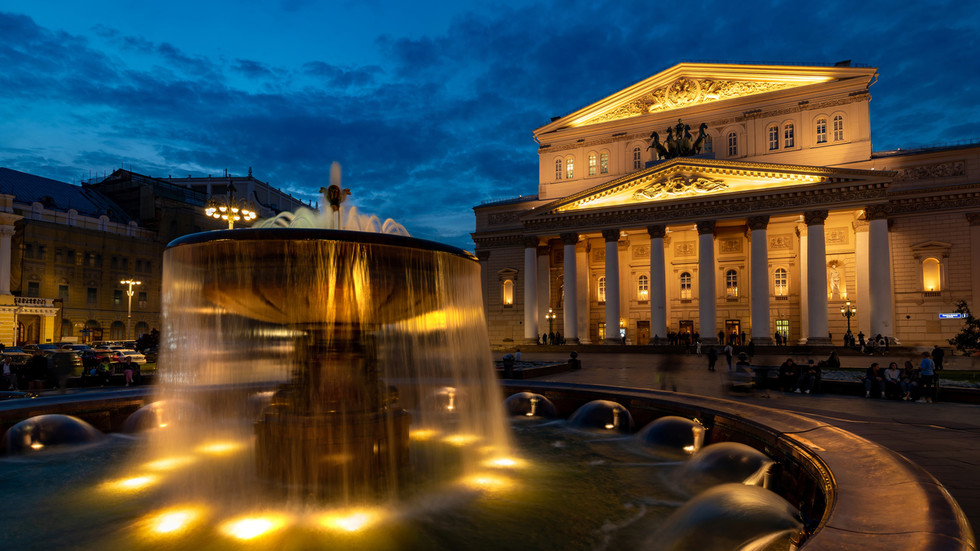
Moscow’s cultural depth is extraordinary — home to the Bolshoi Theatre, the Pushkin Museum of Fine Arts, and countless galleries, opera houses, and music halls. Its vibrant calendar includes film festivals, ballet performances, and avant-garde exhibitions.
Locals enjoy a cosmopolitan lifestyle: cafés and rooftop bars, open-air markets, and nightlife stretching into the early morning. At the same time, traditional values remain strong — family, hospitality, and respect for art are part of daily life.
Architecture & Cityscape
Few cities in the world display such striking contrasts. Golden cupolas of Orthodox churches rise beside Stalinist towers and glass skyscrapers. The Moscow Metro — often called the world’s most beautiful subway — is itself a masterpiece, adorned with chandeliers, mosaics, and marble halls. Walking the streets, you’ll find neoclassical mansions, Soviet monuments, and minimalist modernism coexisting in perfect tension.
Local Life & People
Muscovites are proud, resilient, and highly educated — a blend of old traditions and global outlooks. You’ll find business executives in designer suits sharing the same metro carriage as students and artists. English is increasingly spoken in central areas, and visitors often remark on the city’s cleanliness, efficiency, and energy.
- Population: ~12.5 million (metropolitan area ~18 million)
- Language: Russian (English widely understood in hotels and tourist zones)
- Time Zone: GMT+3 (no daylight saving time)
Economy & Innovation
Moscow is Russia’s financial engine, home to major corporations, government institutions, and technology startups. Beyond business, it’s also investing heavily in digital infrastructure, green transport, and tourism — making it easier than ever for international visitors to navigate and explore.
Best Time to Visit
Each season in Moscow offers a different atmosphere:
- Spring (April–May): Pleasant temperatures, blooming parks, fewer crowds.
- Summer (June–August): Long days, outdoor festivals, café terraces.
- Autumn (September–October): Crisp air, golden foliage, cultural peak season.
- Winter (November–March): Snow-covered landmarks, skating rinks, festive lights.
Practical Information
- Currency: Russian Ruble (RUB)
- Electricity: 220V, plugs type C and F
- Tap Water: Safe for brushing teeth, bottled water recommended for drinking
- Public Transport: Metro, trams, buses, and Yandex.Taxi are reliable and affordable
- Emergency Numbers: Police 102 • Ambulance 103 • Fire 101
Travel Tips
- Buy a Troyka Card for easy access to all public transport.
- Carry your passport or ID — it’s often required for hotel check-ins and currency exchange.
- Dress in layers during winter; temperatures can drop below -15°C.
- Learn basic Cyrillic letters to read metro stations and street signs more easily.
- Use apps like Yandex Maps or 2GIS for accurate navigation offline.
Where to Go Next
- Hotels in Moscow – Find the best stays near the Kremlin and Arbat.
- Things to Do in Moscow – Explore museums, parks, and nightlife.
- Food & Drinks in Moscow – Discover Russian cuisine and top restaurants.
- Transportation Guide for Moscow – Navigate the Metro and beyond.
From medieval fortresses to glass towers, from ballet stages to underground art, Moscow offers more than a journey through a city — it’s a journey through time and culture. Every corner tells a story, every face reflects a chapter of Russia’s evolution. For travelers seeking depth, creativity, and authenticity, Moscow delivers in every season.