
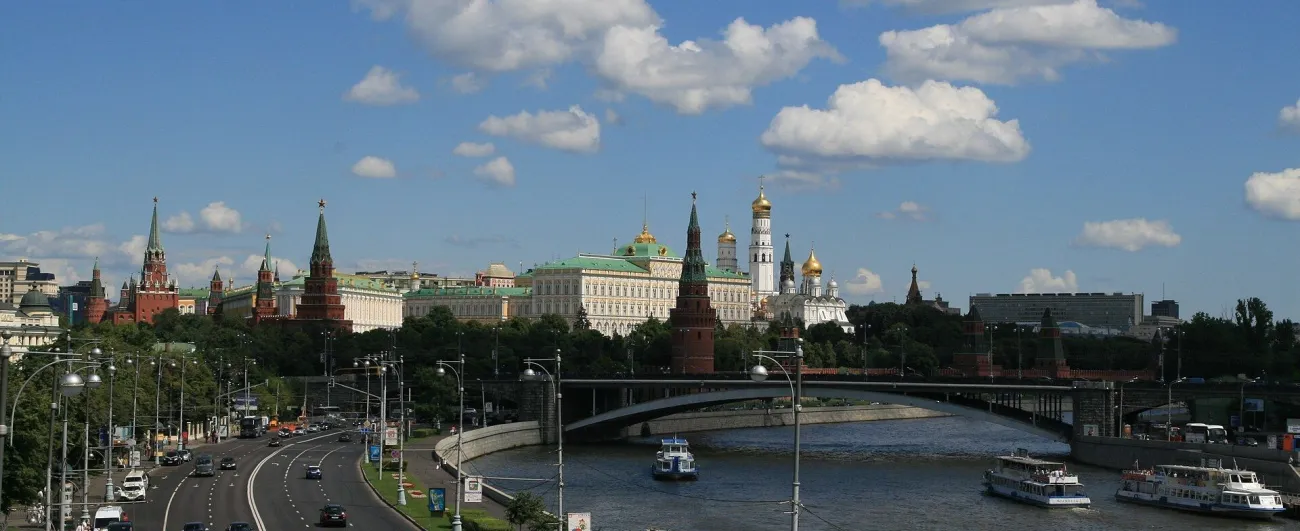

Moscow makes more sense as a set of neighbourhood days than as a race between monuments. The Kremlin and Red Square occupy one compact historic core; the Tretyakov’s older art collections sit across the river in Zamoskvorechye; VDNKh and the space museum form a separate northern outing. Match a central base to your daily routes, then leave enough time for station exits, security checks and indoor breaks. Start here for the main decisions and follow the specialist guides for details.
Moscow at a glance
On smaller screens, swipe or scroll horizontally to read the full table.
| Decision | Practical starting point |
|---|---|
| Length | Three full sightseeing days cover a first introduction; five allow an outer district and a slower museum day. Arrival and departure are additional time. |
| First base | Tverskaya / Teatralnaya for central sights; Zamoskvorechye for older lanes and the Tretyakov; choose the exact station and property entrance. |
| Getting around | Metro plus walks within one district. Airport journeys, some suburban trains and excursions require separate planning. |
| Season | Late spring through early autumn suits outdoor days. Winter needs short walking blocks, warm footwear and a substantial indoor plan. |
| Essential preparation | Check visa eligibility, official travel advice, insurance, documents, payment and offline communications before booking. |
Use Map & Neighbourhoods to see how the districts relate. Moscow city and the surrounding Moscow Oblast are different administrative areas; a property marketed as “Moscow” may create a long daily commute.
What to do in Moscow
For a first visit, combine the Red Square area with one carefully selected museum and an evening that matches your interests. A Kremlin Cathedral Square visit and an Armoury session are different admissions; neither is the same as simply walking around Red Square. The Attractions guide compares the actual places, while Things to Do helps choose experiences.
Add a second side of the city rather than another monument beside the first. Zamoskvorechye suits a gallery and café day; VDNKh works for exhibition architecture and space history; Kolomenskoye offers a larger landscape and church architecture. The latter two are within Moscow, not out-of-town day trips. For a genuine excursion beyond the city, compare Sergiev Posad and Kolomna.
How many days in Moscow?
With one full day, stay around the historic centre and choose one ticketed interior. Three full days allow a central day, a gallery-and-neighbourhood day and a northern or southern outing. Five full days add flexibility for another collection or an excursion, provided the transport and admissions work.
Do not count a late arrival as a sightseeing day. For three full days, arriving the evening before and leaving the following morning normally means four nights. The Itineraries guide separates arrival, full days and departure, with cold-weather and slower-paced alternatives.
Best time to visit Moscow
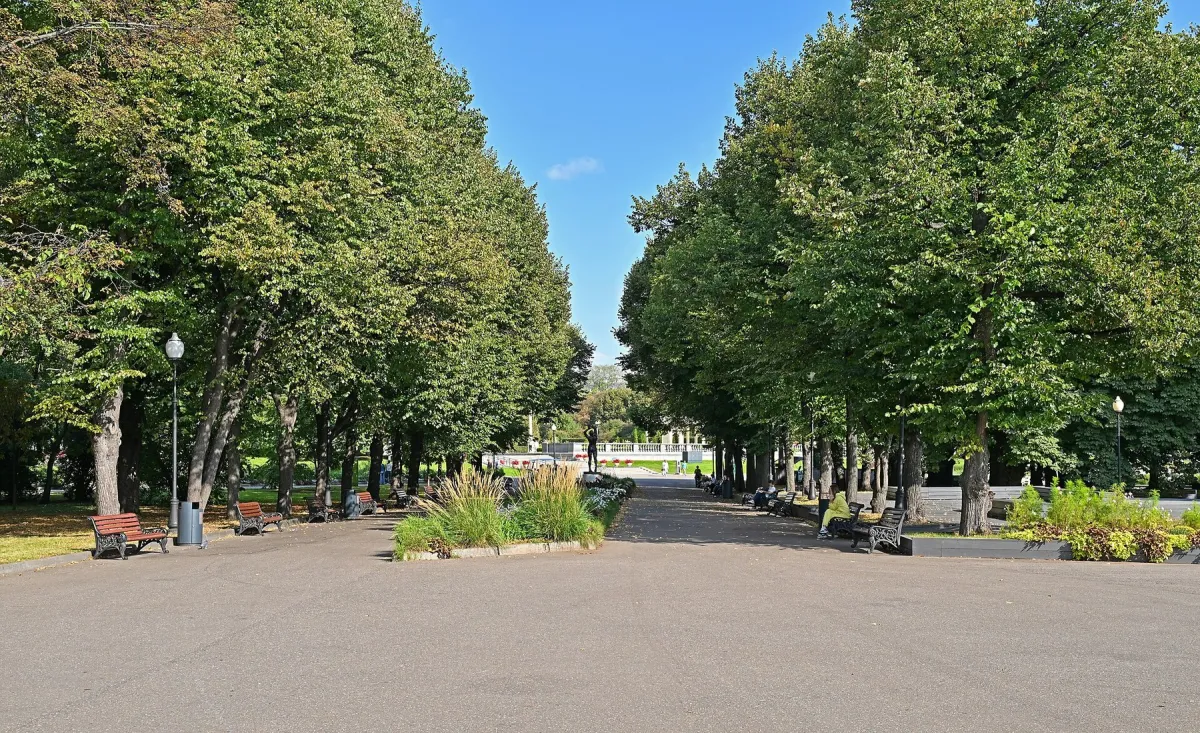

Choose the season for the trip you actually want. Late spring and summer allow longer park and riverside outings, but rain and heat still affect walking days. Early autumn can balance outdoor time with museums. By late autumn, shorter daylight and unsettled conditions favour compact routes.
Winter can make illuminated streets and indoor culture appealing, but snow cover, seasonal rinks and event dates are not guaranteed by the calendar alone. Check the season and packing guide and then the local forecast immediately before travel.
Where to stay in Moscow
A central metro connection usually matters more than a hotel’s straight-line distance to Red Square. Tverskaya and Teatralnaya suit a short first visit. Zamoskvorechye offers a different pace near the older Tretyakov collection. Chistye Prudy works for boulevards and cafés; Belorussky can be convenient for the Sheremetyevo rail corridor. Each has a street-level trade-off, including traffic, restaurant noise or a longer walk with luggage.
Choose the district in Where to Stay, then compare real properties in Hotels. Confirm the current property name, the booked room’s view, accessible entrance, payment method and cancellation terms. A riverside address does not mean every room faces the Kremlin.
Getting to and around Moscow
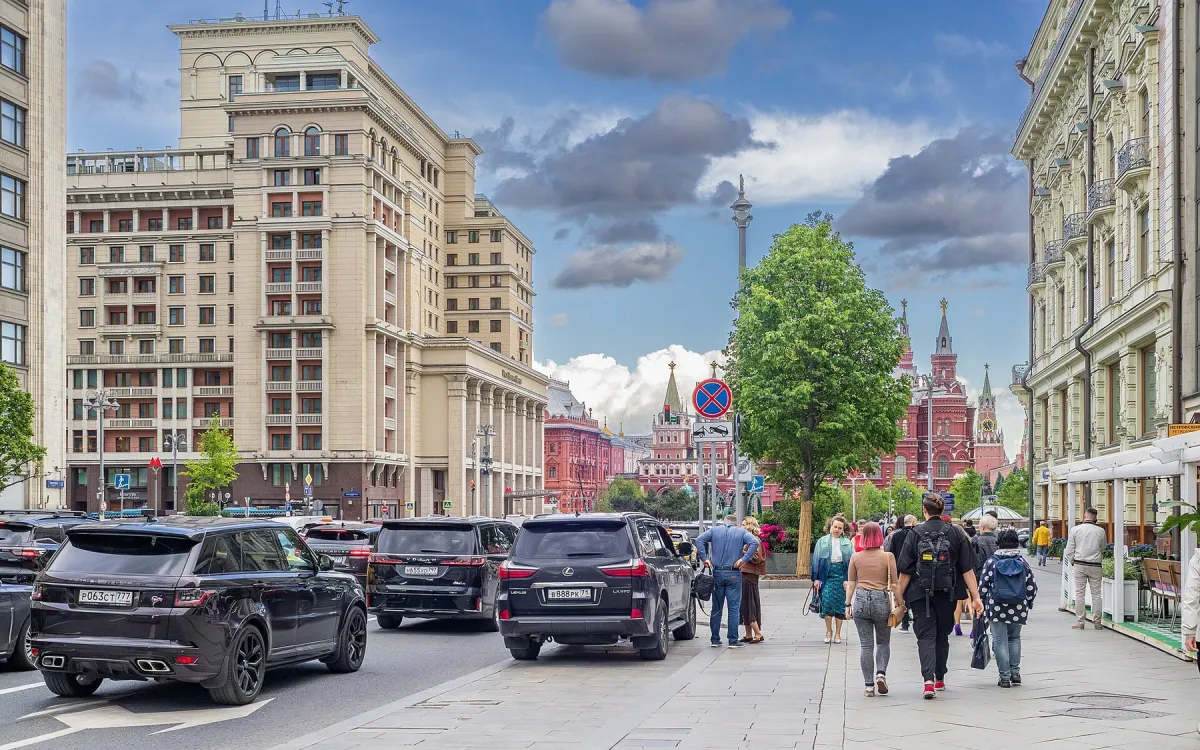

Check the airport code on every flight segment: Sheremetyevo (SVO), Domodedovo (DME), Vnukovo (VKO) and Zhukovsky (ZIA) are separate airports. Never assume a connection uses the same one. Vnukovo has a metro station; old descriptions of a Vnukovo Aeroexpress train are obsolete. Read Airports & Transfers for the airport-specific options and current-service caveats.
Within the city, group visits by area and use the metro to move between them. The Troika card is a transport payment tool, not an attraction pass, and a domestic contactless option does not establish that a foreign card will work. Getting Around explains ticket choices, station navigation and accessibility.
Travel costs and practical essentials
Budget separately for accommodation, food, local transport, airport transfers and admissions. A city with extensive domestic card payments can still be difficult for a visitor whose foreign-issued Visa or Mastercard will not work in shops or ATMs. Arrange a lawful, workable payment plan before travelling and read Money & Payments. The Cost of Living & Travel Costs guide separates illustrative visitor budgets from monthly-stay needs.
Do not assume you can buy a local tourist SIM on arrival. Registration requirements and roaming restrictions can interrupt mobile data or messages. Save your hotel’s Russian address, a route map, ticket details and important contacts offline. Keep Visa & Entry, Health & Safety and Useful Contacts with your travel documents.
Food and evenings
Try a dish for its ingredients and preparation rather than a list of stereotypes: pelmeni can be meat-filled, vareniki can have different fillings, and a vegetable-looking soup may still use meat stock. The Food & Drink guide explains what to ask. Restaurants compares specific dining choices; reserve an important meal and confirm its actual payment arrangements.
For an evening, choose a scheduled performance, live jazz, a neighbourhood dinner or a short illuminated walk. Check the venue and return journey before relying on old club recommendations. Nightlife and Festivals & Events distinguish a current programme from a seasonal tradition.
Photography and responsible visits
Photograph the city by subject and light: the Red Square ensemble for architectural relationships, a boulevard for street-scale detail, and a river bend for the skyline. Avoid treating a historic photograph as evidence of current unrestricted access. Museum interiors, religious spaces and public streets can have different photography rules.
Start with Photos & Photo Spots for location-specific framing and access decisions. Responsible Travel covers worship, portrait consent, waste and practical route choices. Never photograph guarded or sensitive sites simply because an older image exists online.
Moscow Travel Guide FAQs
How long should I allow for a first visit?
Three full sightseeing days offer a balanced introduction. Add arrival and departure separately; a museum-focused or slower visit may benefit from five full days.
Can I plan Moscow without a rental car?
Yes, metro travel and district walks can support a city visit. Check your exact airport route, final station exit, mobility needs and evening return before choosing a base.
Are Kolomenskoye and Kolomna the same place?
No. Kolomenskoye is a museum-reserve within Moscow. Kolomna is a separate city in Moscow Oblast and requires an out-of-town journey.
Should I book a hotel through a general international booking link?
Confirm that the actual Moscow property is available and that payment and cancellation work for you. The hotel guide links to verified official property sources; a general banner is not a confirmed hotel offer.