
Choose the season for the activity
The best time for Vietnam depends on the place and the reason for travelling. A week of central beach time asks a different question from northern city sightseeing or a southern river stay. Begin with the activity least able to move indoors, then compare the other parts of the route. A single “best month” for the whole country can hide the condition that matters most to you.
Use seasonal information to choose a broad window, and current local forecasts to decide whether an activity should run. A climate guide describes typical patterns; it cannot promise clear views, safe swimming or an operating ferry on a particular date. Book the most weather-sensitive part of the trip with a clear cancellation policy and an alternative you would still enjoy.
Months to compare by region
Start with the regional windows below, then check the forecast for the activity and coast you choose. The Vietnam Tourism climate guide describes typical seasons; these are planning windows, not promises of dry days or safe sea conditions. April and September are transition months in several regions.
Scroll sideways on smaller screens to compare all columns.
| Region | Months to compare | Main trade-off |
|---|---|---|
| Hanoi / northern lowlands | April–June; September–November | June can be hot and wet; December–March often cool and misty |
| Sa Pa / northern mountains | April–June; September–November | Summer storms and winter cold affect trails; crop colour has its own timing |
| Hue | March–August | Hotter midsummer; September–February wetter, with autumn flood risk |
| Hoi An / central coast | February–August | Heat in late spring/summer; September–January wetter |
| Nha Trang | January–August | September–December generally wetter |
| Ho Chi Minh City / delta | December–April | Hot year-round; May–November has seasonal rain |
| Phu Quoc | December–January is a useful beach-focused starting point | Summer storms can disrupt ferries; check the chosen coast and current sea state |
Scroll sideways on smaller screens to compare all columns.
| Region / activity | Condition to check | Adaptation |
|---|---|---|
| Northern lowlands and bay | Heat, mist, rain and current marine restrictions | Keep Hanoi indoor visits available and protect the flight-day buffer |
| Sa Pa and northern highlands | Visibility, cold, trail and road conditions | Choose a shorter guided walk or postpone a demanding road segment |
| Hue / Da Nang / Hoi An | Heavy rain, flooding, heat and current coastal conditions | Stay flexible about heritage outings, coast days and intercity moves |
| Ho Chi Minh City / delta | Heat, seasonal rain and conditions at the actual pier | Combine an early outing with a sheltered afternoon and safe boarding |
| Southern island extension | Local sea state and flight or ferry disruption | Allow a return buffer and choose accommodation with a useful wet-day plan |
Hanoi and the northern lowlands
Hanoi's cooler months feel different from the tropical image many travellers bring to Vietnam. A northern winter visit may need warm layers and tolerance for grey skies. The warmer part of the year brings a different set of decisions about heat, rain and the time of day to walk. The official Hanoi destination guide provides a starting point for the city.
Plan outdoor city time early or later in the day when that suits conditions, then use a museum, meal or café as the middle of the schedule. Leave room for ordinary rest rather than trying to walk every neighbourhood at once. If visibility is poor, choose subjects at street level instead of making a clear skyline the only goal of the day.
For Ninh Binh, decide whether the priority is a boat route, countryside walking, a viewpoint or rice-field photography. Those are different experiences even within one landscape. A wet path can be more difficult than its distance suggests, and a boat route may change with operating conditions. Ask locally about the chosen activity before committing the whole day.
Northern mountains and rice landscapes
Sa Pa and other highland areas can be substantially cooler than the lowlands. Pack for the actual elevation and overnight conditions as well as daytime walking. A valley photograph does not tell you the temperature at a higher viewpoint. Check heating, bedding and the drying arrangements at a mountain stay if those details matter to your comfort.
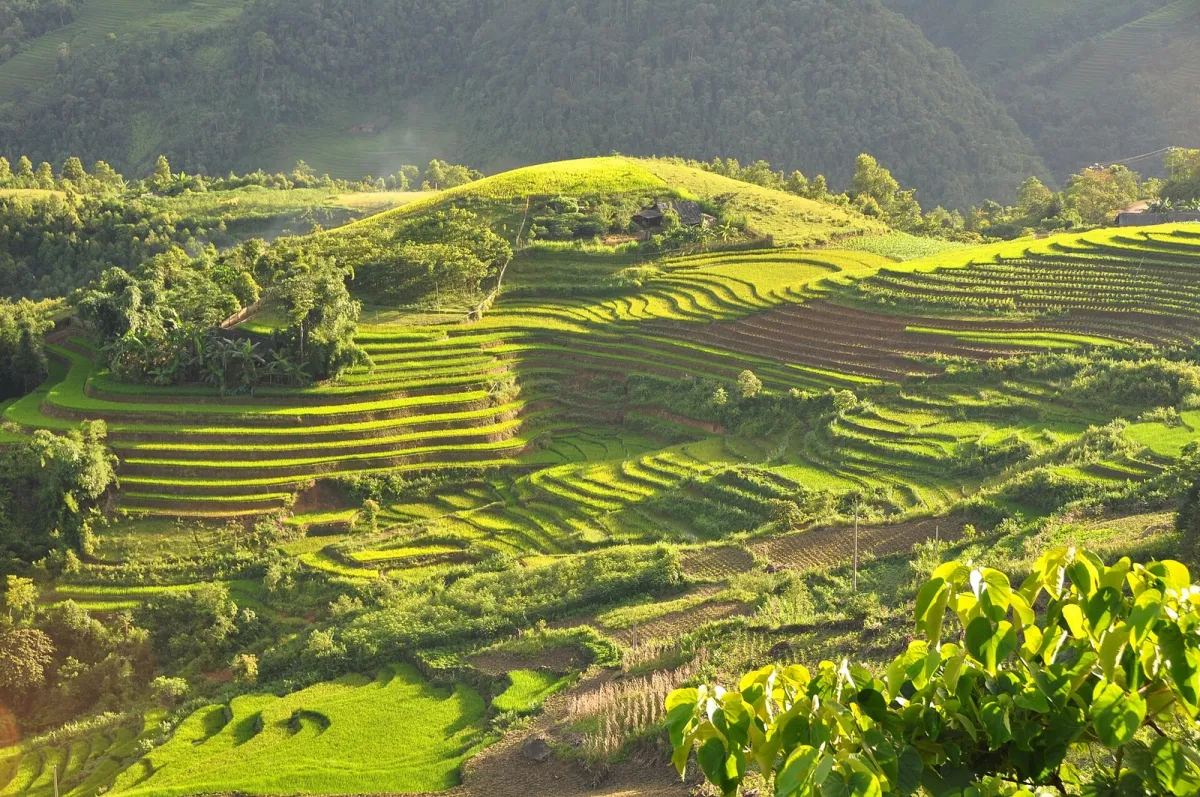
For rice terraces, the agricultural cycle matters alongside the weather. Do not promise yourself a fixed colour on a fixed date without checking the particular valley and current season. Ask a local guide what the landscape is doing now and choose a route with more than one interest. A worthwhile village walk can include farming, textiles or food even when the fields do not match a promotional image.
For a trek, ask about the surface after rain, the steepest section, daily walking hours and an easier route. An operator should explain the conditions in concrete terms. Keep a non-walking alternative available rather than treating a poor forecast as a test of determination. Leave time for the onward road journey if access changes.
Ha Long Bay and Cat Ba
A bay cruise depends on both the experience aboard and permission to operate in the conditions of the day. Before paying, ask who confirms weather cancellations, how a change is communicated and which parts of the booking are refundable. Keep the transfer arrangements in the same conversation; a cancelled boat can also change hotel and road plans.
Mist may make limestone scenery atmospheric while reducing the distant view. Clear sunshine is not the only interesting condition for photography, but no photograph is a reason to ignore a closure. If a cruise is the central purpose of a short trip, allow a second opportunity or accept that the rest of the visit needs to work without it.
Avoid placing an unprotected international departure immediately after the scheduled return. A final night in the gateway city creates room for a disrupted road or boat journey. The main guide's route outlines show how that buffer affects the night count.
Hue, Da Nang and Hoi An
Central heritage and beach planning need different allowances. Hue's large outdoor sites can be tiring in heat, while a rainy period may make a shorter visit with indoor breaks more comfortable. In the Da Nang–Hoi An corridor, choose a base that still offers useful activities when the beach is not suitable. Check the exact property location rather than assuming every coastal stay provides easy town access.
The national tourism climate guide identifies the later rainy period around Hue and Hoi An and the importance of flooding risk. Treat severe-weather advice as a reason to revise plans, not a minor inconvenience to work around. Ask the accommodation about its own approach road and the operator about any excursion you have booked.
If you want a heritage stay in a less dependable weather window, reduce the number of fixed daily commitments. Keep one essential visit and several optional ones. A flexible afternoon is more useful than a prepaid chain of activities that all depend on the same dry conditions.
Ho Chi Minh City and the Mekong Delta
The south's heat and humidity shape the daily routine even outside a rainy spell. Can Tho's official destination page distinguishes the generally drier December–April window from the May–November rainy period. For river activities, confirm the actual departure and conditions locally rather than converting a broad season into an operating guarantee.
Plan an early outing and leave the middle of the day lighter if that suits the forecast and your energy. Keep rain protection for yourself and the items you must use during a transfer. A countryside stay should have a clear meal and return-transport plan even when you decide to spend a wet afternoon at the property.
An early river visit usually works better with an overnight base than with a long same-day road journey. If the weather changes, that extra night can still provide useful town or cultural time. Choose the base for the whole stay rather than one brief photograph of a market.
Phu Quoc and other beach extensions
Phu Quoc has its own coastal exposure and seasonal pattern. The official island guide is useful for broad preparation, but the beach and ferry conditions on your dates need a current check. Different coasts can feel different on the same day; choose the actual beach and accommodation rather than an island-wide promise.
If the trip depends on swimming, ask what you can do when conditions are unsuitable. If the island is a short extension, compare the usable time after arrival and before departure with the transfer it requires. For a family, several settled beach days can be more valuable than squeezing the island between other long journeys.
A practical weather decision checklist
Check the broad season before booking, the local forecast shortly before travel, and the operator's advice before the activity. Identify the last reasonable time to change a transfer or accommodation booking. Share a route change with the next provider so an arrival does not become a missed-pickup problem as well.
Pack for the coolest and wettest meaningful part of the route, not only the place you land. Keep a small bag ready for a delayed journey, with the documents, regular medication and charging equipment you need. If an important flight follows a vulnerable connection, position closer to the gateway early enough to create a real margin.
When to shorten or change the route
Remove a base when the transfers leave too little usable time or the central activity is unlikely to work for your dates. Choose another region when your holiday priority is clearer than your preferred direction of travel. A good trip can change without becoming a failed version of the original plan.
Use the base-selection guide and safety preparation to make the alternative practical. Recheck the actual booking terms before assuming that a seasonal recommendation guarantees a refund or a particular service.
Frequently Asked Questions
Is there one best month for every part of Vietnam?
No. Match the season to the region and the activity least able to move indoors, then assess the rest of the route around that priority.
Does a seasonal recommendation guarantee a cruise will run?
No. Operating decisions depend on the current conditions and responsible authority or operator. Check the weather policy and keep an alternative plan.
Will Sa Pa rice terraces always match a photograph?
No. Field appearance changes with the agricultural cycle, valley and current season. Ask locally and choose an outing with more than a single promised colour or view.
Should I fly home immediately after a ferry or cruise?
A separate same-day connection can be vulnerable to weather and road delays. A final gateway night is useful when missing the international flight would be costly.