
VIETNAM TRAVEL GUIDE
Vietnam Travel Guide: Regions, Routes & Practical Planning
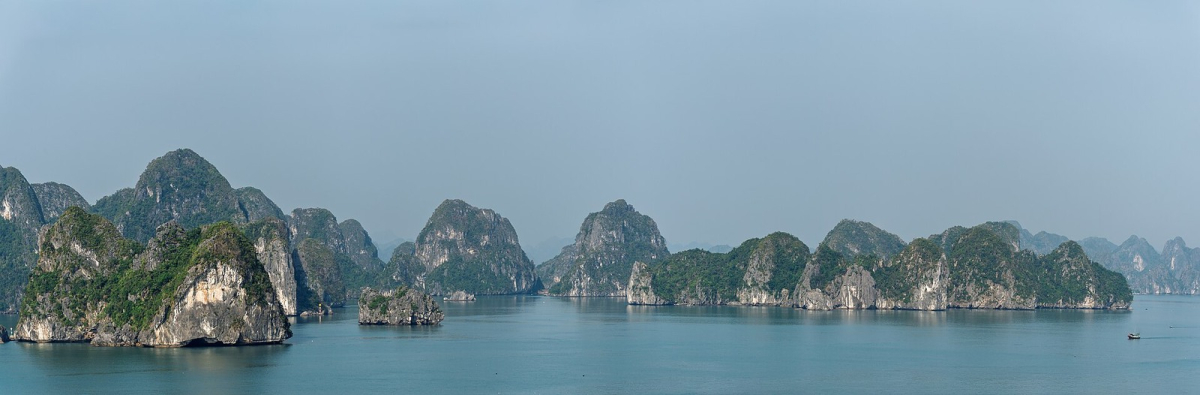
Choose a Vietnam route that gives each region enough time. Use this guide to connect city stays, limestone landscapes, central heritage and the Mekong Delta, with practical choices for weather, transport and the days between bases.
Start with the trip you want
Vietnam rewards a clear choice of regions. A week spent between Hanoi and the limestone landscapes of the north can feel more complete than a week of flights between the country's three main gateways. With two weeks, combine two regions or accept that a third will take time from countryside, food and slower mornings. With three weeks, a north-to-south journey becomes easier to shape around your interests rather than airport departures.
Use Hanoi for northern culture and onward trips into the Red River landscape; Hue and the Da Nang–Hoi An corridor for central heritage and coast; and Ho Chi Minh City for southern urban life and the Mekong Delta. These are starting points, not compulsory stops. If the main reason for your holiday is hiking, food, a beach stay or photography, build the route around that priority first and add a city for practical arrival and departure.
The most useful question is how you want to spend your full days. A trip with three hotel nights in a place usually provides two full days between the arrival and departure days. A one-night stop may give you only an evening and the following morning. Count those usable hours before booking another destination.
Map and regions: connect the country sensibly
See the detailed Vietnam map and regional base guide.
Northern, central and southern Vietnam are useful travel regions rather than a substitute for current administrative boundaries. Mountains, the long coast and the river delta create very different kinds of journeys. Use the map to understand direction and base selection, then check actual roads, stations, airports and piers. It does not show a live transport network, travel permits or open border crossings.
Northern Vietnam: Hanoi, Ninh Binh and the bays
Hanoi works well as an arrival base for travellers who want urban culture before heading into the countryside. Add Ninh Binh for inland limestone scenery and a stay near the landscapes around Tam Coc or Trang An. A bay cruise gives you a different perspective from the water; it also brings a fixed embarkation point, a scheduled return and weather dependency. Compare the actual itinerary rather than choosing a boat only by its photographs.
Sa Pa and Ha Giang belong to a different kind of northern trip. Mountain roads and walking conditions deserve their own time allowance. Do not add a mountain circuit as a spare overnight between a cruise and a flight. Decide whether you want guided walking, a village stay or road scenery, and ask an operator to describe the activity, elevation, vehicle and daily travel time in plain terms.
Sa Pa or Ha Giang: two different highland choices
Sa Pa suits a trip centred on valley walking, villages and time with a guide; the railway gateway at Lao Cai still requires a road journey into the mountains. Ha Giang is more naturally organised around a mountain-road itinerary and successive overnight stops. The Ma Pi Leng landscape is a reason to slow down, not a reason to ride beyond your ability. Choose a qualified driver or guide when you do not have the skills and valid documents for the vehicle. Compare the hours on the road, daily stops and wet-weather alternative before choosing a circuit.
Use the official Sa Pa introduction to decide whether walking and a highland base fit your interests. Ask whose village or workshop you will visit and how the activity is arranged. Agree photography permission separately from paying for a guided walk. Rice terraces are a working agricultural landscape; a photograph of one season does not promise the same field colour on your dates.
Central Vietnam: choose a city, heritage base or coast
Hue is the natural choice when imperial history is the central interest. Da Nang offers a city base and airport access; Hoi An offers a smaller historic setting, with a separate decision between staying near the old town and near the beach. Use the UNESCO record for Hue and Hoi An's World Heritage description for the historical context of the two places.
Phong Nha is an additional base for cave and outdoor interests. It should replace another stop when time is tight. A cave excursion has its own meeting point, physical requirements and cancellation conditions; it is not an activity to fit into the leftover hours of a long transfer day.
Southern Vietnam: city, delta or island
Ho Chi Minh City suits travellers who enjoy an active urban base. A delta stay changes the pace, but the Mekong Delta is a large region rather than a single attraction. Choose a town and a purpose. Can Tho is useful for an early river outing; a countryside homestay needs a clear last-mile arrangement and meal plan. The official Can Tho overview explains the river setting and the reason for an early start.
Phu Quoc is an island extension with separate flight or ferry logistics. Choose it because you want several beach days, not because a map makes every southern stop look close. Check which coast the accommodation faces, how you will reach it, and whether the arrival and departure times leave enough actual holiday time.
Things to do: choose experiences that belong together
Compare individual attractions and practical day trips by base.
Get to know Hanoi at street level
Begin with a manageable walk around Hoan Kiem Lake and the neighbouring Old Quarter, then leave time for a museum, coffee and a proper meal. Planning every hour removes the space that makes a city visit enjoyable. The official Hanoi guide provides an introduction to the lake, street food and cultural choices. Check opening arrangements for each specific site before setting the day's order.
Compare a bay cruise with inland limestone country
The Ha Long Bay–Cat Ba World Heritage property is a marine landscape; Trang An combines inland karst, waterways and cultural sites. They are related landscapes but different visitor experiences. Choose a bay trip for time aboard a boat and a coastline perspective; choose Ninh Binh for a land base with separate outings. You can visit both, but leave time for the change of base.
For cruises, compare the departure pier, time actually spent on the water, cabin category, included transfers, meals and weather cancellation terms. For Ninh Binh, ask which boat route is operating and where it starts. Neither a cruise booking nor a river excursion guarantees the exact scene shown in a photograph.
Give central heritage room to breathe
Pair Hue's heritage with a short central route rather than compressing every monument into a transit stop. In Hoi An, divide your time between the old town, meals and a second interest such as a workshop or beach outing. A tailoring order needs appointments and fittings; make that commitment early enough to allow corrections without missing onward transport.
Best time to visit: plan by region
Vietnam does not have one uniform beach or sightseeing season. Northern destinations can be cool and misty in winter, while summer brings heat and rain. Around Hue and Hoi An, autumn and early winter deserve particular attention to heavy rain and flooding. Ho Chi Minh City and the delta are generally drier from December to April, with hotter conditions and seasonal rain shaping the rest of the year. These are broad climate patterns, not a forecast.
For a mixed route, Vietnam Tourism's regional climate guide is a useful starting point. Match your most weather-sensitive activity first. Keep a city or indoor alternative for a boat cancellation, and check the immediate local forecast before mountain travel. A cheaper room is poor value if the main activity you booked the trip for is unlikely to operate.
Itineraries: a realistic first route
Scroll sideways on smaller screens to compare all columns.
| Time available | Focus and nights | Travel decision |
|---|---|---|
| 7 days / 6 nights | Hanoi 3 + Ninh Binh 2 + Hanoi 1 | One region; return to the gateway before departure |
| 14 days / 13 nights | Hanoi 3 + Ninh Binh 2 + Hanoi 1 + Hue 2 + Hoi An/Da Nang 4 + gateway 1 | Two regions; one main north–central connection |
| 21 days / 20 nights | Hanoi 3 + Ninh Binh 2 + Hanoi 1 + Hue 2 + Hoi An/Da Nang 5 + Ho Chi Minh City 3 + delta 2 + Ho Chi Minh City 2 | Add the south with a final city buffer |
Seven days and six nights: stay in the north
Use Hanoi for nights one to three. Keep the arrival day light, then give the city two full days. Transfer to the Ninh Binh area on day four, stay there for nights four and five, and use day five for one main outing. Return to Hanoi on day six for the final night before a day-seven departure. This plan trades a bay cruise for a simpler rhythm and a buffer before flying home.
If a cruise is the priority, replace Ninh Binh with the selected cruise and its verified transfer arrangements. A two-day cruise commonly contains one night aboard; do not count it as two hotel nights. Keep the last Hanoi night when the flight home is important and the return journey is not protected by the airline.
Fourteen days and thirteen nights: north and central Vietnam
A balanced outline is three nights in Hanoi, two in Ninh Binh, one back in Hanoi, two in Hue, four in Hoi An or Da Nang, and one final night near the departure gateway. This adds up to thirteen nights. Travel between the northern and central bases on day seven, using a current flight and transfer combination that actually serves your route. A long train journey is an alternative that needs its own revised day plan.
Move from Hue to your coast or heritage base on day nine and keep that as a transfer day. Spend days ten to twelve there, with one weather alternative and one slower day. Use day thirteen to position for departure if needed, then leave on day fourteen. If your flight home departs directly from Da Nang at a practical hour, the final night may stay within the same base; the count remains thirteen nights.
Twenty-one days and twenty nights: add a southern chapter
Follow the fourteen-day outline only through day twelve. For this longer route, spend day thirteen and night thirteen in the same Hoi An or Da Nang base instead of repositioning for an international departure. Fly from Da Nang to Ho Chi Minh City on day fourteen, spending nights fourteen to sixteen there. Use nights seventeen and eighteen for one delta base, then return to the city for nights nineteen and twenty before departing on day twenty-one. The extra final day absorbs a delayed transfer or becomes an unhurried city day. These are editorial routes, not packaged or airline-protected itineraries.
For a beach-focused extension, substitute an island stay for the delta and some city time; do not add another destination without removing nights elsewhere. Families and travellers who need recovery time should shorten the list of bases before shortening sleep or connection margins.
Travel costs and money: build your own budget
Vietnam's currency is the dong, abbreviated VND. Compare costs in VND before converting them into your home currency. Use a live exchange rate when you book, and allow for your own card or cash withdrawal charges. The official currency and payments guide explains the payment context.
Start your budget with five separate lines: accommodation, food, local travel, intercity travel and paid experiences. Add visa costs where applicable, insurance, laundry, mobile data and a contingency. A room shared by two people is a per-room cost; a tour priced per traveller is not. A headline domestic airfare may exclude a checked bag or seat selection, so compare the complete booking total.
Rather than assuming one national daily price, price three sample days: an ordinary city day, a day that includes an excursion, and a transfer day. Then multiply them by the number of each in your route. A short trip with several flights and a cabin cruise can cost more per day than a longer visit with fewer transfers. Keep enough small cash for the situations in which your card is not accepted, without carrying your entire trip budget at once.
Scroll sideways on smaller screens to compare all columns.
| Category | Scenario A allowance | Scenario B allowance |
|---|---|---|
| Room share | 300,000 (room total 600,000) | 600,000 (room total 1,200,000) |
| Food and drinks | 250,000 | 400,000 |
| Local travel | 100,000 | 200,000 |
| Sightseeing / activities reserve | 150,000 | 300,000 |
| Daily subtotal per adult | 800,000 | 1,500,000 |
| Excluded | Intercity journeys, flights, visas, insurance and deposits | Intercity journeys, flights, visas, insurance and deposits |
The two daily examples above are illustrative arithmetic prepared on 27 October 2026, not checked market quotations. Each is per adult when two adults share the stated room; intercity transport, flights, visas, insurance, deposits and specialist activities are excluded. Replace every allowance with your actual offers. The table distinguishes the accommodation share from the full room price so you can scale it to your party.
Longer stays and costs: check the weekly routine
For a longer visit, the accommodation decision includes daytime noise, a usable work surface, cooking facilities, laundry, cooling, internet and the journey to groceries. Ask what the quoted rate includes and how electricity, cleaning and deposits are handled. A room advertised for holiday stays is not automatically an apartment suitable for several weeks.
Try a short initial stay before committing to a long booking when possible. Check the room at the time of day you will actually use it, and ask for a written total rather than comparing nightly and monthly rates without the same inclusions. Length of stay does not create permission to work; immigration status and any work requirements need a separate official check. The existing Longer Stays & Costs guide is the dedicated place for a fuller long-stay comparison.
Where to stay: choose the base before the hotel
Scroll sideways on smaller screens to compare all columns.
| Base | Useful for | Trade-off to check |
|---|---|---|
| Hanoi | Northern city culture and regional connections | Street noise and luggage access |
| Ninh Binh area | Inland karst and countryside outings | Town versus rural last-mile arrangements |
| Hue | Imperial history and a heritage-focused stay | Time needed between individual sights |
| Da Nang / Hoi An | City, old-town or central beach time | Actual address and repeated evening transfers |
| Ho Chi Minh City | Southern city days and onward connections | Distance to your own planned activities |
| Mekong Delta base | Early river outings or rural homestays | Choose the actual town, pier and meal arrangements |
In Hanoi, compare convenience for the lake and Old Quarter with your tolerance for busy streets and room noise. Check vehicle access if you have substantial luggage. In the Ninh Binh area, decide between a town base and accommodation near the countryside; an attractive rural setting can add a transfer to every meal or activity.
In Hue, prioritise the sights and meals you want to reach. In the Da Nang–Hoi An corridor, city convenience, historic atmosphere and beach access are different choices. Ask for the actual address and a realistic transfer arrangement rather than accepting a generic “near Hoi An” description. A beach property may be excellent for a rest day but inconvenient for repeated evenings in the old town.
In Ho Chi Minh City, select a base for your own itinerary rather than the cheapest point on a city map. For the delta, confirm late arrival access, boat boarding and whether meals need to be ordered in advance. Use Where to Stay in Vietnam for base selection and the separate Vietnam Hotels page when choosing a property. Confirm the exact room, cancellation policy, accessibility needs and final price directly in the booking details.
Airports and transfers: protect the first and last day
Use the airport and terminal checklist before booking a separate connection.
Hanoi, Da Nang and Ho Chi Minh City are useful gateway choices for different routes. An open-jaw ticket arriving in one region and departing from another can reduce backtracking. Compare the international fare with the internal journey it removes, including any baggage and final overnight cost.
At Ho Chi Minh City's Tan Son Nhat Airport, do not assume an international arrival and a domestic departure use the same terminal. Vietnam Airlines' Terminal 3 notice explains its domestic move and exceptions. Use your current flight confirmation and airline advice for the actual terminal and connection.
For any gateway, confirm who meets you, the meeting point, vehicle capacity and the last approach to the accommodation. International arrival formalities and checked baggage take time. Separate tickets require a generous margin and a clear plan if the first journey is delayed; the short flying time between two cities is not the total transfer time.
Getting around: choose what each journey needs
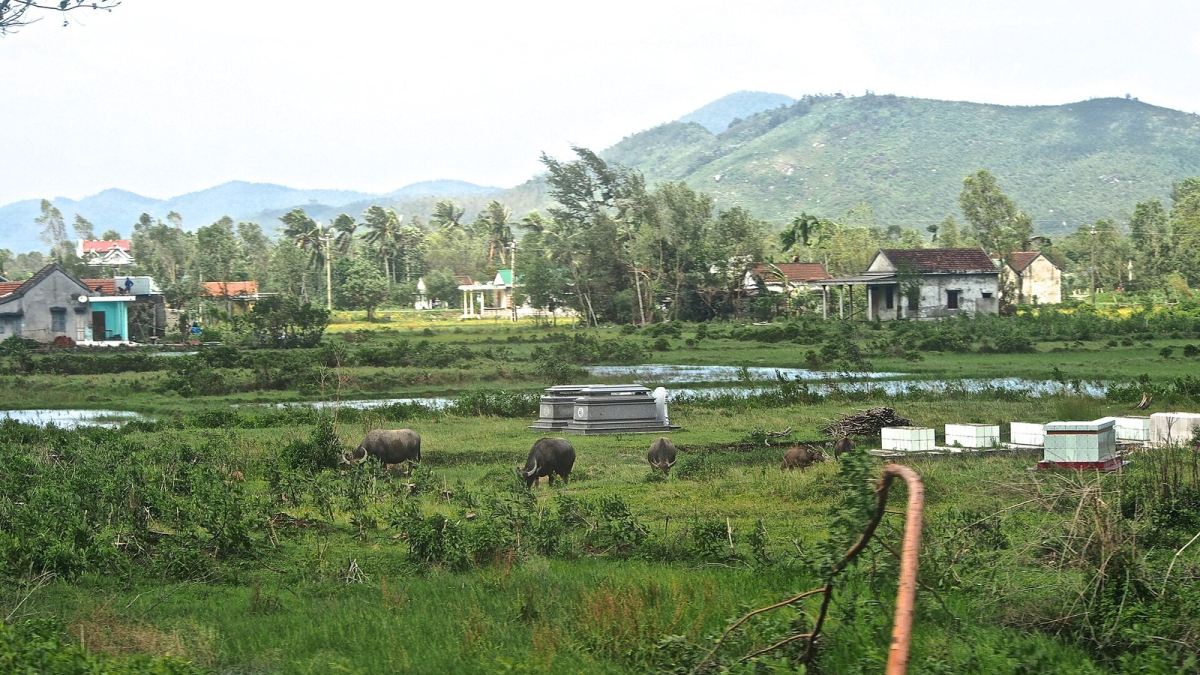
Compare rail, flights, buses, metro, ferries and the final approach to your accommodation.
Use a flight when it gives a long-distance route usable time. Consider a train when the journey itself is part of the holiday, especially for a daytime central segment. Compare buses or arranged transfers for places that are not served conveniently by rail. Verify the actual station and final road transfer: a train to Lao Cai is not a train directly into Sa Pa, and reaching Da Nang is not the same as arriving at your Hoi An accommodation.
Check current services through the operators linked from Vietnam Tourism's transport overview. Treat timetables, fares and age rules as booking-time information. For an overnight service, check the berth type, arrival time, luggage arrangement and whether early check-in is included at your next stay.
A trip does not require riding a motorbike. Taxis, organised transfers and guided outings can cover many visitor needs. If you intend to drive or ride, verify that your licence, permit, insurance and vehicle category are valid for Vietnam. A rental business offering you keys does not resolve those requirements.
Walking and national parks: match the activity to your ability
Choose among Ba Be, Cuc Phuong, Cat Ba, Phong Nha, Cat Tien and northern walking bases.
Choose between a short managed path, a forest walk, a cave visit and a multi-day trek. They involve different terrain, guide requirements and weather exposure. Ninh Binh Tourism's Cuc Phuong introduction provides a starting point for a forest-focused visit. Check the specific route, visitor arrangements and transport before leaving your base.
For a mountain or cave excursion, ask how much of the day is spent walking, what equipment is supplied, what happens in heavy rain and whether there is an easier alternative. Keep a full day free rather than combining a demanding activity with a long onward journey. Wildlife encounters and clear summit views are possibilities, not inclusions that an honest itinerary can guarantee.
Beaches: choose the coast and the season together
Use central coastal stays when they fit your heritage route, and southern islands when a beach holiday justifies the extra travel. Compare the exact beach, how you reach the water, shade, nearby food and what you will do on an unsuitable swimming day. A seafront hotel address does not prove a private, calm or accessible beach.
Read current flags and local warnings before entering the sea. Ferry plans also need weather flexibility. The Vietnam Beaches guide is the place for individual coast comparisons; this overview helps you decide how a beach segment fits the whole trip.
Food and drink: follow the regional differences
Explore regional dishes, Vietnamese coffee, dietary questions and cooking classes.
Try Hanoi's bun cha and pho, then look for different regional cooking in the centre and south rather than ordering the same familiar dish throughout the trip. Hue's bun bo Hue, the Da Nang–Hoi An area's mi Quang and cao lau, and southern com tam or hu tieu offer useful starting points. The official dish guide explains the foods; individual recipes and availability vary.
Order a dish and drink separately, ask what accompaniments are included, and mention dietary requirements before cooking starts. A vegetable topping does not prove a vegetarian broth. Severe allergies need a clear written explanation and direct confirmation about ingredients and preparation. Use the existing Vietnam Restaurants guide for where to eat; food culture and venue selection are related but different questions.
Make time for a Vietnamese coffee stop
A coffee break can be part of the visit rather than a pause between sights. Compare a traditional filtered coffee, iced coffee with condensed milk and Hanoi's egg coffee, made with an egg-yolk mixture. Ask about dairy and egg ingredients when they matter to your diet. Modern speciality cafés offer another way to explore local beans. Vietnam Tourism's coffee-culture overview explains the range. Order a drink you want to try and leave time to enjoy the setting instead of collecting café names across a city.
Nightlife: plan an evening you can get home from
Compare Hanoi evenings, Saigon rooftops and performances, and Hoi An plans with a workable return.
An enjoyable evening might mean a rooftop drink, live music, a food walk or a quiet café. Choose the atmosphere you want before choosing a neighbourhood. Check the current programme and any admission or minimum-spend conditions directly with the venue. A busy street is not evidence that every business has the same standards or closing time.
Keep the accommodation address available offline, arrange a clear pickup point, and use a transport service you can identify. If you have an early boat trip or a long travel day next morning, leave a recovery margin. Do not choose a room above a nightlife street without checking how that affects sleep.
Festivals and events: make room for Tet
Check the confirmed 2027 public-holiday periods and distinguish them from event programmes.
Tet is a family holiday as well as a memorable time to see seasonal decorations and preparations. It changes the practical rhythm of a trip: small businesses can close and travel plans need attention. Vietnam Tourism's Tet introduction explains the cultural context. Confirm the dates and business schedules for the actual year of travel rather than relying on a generic January or February assumption.
Choose one base for the central holiday period when possible, reconfirm arrival arrangements and identify meal options in advance. For a local festival or special performance, verify the organiser's current programme before paying for transport. An ordinary decorated evening in Hoi An does not establish that a particular festival is running that night.
Photos and photo spots: plan access before light
Plan eight distinct photo areas, from Hoan Kiem Lake to Mu Cang Chai and Da Lat.
Hoan Kiem Lake offers an urban water setting, the bays offer layered limestone scenery, and Ninh Binh offers waterways and karst from a land base. Choose a subject rather than attempting a countrywide list of sunrise locations. If a view requires a climb, boat or private property access, arrange that part of the plan first.
Give yourself a second chance at an important scene. A misty morning or rough sea may change the photograph entirely. Ask permission for portraits, especially inside homes, workshops and religious settings. Never stand on railway tracks for a photograph. Drone possession does not establish permission to fly; obtain the current official requirements for the location and activity before including aerial photography in your plans.
Visa and entry: use the current official process
Requirements depend on your passport and purpose of travel. The Vietnamese Immigration Department describes e-visas with validity of up to ninety days and single or multiple entry options, subject to approval. Begin with the Immigration Department's official portal notice, which identifies the current e-visa domains. Check eligibility, permitted entry points and your actual approved dates before booking a border crossing.
The official e-visa application system lists US$25 for single entry and US$50 for multiple entry, checked on 28 October 2026. The fee is not refunded if a visa is refused. A 90-day maximum is not an automatic allowance: use the dates and entries actually granted. Visa exemptions depend on nationality and purpose; check the current official policy for your own passport.
Vietnam also has a separate pre-arrival information portal. The Vietnamese Embassy notice encourages foreign travellers to complete it within three days before arrival or on arrival. Save the resulting QR code and follow your airline’s and arrival airport’s current instructions. This declaration is separate from the e-visa and does not grant entry permission.
Allow time to correct a passport-number or name error, and keep the application result with your travel documents. Do not treat an application receipt as approval, or assume a special island arrangement covers travel on the mainland. Travellers on different passports should check their own requirements even when travelling together.
Travel essentials: prepare for ordinary travel days
Keep your accommodation address in Vietnamese, saved offline alongside your onward booking and insurance contact. Confirm mobile data compatibility before relying on an eSIM, and keep a backup way to reach your accommodation. Carry a small day bag for water, rain protection, medication you already use and the documents needed for the day's journey.
Pack layers if the route includes northern winter or highland stops as well as the coast. Check the sockets and power rating required by your own devices. For families or travellers with mobility needs, request concrete details about steps, bathroom access, boarding assistance and transport rather than accepting the word “accessible” without explanation. See Vietnam Travel Essentials for practical details.
Health and safety: make the backup plan usable
Arrange travel insurance that covers the activities you will actually do, and obtain personalised medical advice before departure when needed. Traffic, water activities, severe weather and theft require different precautions. Keep valuables secure on travel days and leave a weather-sensitive excursion flexible. Follow local restrictions rather than trying to preserve a planned photograph or boat trip at any cost.
The FCDO safety guidance is a current reference for UK travellers, with useful general risk information for others. Passport-specific entry and consular advice remains individual. See the Vietnam Safety guide for fuller local preparation.
Useful contacts: know who can solve the problem
For a cancelled excursion, contact the operator on the booking first. For a missed train or flight, use the carrier's official service channel and have the booking reference ready. For accommodation access, save a direct property contact rather than relying only on the platform's messaging system. Tell each provider what has happened, where you are and what you need next.
Keep your own embassy or consulate details and insurer's assistance number available offline. The FCDO getting-help page lists ambulance 115, fire 114, police 113, national search and rescue 112 and child protection 111. It notes that these lines operate in Vietnamese. Ask a responsible local person to help communicate the exact location when necessary. Save the numbers offline and identify a suitable medical facility before reaching a remote base; your insurer's assistance service can help coordinate care.
Responsible travel: make respectful choices practical
A village, market or temple is a working place in people's lives. Ask before taking close portraits, do not enter homes without an invitation, and accept a refusal without bargaining. Pay agreed fees for guiding and workshops, and ask how a community activity is organised rather than assuming the label “local” proves who benefits.
On boats and walks, carry rubbish back, avoid wildlife handling or feeding, and stay within permitted visitor areas. Buy crafts with a clear maker and material description; avoid wildlife products and items whose origin is unclear. Fewer transfers can give you a better visit as well as a simpler journey. Choose the pace that allows you to understand a place instead of spending every day reaching the next one.
History, culture and museums: give the places context
Vietnam's historic places tell different stories. Hue's imperial ensemble, My Son's Cham monuments and Hoi An's trading-town fabric are complementary visits rather than three versions of the same attraction. The History, Culture & Museums guide connects these places with living traditions, Hanoi museums and difficult modern-history subjects. Choose a museum by its collection and the needs of your group, then leave enough time to understand it.
Family travel: choose fewer bases and better days
A workshop, a short river outing and a shaded cultural visit can create a rewarding family trip without making every day an excursion. Plan children's meals, bedding, transport restraints and water supervision alongside the sightseeing. The Vietnam Family Travel guide compares practical bases and shows how to adapt city, heritage, coast and countryside days to different ages.
Shopping: choose the maker, material and route
Vietnamese ceramics, lacquerware, textiles and coffee offer different buying decisions. A craft workshop, a tailoring appointment and a food purchase need different checks for origin, finishing, collection and onward carriage. Use the Shopping guide to compare products, verified shops and a realistic shopping route. Keep fragile items and food restrictions in mind before committing to an order.
Accessibility: verify the complete journey
Assess the entrance, room, bathroom, vehicle, station or pier as one chain. A lift inside a museum cannot resolve steps at your hotel or boarding onto the next boat. The Accessibility guide provides Vietnam-specific operator sources and questions for mobility, sensory and pacing needs. Obtain current photographs and measurements where a particular feature determines whether the trip works.
Frequently Asked Questions
How long should a first Vietnam trip be?
Seven days works well for one region. Fourteen days allows a less hurried combination of two regions, while twenty-one days can add a southern chapter. Count arrival, transfer and departure days before adding another base.
Is north-to-south always the best direction?
No. Choose the direction that matches your international flights, the region most important to you and the expected conditions for your activities. An open-jaw international ticket may save a return journey.
Can I combine a bay cruise and an international flight on the same day?
A cruise has a scheduled return, road transfer and weather exposure. A same-day separate flight creates a connection risk. Position near your departure gateway the previous night when the cost of missing the flight would be substantial.
Can I travel in Vietnam without riding a motorbike?
Yes. Combine current air or rail services with taxis, arranged transfers and guided outings. Check the final approach to rural stays and boat departure points before booking.
Should I choose Hoi An or Da Nang as my central base?
Choose according to the days you want: historic town time, city convenience or beach access. Check the actual property location and transport for evening meals rather than treating the whole corridor as one walkable destination.
Do all visitors have the same visa allowance?
No. Requirements depend on passport, purpose and travel history. Check Vietnamese immigration guidance and the dates and permitted entries on your own approval.
Is a beach stay necessary on a first visit?
Only if it serves your priorities. A longer island transfer can take time from the rest of the trip. A mainland coastal stay may fit a central route more easily, depending on season and accommodation location.
