
VIETNAM TRAVEL GUIDE
Vietnam Parks & Outdoor Activities: Forests, Valleys and Caves
Choose Vietnam national parks, nature reserves, valley walks and cave experiences with realistic effort, access, weather and conservation decisions.
Choose the landscape and the level of effort
Vietnam's outdoor choices include lake-and-village stays, lowland forest, island trails, rice-country walks and cave visits. They involve different access, terrain and guide arrangements. Decide whether you want a short managed path, a full walking day or an expedition before choosing a place from photographs. The right outing should remain worthwhile without a particular wildlife sighting or a clear summit view.
The national tourism introduction to parks and reserves provides an overview. A nature reserve is not automatically a national park, and a trail described in an older article is not evidence of current access. Use the current park or responsible visitor service and the selected operator for the actual route. For transport between bases, see Getting Around Vietnam.
Scroll sideways on smaller screens to compare all columns.
| Place | Landscape / interest | Decision before booking |
|---|---|---|
| Ba Be National Park | Lake, forest and village stays | Boat, walk, named village and final approach |
| Cuc Phuong National Park | Forest and conservation context | Actual trail and current visitor arrangements |
| Cat Ba National Park | Island walking and forest | Trail condition, effort and return transport |
| Phong Nha area | Visitor caves, river and expedition choices | Exact cave, operator and physical requirements |
| Cat Tien National Park | Southern forest chapter | Entrance, stay and operating guided activities |
| Pu Luong Nature Reserve / Mai Chau | Terraces, valleys and villages | Specific community, walk and accommodation |
| Sa Pa / northern mountains | Guided valley walks or road scenery | Separate time on foot from time in a vehicle |
Ba Be: lake, forest and a settled rural stay
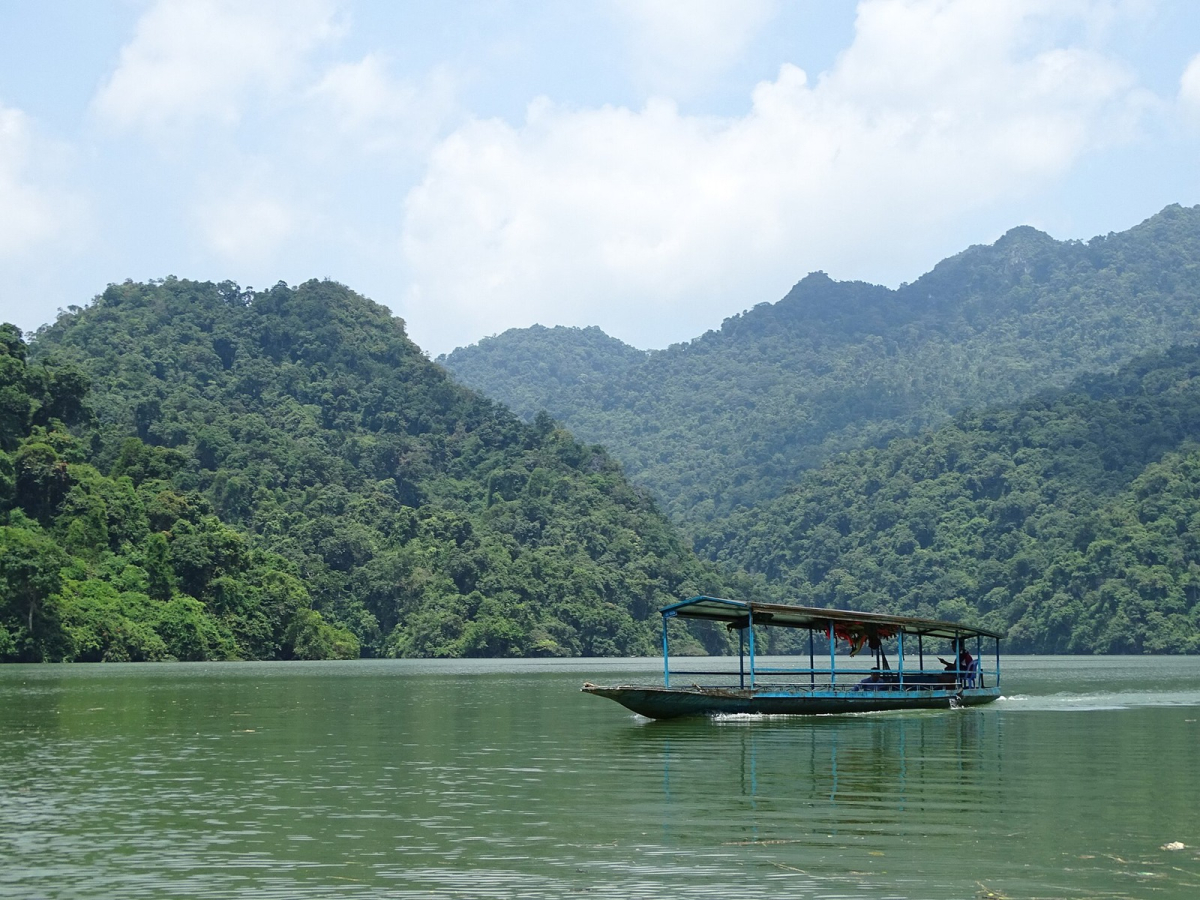
Ba Be suits travellers who want water, forest and village accommodation within one northern chapter. Compare a boat outing, a walk and a homestay as separate decisions. Ask which village or pier is used and whether meals and the final approach are included. A lake photograph does not identify the room, boarding point or duration of a particular outing.
Give the area time rather than treating it as an incidental stop on a road circuit. Travellers who prefer shorter walks can build a day around the lake and a carefully chosen local visit; stronger walkers can discuss a longer guided route. Ask how rain affects the ground and return arrangement. A useful homestay enquiry includes the bathroom, cooling or bedding needs and the time at which dinner must be arranged.
Cuc Phuong: a forest-focused option from the Ninh Binh area
Cuc Phuong is a useful choice when forest is a distinct interest in an otherwise limestone-and-city itinerary. The official Ninh Binh tourism introduction provides the local context. Compare the actual trail or visitor activity, not simply a generic park ticket. Ask about distance, uneven ground, guide requirements and the journey back to your accommodation.
A conservation facility, a forest walk and an advertised wildlife activity may have separate opening or booking arrangements. Check the current visitor conditions rather than assuming all appear in one admission. Keep an easier alternative if heat or wet ground makes the original walk unsuitable. The visit should be valuable for the forest and conservation context, with any animal encounter an additional possibility rather than an entitlement.
Cat Ba: separate a trail day from a cruise booking
Cat Ba can support a land-based outdoor day as well as a bay-oriented holiday. A cruise passing near the island does not necessarily include a national-park walk, while an island hotel booking does not include transport to a trailhead. Ask which path you will use, its current condition, how much climbing is involved and how the return works.
For a longer route or a visit involving a village, establish whether walking, cycling and boat stages are all part of the plan. A route name does not tell you where your luggage will be or what happens if you stop early. Match the activity to your group's actual ability. Coastal views and forest conditions change with the weather, so keep a second interest available if a viewpoint is obscured.
Phong Nha: caves and forest
Phong Nha's wider appeal includes river, forest and cave experiences, but the cave decision deserves particular care. A managed visitor route can involve steps and uneven surfaces even when it is marketed as sightseeing. A boat-assisted cave adds boarding considerations. An adventure itinerary may add scrambling, water, specialised equipment or overnight conditions. These differences matter more than a simple easy-versus-hard label.
Choose the actual cave and operator. Oxalis Adventure and Jungle Boss provide examples of providers whose own itineraries describe their programmes; the product's stated requirements govern the booking. A tour with an expedition name should not be substituted for another cave merely because photographs look similar. Do not assume a permit or entry is available independently when an itinerary requires an authorised arrangement.
Ask what is supplied, what you carry, what the guide-to-group arrangement is and what happens when weather prevents the planned route. Leave time before the start and after the return rather than attaching the trip to a tight night-bus departure. Anyone who cannot complete a particular physical stage needs a clear alternative before paying, not an improvised promise at the trailhead.
Cat Tien: a southern forest chapter
Cat Tien offers a different landscape from the coastal and limestone stops often chosen on a first visit. Give it a reason in the itinerary: forest walking, a guided nature interest or a settled stay near the park. The journey from your city or highland base and the park entrance arrangements need checking together. The name Cat Tien in a lodging advertisement does not establish that every activity starts at that property's door.
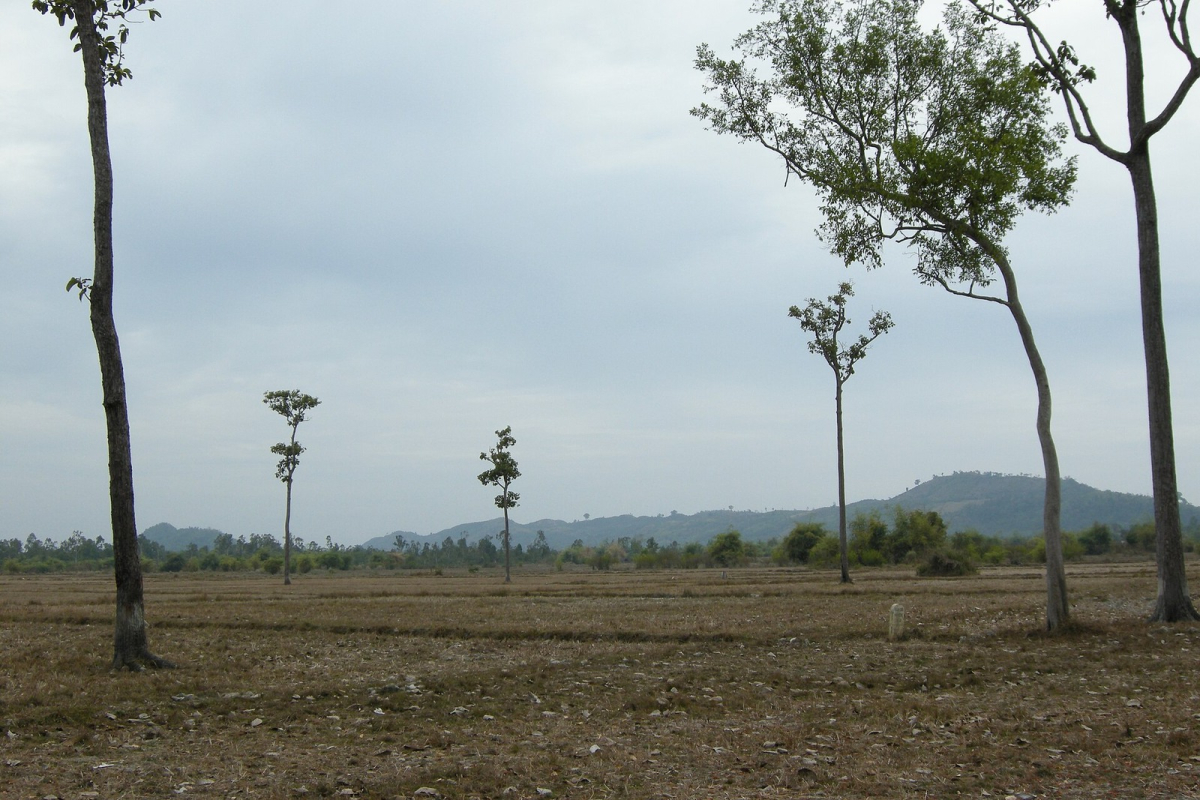
Choose a manageable route and ask which activities are operating on your dates. For early, late or guided wildlife outings, establish the meeting point, return time and transport before committing to another booking. Do not demand a particular animal as a guaranteed inclusion. Keep to the visitor route and the guide's instructions, and allow enough time to enjoy the forest without rushing between marketed sightings.
Pu Luong and Mai Chau: nature reserves and valley walking
Pu Luong is a nature-reserve choice, while Mai Chau is a valley and village-based travel area; neither should be relabelled a national park to fit a menu. They suit travellers who want to spend time in a rural landscape rather than a succession of airports. The official Mai Chau introduction describes the village setting. Ask about the specific community, walk and guide rather than buying an undifferentiated ethnic-village experience.
A traditional stilt-house stay and a modern rural hotel can provide very different sleeping and bathroom arrangements. Check what suits your needs and how you will reach meals or the next day's activity. Terrace colour, water levels and harvest work vary; choose the place for more than a photograph of one season. A guide can help distinguish public paths from working land and explain appropriate behaviour around homes.
Sa Pa walking and northern mountain roads
Sa Pa suits a settled base with valley walks chosen for your ability. Ha Giang and Cao Bang are different northern extensions where road travel can dominate the daily plan. Do not describe a long vehicle circuit as a walking holiday because a few stops involve short paths. Decide which pattern you want and ask for a day-by-day breakdown of time on foot and time in the vehicle.
For a walk, ask about ascent, descent, surface, shade, river crossings where relevant and the point at which an easier return is possible. For a road itinerary, discuss the driver, vehicle, daily distances and weather alternative. An operator's willingness to rent a motorbike does not establish your legal or insurance position. The northern destination comparison helps choose one extension rather than combining them all in a short visit.
Islands, swimming and marine protection
Con Dao adds a marine and island context to outdoor planning. The official Con Dao introduction describes the protected marine setting. Ask about the exact boat or shore activity, permitted access and the conditions required to operate. A photograph of turtles or coral is not a guarantee of a sighting, a licence to approach wildlife or evidence that every beach permits the same activity.
Choose a suitable operator and avoid touching, collecting or standing on coral. For diving or snorkelling, discuss experience requirements, equipment, the actual site and weather cancellation. For swimming, follow current local warnings and supervision arrangements. The beach guide treats swimming and coast selection separately from a national-park visit.
Prepare for the actual outing
Pack for the specific route rather than a generic adventure label. Ask the provider what footwear, rain protection, water and equipment are needed, what is supplied and where you can leave larger luggage. Keep a usable booking reference and contact, and explain any access or medical needs before the day. Carry rubbish out, leave plants and wildlife undisturbed and respect closures. If conditions change, choose an appropriate alternative; access to a landscape is not a promise that every planned activity will operate.
Frequently Asked Questions
Is Pu Luong a national park?
It is a nature-reserve choice and should be described as such. Mai Chau is a valley and village-based travel area. Useful outdoor coverage can include these places without relabelling them as national parks.
Does a Phong Nha booking identify the cave automatically?
No. Select the actual cave and named itinerary, then compare steps, walking, water, equipment, guide arrangements and overnight conditions. Photographs of one cave do not establish what another tour reaches.
Is a Cat Ba cruise also a national-park walk?
Only if the actual itinerary includes that land activity. An island stay, cruise and trail outing can require separate transfers and bookings.
Are wildlife sightings part of the admission?
A park visit or guided outing does not guarantee a particular animal. Choose it for the landscape and conservation interest and follow the responsible visitor instructions without demanding contact with wildlife.
