
VIETNAM TRAVEL GUIDE
Vietnam Food & Drink: Regional Dishes, Coffee and Ordering
Explore northern, central and southern Vietnamese dishes, coffee, market and cooking experiences, ordering decisions and dietary preparation.
Follow the regional differences
Eating in Vietnam becomes more interesting when the route changes what you order. A familiar bowl of pho can be a useful first meal, but a countrywide trip also creates opportunities to try Hanoi's bun cha, central noodle dishes, Hue's cooking and southern rice or noodle meals. Choose a few dishes to explore in each region rather than treating a national list as one menu available everywhere.
The official Vietnamese dish introduction is a starting point for identifying foods. Recipes, ingredients and portions vary between kitchens. This guide explains what to look for and how to order; the separate Restaurants guide helps choose a venue and plan the meal there. Neither a dish name nor a photograph establishes a current menu, price or suitability for a dietary requirement.
Scroll sideways on smaller screens to compare all columns.
| Region | Examples to explore | Ordering decision |
|---|---|---|
| Hanoi / north | Bun cha and pho | Set components, portions and separate accompaniments |
| Hue | Bun bo Hue and smaller regional dishes | Prepared versus made-to-order items and broth |
| Da Nang / Hoi An | Mi Quang and cao lau | Actual toppings, serving format and ingredients |
| Ho Chi Minh City / south | Com tam and hu tieu | Plate or bowl components and sauces |
| Mekong Delta | Food within a river or homestay day | Whether breakfast and meals are included |
| Across the route | Filtered coffee, condensed-milk coffee, egg coffee | Dairy, egg, sweetness and the setting |
Hanoi and the north: bun cha, pho and a focused food walk
Bun cha combines a grilled-pork meal with noodles, herbs and an accompanying sauce or broth arrangement. Ask what comes as the set and whether spring rolls or drinks are separate. It is a different eating experience from a large mixed table of shared dishes, and a focused lunch can make more sense than trying it as one of many rapid tastings.
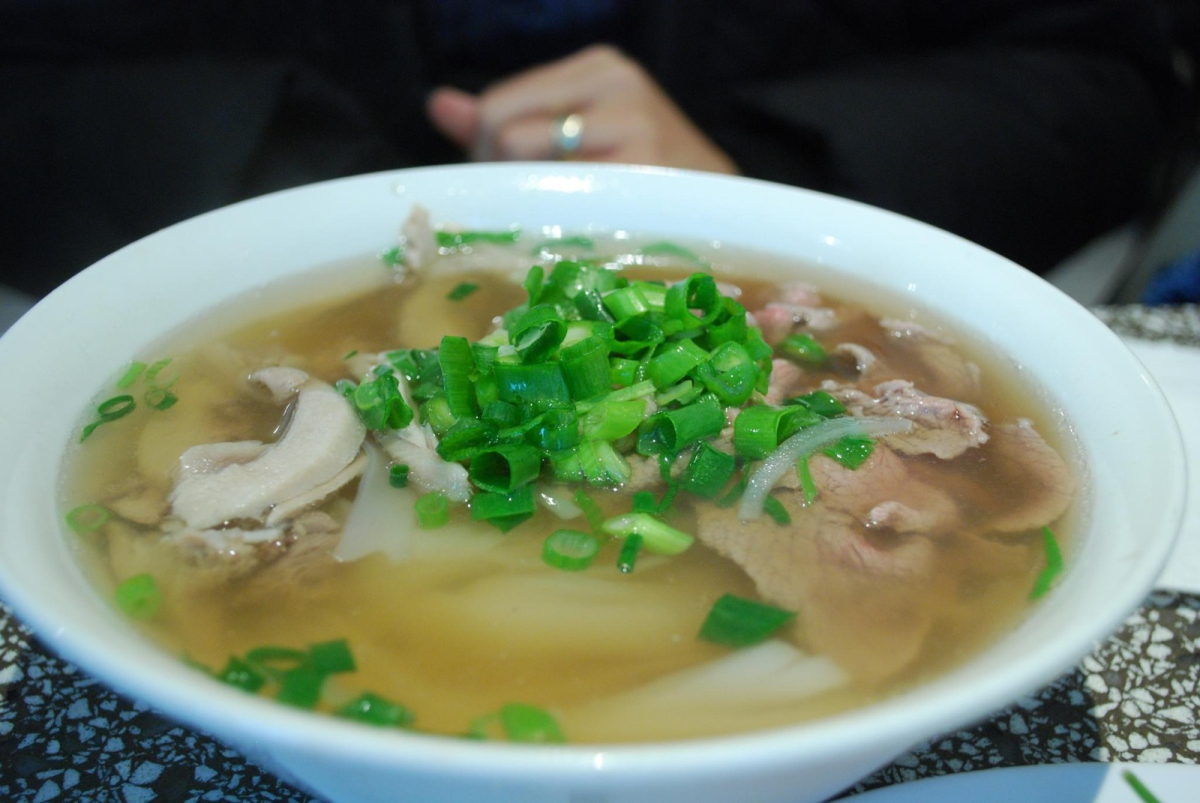
Pho is another useful starting point, with the broth and accompaniments worth attention rather than only the meat choice. Ask about the portion and any ingredients you need to avoid before ordering. A regional comparison does not require declaring one city the only authentic place to eat it. Try a bowl deliberately, notice what arrives with it and leave room for another kind of meal later in the trip.
For a food walk, ask how many stops are involved, how much walking there is and whether the tastings replace a meal. Establish the meeting point and return arrangement, especially if a busy street or late finish is unsuitable. The value can lie in explanation and ordering help, not simply in the number of dishes advertised.
Hue: choose a meal with its own rhythm
Bun bo Hue provides one entry into the city's food, while smaller dishes and a shared meal offer another. Do not assume that a dish described as a snack is enough for dinner, or that every broth can be made vegetarian at the last minute. Ask which items are made to order and which are already prepared. A restaurant that can explain its menu may suit a first regional meal better than a hurried series of stalls when you need detailed ingredient information.
Make time to enjoy the meal between heritage visits. A long tomb excursion and a crowded list of food stops can leave little space for either. Choose an ordinary lunch near the day's route or arrange a more substantial dinner after returning to your base. The regional food overview helps place the central dishes in context without presenting every preparation as identical.
Da Nang and Hoi An: mi Quang, cao lau and more than one meal
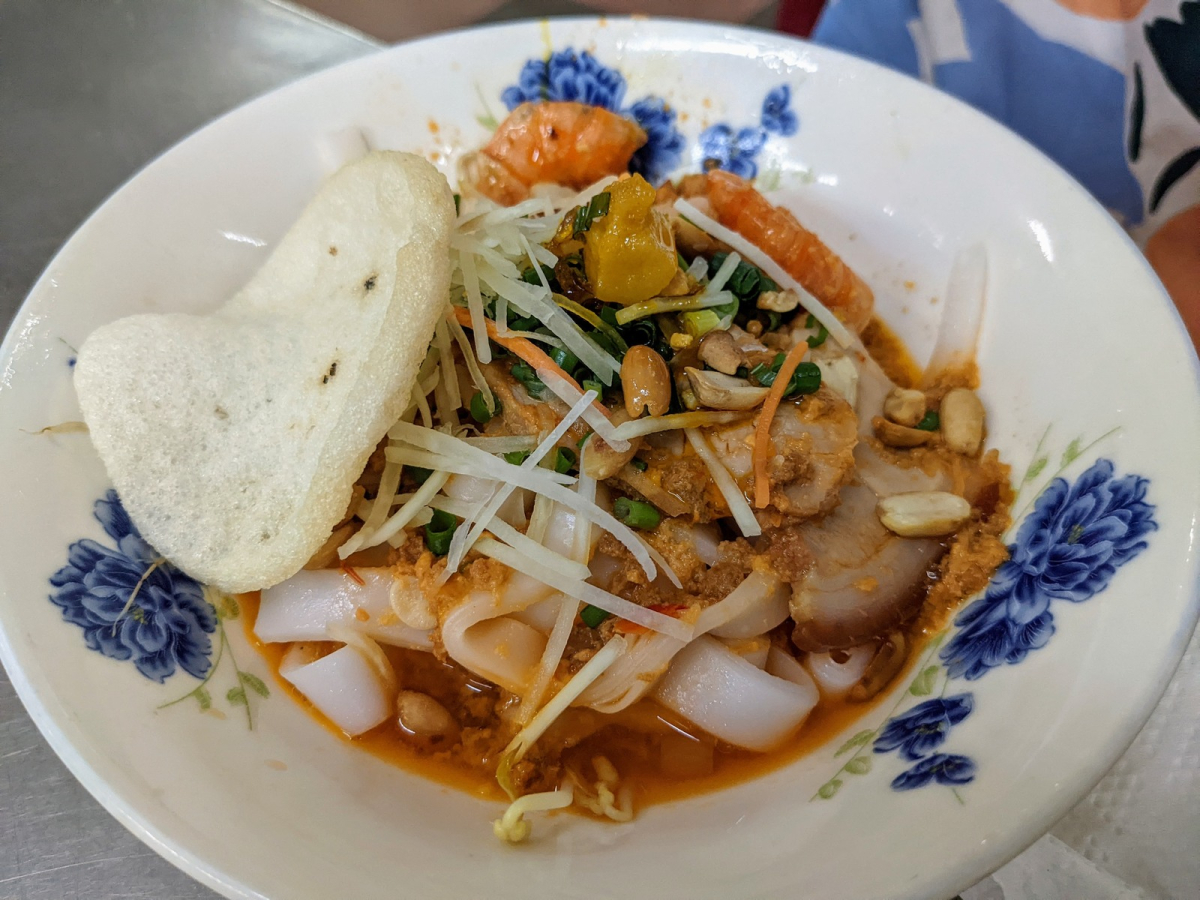
Mi Quang is a useful dish to seek in the central region; cao lau provides another Hoi An-related choice. Their names should not be used interchangeably simply because both are noodle dishes. Look at the actual preparation, toppings and portion before deciding whether to add a second dish. If a server suggests a set, establish what the price includes rather than assuming every accompanying item is complimentary.
A seafood meal is a separate decision from ordering a single bowl. Ask whether an item is priced per portion, piece or weight and agree how it will be cooked. Clarify accompaniments and additional charges before preparation. A beach-front setting does not by itself establish local origin or quality. The most useful restaurant is one whose menu, ingredients and bill can be understood for the meal you want.
Ho Chi Minh City and the south: rice, noodles and shared tables
Com tam and hu tieu offer starting points for a southern city food day. Compare the actual components of the plate or bowl and ask about sauces and toppings when they matter. A menu photograph can help identify the dish, but it cannot confirm how a kitchen adapts it. Keep one meal focused instead of ordering every familiar name at once.
For a shared dinner, decide the number of people and the balance of dishes before ordering. Ask which portions are intended for sharing, whether rice is separate and whether the order already includes something similar. A clear explanation of the table's needs can prevent a much larger meal than intended. Leave room for the cooking you encounter in your next region rather than assuming this dinner must cover the entire country.
The Mekong Delta: coordinate food with the day's journey
An early river outing and breakfast need planning together. Ask whether food is part of the trip and where it will be eaten; a market-related boat visit does not automatically provide a full meal. Have a simple alternative if the departure is too early for your accommodation's usual breakfast. A countryside homestay may require an advance meal order rather than offering a restaurant menu at any hour.
For a rural stay, explain the number of people and dietary requirements when arranging the accommodation. Establish the meal time and the route back from an outing so that dinner does not depend on an uncertain late arrival. The official Can Tho introduction provides the river context; the actual provider should confirm the day's food arrangements.
Coffee and cafes: choose the drink and the setting
Vietnamese coffee is a useful part of the trip in its own right. Compare a traditional filtered coffee, iced coffee with condensed milk and Hanoi's egg coffee. Ask about dairy, egg and sweetness when these affect your choice. A speciality cafe can provide another way to explore beans and preparation without replacing the appeal of a slower traditional coffee stop.
The official coffee-culture overview introduces that range. Choose a cafe near the day's route rather than crossing a city repeatedly to collect names. If the view is the main attraction, check how you reach the seating area and whether a booking or minimum spend applies. A rooftop photograph does not establish that every table has that view.
Cooking classes and market visits
Choose a class for what you want to learn. Ask which dishes you will prepare, whether you cook individually or as a group, how much is a demonstration and what the meal includes. A market visit can be an educational part of the session, but it is not proof that every ingredient used in the kitchen was bought there that morning. Compare the full programme rather than the number of dishes in the title.
Explain allergies or other requirements before booking, not when the pan is already hot. Ask whether a meaningful alternative is available and whether the provider can actually accommodate the need. For families, establish the minimum age, tool use, assistance and participation level. A hands-on adult class may not be the right format for a young child even if the finished food looks appealing.
Vegetarian, vegan and other dietary needs
Useful words can start a conversation, but they do not replace clear confirmation. Ask about broth, fish sauce, shrimp paste, egg, dairy and preparation where relevant to your needs. A vegetable dish may use an animal-based sauce or stock. If a requirement is strict, explain it in writing and ask a responsible member of staff to confirm what can be prepared.
For a severe allergy, consider both ingredients and preparation rather than accepting a general yes to a translated dish name. A cooking class, food tour and independent restaurant involve different opportunities for advance discussion. Choose the option that can give the information you need. The health and safety guide covers broader preparation; personalised medical advice belongs with your own qualified practitioner.
Read the bill before comparing value
Compare the whole meal: portions, shared items, drinks, service or tax where stated, and any charge attached to a setting or event. A price on an old menu image is not a current quotation. Ask before ordering items sold by weight or market price. For a reservation, confirm the exact branch, table arrangement and cancellation terms if a deposit is involved.
Buying coffee, spices or packaged foods to take home is a different task from choosing dinner. Check the maker, label, quantity, packaging and the import rules that apply at your destination. Use the shopping guide for product selection and carrying purchases, and keep the food itinerary focused on the meals you can actually enjoy during the trip.
Frequently Asked Questions
How is this different from the Restaurants guide?
This page helps choose and understand dishes, drinks and food experiences. Restaurants helps choose a venue, branch, setting and reservation. Use both without treating a dish photograph as a current restaurant menu.
Does a vegetable dish establish that the meal is vegetarian?
No. Ask about broth, sauces, shrimp paste, fish sauce, egg or dairy where relevant. State the requirement clearly and obtain confirmation about the actual preparation.
What should I compare before booking a cooking class?
Compare the dishes, hands-on work versus demonstration, group arrangement, market component, meal inclusion and any dietary or age requirements. The largest dish count is not necessarily the most useful learning experience.
Does a food walk always replace dinner?
Not necessarily. Ask about portion sizes, number of tastings, walking, drinks and the finish time. Choose a programme that fits the evening and your appetite rather than assuming every tasting tour is a full meal.
