
Choose the area before the property
Where to stay in Vietnam is first a route decision, then a neighbourhood or landscape decision, and only then a hotel decision. A riverfront resort, a city room and a countryside homestay may all be appealing, but they organise your days differently. Choose the base that serves the activities you want most often, and check the journeys you will repeat rather than only the transfer on arrival.
This guide compares areas and types of stay. Use the separate Vietnam Hotels guide for named properties, room categories and booking choices. For a larger route, the map and regions guide explains how the bases connect. Fewer bases with useful full days can produce a richer trip than a longer list of one-night stays.
Scroll sideways on smaller screens to compare all columns.
| Area | Best fit | Check before committing |
|---|---|---|
| Hanoi lake / Old Quarter surroundings | City walks, museums and northern connections | Vehicle access, street noise and room position |
| Tam Coc / Trang An countryside | Karst landscapes and a slower rural stay | Meals, bicycle arrangements and final road approach |
| Hue | Imperial heritage and a compact cultural chapter | Journeys between the citadel, tombs and accommodation |
| Da Nang city / My Khe coast | City services or a beach base with airport access | Which side of the city serves your daily plans |
| Hoi An old town / An Bang coast | Historic evenings or coast-oriented rest days | Actual walking distance, flooding conditions and night transfers |
| Ho Chi Minh City central districts | Southern city days and onward travel | Traffic, luggage access and distance to your own activities |
| Can Tho / rural delta homestay | Early river outings or time with one local base | Named pier, boarding assistance and advance meals |
Hanoi: central lake and Old Quarter surroundings
A central Hanoi base works for visitors who want to spend much of the day on foot around the lake, old streets, food and cultural stops. Compare the exact lane, room orientation and access for a vehicle. The same broad area can include lively late-evening streets and quieter rooms facing away from them. Ask whether luggage reaches the entrance by car or needs a short final walk.
Choose this kind of base for a short first stay and a route that returns to Hanoi between northern excursions. Keep the first day light after a long flight. If you have an early pickup, confirm whether the operator collects at your property or a common meeting point. Do not assume every Old Quarter address is included in a generic hotel-pickup promise.
Hanoi: West Lake and a less central daily pattern
West Lake can suit travellers who want a different setting and are happy to plan journeys into the main sightseeing areas. Compare the actual position on the lake, nearby meals and transport. “West Lake” is an area description, not a guarantee of a lake view, easy walking access to every shore or a short trip to each attraction.
A longer stay makes room comfort, food access and ordinary errands more important. Check the room during your expected sleeping or working hours if possible. Families and travellers with mobility needs should ask about steps, bathrooms and pickup access in the actual property. A room that looks spacious online may still create an inconvenient daily routine.
Ninh Binh: town, Tam Coc or the Trang An countryside
Choose a town base if simple arrival and onward transport matter most. Choose the Tam Coc area if you want a stay oriented toward countryside outings with visitor services nearby. Choose a more rural Trang An-area property if the setting is the priority and you have a clear arrangement for transport and meals. Ask about the final approach after dark and the way back from an excursion.
The official Ninh Binh boat guide distinguishes the visitor areas. Plan one major boat or landscape outing before adding another similar activity. For a short stay, location near your chosen route may matter more than a large room. For a slower visit, a peaceful property can be worthwhile if you are comfortable with its practical limits.
Hue: a heritage base with time between sights
Hue suits a stay built around imperial history, the river and meals rather than a hurried transit stop. Compare the location with the specific sights you want to visit; a central address does not mean all the heritage sites are in one walkable cluster. Arrange transport for a wider day and keep a rest break between large outdoor visits.
For a two-night stay, aim to have one full day and useful time on either side. A single night between long transfers is more limited than it sounds. Check current access and opening arrangements for each planned monument. The UNESCO description explains the wider heritage landscape rather than reducing Hue to one building.
Da Nang: city convenience or a beach-facing stay
Da Nang can be practical for airport access, a city routine and coastal time. Decide whether you want to be near the river or near the beach, then compare where you will eat and spend evenings. A beach hotel may still require road crossings or a walk to the water. Ask for the exact access route if that matters for children or mobility needs.
This base can work for a longer settled stay or as part of a central route. Count the time required for repeated visits to Hoi An or Hue before choosing one hotel for everything. A private transfer saves changes of room, but it may create a long day and a late return. Choose the compromise that fits your energy and interests.
Hoi An: old-town access, countryside or coast
Stay near the old town when your priority is repeated walks, meals and unhurried evenings in the historic setting. Compare crowd and noise exposure with convenience. A property outside the busiest streets may be a useful compromise, but verify the walking route after dark rather than judging distance alone.
Countryside and beach stays offer a different daily rhythm. Ask about transport to the old town, nearby dining and the route to the beach. A shuttle can be useful, but only if the timetable and return arrangement fit your plans. For tailoring or workshops, leave room for follow-up appointments rather than arranging every day as an excursion from a distant base.
Ho Chi Minh City: pick the area for your own city days
Choose an address by the places you plan to visit and the journeys you will repeat. A central sightseeing base may be convenient for a short first stay, while a different part of the city may suit a longer routine. Compare room noise, access for a car and the nearest useful food options rather than treating one district number as a universal recommendation.
Keep the final city night when the preceding journey comes from the delta or another weather-sensitive base. Confirm luggage storage and check-in arrangements if you arrive early. If the main goal is rest before a flight, prioritise a reliable transfer and a comfortable room over another crowded sightseeing schedule.
Mekong Delta: select the town and last approach
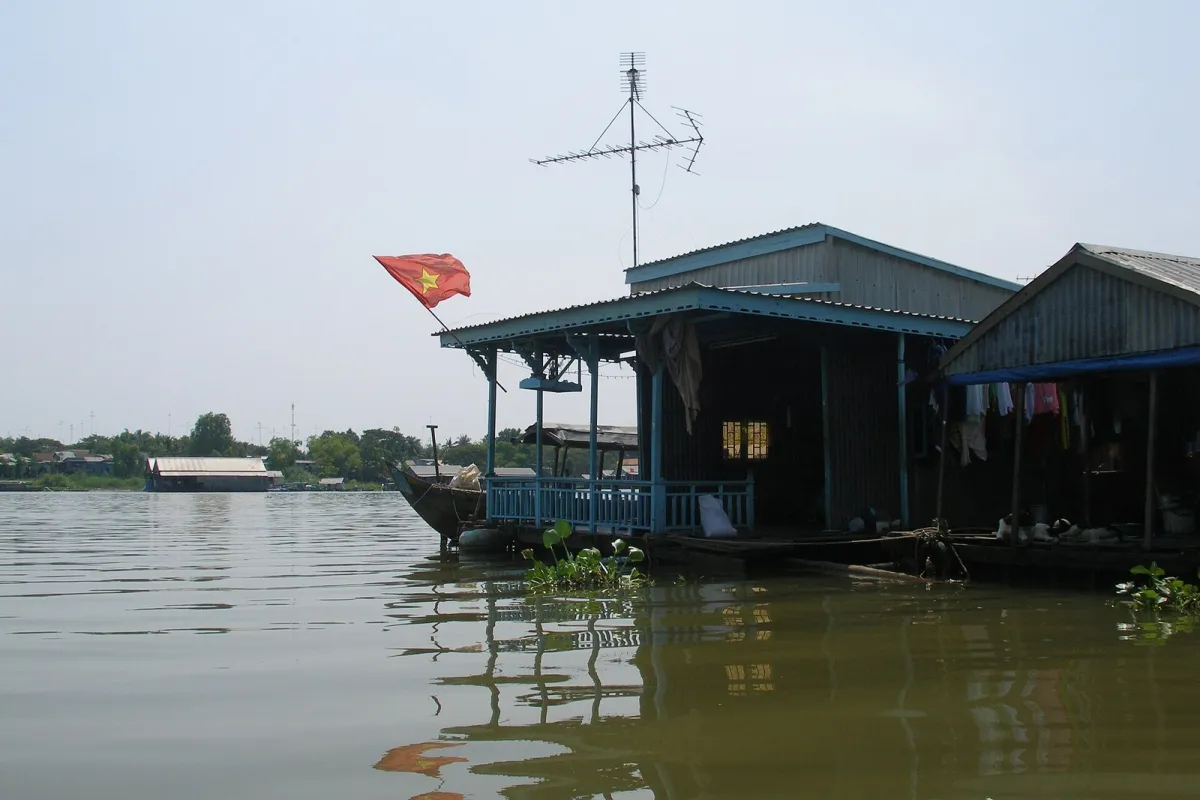
A delta stay should have a clear purpose: an early river outing, countryside time, food, or a slower community visit. Can Tho is useful for an overnight before an early boat arrangement, while other towns and rural stays offer different experiences. The photograph here shows the Bassac River near Chau Doc; it is regional context rather than a promise of the scene at every delta property.
The official Can Tho guide introduces that base. For any rural stay, establish whether arrival is by road or boat, who meets you and which meals need advance notice. Ask about insect protection, cooling, bathrooms and the return to the next gateway. “Homestay” does not by itself describe the level of facilities or the host's availability.
Phu Quoc and other island choices
Choose an island base when several beach days are a real priority. Compare the actual coast, beach access, nearby dining and the airport or pier transfer. A resort setting can be ideal for a settled holiday while being inconvenient for repeated independent evenings elsewhere. Ask what the stay offers when the sea is unsuitable for swimming.
For a short extension, count the time after arrival and before departure rather than only the number of nights. Keep the return before an international flight protected by a realistic margin. Use the beach guide and regional seasonal advice together; an attractive property cannot change the season.
Family, accessibility and longer-stay decisions
Ask for specific information about beds, room occupancy, lift access, stairs, bathrooms, road crossings and boarding assistance. Obtain confirmation for the room you will book. A hotel-wide statement does not establish every unit's layout. For families, compare the evening meal routine and rest opportunities as carefully as the pool photograph.
For several weeks, check kitchen equipment, laundry, daytime noise, cooling, internet and groceries. Read the Longer Stays and Costs guide before committing to a long booking. The best base is the one that makes your repeated days manageable, with the terms and practical arrangements you need in writing.
Sa Pa, Mai Chau and Pu Luong: choose the rural setting
For a mountain stay, distinguish a town hotel from a property reached by smaller roads, steps or a final walk. Sa Pa town provides a different evening routine from a village lodge. Ask where meals are available, whether a vehicle reaches the entrance and how wet weather changes the final approach. A dramatic valley view is less useful if every meal or walk requires a transfer your group cannot comfortably manage. Confirm heating, bedding and the practical indoor space for a cold or misty day.
Mai Chau and Pu Luong can suit a countryside chapter with a slower rhythm. Compare the actual village, road access, walking options and who arranges guiding. A homestay description does not tell you whether the bathroom is private, when dinner is served or whether a family has separate beds. Ask those questions directly, and check whether neighbouring activity changes the noise at the times you intend to rest. Avoid choosing a remote stay for one night between two long road journeys when it leaves no time to enjoy the place.
Phong Nha: match the base to the cave programme
A Phong Nha stay works best when built around the exact activity you have selected. Ask where the operator collects participants, whether luggage can stay at the accommodation and when the trip returns. An organised multi-day expedition may include its own camping nights and transfers; do not also count those as ordinary hotel nights without a reason. For a managed cave visit, compare a settled town base with a countryside property and the transport each needs.
Confirm food arrangements, laundry, drying space and the room available after a strenuous outing. A late return followed immediately by an overnight train can leave little room for delays or recovery. If your group divides between an expedition and easier activities, choose a base that supports both rather than leaving non-participants isolated. Use the parks and outdoor activities guide to distinguish the physical demands before selecting the room.
Nha Trang and Da Lat: coast and highland-city routines
Nha Trang offers an urban coastal pattern with restaurants and services alongside beach time. Check the exact route from the property to the sand, including road crossings, and distinguish a central hotel from a distant resort. A room described by a sea outlook may still involve a journey to the beach entrance you can use. For several nights, consider the evenings, laundry and alternatives to swimming as carefully as the photograph of the coast.
Da Lat supports a different stay organised around a highland city, lake surroundings and outings beyond the centre. Ask about slopes, steps, heating or cooling needs and the actual transport to your chosen activities. A central address and a remote view-led property are different products. Choose the location for the days you want rather than assuming every place carrying the city's name is equally convenient. Neither base should become an extra stop in a short north–central route without removing time elsewhere.
Con Dao: compare the island town with a resort stay
Choose an island-town base when access to meals and independent outings is the priority, or a resort setting when settled time at the property is central to the trip. Ask what transport is needed each evening and which dining choices are actually nearby. A beach photograph does not establish public access, calm swimming or an unobstructed route for someone with limited mobility. Confirm your own room and beach approach.
Allow several useful days after accounting for the arrival and return. Check the operating route and exact departure port for a ferry, and protect the mainland night before an important international connection. Accommodation, flights or ferries and protected-area activities may have separate cancellation rules. Compare those rules together before committing to a non-refundable island extension. See the beach guide and Getting Around for the practical differences between Con Dao, Phu Quoc and mainland coastal stays.
Frequently Asked Questions
Should I book the hotel before choosing the area?
Choose the base and daily routine first, then the property and room. Compare repeated journeys, evening meals and the final approach to the accommodation.
Is Hoi An beach accommodation the same as an old-town stay?
No. Check the actual beach or countryside location and the transport to and from the old town. A shuttle is useful only when its timetable fits your plans.
What matters most for a rural delta stay?
Confirm road or boat arrival, the person meeting you, meals, cooling, bathroom needs and the return transfer. A homestay label does not establish those arrangements.
How should families compare bases?
Check occupancy, beds, meals, road crossings, pickup access, rest opportunities and the activity level of the surrounding days. Ask for details about the actual room and route.