
VIETNAM TRAVEL GUIDE
Shopping in Vietnam: Crafts, Food Gifts, Markets and Tailoring
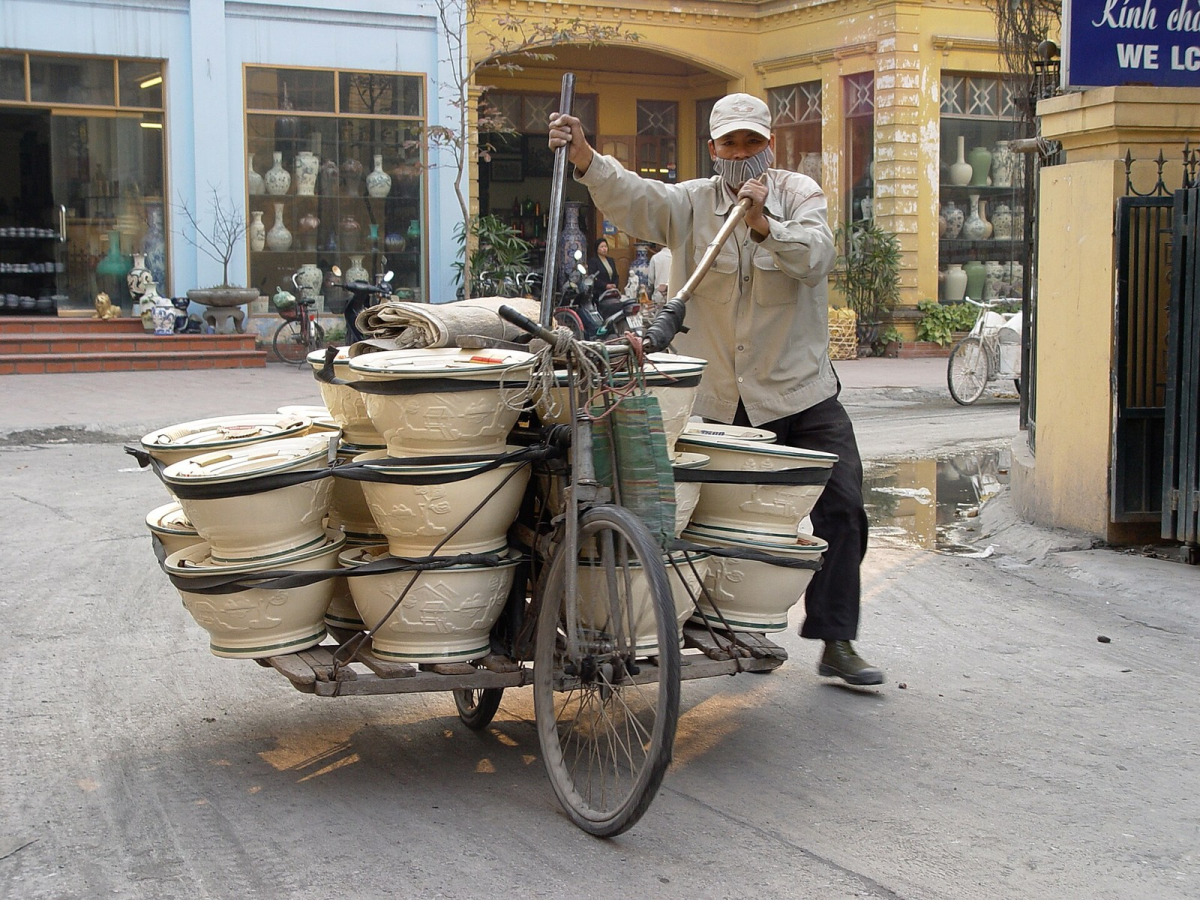
Choose Vietnamese ceramics, lacquerware, textiles, coffee and tailored clothing with named retailers, quality questions, route and packing advice.
Buy something connected to the place
Vietnam offers useful food gifts, textiles, ceramics, lacquerware and contemporary craft, but a souvenir's appearance does not establish its origin or quality. Choose what the recipient will use, what you can carry and what you can understand about the maker and material. A small, well-chosen object can be a better purchase than a large generic item that creates transport problems throughout the trip.
The official craft overview introduces several traditions. This guide turns those interests into shopping decisions. A market, a specialist shop and a workshop provide different experiences; none should automatically be treated as the cheapest or most authentic choice. Keep the actual receipt and check the terms for any item made to order.
Scroll sideways on smaller screens to compare all columns.
| Purchase | Where to investigate | What to ask |
|---|---|---|
| Ceramics | Bat Trang or a named specialist | Maker, intended use, weight and packing |
| Lacquerware | Hanoia or another documented retailer | Base material, production, care and food suitability |
| Embroidery / textiles | A specialist such as Tan My Design | Fibre, construction, handwork and care |
| Tailored clothing | Hoi An appointments | Fabric, fittings, corrections and collection terms |
| Lanterns / craft | Hoi An shops or workshops | Actual participation, construction and folding |
| Coffee / packaged foods | A documented maker or retailer | Origin, grind, quantity, dates and import rules |
Ceramics: Bat Trang and the practical weight of a purchase
Bat Trang gives a craft-focused reason to leave central Hanoi. Decide whether you want to observe production, take part in a workshop or buy a finished object. Those are different activities even when marketed under one village name. Ask whether the object you are buying was made by the workshop you are visiting, what the material and intended use are, and how it should be cared for.
Before choosing a tea set or larger piece, consider luggage weight and packaging. Ask for a protective packing arrangement appropriate to the journey, but do not treat packaging as a guarantee against breakage. If using shipping, obtain the full written cost, delivery terms and responsibility for damage before paying. A small piece you can carry safely may be more practical than a fragile set bought at the start of a multi-stop route.
Lacquerware: ask about material, process and care
A lacquer-style finish can appear on many different materials and products. Ask what the item is made from, how the decoration was produced and what its intended use is. A decorative bowl is not automatically suitable for food, heat or washing in the same way as ordinary kitchenware. Choose a retailer that can explain the specific object rather than relying on a general claim that lacquerware is traditional.
Hanoia provides a named specialist option. Its operator store list identifies Hanoi locations including Hanoia House at 38 Hang Dao and the Press Club flagship at 12 Ly Dao Thanh. Choose the actual branch and reconfirm opening before travelling for a specific purchase. An older article naming one store does not establish which branch carries a particular item today.
Embroidery and textiles: a specialist shop can help comparison
For textiles, compare fibre, weave or embroidery, care instructions, size and the work you can actually see. Ask which parts are made by hand and which are not, rather than treating a broad handmade label as a complete description. A silk-looking scarf and a documented silk product are different purchasing decisions. The appearance of a shop on a traditional craft street does not establish the material of every item inside.
Tan My Design's current catalogue and contact information
identify the Design shop at 61 Hang Gai, a named Hanoi starting point for embroidery and related products. The original Tan My shop at 66 Hang Gai is a separate address across the street. Compare a small wearable or table item with a larger object that requires special packing. Choose the item for its maker and usefulness, not only because it appears on a list of national souvenirs. Confirm the exact store entrance and any appointment needed for a special request.
Hoi An tailoring: allow fittings and a correction margin
A tailored garment is a sequence of decisions, not an instant souvenir. Agree the fabric, design, lining, measurements, fittings and final collection time in writing. Bring a clear reference if you have a particular result in mind, and establish what can realistically be adjusted. Order early enough in the stay to allow a correction without jeopardising your onward journey.
Compare the complete order and terms rather than only the lowest headline price. Ask how a problem found at the final fitting is handled and whether shipping is offered if more time is required. A promise of a very fast turnaround may be less useful than a schedule that allows you to try the garment calmly. Do not combine final collection with the last possible airport transfer.
Hoi An lanterns and craft purchases
A lantern can be a compact connection to Hoi An if its construction, folding and packing suit your journey. Ask whether a workshop includes making the item, choosing materials or only watching a demonstration. For a purchase, inspect the frame and finish and ask how it should be opened and stored. If an electrical component is included, check what is supplied and whether it is suitable for use at home.
Reaching Out is another named craft enterprise to investigate. Its pickup FAQ lists the arts-and-crafts pickup at 103 Nguyen Thai Hoc. Other operator location information refers to 131 Tran Phu, so confirm the craft-shop or tea-house entrance directly before arranging a visit. This distinction matters more than copying one address into a driver message without identifying which experience you want.
Coffee, tea, spices and packaged foods
Coffee and a suitable brewing filter can make a practical gift when the recipient will use them. Ask about the beans or blend, roast, grind, quantity and packaging. Buy a grind appropriate to the brewing method rather than assuming every packet is interchangeable. For tea, spices and other foods, read the ingredient, origin and date information on the actual sealed product.
Do not assume that a familiar regional name on the packaging proves where every ingredient was grown or processed. Compare the maker and label and ask questions where an origin claim is central to the purchase. The official souvenir introduction offers ideas, while the rules of your home destination govern what you can bring in. Check those rules before buying food, plant material or other restricted items; a seller's willingness to pack an object is not an import approval.
Markets and shopping areas: choose the purpose of the visit
Hanoi's Old Quarter and city markets can be useful for browsing, comparing small purchases and understanding local commercial life. A specialist retailer may be more useful when you need clear material information or a particular maker. Hoi An's shopping can fit an old-town day, but a fitting, workshop and market visit should not be compressed into the same spare hour.
In Ho Chi Minh City, choose a market visit for the experience and range rather than assuming every stall offers the same quality or price. Compare before committing to a substantial purchase. For a named store with several branches, save the exact current location. A map pin based on an older district or ward label may still need a clear street address and shop name.
A practical shopping route
In Hanoi, group an Old Quarter browsing session with a nearby specialist stop rather than zigzagging across the city for every craft category. Give a Bat Trang workshop its own outward-and-return plan if it matters to the trip. In Hoi An, place the first tailoring appointment early in the stay, leave a fitting day and use another period for a craft or lantern interest. In the south, buy packaged foods when you can keep them appropriately and carry them onward without repeated repacking.
These are route-building principles, not guaranteed shop itineraries or fixed opening hours. Reconfirm any appointment or important collection and keep enough time before departure. A useful purchase remains enjoyable after the holiday; a rushed order that requires an uncertain delivery can create more work than the souvenir is worth.
Receipts, payment and responsible buying
Clarify the currency, quantity, agreed specification and full price before paying. For a made-to-order item, retain the written order and relevant contact. Ask about returns or corrections while you are still in the shop. Bargain respectfully where appropriate, without treating a maker's explanation or demonstration as free labour that creates an obligation to discount.
Avoid wildlife products and objects with unclear origin, and seek proper documentation where an item's age or material matters. A decorative replica and an antique are not the same purchase. For substantial or regulated items, check the applicable export and import requirements through official sources. The responsible-travel guidance supports the same principle: buy less, understand what you are buying and leave room for the people and places behind the object.
Frequently Asked Questions
Should I buy a large ceramic piece early in the trip?
Consider its weight, packing and repeated transfers first. Compare a smaller item with documented shipping terms, and understand who is responsible for damage before paying.
How much time should I allow for tailoring?
Agree the actual appointments, fittings, corrections and collection with the tailor. Start early in the stay and keep a margin before departure rather than relying on a universal turnaround promise.
Is a traditional street name proof of a product’s material?
No. Ask about the actual fibre, base material, maker and care instructions. A shop’s location or a broad handmade label does not establish the construction of every object.
How do I find the correct Reaching Out entrance?
Identify whether you want the arts-and-crafts shop, pickup service or tea-house experience and confirm directly. The operator’s pages show different addresses for different information, so the business name alone is insufficient.
