
VIETNAM TRAVEL GUIDE
Getting Around Vietnam: Airports, Trains, Buses and Ferries
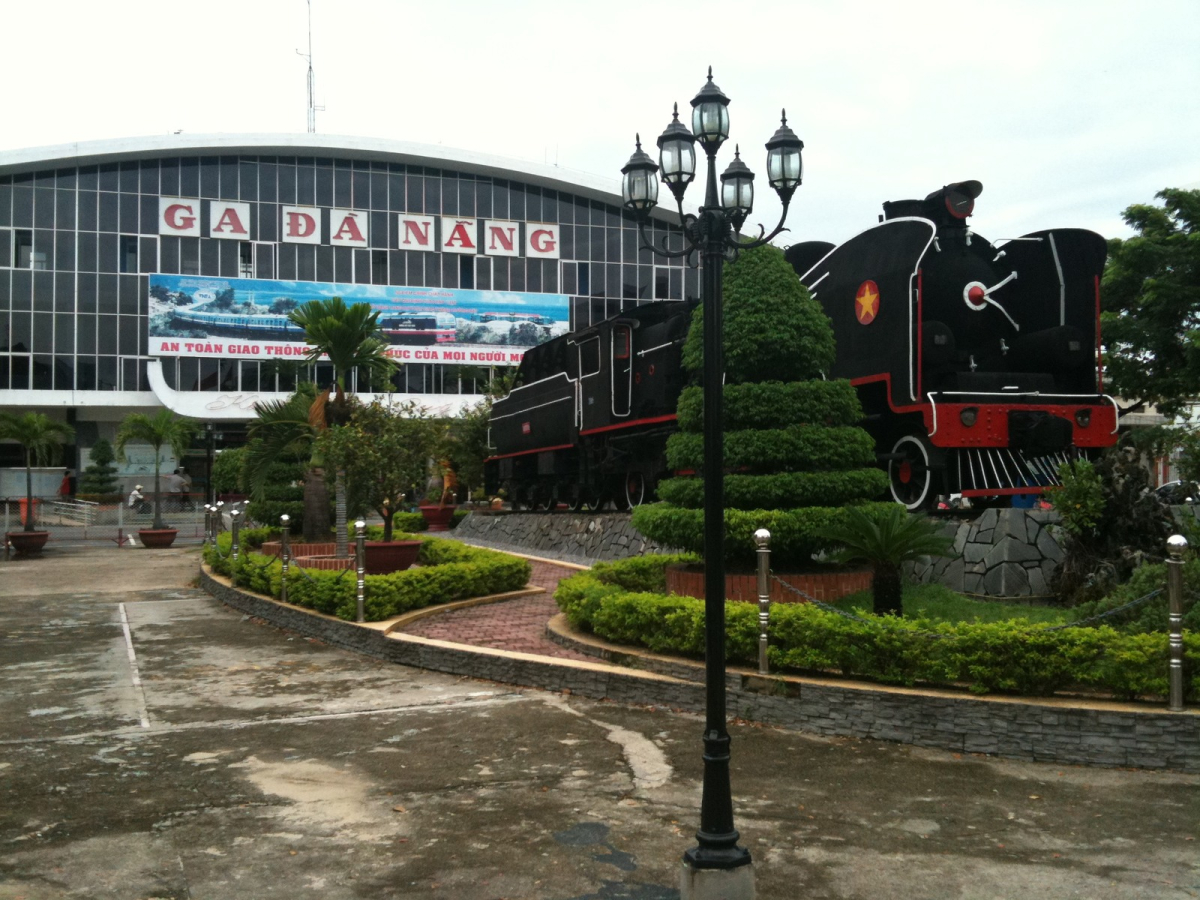
Compare Vietnam flights, trains, sleeper buses, city transport and island ferries, including terminals, stations, ports and the final transfer.
Build a transport chain, not a list of tickets
Vietnam's long shape makes the choice of transport part of the itinerary. A flight can preserve time between distant regions; a daytime train can turn a central transfer into part of the visit; a ferry creates a separate island connection. Compare the complete journey from one room to the next. Airport or station transfers, waiting, luggage and the arrival hour can matter more than the time spent aboard.
Start with your bases and nights in the itinerary guide. Buy the least flexible connection first, then arrange the local journeys that make it usable. A bus, boat and flight bought separately are separate commitments unless the provider explicitly sells a protected connection. Keep the final night near your international departure gateway when a disruption would otherwise put the flight at risk.
Scroll sideways on smaller screens to compare all columns.
| Mode | Useful role | What the ticket does not establish |
|---|---|---|
| Domestic flight | Connecting distant regions | Terminal transfer, baggage inclusion or an airline-protected separate connection |
| Daytime train | A rail journey with scenery or a practical city link | The road connection from Da Nang to Hoi An or Lao Cai to Sa Pa |
| Overnight train | A longer journey with a selected berth | A private compartment or immediate hotel check-in |
| Sleeper bus / shared van | A road route or flexible regional connection | The actual bed, restraint or door-to-door endpoint |
| Ferry | An island connection from a named port | Passport eligibility, road stages or operation in unsuitable conditions |
| Metro / local ride | A particular city journey | A convenient or accessible last approach to every attraction |
Airports and transfers
Hanoi: Noi Bai Airport and your northern base
Noi Bai's airport code is HAN. Use the actual flight confirmation for the terminal and meeting point, and give a driver the full flight number rather than only a city name. Choose the transfer for the number of people, luggage and arrival time. A Hanoi hotel address in a narrow street may require a short final approach on foot; confirm where the vehicle can stop. An airport pickup to Hanoi does not include onward transport to Ninh Binh or a bay pier unless that is stated in the booking.
Da Nang: airport arrival is not arrival in Hoi An
Da Nang Airport uses DAD. A city hotel, My Khe coastal stay and Hoi An property are different destinations, even when all three appear in a central-Vietnam itinerary. Confirm the full accommodation address and whether the transfer price covers the actual endpoint. For an evening arrival, save a direct property contact and agree the check-in arrangements. A short flight followed by an unplanned road journey is not a reliable way to reach a timed dinner or performance.
Ho Chi Minh City: check the terminal on each flight
Tan Son Nhat uses SGN. Terminal choice depends on the operating airline and flight, not simply on whether you think of the trip as domestic or international. Vietnam Airlines' Terminal 3 notice explains its move and exceptions; it should not be applied to every carrier. Check the current booking and airline guidance for your flight. Allow for a terminal change and checked baggage before deciding whether a separate onward ticket is sensible.
Arrange the meeting, payment and final approach together
For a pre-booked transfer, agree the named meeting area, driver identification, waiting policy, vehicle size and final accommodation entrance. For a taxi or app ride, use the actual authorised pickup arrangement shown at the airport. Keep the destination in Vietnamese and a usable phone or data connection. Pay attention to whether tolls, waiting and extra stops are included. Use your operating airline's current airport and terminal information to identify the authorised airport service channel. An old remembered phone number is a poor substitute when current assistance matters.
Trains: choose stations and sleeping arrangements carefully
The north–south railway can serve a route linking Hanoi, Ninh Binh, Hue, Da Nang, Nha Trang and the southern city. It does not turn every town on your itinerary into a railway station. Hoi An requires a further road connection from Da Nang; Sa Pa needs a mountain road connection when travelling via Lao Cai. Phong Nha likewise needs a road plan from the station you actually book. Verify the destination on the ticket instead of buying a vaguely named regional transfer.
The Vietnam Railways corporate website links to DSVN's online ticket service. Check the current date, station, train and accommodation class there. A similarly named commercial booking website may be an agent rather than the railway itself. Compare its service terms separately rather than assuming every rail-branded website is an official operator.
Daytime trains and the central coast
A daytime Hue–Da Nang segment can make sense when scenery is part of the reason for choosing rail. Check that the specific service runs in daylight for the portion you care about. A window seat does not guarantee clear weather or an unobstructed photograph, and a scenic segment is not a whole holiday day's itinerary. Arrange the station transfer and the road journey to Hoi An before treating the booking as complete. Keep your luggage and onward accommodation details available without relying on the carriage's connectivity.
Overnight trains: a berth is a separate decision from a seat
Read the selected train's actual class description. Seated travel and a sleeping berth are different products, and berth position, compartment occupancy and privacy affect the experience. Do not assume a private compartment because a booking photograph shows an empty cabin. Ask how adjoining berths or a whole compartment are sold when travelling with children. Compare the early arrival hour with luggage storage and room check-in: a night aboard saves a hotel night only if the rest of the plan still works.
For passengers who cannot use a ladder comfortably, a lower berth may be relevant, but it is not proof that boarding or the toilet is accessible. Ask about the carriage and station arrangement before buying. The accessibility guide explains the distinction between a suitable seat and an accessible complete journey.
Sleeper buses, coaches and shared vans
A sleeper bus can serve places less conveniently reached by rail, including northern mountain routes, but the vehicle category and actual bed layout matter. A cabin-style photograph does not establish privacy, usable length or an independent seat for a child. Ask which vehicle operates your departure, how luggage is handled, whether stops are included and where you will be dropped off. An overnight arrival on the road is not equivalent to an available hotel room.
For a shared van or marketed limousine service, confirm whether the fare covers the door-to-door journey or a collection point. A provider may consolidate passengers before the main departure. Compare the total elapsed journey and pickup window, not just the word luxury. If you need a child restraint or boarding assistance, ask for the exact arrangement and obtain confirmation rather than assuming an ordinary shared service can provide it.
City travel: walking, metro and identifiable rides
Hanoi metro and the last part of the trip
Use the Hanoi Metro operator's English information for line and station guidance. Compare a metro journey with the actual walk or further ride needed to your destination; a station name alone does not establish convenient access to the Old Quarter or your hotel. Network diagrams can show a project's full alignment, so distinguish the operating section from future stations before planning around Line 3. Check the current fare and the correct ticket product at the station rather than relying on a screenshot of an older price board.
Ho Chi Minh City metro and the central walking area
Line 1 links the Ben Thanh–Suoi Tien corridor. Its useful role in your day depends on the attraction's distance from an entrance, not only the distance from the line on a map. The city's operation announcement provides the opening and published fare context. Confirm the current fare, supported payment and entrance with the operator or station staff. A city metro is not a railway connection directly into every airport terminal or intercity bus station.
Taxis and app rides
Use an identifiable service and match the vehicle and driver information to the booking. Set a pickup location that a vehicle can legally reach, especially around pedestrian streets and crowded evening areas. If the driver cannot find you, send the current landmark and street side rather than repeatedly changing the destination. Keep enough battery and an alternative way to contact your accommodation. Short walking routes also need practical crossings; the shortest line on a phone map is not always the most comfortable route for a family or a wheelchair user.
Islands and ferries
Phu Quoc and Con Dao deserve a full connection plan. Compare the departure port with the mainland base you will actually use, and the arrival port with the accommodation. A ticket may name a town or region whose pier is outside its centre. For Phu Quoc, check the selected route from Ha Tien or Rach Gia. For Con Dao, establish the particular mainland port before arranging the road journey. Do not buy a transfer to one port from an old article and a boat from another because both carry the island's name.
Superdong's published route schedule
distinguishes its services and notes weather and tidal changes. The
also includes route-specific eligibility conditions; a route visible in a menu is not automatically open to every passport. Read the condition for the actual route, the current date and the carriage of any vehicle. Keep the road transfer, port check-in and onward flight as separate elements unless explicitly sold together.
An island extension should include a way to absorb a cancellation. Returning to the mainland or an international gateway before the flight day is useful when tickets are separate. Cat Ba creates another island decision in the north: an island accommodation booking and a cruise embarkation booking may require different transfers. Use the coast and island comparison to choose the stay before booking every leg.
Mountain roads and driving decisions
Ha Giang, Sa Pa and Cao Bang involve road conditions and daily travel patterns very different from a city taxi ride. Decide whether the purpose is walking from a settled base or spending several days on a road circuit. A qualified driver or guided arrangement can be more appropriate than independent riding. Verify the licence, permit, insurance and vehicle category that apply to you; a rental business accepting payment is not evidence that all legal requirements are satisfied. Keep a weather alternative and avoid combining an exhausting mountain journey with an important same-day connection.
Make a travel-day record you can actually use
Save the date, local departure time, station or pier, operating company, booking reference, baggage conditions and accommodation arrival instructions offline. State whether an early-hours departure belongs to the night before or the next calendar day. Keep a current contact for a missed pickup and decide who in the group holds the booking details. Reconfirm weather-dependent services close to departure. These details turn a collection of tickets into a journey that can be followed when a phone connection or one leg of the plan fails.
Frequently Asked Questions
Does a train ticket to Da Nang include Hoi An?
No. Da Nang station and your Hoi An accommodation are separate endpoints. Arrange the road connection and final address unless the actual product explicitly includes them.
How do I identify the official railway booking channel?
The Vietnam Railways corporate website links to DSVN for online tickets. Use that relationship to identify the operator channel and distinguish any commercial agent’s separate service terms.
Should I pick a ferry only by the island name?
No. Establish the mainland port, island arrival port, date, passenger eligibility and the road journeys on both sides. A region name may conceal a pier outside its centre.
Is a scenic central train a complete transfer day plan?
It is only the rail stage. Add the accommodation-to-station journey, boarding margin, arrival station and onward road transfer, especially when your final destination is Hoi An.
Can I rely on every station shown on a metro project map?
No. Distinguish the currently operating section from a full future alignment and confirm the entrance and onward route you need. A project label does not prove that every depicted station is open.
