
VIETNAM TRAVEL GUIDE
Vietnam Family Travel: Bases, Activities and Practical Planning
Plan Vietnam with children through suitable bases, varied activities, sensible transfers, room choices, meals and manageable days.
Choose fewer bases and more useful family days
A family trip to Vietnam works best when the route reflects children's ages, sleep, food and interest in different activities. A toddler, a school-age child and a teenager may need different versions of the same day. Choose the destinations you most want, then look at the transport and recovery time between them. One more night in a base can be worth more than one more name on the itinerary.
The official family-destination overview provides starting points, including Hoi An, coastal stays and rural northern options. This guide focuses on decisions that make those choices usable. For complete route sequences, use Vietnam Itineraries; for a property decision, compare areas and bases before the room itself.
Scroll sideways on smaller screens to compare all columns.
| Base / chapter | Useful pattern | Important check |
|---|---|---|
| Hanoi | Short walks and a chosen cultural visit | Crossings, room noise and an easy return |
| Ninh Binh area | One boat or rural interest per main outing | Boarding, suitable jackets and meals near the stay |
| Hue | A focused heritage visit and a break | Entrance, shade and the length of the monument route |
| Hoi An / Da Nang | Craft, town or coast days from one base | Repeated transfers between the old town and beach |
| Coast / island | Several settled rest days | Room configuration, sea conditions and connection days |
| Can Tho / delta | An early river outing from a settled base | Actual pier, boat, breakfast and last approach |
Hanoi: a city visit in small, varied pieces
Begin with an easy lake-side orientation and one cultural visit rather than an ambitious day crossing the whole city. The Old Quarter's street life can be interesting, but pavements, crossings and traffic need attention. Choose where to walk and where to use an arranged ride. A stroller is useful only if its route, folding and storage requirements work with the day's transport.
The Vietnamese Women's Museum offers a focused cultural option instead of an undefined museum day. Its visitor page describes activities for children and audio interpretation. Ask about the current programme rather than promising a workshop every day. The Museum of Ethnology offers a different interest through objects and outdoor architectural exhibits. Pick the museum that fits the family and give it enough time; there is no need to visit both simply because they appear in the same guide.
For a performance, check the current show, duration, sound and seating arrangement. Water puppetry can be a distinct cultural experience, but a ticket seller's photograph does not tell you how your child will react to the auditorium. Plan a simple meal and return afterwards instead of adding a second major attraction late in the day.
Ninh Binh: countryside without a climbing requirement
Choose accommodation according to how you will reach meals and the day's departure point. A rural stay can provide space and a slower pattern, but it may require a ride for every outing. A town or Tam Coc base can create a different balance. Ask about pools, open water and the exact room-to-restaurant path rather than judging family suitability from an attractive aerial photograph.
For a boat outing, establish the route, duration, boarding steps, life-jacket provision in the required sizes and what happens if someone needs to return early. A climbing viewpoint is optional. A family can enjoy karst scenery and a quieter rural day without everyone undertaking a staircase in heat. Keep one main activity and allow time for a proper lunch and rest.
Hoi An and Da Nang: choose the day's centre of gravity
A Hoi An old-town base, an An Bang coast stay and a Da Nang city hotel support different family routines. Decide where most meals and evenings will happen. Repeated journeys between them can consume the relaxed time you intended to create. Check whether a beach-facing property's access to the water actually works for your group, and keep a non-swimming alternative when sea conditions are unsuitable.
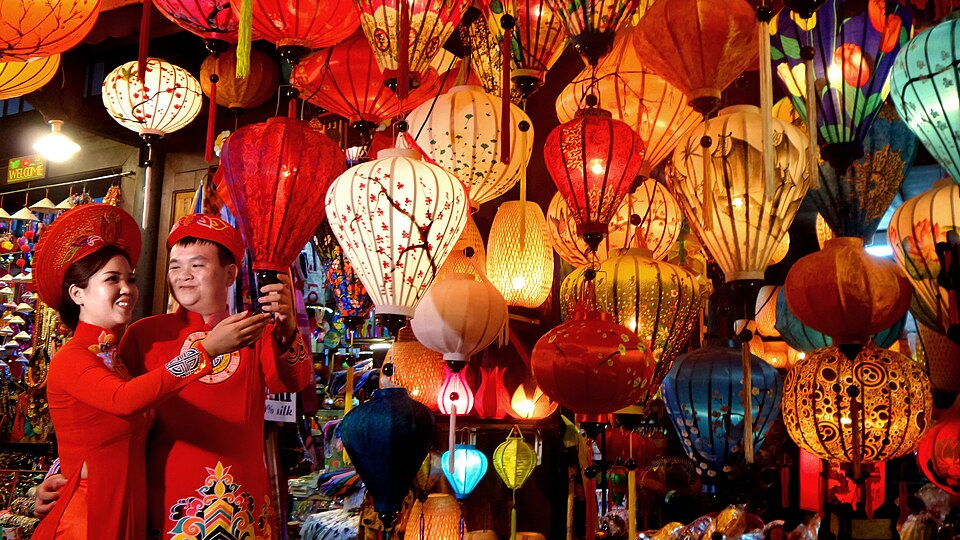
A lantern or craft workshop can provide a different kind of activity from sightseeing. Ask which parts children perform themselves, whether adults assist and what materials or tools are used. An attractive photograph is an illustration of an activity, not evidence that a named workshop accepts every age. Confirm the session, what the price includes and how any finished item travels home.
Hue: select a manageable heritage visit
Choose a focused Imperial City visit or a small number of outer monuments instead of treating every royal site as compulsory. A guide who can adapt the explanation may be more useful than a larger checklist. Ask about shade, rest points and the actual entrance arrangement. A heritage site is not automatically easy to navigate with a stroller simply because it is a major attraction.
Discuss the length of the day before setting off. Pair the visit with food and a genuine break, and keep a sheltered option available. Families with children interested in art or history may prefer more context; others may enjoy a shorter visit and a change of activity. There is no universal right number of monuments for a family day.
The coast and islands: book the room and the journey together
Nha Trang, Mui Ne, Phu Quoc and other coastal options differ in how they fit the route. A mainland coast may require less additional travel than an island extension. If you choose an island, leave enough nights to justify the arrival and departure days. Read the ferry or flight conditions for the exact dates and allow for a weather-related change.
Ask about room occupancy, the ages included in a rate, extra beds and whether the desired sleeping arrangement is confirmed. A room labelled family may mean one larger bed rather than separate spaces. Check pool supervision, balcony or open-water exposure and any facility essential to the trip. A kids' club photograph does not establish current staffing, operating hours or acceptance ages.
The Mekong Delta: make an early outing practical
A Can Tho overnight stay can support an early river outing without a long pre-dawn drive from Ho Chi Minh City. Choose the named pier and the actual boat, with suitable jackets and boarding arrangements. Establish whether the outing includes a meal or whether breakfast remains a separate plan. River scenes change, so avoid promising a particular formation of market boats to children as if it were a staged performance.
A rural homestay offers a different pattern from a city hotel. Ask about the sleeping space, bathroom, cooling, meals and contact after dark. Include the last approach in the transfer discussion: an accommodation address does not explain every narrow road, boat step or final walk.
Flights, trains and long road journeys
For flights with infants or children, use the operating airline's current age, seating and baggage rules. Vietnam Airlines' stroller information is a starting point for that carrier, not a rule for every airline. Ask how the stroller will be tagged, where it is returned and what you will use between check-in and baggage collection.
For a train, compare a daytime seat with the actual berth and compartment arrangement of an overnight service. Do not assume a child has a separate bed or that booking two berths creates a private compartment. For buses and shared vans, obtain a clear answer about the seat, restraint and pickup arrangement. A service described as luxury does not answer those family questions. The transport guide explains the complete journey, including the station or port transfer.
Food routines, allergies and useful downtime
Keep some meals simple and predictable, especially on arrival and transfer days. Ask what a dish contains before cooking, including broth, sauces and toppings. A vegetable garnish is not proof of a meat-free meal. For a severe allergy, carry a clear written explanation and confirm ingredients and preparation directly; a dish name or a translation app alone does not establish that the meal is suitable.
Make downtime part of the itinerary rather than a reward earned after every sight. A room break, quieter café or short activity near the accommodation can rescue an overfull day. Keep the provider's phone number and a familiar address offline so that one adult can return with a child while others finish an optional activity.
Adapt the plan before booking the difficult part
For younger children, shorten travel days and reduce the number of bases. For older children and teenagers, choose a shared interest: food, a hands-on craft, a cave visit at an appropriate level or an art-related stop. Ask the operator about physical requirements instead of assuming the activity's popularity makes it suitable for everyone. Families with mobility or sensory needs can use the accessibility guide to request more specific information. A successful family itinerary has choices and easy exits, not a compulsory achievement at every stop.
Frequently Asked Questions
Which route change usually makes a family trip easier?
Reduce the number of bases before shortening sleep, meals or connection margins. Choose a manageable main activity each day and keep a nearby alternative or an easy return to the accommodation.
Does a family room guarantee separate sleeping spaces?
No. Check the exact room, beds, occupancy ages and included extra-bed arrangement. Obtain confirmation of the configuration that matters rather than relying on the family label.
What should I ask before a boat trip with children?
Ask about the actual boat, boarding steps, suitable life-jacket sizes, duration, food and the option to return early. A large-vessel photograph does not describe every boarding stage.
Can a lantern workshop suit any age?
Confirm the provider’s current age and participation rules, tools, adult assistance and session length. A photograph illustrates the activity but cannot establish suitability for a particular child.
