
VIETNAM TRAVEL GUIDE
Vietnam History, Culture & Museums: What to Explore
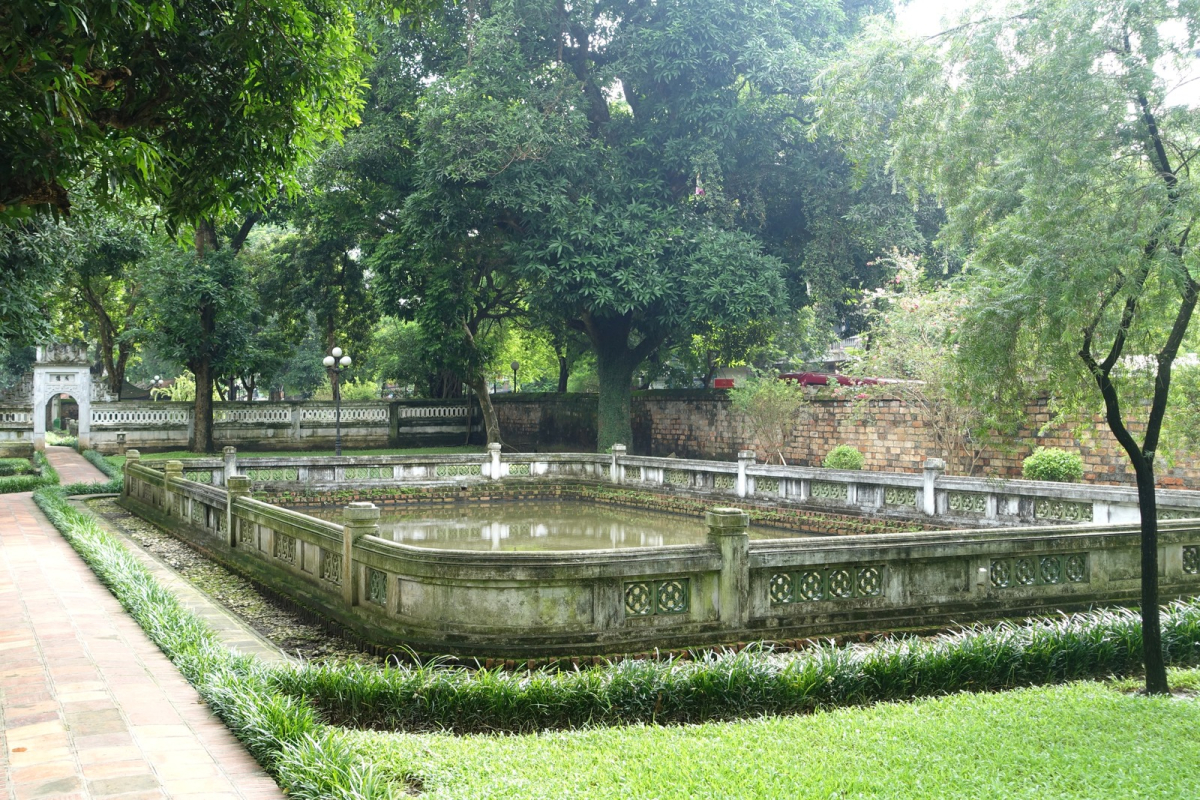
Explore Vietnam through royal capitals, Cham heritage, trading towns, museums, living traditions and respectful cultural visits.
Read Vietnam through more than one historical story
Vietnam's history is not a single war chapter or a uniform national costume. Royal capitals, trading ports, Cham monuments, religious buildings and contemporary cities reveal different experiences. A useful cultural route combines context with time in places where daily life continues. Read a short historical introduction before a monument, then choose a museum that answers a question you actually have.
The official historical primer provides a broad starting point. This guide connects that context to visits; it is not a complete political history. For choosing destinations rather than historical interpretation, use Vietnam Attractions & Day Trips. Current museum hours, exhibitions and ticket conditions need confirmation with the venue, especially around public holidays.
Dynasties, learning and the northern capital
Hanoi's Temple of Literature provides a way to explore the importance of learning and official education in the historical capital. The Imperial Citadel of Thang Long offers another route into the changing centres of power. They are distinct sites, not different names for one royal enclosure. Give each a clear question: the setting of scholarship at one, the layers of a political centre at the other. A guide or an interpretive visit can be more rewarding than attempting to identify every structure from its appearance alone.
Do not reduce a dynastic chronology to a single continuous architectural style. Buildings can contain later restorations and changing uses. Read the site's interpretation, distinguish what survives from what has been reconstructed, and avoid describing a modern photograph as a view unchanged for centuries. The Thang Long UNESCO record is a useful companion to an actual visit.
Hue and the Nguyen imperial landscape
Hue allows travellers to connect an imperial capital with separate royal burial landscapes. The Imperial City is one major visit; selected tombs outside the central area are another. Understanding the relationship is more useful than assuming every building belongs to the same admission or walking circuit. Use a map and a current site list when deciding how many monuments to visit.
The Complex of Hue Monuments provides a framework for the historical ensemble. Choose depth over quantity: one well-explained monument and time to look carefully can be more memorable than a fast sequence of gates. Ask whether your guide's language and interpretation match your interests, and allow breaks for heat or rain. Clothing and respectful behaviour should follow the instructions at each active sacred or ceremonial space.
Cham heritage and the central trading coast
My Son introduces the religious and architectural heritage of Champa. The sanctuary belongs in its own historical context rather than being described as a smaller version of Hue. A visit can combine surviving temple forms, landscape and interpretation, with current conservation work part of what you see. The UNESCO description of My Son explains its significance.
Hoi An tells a different story through its trading-town setting and layers of contact. Walk slowly, look beyond the most photographed lanterns, and distinguish a historic building visit from shopping in an ordinary commercial street. The Hoi An heritage record helps make that distinction. A tailoring fitting or craft workshop is a contemporary encounter with skilled work, not proof that a business has operated unchanged since the port's earlier trading period.
Colonial architecture, conflict and the modern city
Ho Chi Minh City contains buildings associated with colonial administration and commerce alongside sites connected with later conflict and political change. A walk around the Central Post Office area and a visit to the Reunification Palace answer different questions from the War Remnants Museum. Allow enough time for their different emotional demands. With children, decide in advance how to approach difficult photographs and whether everyone wants the same length of visit.
Museums have viewpoints and curatorial choices. Read labels critically and give yourself time to process the material. Avoid treating an emotionally demanding exhibition as a quick stop before a cheerful photo checklist. A quieter meal or an unhurried walk afterwards can make a more considerate day plan than immediately adding another major institution.
Museums: choose the question before the building
Scroll sideways on smaller screens to compare all columns.
| Museum / base | Main interest | Useful planning question |
|---|---|---|
| Vietnamese Women’s Museum / Hanoi | Women’s roles, history and clothing | Which current displays and interpretation suit the group? |
| Museum of Ethnology / Hanoi | Cultural diversity and architectural exhibits | How do indoor and outdoor sections fit the day? |
| National Fine Arts Museum / Hanoi | Materials, art and changing visual traditions | Which collection or medium matters most? |
| Cham Sculpture Museum / Da Nang | Cham objects and heritage context | Would it add context before or after My Son? |
| War Remnants Museum / Ho Chi Minh City | War and its consequences | What pace and alternative suit the group? |
| Fine Arts Museum / Ho Chi Minh City | Art and an architectural setting | Which galleries and entrance are currently usable? |
Vietnamese Women's Museum, Hanoi
Choose this museum for the roles of women in family life, history and clothing traditions. It offers a different perspective from a general military chronology. The museum's own visitor page describes its themed displays, audio-guide languages and visitor amenities. Save the address at 36 Ly Thuong Kiet and compare the visit with your other central Hanoi plans. Audio interpretation can support a more independent visit, while families may prefer a small selection of exhibits instead of reading every label.
Vietnam Museum of Ethnology, Hanoi
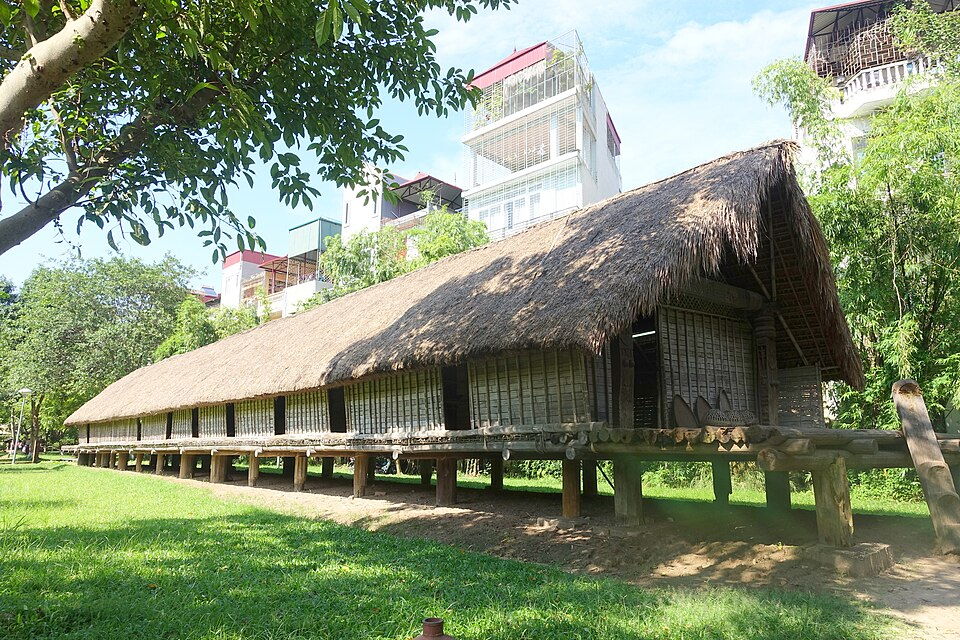
This is a useful choice for understanding the diversity of communities rather than treating every highland village as culturally interchangeable. The official national museum selection describes its indoor displays and outdoor architectural exhibits. Ask about the currently open sections and the time needed to travel from your base. The museum can prepare you to ask better questions on a village visit, but it does not replace permission to photograph a person or enter a home elsewhere.
Vietnam National Fine Arts Museum, Hanoi
Choose an art museum when your interest is in materials, visual traditions and the changing language of Vietnamese art. Looking at lacquer, sculpture and painting before visiting shops can also help you understand the difference between a material, a technique and a marketing label. Plan the visit around the collection rather than assuming an art institution is only a wet-weather fallback. Check current displays directly with the museum; a work reproduced online is not guaranteed to be on view during your visit.
Da Nang Museum of Cham Sculpture
The Cham collection offers useful context before or after My Son. A museum visit and an outdoor sanctuary provide different experiences: one supports close comparison of objects, while the other situates surviving structures in a landscape. Do not rush both merely to tick the same historical label twice. Choose the order that suits your base and the conditions. The national museum overview identifies the collection; use current venue information for admission and any closed galleries.
War Remnants Museum, Ho Chi Minh City
Choose this visit deliberately for its treatment of war and its consequences. Photographs and exhibits can be distressing, and members of one group may need different amounts of time. Discuss a meeting point and an easy alternative for anyone who wishes to leave a gallery early. A family visit should be guided by the children's needs, not only by the museum's prominence in a city checklist. Build an appropriate pause afterwards rather than scheduling every minute around it.
Ho Chi Minh City Museum of Fine Arts
This is a distinct choice for visual art and an architectural setting, rather than a substitute label for the War Remnants Museum. It can fit a day involving a central city walk, but compare the actual entrance and gallery arrangements when access is important. Give one theme or medium your attention rather than expecting to absorb an entire collection in a short stop. The museum selection above is an introduction; the venue's current information governs what is open.
Religious etiquette and living traditions
A temple, pagoda, communal house and family shrine are not interchangeable visitor categories. Follow posted dress and behaviour instructions, keep voices low where worship is taking place, and ask before entering a space that is not clearly open. Do not move objects or stand in a ceremonial position for a photograph because another traveller has done so. A paid admission does not create permission for every kind of photography.
Water puppetry, music and staged contemporary performance can be useful cultural encounters when chosen thoughtfully. A theatre programme is different from a village ceremony; one does not authenticate the other. Use the evening culture guide for performance choices and current provider links. Avoid attributing a show to a community solely from the costume or scenery on stage.
Village visits and craft encounters
Ask which community you will visit, who guides the activity and what the fee covers. Sa Pa, Mai Chau and other northern areas should not be marketed as one homogeneous encounter. Travellers can learn more by spending time with a guide who can explain the specific place than by collecting portraits without conversation. Decide separately whether you want a walk, a meal, a workshop or an overnight stay.
Buying a craft can support skilled work when its maker, material and terms are clear. Ask who made the object and whether a workshop visit is participatory or observational. Do not bargain for a demonstration as if the person's time had no value. The shopping and craft guide explains how to compare products without assuming that every souvenir is locally made.
Build a cultural day with enough space
Choose one substantial museum or heritage visit, a nearby second interest and a meal that gives the day a natural pause. Add a performance only if its current schedule works without rushing dinner or the return journey. For a mixed group, agree which parts you will do together and which are optional. The best cultural day is not the one with the greatest number of admissions; it is the one in which you have time to understand what you are looking at.
Frequently Asked Questions
Which Hanoi museum should I choose for a first cultural visit?
Choose by subject. The Vietnamese Women’s Museum focuses on women’s roles in family, history and clothing traditions; the Museum of Ethnology provides a different introduction to cultural diversity. Check current displays and practical access before deciding.
Are Hue and My Son interchangeable heritage stops?
No. Hue’s imperial ensemble and My Son’s Cham sanctuary belong to different historical contexts and visitor settings. Choose the one that serves your interests, or give each a distinct purpose when visiting both.
How should a family approach the War Remnants Museum?
Choose the visit deliberately, discuss the difficult subject matter and let members of the group spend different amounts of time where necessary. Keep a meeting point and an appropriate alternative rather than making every gallery compulsory.
Does paying for a cultural visit include portrait permission?
No. Admission, guiding and workshop participation do not automatically permit close photographs of people, private interiors or ceremonies. Ask separately and follow the instructions for the particular place.
