
VIETNAM TRAVEL GUIDE
Vietnam Photos & Photo Spots: Framing, Light and Access
Plan Vietnam photography around real places, viewpoints, seasonal conditions, access and respectful practice from Hanoi to the Mekong Delta.
Build a photography route around access and a second chance
Vietnam offers very different photographic subjects: Hanoi's lake-side city life, central heritage, limestone landscapes, northern rice country and the working rivers of the delta. Choose which subject matters before planning light. A sunrise is not useful if you cannot legally or practically reach the location, while a second morning in one base can be more valuable than a rushed transfer to another viewpoint.
This guide suggests framing approaches rather than invented GPS pins or guaranteed conditions. The Vietnam map provides regional orientation, and the weather guide helps plan by area. Confirm current visitor access, photography rules and any permit required for the equipment and purpose of your shoot. A photograph's publication licence is separate from permission to take a new photograph at the site today.
Scroll sideways on smaller screens to compare all columns.
| Subject | Framing approach | Practical constraint |
|---|---|---|
| Hoan Kiem / Hanoi | Lake, bridge, trees and city context | Shared paths and permission for close portraits |
| Trang An / Ninh Binh | Water and karst from a permitted route | Actual boat route or the effort of a land viewpoint |
| Ha Long / Cat Ba | Layered islands and changing sky | The selected itinerary and safe equipment handling |
| Hue | Architectural scale, materials and details | Current site restrictions and the correct monument |
| Hoi An | River context or lantern and craft details | Crowds, private premises and the return journey |
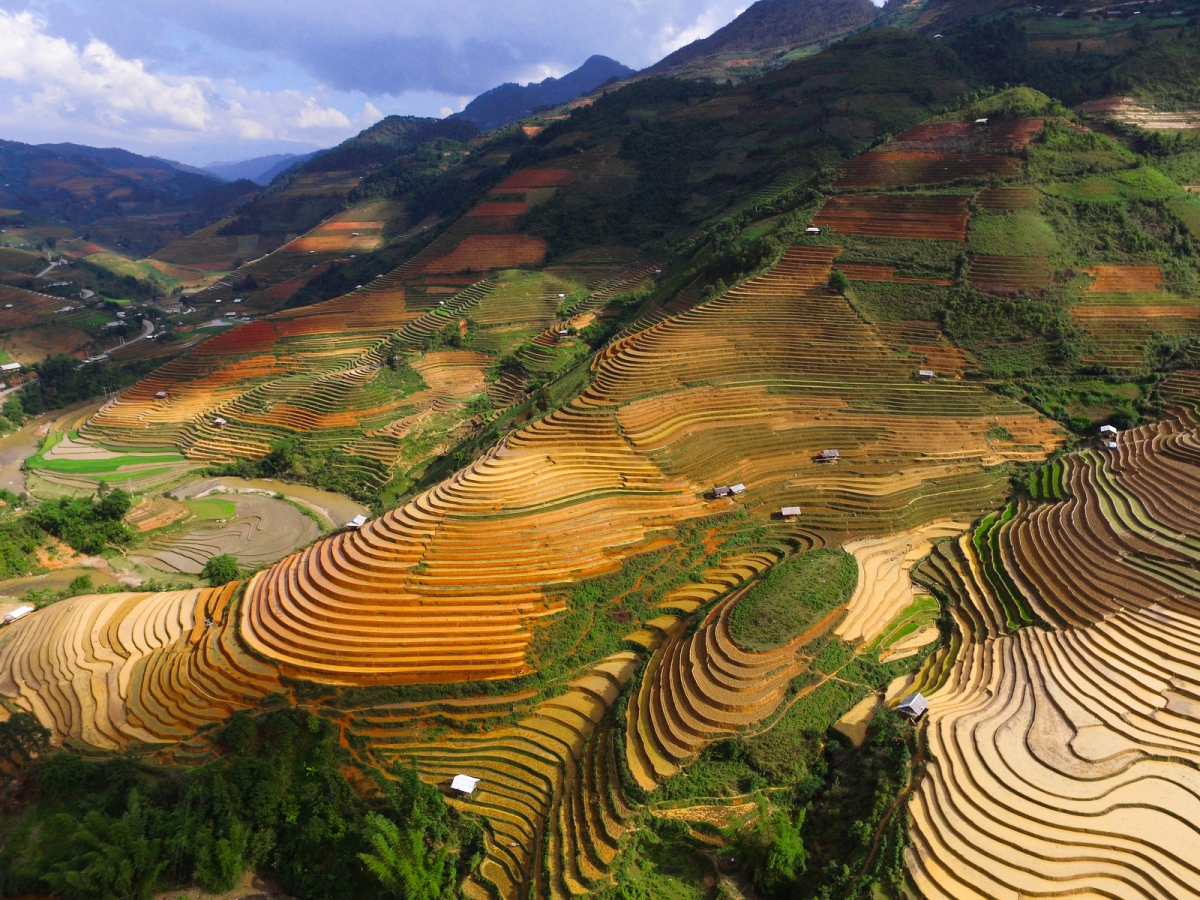
| Mu Cang Chai | Terrace patterns and landscape | Agricultural conditions, working land and weather |
| Da Lat | Lake and highland-city context | Shared paths and safe crossings |
| Can Tho / delta | Work, boats and changing river scenes | Actual boat, safe distance and portrait permission |
Hoan Kiem Lake: combine reflections with the city
Use a permitted lake-side position to frame the water, trees and surrounding urban life. The Huc Bridge provides a recognisable subject, but a photograph of the bridge does not require entering every nearby religious space. Compare a wider view with a closer detail and wait for an uncluttered moment rather than blocking the path for a tripod. Early or later light can change the mood; cloud and mist can be part of the subject rather than a failed blue-sky version.
The official Hanoi guide identifies the lake and related places. Ask before photographing a person closely, especially someone practising an activity or conducting business. If your camera interests other people, do not assume that conversation also gives permission for a portrait. Keep an easy route back to the accommodation and avoid leaving bags behind while concentrating on the frame.
Trang An and Ninh Binh: choose a land or boat perspective
Karst scenery can be photographed from a boat route or from land, with very different practical constraints. On a boat, follow the crew's instructions, keep equipment secure and do not lean or stand in a way that makes the vessel less stable. A particular photograph does not identify the route that will operate on your date, so choose the actual outing before planning a specific bend or cave entrance as a compulsory shot.
For a land-based viewpoint, establish the permitted approach and the effort involved. A high view may add steps and exposed heat; it is not necessary for every traveller to make that climb. A lower rural scene can offer its own composition of fields, water and limestone. Treat working fields and private land respectfully. The Trang An heritage description gives context without replacing local visitor instructions.
Ha Long and Cat Ba: let the actual boat route shape the pictures
Layered limestone islands, boats and changing light can produce strong photographs without a single fixed viewpoint. Read the cruise route and time on the water before choosing the booking. A cabin balcony does not necessarily face the sunset, and a promotional photograph does not promise access to the same island or overlook. Plan a range of subjects that remain interesting when the sky is cloudy.
Keep the camera usable without leaving equipment where it obstructs crew or other passengers. If the outing includes an island climb, decide whether it suits your fitness and the current conditions. The Ha Long Bay–Cat Ba record describes the broader landscape. A mainland or island stay and a cabin cruise provide different chances to repeat a scene; choose the type of visit as well as the image you hope to make.
Hue: use architecture, layers and scale
At the Imperial City, compare a broad architectural view with details of gates, roofs, materials or restoration. Read the site's interpretation so that the caption identifies what you are actually showing. The Imperial City and the royal tombs are separate locations; a photograph of one should not illustrate an unnamed monument elsewhere. Follow current restrictions in interiors, worship spaces and conservation areas.
A quieter frame does not justify stepping over a barrier or moving an object. Work from the permitted visitor route and make room for others. A guide can help identify the subject and add context to the image. The history guide helps choose which architectural story to follow instead of collecting similar gates without a clear purpose.
Hoi An: river views and lantern details
Choose whether the subject is the Thu Bon River setting, the scale of the streets or the details of lanterns and craft. They need different framing and can make different use of the same evening. A wider river view can include context; a close detail can avoid a confusing background. Do not treat a decorated night as evidence that a festival is taking place unless you have checked the programme.
For a shop or workshop photograph, ask the person responsible before arranging a close view or including the maker. A purchase does not automatically grant permission for every image. If a tripod would block a narrow route, choose a more considerate position or another technique. Leave enough time to pack equipment and reach a safe pickup point rather than combining the last frame with the last possible transfer.
Mu Cang Chai and northern rice country
Rice terraces are a working landscape. Field colour, water and harvest activity depend on the actual valley and agricultural cycle, not a universal date on a photography calendar. Choose a local guide or current route information when a particular subject matters, and keep a second opportunity if visibility changes. A photograph made in one season should not be sold to yourself as a prediction for your own dates.
Ask before entering fields, standing near someone's home or photographing a worker closely. Pay agreed guiding or access charges through a clear arrangement, and do not assume every roadside view is an invitation to cross private land. Fog and softer light can support a different image from the familiar golden-field panorama. The walking and nature guide helps separate a manageable walk from a vehicle-based circuit.
Da Lat: lake and highland-city context
Xuan Huong Lake provides a different subject from a tropical-coast image. Look for a relationship between the water, vegetation and the surrounding city rather than assuming every frame must exclude urban life. Choose a position that does not obstruct a shared path, and approach road crossings deliberately when moving between views. A city-lake photograph can work as part of a wider Da Lat chapter without turning the whole detour into a single dawn appointment.
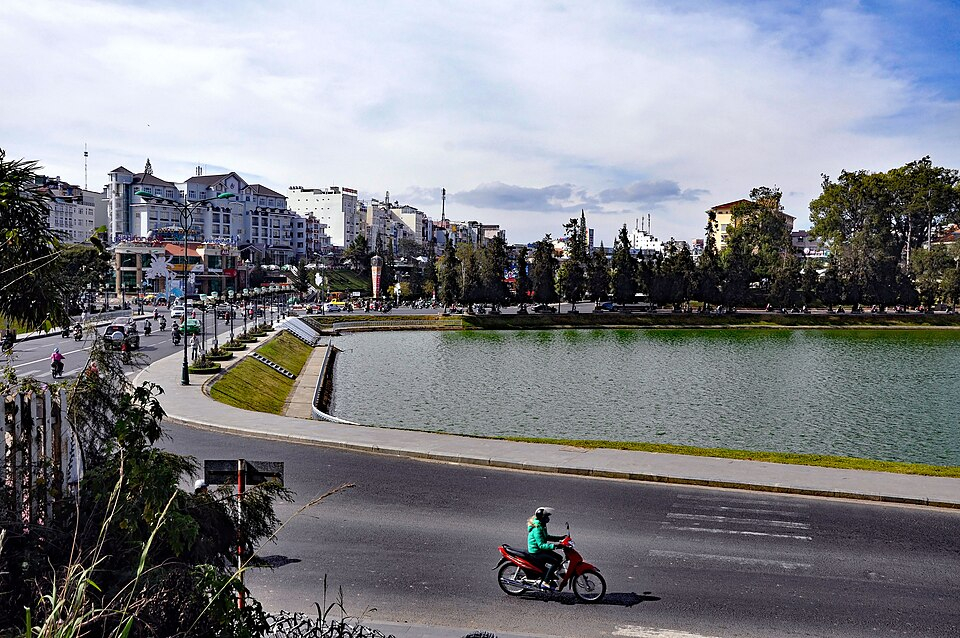
Allow for weather and the ordinary use of the place. A quiet promotional image does not establish an empty public space at a particular hour. If your trip includes only one morning, choose a second nearby subject you can reach comfortably if the original view is obscured. For route planning, decide whether Da Lat replaces coast or city nights rather than adding it without removing time elsewhere.
Can Tho and the Mekong Delta: photograph work with respect
A river or market scene is a changing working place, not a performance staged for tourists. Establish the actual boat and route, ask about the likely type of activity rather than a guaranteed number of vessels, and follow safe boarding and camera-handling instructions. A longer focal length can help frame a scene without demanding that the operator approach another boat too closely.
Ask before making a close portrait or photographing inside a home or workshop. A purchase may begin a conversation, but it does not make a person a photographic prop. An overnight Can Tho stay can support an early departure and a less rushed return; a long same-day drive creates a different photographic opportunity. The official Can Tho introduction provides the local setting for the plan.
Equipment, permissions and a usable wet-weather plan
Carry equipment you can manage safely through the actual transfers and walks. Keep an appropriate rain-protection and backup-storage plan, and avoid exposing valuables while solving a booking or payment problem. Never stand on railway tracks for a photograph. A camera platform, commercial shoot or drone may involve requirements different from an ordinary handheld visitor photograph; confirm the current permissions for the location and use.
For a wet-weather alternative, choose a museum, craft visit or architectural subject where photography is permitted and the visit remains worthwhile without taking pictures. Respect a no-photography instruction even when a licensed image of the same interior exists online. Good travel photography includes accurate captions, lawful access and consideration for the people who continue to use the place after you leave.
Frequently Asked Questions
Are the suggested locations guaranteed sunrise viewpoints?
No. They identify subjects and framing approaches. Check the permitted route, current access and the actual conditions before planning a sunrise or another time-specific image.
Can I photograph people because I bought something?
A purchase does not automatically grant portrait permission. Ask separately, accept a refusal and avoid blocking a working stall, boat or path while making the image.
Does a licensed interior photo mean I can take the same picture now?
No. The publication licence of an existing image and today’s visitor photography rules are separate. Follow the current instructions for your equipment and purpose.
How should I choose between another base and a second morning?
If a particular scene matters, a second opportunity in one base may be more useful than another transfer. Keep an alternative subject that works when weather or visibility changes.
