
VIETNAM TRAVEL GUIDE
Vietnam Accessibility: Plan Transport, Rooms and Visits
Plan Vietnam access through specific airport assistance, room features, city routes, museum facilities, boarding details and provider enquiries.
Plan access as a chain of specific places
Accessible travel in Vietnam needs more detail than choosing a hotel with an accessible label. The airport, vehicle, pavement, entrance, lift, bathroom and activity can each create a different barrier. Begin with the features you require and ask for concrete answers about the actual route and room. Travellers with mobility, visual, hearing, sensory or stamina needs may want very different versions of the same itinerary.
This guide identifies useful starting points and questions, not a certification of every place mentioned. A confirmed feature at one museum does not establish that an entire city is step-free. Use fewer bases, keep an alternative activity and save written confirmations from providers. The transport guide and base-selection guide help connect the individual decisions.
Scroll sideways on smaller screens to compare all columns.
| Stage | Specific information to request | Alternative to preserve |
|---|---|---|
| Airport / airline | Confirmed assistance level, terminal and device requirements | A longer connection or gateway overnight |
| Vehicle | Boarding, seating, equipment space and exact endpoint | A confirmed suitable vehicle |
| Accommodation | Actual room, entrance, measurements and bathroom layout | A different confirmed room or property |
| City visit | Usable entrance, crossings, lift and rest points | A shorter route or another suitable venue |
| Boat / cave | Pier, tender, steps, toilets and assistance limits | A different activity with a usable route |
| Performance | Seat path, stairs, sound and leaving arrangements | A quieter or daytime cultural visit |
Airport and airline assistance
Vietnam Airlines distinguishes assistance for passengers with mobility, hearing and visual needs. Its current special-service information is a starting point for flights operated by that airline. Discuss the level of help required, companion conditions where relevant, and how the request will be confirmed in the booking. A request sent to a travel agent is not the same as confirmed assistance from the operating carrier.
Explain whether you can use stairs, walk in the cabin or transfer to a seat, and give the dimensions and relevant battery information for a mobility device. The rules for carrying a wheelchair and the arrangements for helping a passenger are related but separate. The carrier's wheelchair and stroller baggage page provides another part of that discussion. Use the current requirements for your own flight rather than treating one airline's policy as a national rule.
For a connection, ask about each terminal and both operating carriers. A short flying time does not account for immigration, baggage collection or a change of terminal. Consider an overnight gateway stop if separate tickets would otherwise require assistance across a rushed connection. Arrange the vehicle after the airport exit as carefully as the airline assistance before it.
Choosing a room and the route to it
Ask for measurements that matter to your own equipment: entrance thresholds, clear doorway widths, lift dimensions where needed, bed height and space beside the bed. For a bathroom, request current photographs showing the whole layout rather than a close-up of one grab rail. Confirm the shower arrangement, toilet position and any seat or support you need. A property-wide facility list may describe a different room from the one actually available.
Trace the route from the vehicle drop-off to reception, the room, restaurant and any essential facility. A suitable bedroom can still be difficult to use if the dining area is reached only by stairs. Beach and rural properties can have long paths, slopes, sand or several buildings. Ask about the actual room location and what happens during heavy rain. The hotel guide helps identify properties to investigate, but it does not assign blanket accessibility ratings.
Hanoi: choose a realistic street-level route
A compact map does not describe every pavement, crossing or building threshold. In and around the Old Quarter, choose short routes with practical crossing points and a clear vehicle meeting place. A hotel in a narrow lane may require a different final approach from a property on a road a vehicle can reach. Ask the accommodation to describe that approach and save the name in Vietnamese.
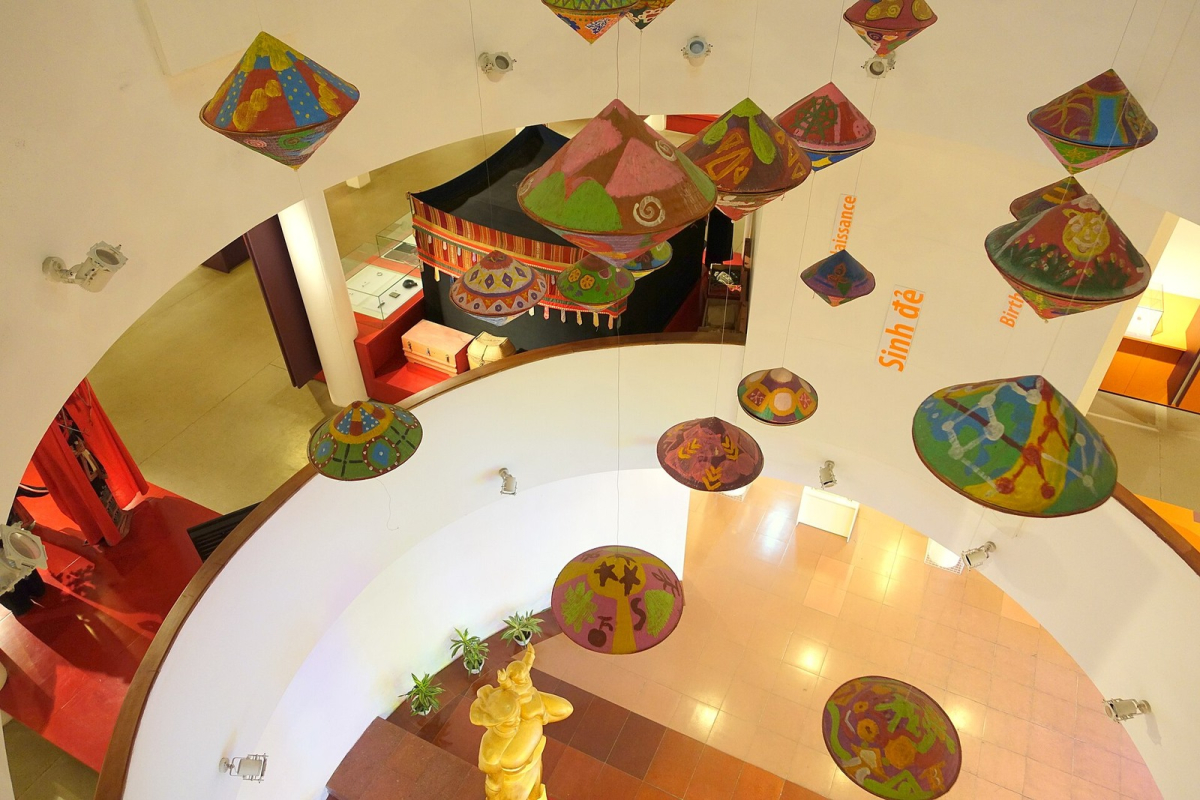
For a cultural visit, the Vietnamese Women's Museum offers a useful concrete starting point. Its own visitor page lists a lift, a wheelchair route, accessible WC and wheelchairs. Confirm that the features you require are currently available and which entrance and galleries they serve. This is stronger evidence than assuming every museum has equivalent facilities, while still leaving room for a direct check about your particular needs.
City rail: check the entrance as well as the station
A metro line can be useful when the station and last part of the journey work for you. Ask which entrance has the required lift or route, whether that equipment is operating and how staff can assist. Knowing the station name is not enough when its accessible entrance is on another side of a large road. Compare the complete path to the accommodation or attraction with an arranged vehicle alternative.
The Hanoi Metro operator's information helps identify the network. Treat project diagrams and currently operating stations as different categories. For any city railway, ask station staff about the actual entrance and boarding arrangement. Do not assume a visitor qualifies for a locally funded free-fare category solely because a foreign disability document is available; confirm the rules and accepted proof.
Hoi An, Hue and historical sites
Historic streets, courtyards and monuments should be assessed individually. In Hoi An, a pleasant pedestrian setting does not remove every threshold or occasional obstruction. Choose a short route and establish a reachable pickup point before you need to leave. Heavy rain or flooding can change the usefulness of a route that looked manageable in dry photographs.
In Hue, the Imperial City and separate royal tombs have different entrances and internal routes. Ask the responsible visitor service which areas can be reached with your equipment, which require steps and where you can rest. A combined ticket is not an accessibility guarantee for every included monument. Choose a visit that remains worthwhile if one section is unsuitable rather than making the whole day's success depend on reaching a particular structure.
Boats, caves and rural stays
For a boat or cruise, request photographs or a clear description of the pier, gangway and any tender used between shore and the main boat. Ask about steps, handrails, cabin and toilet access, and whether you can stay aboard during an optional excursion. A large cruise vessel may still be reached through a difficult boarding sequence. Obtain a specific answer about assistance and safe transfers; do not assume a crew member can provide lifting simply because help is advertised.
Managed visitor caves, boat-assisted caves and expeditions are different activities. Ask about uneven ground, stairs, darkness, distance, toilets and any requirement to enter water. The parks and outdoor guide distinguishes the types. A cave name alone is insufficient information for an access decision. A rural homestay likewise needs a last-mile plan, bathroom details and a usable contact if the road approach changes.
Hearing, visual and sensory considerations
Ask whether a guided visit can provide written information, a useful language, a quieter session or an alternative way to follow essential instructions. Museums with audio interpretation may suit some visitors and be less useful to others; ask about the actual format and current availability. For a performance, establish the seating position, stairs, lighting, sound and policy for leaving and returning before choosing the event.
A busy evening street, crowded market or amplified show is not compulsory for experiencing Vietnam. A quieter café, a smaller daytime visit or an activity with a guide who can adapt the pace can offer a different experience. Discuss one or two essential adjustments with the provider in advance and agree how they will be communicated to the person working on the day.
Make an access enquiry easy to answer
Send a short description of what you need, the exact dates and the specific room, vehicle or activity under consideration. Ask for photographs or measurements where those answer the question better than a yes/no label. For example: can the vehicle reach this entrance; is there a step between reception and the booked room; which lift serves the gallery; what is the boarding sequence? Keep the reply with the booking reference and reconfirm essential arrangements close to travel.
Save an alternative for the most uncertain part of the day. A museum, short city visit or comfortable rest day can be a better choice than improvising an unsafe transfer. Allow time for assistance and recovery in the itinerary. Travellers who need medical advice should obtain it from their own qualified practitioner; the practical access plan and personalised medical preparation serve different purposes.
Frequently Asked Questions
Does an accessible room label cover the whole stay?
No. Confirm the path from vehicle to reception, room, restaurant and any essential facility. Obtain current measurements and photographs for the features your equipment requires.
Which Hanoi museum provides specific published access information?
The Vietnamese Women’s Museum visitor page lists a lift, wheelchair route, accessible WC and wheelchairs. Confirm current availability and which entrance and galleries those features serve.
Is wheelchair baggage booking the same as airport assistance?
They are separate parts of the journey. Give the operating carrier the device information and the level of passenger assistance needed, and obtain the relevant confirmations in the booking.
Can I infer boat access from a picture of a large cruise ship?
No. Ask about the pier, gangway, tender where used, steps, cabin and toilet route. The sequence of transfers matters as much as the size of the final vessel.
