
Build a safety plan around the route
A useful Vietnam safety plan begins with the journeys and activities you intend to take. A city weekend, a bay cruise, a rural homestay and a multi-day trek have different practical needs. Do not judge an excursion only by a dramatic image or a reassuring adjective. Ask who operates it, what conditions can stop it, what equipment is provided and how you get back if you decide not to continue.
Before departure, save the insurer's assistance details and choose a contact at home who knows the main route. Share important changes when you can. Keep enough flexibility to change a weather-dependent activity without turning the rest of the itinerary into a series of missed bookings. Use the main Vietnam guide to check how a backup day affects your overall plan.
Emergency numbers in Vietnam
Scroll sideways on smaller screens to compare all columns.
| Service | Number | When to use it |
|---|---|---|
| Ambulance | 115 | Urgent medical assistance |
| Fire | 114 | Fire emergency |
| Police | 113 | Police emergency |
| National search and rescue | 112 | Search-and-rescue assistance |
| Child protection | 111 | Child-protection concerns |
These are domestic emergency short codes, listed by the FCDO emergency-service reference; the lines operate in Vietnamese. State the exact location and ask a local person to help communicate if needed. Keep your insurer’s assistance contact separate from emergency services.
Street awareness and valuables
Keep a phone, camera and bag secure while walking, especially beside traffic or in a crowded arrival area. Carry what you need for the day and keep reserve cards and documents separately. A bag strap and a zipped pocket are more useful than repeatedly checking that a valuable item is still visible. If something is taken, prioritise your physical safety and obtain the reports required by your insurer or consular service.
At an airport or station, pause in a suitable place to check your next step. Compare a driver's details with the booking and confirm the destination before getting in. If someone says your hotel is closed or your booked service no longer runs, contact the actual provider through the contact you already saved. Do not let a hurried conversation replace the booking you made.
The FCDO safety guidance provides current information on theft, transport and local restrictions. Its nationality-specific advice is for UK travellers; others should also check their own government's guidance. Use official updates to identify changing conditions rather than assuming an old travel article describes the current situation everywhere.
Road journeys and vehicle choices
Choose the vehicle and operator for your own comfort and risk tolerance. Ask about the route, daily driving time, stops, luggage capacity and what happens if the road is closed. A private transfer is useful only if the arrangement is clear; it does not remove the need for a responsible driver and an appropriate vehicle. Seat and restraint requirements matter particularly when children travel.
You do not need to ride a motorbike to experience Vietnam. If you intend to drive or ride, verify the licence, permit, vehicle class and insurance requirements for your own circumstances before hiring. Keep the documents available and use the safety equipment required for the journey. Never assume that being offered a rental proves you are legally authorised or insured to use it.
Avoid combining a very early flight, a long road transfer and a demanding excursion without rest. Fatigue changes the quality of decisions you make on foot as well as behind a wheel. When a transfer is delayed, remove an optional activity before trying to recover the schedule through rushed travel.
Boat trips, cruises and swimming
Before booking a bay cruise, check the operator, actual pier, transfer arrangement and cancellation terms. Ask how passengers receive a weather update and whether the proposed activity still runs if conditions change. On board, locate the safety instructions and ask for an appropriately sized life jacket. Raise a concern before departure if the equipment or boarding arrangement does not work for you.
For a small river boat, be clear about boarding assistance, luggage and the planned route. A gentle-looking photograph cannot establish conditions on your travel date. Follow the operator's restrictions, keep hands and belongings where instructed, and do not pressure a guide to enter a closed or unsafe passage for a photograph.
At the beach, read current flags and local warnings. Do not equate a calm-looking section of coast with a supervised swimming area. Ask where swimming is permitted and which activities share the water. Families should make the supervision plan explicit before anyone enters the sea. See Vietnam Beaches for choosing a coast that fits the rest of the trip.
Heavy rain, flooding and outdoor plans
Use the local forecast and the operator's current advice before a mountain road, cave visit, boat trip or walk. If access closes, choose an alternative rather than looking for an unofficial way through. Never enter floodwater to save a booking or reach a viewpoint. A familiar route can change after heavy rain, and the difficulty is not always obvious from its length on a map.
Ask your accommodation how weather affects the final approach and whether a vehicle can still collect you. If you need to leave a region for a major flight, move earlier when advised rather than leaving all the travel for the last possible day. Keep the next provider informed if you change the route. The regional weather guide explains how to plan flexibility around different parts of the country.
Health preparation and everyday care
Arrange an individual travel-health consultation where needed, especially for a complex route, pregnancy, a chronic condition or remote activities. Check medicine import rules if relevant and carry the documentation you need. A general destination guide cannot decide which vaccination, medicine or treatment is appropriate for you.
For current medical preparation, use the official health advice and the professional resources it links. Plan protection from heat and mosquito bites, safe drinking water and a way to obtain help. Carry regular medication in an accessible place and preserve any required storage conditions during transfers.
For food, select places where you can discuss your needs and observe food handling. An attractive or busy venue is not a guarantee for a person with a severe allergy. Explain ingredients that must be avoided and ask about shared preparation. If staff cannot confirm what you need, choose a more suitable meal rather than guessing.
Evenings, drinks and returning to your room
Plan the return before a late evening. Save the address, identify a clear pickup point and use a transport service you can verify. Keep drinks in sight and maintain contact with companions where that helps your plan. Choose a room location that matches your sleeping hours instead of assuming a busy nightlife area becomes quiet when you are ready to rest.
Do not combine unfamiliar substances or activities with an isolated setting. If someone becomes seriously unwell, seek urgent local medical help and tell the clinician what you know. Insurance and administrative questions can be handled alongside care; they should not delay a necessary emergency response.
Documents, local rules and photography
Vapes and related products are banned: do not bring them into Vietnam. The current safety and local-law advice also explains driving-document requirements. For UK licence holders it specifies the 1968 International Driving Permit together with the UK licence, plus third-party insurance. Other travellers must verify recognition of their own licence and vehicle category; a car-only licence does not establish permission to ride a motorcycle.
Use the passport and permissions required for your own journey and keep copies for communication and replacement procedures. Check current instructions for carrying identification. Keep your original travel documents secure and do not offer them as a casual rental deposit. If a document is lost, contact the relevant authorities and your own consular service promptly.
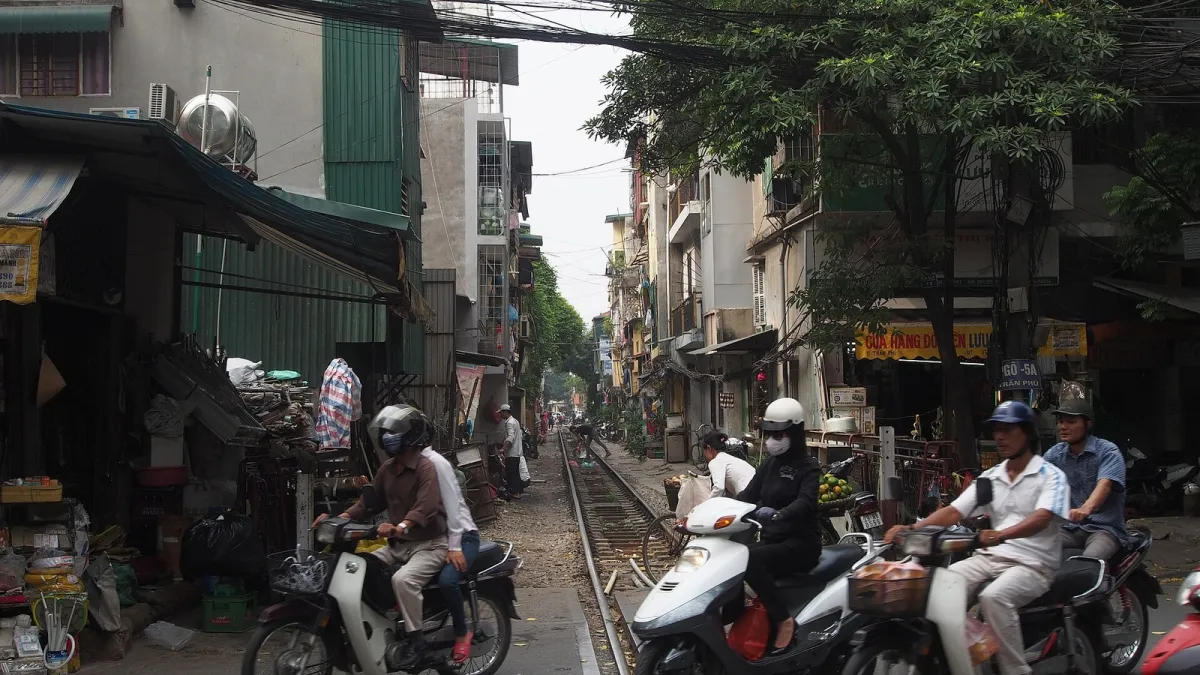
Follow posted restrictions at religious, military and government sites, and ask before photographing people at close range. For drones, obtain the current permissions for the activity and place before flying. A guide offering a viewpoint does not give you permission to enter a restricted area or walk onto railway tracks.
If plans go wrong
Give the person helping you a clear location, the problem and an immediate request. Have the booking reference ready for an operator, the policy details for an insurer and identification details for a consular service. Record the names of providers and retain receipts or written messages when you may need to document a claim.
Use the FCDO getting-help guidance for UK emergency and consular channels, or the equivalent official service for your nationality. Ask your accommodation to help communicate with local services when needed. Before an isolated stay, identify the practical route to medical assistance rather than waiting until a problem occurs to discover how transport works.
Choose operators with answers you can assess
A useful operator explains the route, physical requirements, equipment, cancellation policy and limits of the activity. Read those details alongside the price. If important questions remain unanswered, choose a different arrangement or a simpler activity. The goal is a trip whose ordinary and unexpected parts you can manage, with a clear way to ask for help when you need it.
Frequently Asked Questions
Do I need to ride a motorbike in Vietnam?
No. You can organise many trips using air or rail services, taxis, arranged transfers and guided outings. Verify the licence and insurance requirements first if you do intend to ride.
What should I ask before a cruise or small-boat trip?
Confirm the operator, pier, weather decision, cancellation terms, equipment, boarding assistance and appropriately sized life jackets. A generic cruise name does not answer these questions.
What if an outdoor activity is closed after rain?
Choose an alternative and follow local restrictions. Do not enter floodwater or use unofficial access to a closed cave, trail or viewpoint.
Can a country guide decide my medical preparation?
No. Use current official health guidance and individual professional advice for your route and health needs. Arrange insurance for the activities you will actually do.