
EGYPT · CAIRO GUIDE
Cairo Attractions: Giza, Major Museums & Historic Monuments
The main Cairo attractions occupy several different parts of Greater Cairo. Grouping by geography saves more time than ranking them all as a “top ten”. The estimates below describe a focused visit, not the time required to see every interior; transport, queues and breaks are additional. For a collection-led choice between the museums, use Cairo Museums.
Swipe horizontally if needed to compare all columns.
| Attraction | Allow for a focused visit | Location / main distinction |
|---|---|---|
| Giza Plateau | Half a day | West side; site entry and named interiors differ. |
| Grand Egyptian Museum | Half a day or more | Giza-side museum; reserve the intended entry. |
| Egyptian Museum at Tahrir | 2–3 hours | Downtown; historic museum with a separate collection. |
| Citadel | 2–3 hours | Elevated historic complex; nearby mosques need separate planning. |
| Coptic Cairo | 2–3 hours | Church and museum cluster; NMEC is a separate onward leg. |
| NMEC | 2–3 hours | Fustat; civilisation story and Royal Mummies. |
Giza Plateau: Choose the Grounds and Interiors Deliberately
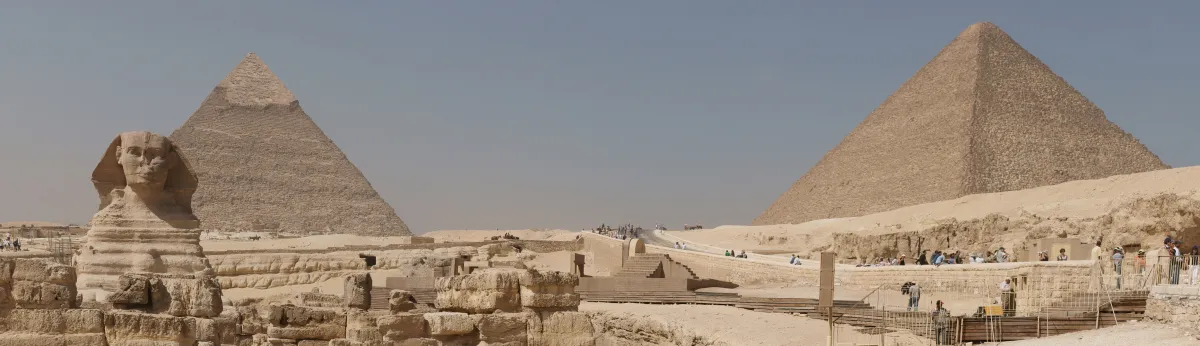

The pyramids of Khufu, Khafre and Menkaure and the Great Sphinx belong to a large archaeological site, not a compact Downtown square. Start early when practical, carry water and plan the distances between viewing areas. Pyramid interiors involve a different physical experience from looking at the monuments outside; do not assume they suit every visitor.
Use the official Giza booking page to distinguish general admission from named add-ons and the correct nationality/age category. Confirm which interiors are open on your date. A commercial tour’s “pyramids included” wording does not necessarily include entry inside Khufu’s pyramid. For light and composition rather than site selection, follow the Giza panorama photo guide.
Grand Egyptian Museum: A Major Visit on the Giza Side
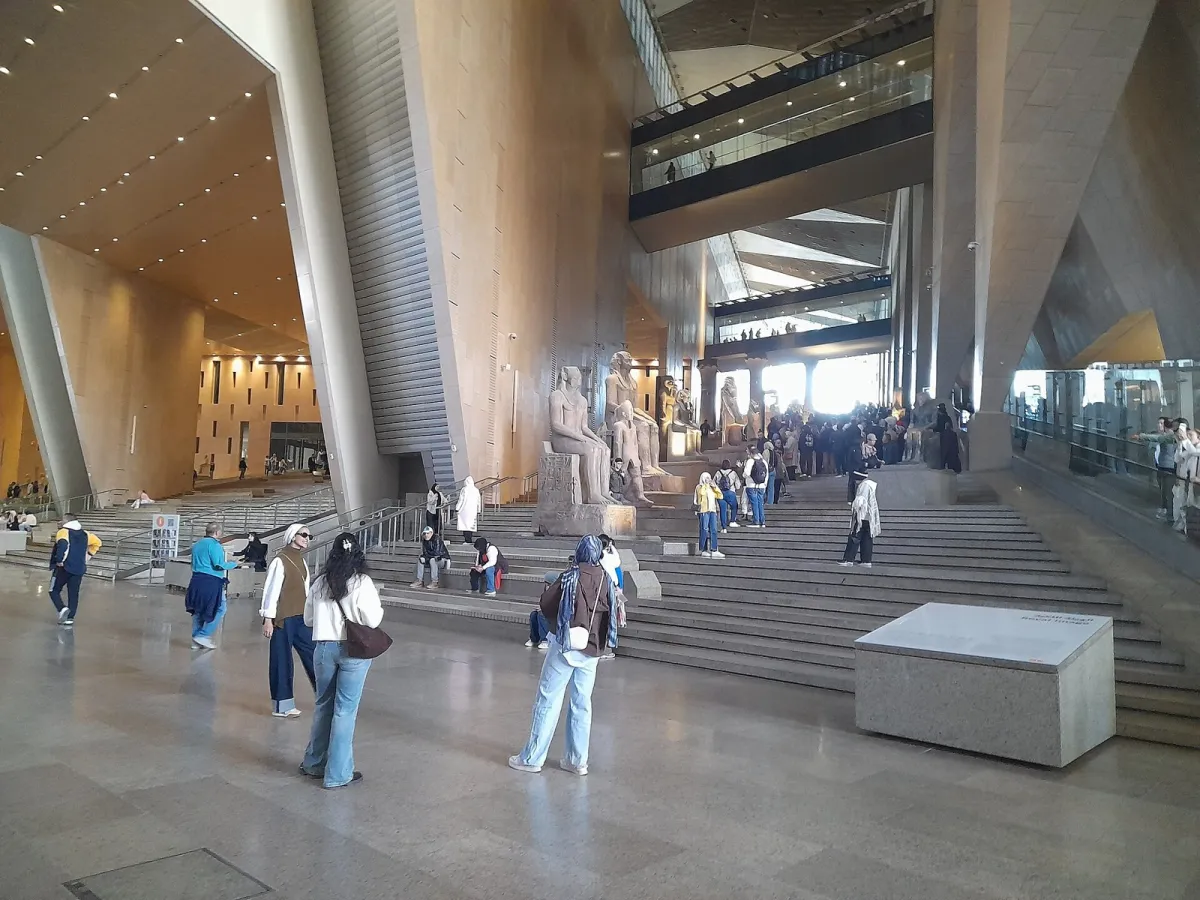

GEM is a separate museum with its own ticket and a substantial collection, including Tutankhamun displays. Reserve through GEM’s official ticket site and check the entry window and access conditions shown for your visit. The museum complex and galleries can have different operating hours.
A Giza-and-GEM day is possible only with a deliberate scope. Choose a shorter plateau programme, allow an actual road transfer and leave time to eat and rest. For visitors who want extended gallery time, separate days are the more comfortable editorial recommendation. The museum is not a walk-through extension of the plateau.
Egyptian Museum at Tahrir: The Historic Downtown Collection
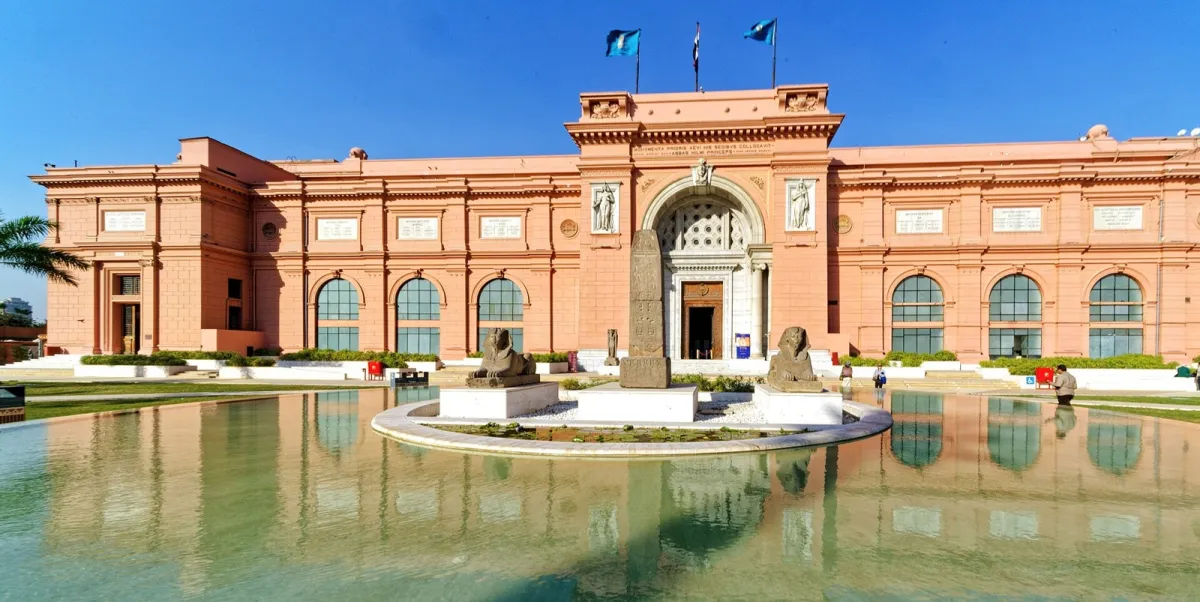

The familiar reddish museum building at Tahrir is different from GEM. Choose it for the historical building and its own collections, then combine it with a manageable Downtown walk. Do not rely on old articles placing every famous object or the Royal Mummies here.
The Ministry museum page lists the current collection and visitor facilities. Check the museum’s access route if steps or long standing periods are a concern. Plan a selection of galleries rather than expecting a quick circuit to cover everything.
Cairo Citadel and the Muhammad Ali Mosque


The Citadel provides a different view of the city’s scale and an architectural focus around the Muhammad Ali Mosque. Allow time for the approach, exposed areas and footwear/dress requirements at worship spaces. Visibility across the city varies with haze; a famous skyline photograph is not a daily guarantee.
Consult the official Citadel ticket information for current entry and seasonal details. Sultan Hassan and Al-Rifai lie outside this complex: a plan that includes them needs a separate transfer or walking assessment and its own admission checks. The mosque photo page focuses on its architecture and framing.
Coptic Cairo: Churches, the Fortress Setting and Museum Choice
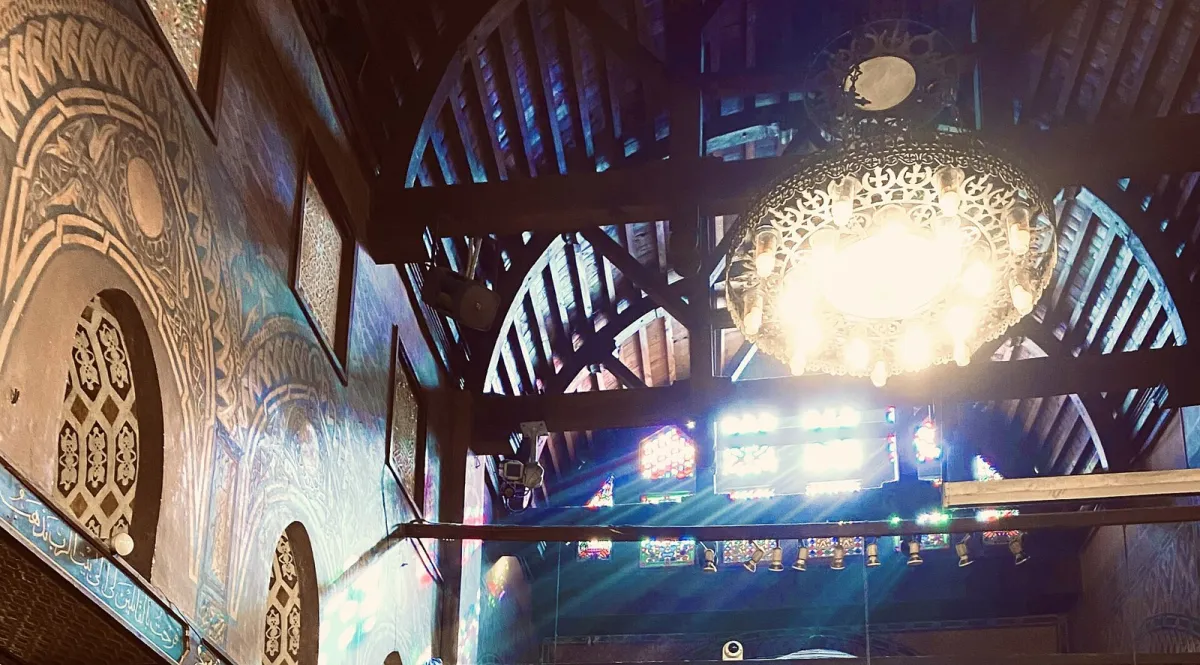

The Hanging Church and nearby historic churches sit in the Old Cairo area around the Roman fortress setting. Choose a respectful route and allow worship to take priority over sightseeing. Not every church is open to tourist visits at every moment, and access can change for services or security.
The Ministry’s Hanging Church overview explains its setting. Add the Coptic Museum only if that collection suits your interests and your available time. NMEC is another destination, not part of the same church compound. The Old Cairo photo walk concerns this actual quarter, rather than a generic pyramid skyline.
NMEC: Civilisation and the Royal Mummies


NMEC in Fustat offers a broad civilisation narrative alongside its Royal Mummies Gallery. It is the choice for visitors who want that particular collection and context rather than another version of the GEM visit. Give the museum an intentional time block and arrange the onward journey.
Use NMEC visitor information for the current timetable and its accessibility page for available support. Check gallery-specific photography rules in person: permission in a general hall should never be assumed to extend to every display.
Frequently Asked Questions
Which Cairo museum should I visit first?
Choose by collection and location. GEM is a major Giza-side visit, Tahrir is the historic Downtown museum, and NMEC offers its own civilisation narrative and Royal Mummies Gallery.
Does a Giza ticket include going inside the Great Pyramid?
Do not assume so. The official booking page separates general site entry from named interiors and other add-ons; check the selected product and date.
Are the Citadel and Sultan Hassan one attraction ticket?
They are different sites. Check each admission and plan the journey between them; a shared skyline does not make them one complex.
Can I combine Coptic Cairo with NMEC on foot?
They are separate destinations. Assess the exact route, crossings, heat and access needs; a planned transfer is often more practical than assuming an easy continuous walk.