
EGYPT · CAIRO GUIDE
Great Sphinx of Giza Photos: Profile, Texture & Pyramid Context
The Great Sphinx is a distinct subject within the Giza visit: a carved figure and its relationship with the surrounding pyramid landscape. This guide focuses on framing its profile and texture. The Giza panorama guide covers the broader pyramid group, while Cairo Attractions handles the wider site visit.
Keep the Profile Clear
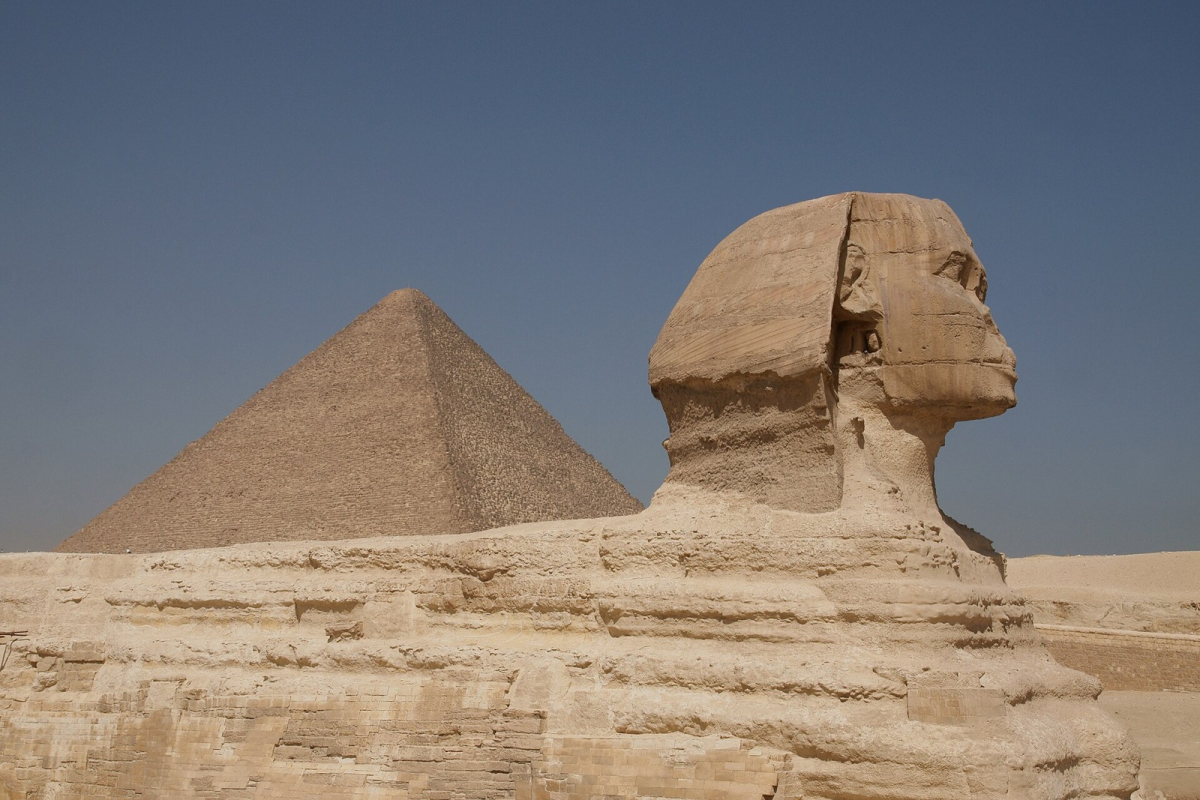
Begin by looking at the edge of the face and headdress. A background pyramid or another object can either explain the setting or merge awkwardly into the head. From permitted visitor positions, compare a closer profile with a slightly wider frame that gives the subject space. A good identifying image does not need to include every part of the plateau.
The Ministry’s Giza Plateau overview provides the setting. Stay within the visitor route and obey barriers. A published close viewpoint is not proof that the same area is open to ordinary ticket holders today.
Choose between Carved Detail and Landscape
For a detail-led photograph, look for light that reveals the carved surface without losing the most important face detail in brightness or shadow. Do not claim that one fixed camera setting suits every day. Dust, reflected light and the position of the sun change the photograph; reviewing the actual image is more useful than following a recipe.
A wider frame can connect the Sphinx with its pyramid background. Check the space around the headdress and decide how much of the body and surrounding ground tells the story. Avoid tight accidental crops. If the visitor area is busy, a cleaner composition may come from waiting briefly or choosing a smaller subject rather than asking others to move.
Make the Photograph Part of an Unhurried Visit
Leave time for the route between the pyramids, Sphinx area and your agreed pickup. The photographic priorities are different, and repeated movement across the site can cost time and energy. Follow any current one-way or managed visitor arrangements instead of relying on the path visible in an old photograph.
Check the official Giza admission options for your category and date, without assuming every special area or interior is included. Respect requests about filming and equipment. Do not take close portraits of guards, workers or other visitors without permission, and agree the price before accepting any offered photography or posing service. A clear view of the Sphinx itself can be sufficient.
Frequently Asked Questions
How should I prioritise photographs during a short Sphinx stop?
Begin with a clear profile or identifying view, then choose either a closer texture study or one wider frame with a deliberate pyramid background. Leave enough time to reach your agreed pickup instead of repeating the same view from many positions.
Can I use any viewpoint shown in a travel photograph?
No. Routes and permissions may change, and some images were made with different access. Use the currently authorised visitor positions.
What if the pyramid appears to grow out of the Sphinx’s head?
Where movement is permitted, compare a small change of position or a tighter profile. Decide whether the background adds context or makes the main outline harder to read.

