
EGYPT · CAIRO GUIDE
Getting Around Cairo: Metro, Walking, Taxis & Local Transfers
Cairo transport decisions work best one journey at a time. The Metro can bypass congestion on a suitable corridor; a car can solve a scattered itinerary or a difficult final leg. Neither turns every marked point on a map into an easy door-to-door trip. Airport arrivals are covered separately in Airports & Transfers.
Swipe horizontally if needed to compare all columns.
| Journey type | Useful starting choice | Check before departure |
|---|---|---|
| Downtown to a Metro-served district | Metro plus the actual final walk | Station entrance, interchange and exit location. |
| Historic-lane walk | Walk a defined compact segment | Surface, crossings, worship/monument access and pickup. |
| Hotel to Giza/GEM | Booked road transfer | Exact attraction entrance and museum time window. |
| Saqqara / Dahshur / Memphis | Agreed vehicle itinerary | Waiting time, inclusions, return and extra stops. |
| Late show or dinner | Pre-planned return car | Venue door, pickup point and current service availability. |
Use the Metro for Corridors That Match Your Day
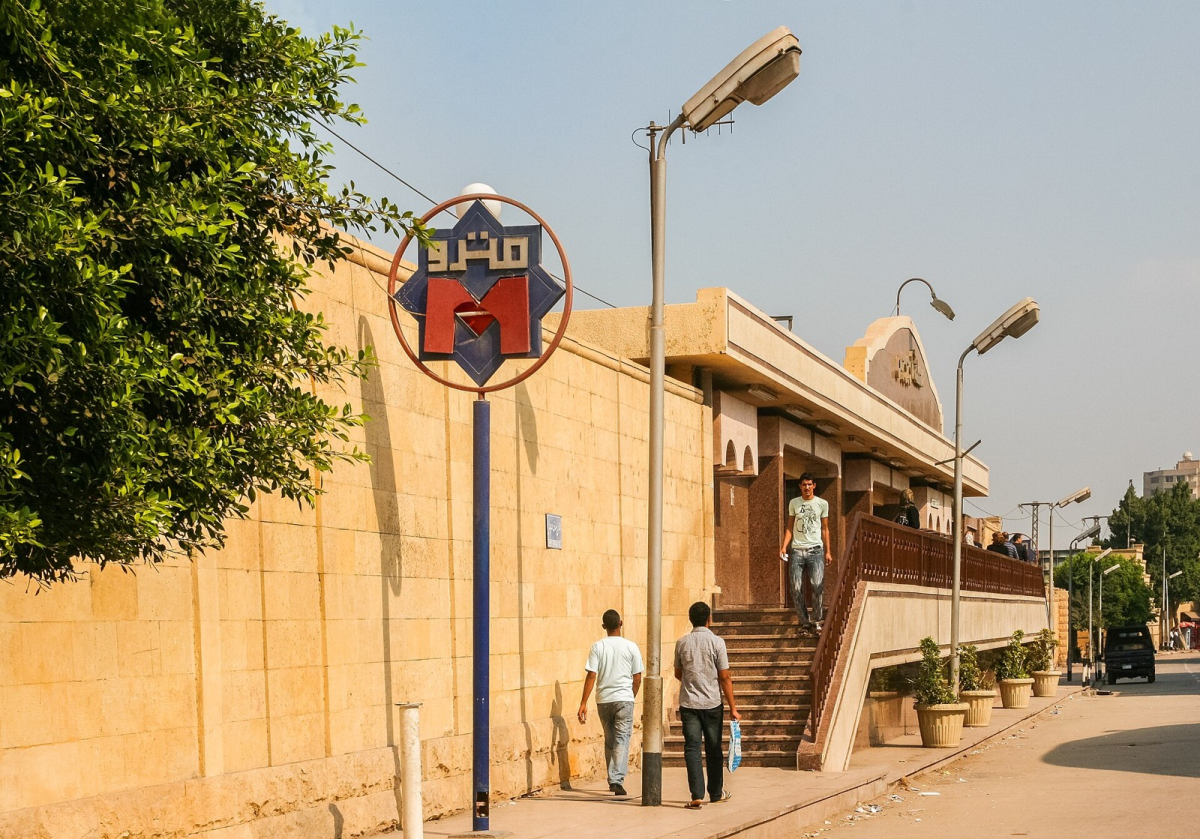
Check the current operator map rather than a historical screenshot. Mobility Cairo’s Line 3 guide identifies interchanges at Nasser with Line 1 and Attaba/Cairo University with Line 2. Safaa Hegazy serves Zamalek. Follow the destination branch as well as the line number.
A station serving a district may leave a substantial final journey. Giza station is not the pyramid entrance; a station in central Cairo is not permission to cut through controlled property. Look at the walking route and keep a clear address for the onward car if needed.
Tickets, Direction and Last Trains
Buy the ticket or travel product for the journey actually being taken, using staffed counters or available official machines. Keep it until you have exited. Ask staff if a transfer or destination is unclear rather than entering first and hoping the ticket fits.
Check operator service information for the date and direction of a late journey. Branches and final trains can differ. Women may use the designated women-only carriages or other carriages; follow the platform and carriage markings. Do not plan an airport terminal connection from the existence of an eastbound Line 3 station.
Walking: Think in Short Segments
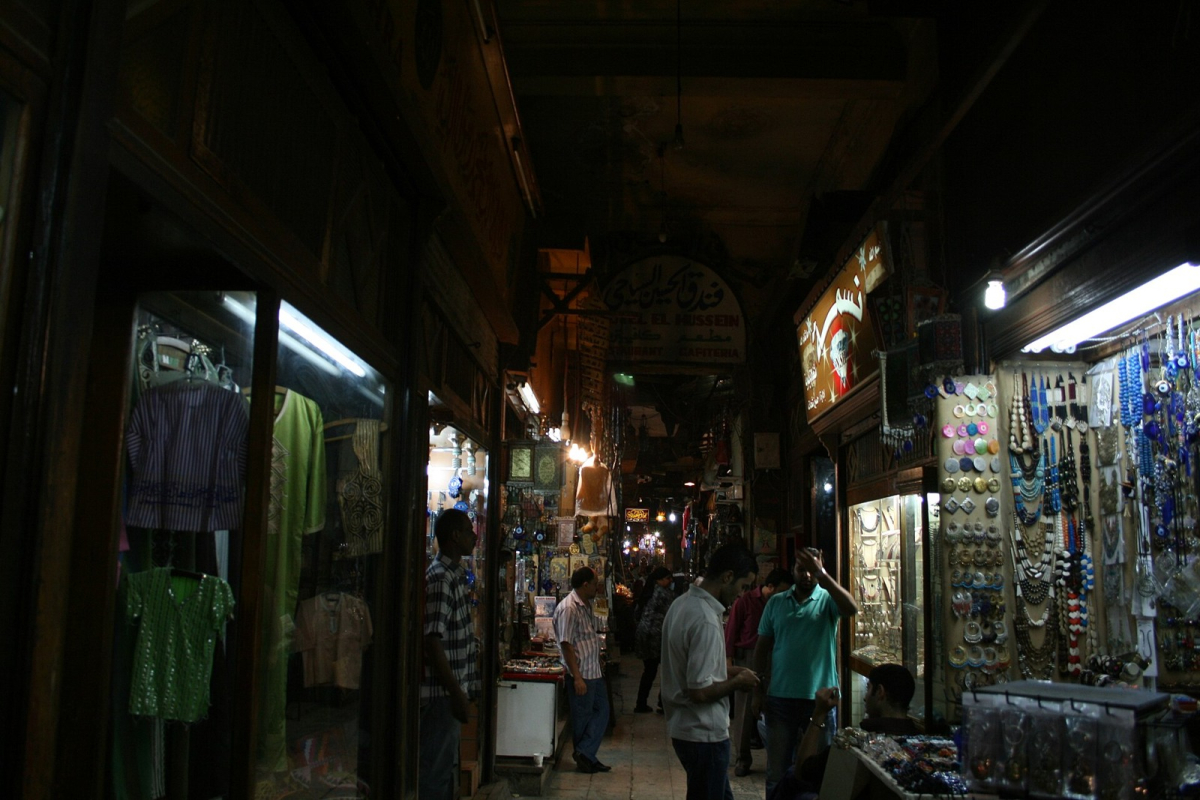
Historic streets, Downtown blocks and parts of Zamalek reward walking, but pavement width, uneven surfaces and major crossings can interrupt a route. Choose a short start-to-finish segment with a rest option. A route that is comfortable without luggage may be unsuitable after an airport arrival.
Cross at the safest available controlled point and allow a detour. Avoid walking into traffic for a photograph. At religious sites, follow the actual visitor entrance and staff directions; maps sometimes place a pin at an inaccessible side of the complex.
Taxis, Ride-Hailing and Booked Drivers
Use an identifiable, licensed option and agree the basis of the fare before an unmetered journey. For an app booking, match the vehicle and driver to the booking and use the current in-app meeting instructions. Do not rely on an old screenshot of a pickup zone.
For a multi-stop day, agree the itinerary, waiting time, whether parking/tolls are included, and the final return. A “full-day car” does not automatically include a guide or admissions. If your plan changes, settle the extra time and price before continuing.
Giza and Archaeological Trips Need Their Own Transfer Plan
GEM and Giza occupy the west side of Greater Cairo but are separate entrances and separate visits. Ask for the precise drop-off, then allow time between a plateau visit and a museum slot. A short straight-line map distance can be misleading around major roads.
For Saqqara, Dahshur and Memphis, public-transport savings can come with several difficult connections. A clearly specified vehicle can be a practical choice, especially for a group or limited time. The day-trip planning section explains what to leave out of an overfilled day.
Access, Luggage and Children
The Line 3 operator lists lifts and escalators, but confirm operation for your intended stations and exits. Access inside a station does not prove the whole pavement route is step-free. Ask an accommodation or venue to identify the best drop-off when kerbs, steps or crowding are a concern.
With children, carry what you need for delays and avoid combining a long transfer with an already demanding visit. Confirm a suitable child seat in advance when required; do not assume a booked car includes one. For older adults or anyone sensitive to heat, an earlier pickup and a shorter walk can be more valuable than a compressed timetable.
Frequently Asked Questions
Does Cairo Metro go directly to the airport terminal?
The current Line 3 operator station list does not show a Cairo International terminal station. Plan a separate airport transfer and check current official information before travel.
Is Giza Metro station at the pyramids?
No. It serves the city area; the plateau requires an onward journey to the correct entrance.
Can I rely on one last-train time for all Metro journeys?
No. Check the current direction, branch and operator schedule for your actual route.
Is a Metro journey automatically step-free?
No. Confirm the station entrance, lifts in operation, interchange route and the pavement at both ends of the journey.


