
EGYPT · CAIRO GUIDE
Best Time to Visit Cairo: Weather & Sightseeing Seasons
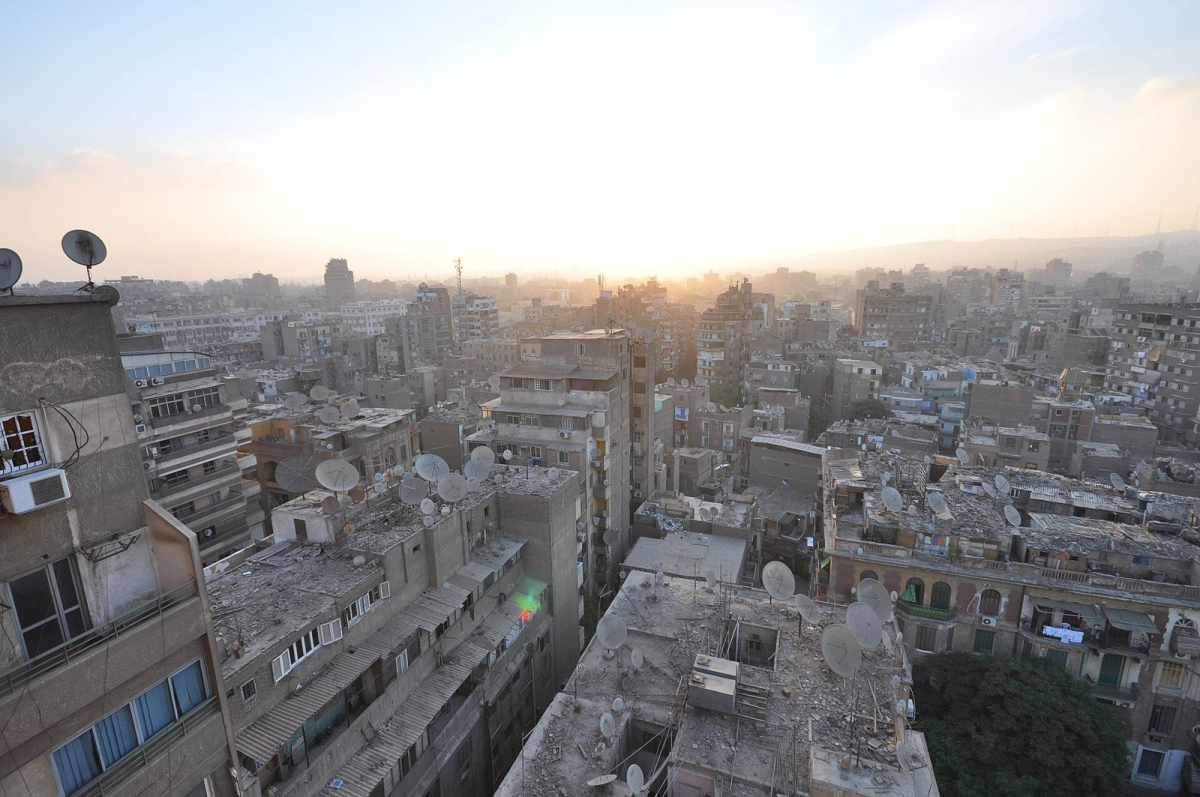
Choose weather for your Cairo sightseeing style
Cairo’s weather matters most when choosing the order of your visits. Giza and Saqqara expose you to sun and wind; the museum galleries offer a different setting; Historic Cairo combines open streets, stone courtyards and indoor stops. A trip built around pyramid photography needs a more flexible outdoor schedule than one centred on collections and performances.
For a first visit with plenty of walking, November to March is an editorial starting point for comparing dates, rather than a promise of ideal conditions. October and April can work well with a slower midday plan. Summer visitors should schedule fewer exposed stops and preserve indoor alternatives. For a journey continuing south or to the coast, compare the regional Egypt season guide; Cairo’s conditions do not describe the whole country.
Swipe horizontally if needed to compare all columns.
| Period | Planning advantage | Local tradeoff |
|---|---|---|
| December–February | More comfortable conditions for long outdoor visits | Cool mornings/evenings; occasional rain; shorter usable outdoor day |
| March–April | Room for mixed museum and street days | Warmer afternoons and possible dusty or windy spells |
| May–September | A workable museum-led visit with careful outdoor scheduling | Exposed pyramid sites can be demanding; shade and rests need deliberate planning |
| October–November | A useful comparison window for mixed city sightseeing | October can remain hot; visibility and event demand vary |
Climate averages are a baseline, not your forecast
The WMO Cairo climate page publishes monthly averages supplied through the meteorological service. Its stated 1981–2010 reference period has mean daily highs near 19°C in January and 35°C in July, with relatively little rainfall. These historical figures describe a seasonal pattern; individual days, heat spells and today’s conditions can differ substantially.
Check a fresh forecast near departure and again before a long outdoor excursion. Do not treat an old forecast displayed beside climate data as current simply because the page is still online. Compare daytime heat, wind and overnight conditions, then adjust the order of your visits rather than trying to complete an inflexible checklist.
A workable hot-weather day
Put the most exposed priority first: one pyramid site or a short outdoor architectural route, followed by an indoor stop or a break at your accommodation. Allow time for the transfer itself; a museum across the city is not an instant refuge from an outdoor site. Take drinking water appropriate to the venue’s rules and choose footwear for dusty, uneven ground.
Choose accommodation for the facilities you will actually use between outings. Confirm air conditioning in the booked room, its operation and whether the property has an indoor place to rest before check-in or after checkout. A low room rate can be poor value if the location repeatedly adds long road journeys to the hottest part of the day.
Winter layers, light and route length
Bring a removable layer for an early Giza start, a river outing or a late return. A sunny lunchtime can feel very different from the same day’s first hour outside. Plan your last exposed stop around actual daylight and opening hours, not a summer photograph of the site.
Occasional rain makes covered options useful, but a wet day does not justify assuming every pavement, ramp or road will be easy to negotiate. A compact museum visit with a clear drop-off can be simpler than transferring among several small sites. Keep a second date available for a skyline photograph if distant views are your priority.
Dust, wind and photographic expectations
A skyline viewpoint does not guarantee a clear skyline. Check local conditions before paying for an excursion whose main purpose is distant visibility. Wind and dust can change your comfort and the photograph you can make; consider closer architectural detail or an indoor collection instead of pursuing a hazy panorama.
For sensitive equipment, pack a protective bag and avoid opening it unnecessarily in blowing dust. Follow the site’s current camera rules: sheltering inside a museum does not automatically permit tripods or flash. The GEM visitor information distinguishes general photography from restricted areas and equipment.
Events and religious observance affect the schedule too
Dates can be attractive for reasons beyond weather. Check the Opera programme for the actual venue and the Cairo International Film Festival for current screening information. Avoid booking around an archived programme; an event under the Opera organisation may be outside Cairo.
During Ramadan and public holidays, verify the specific museum, restaurant and transport timetable for your day. Keep an extra margin around an evening reservation and arrange the return. The right season is the one that fits your interests, pace and available dates with realistic alternatives, rather than a single universally “best” month.
Frequently Asked Questions
Which months should I compare for a first Cairo visit?
November to March is a useful starting window for walking-led sightseeing. Compare forecast, opening hours, prices and your tolerance for cool mornings; no month guarantees clear views.
Can I visit Cairo in summer?
Yes, with a slower itinerary: keep exposed priorities early, allow indoor breaks and realistic transfers, and check the forecast. A museum-led visit needs a different rhythm from a full day outdoors.
Are Cairo climate averages a current forecast?
No. The WMO page labels its historical averaging period. Check the publication time of any forecast and use current conditions for a particular excursion.
Will a winter sunset viewpoint be clear?
Visibility varies. Preserve another date for skyline photography and consider architectural detail or museums when haze, wind or dust makes distant views less rewarding.

