
AFRICA · EGYPT TRAVEL GUIDE
Best Time to Visit Egypt: Weather by Region
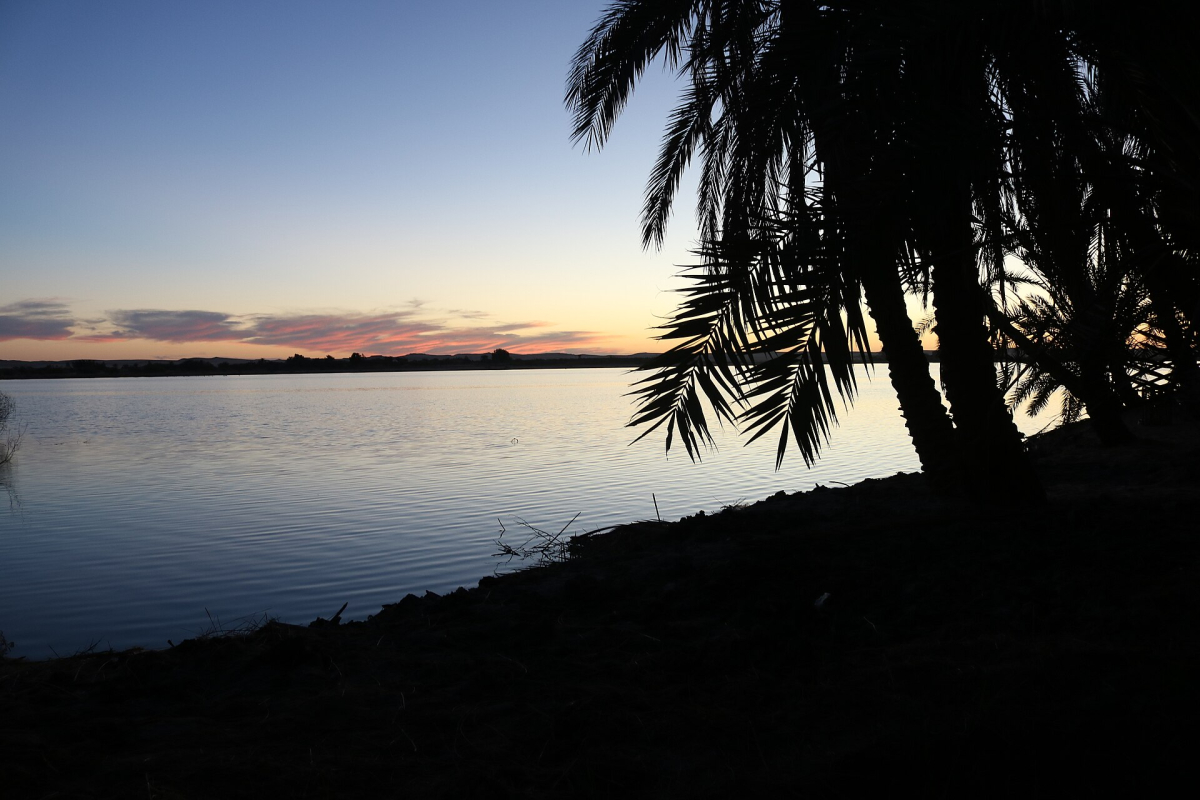
For an Egypt trip centred on Cairo, Luxor and Aswan, the cooler part of the year is usually the easier starting point. For a Red Sea holiday, sea conditions, wind and the activity you want matter as well as the air temperature. Alexandria and the Mediterranean coast have a different seasonal pattern again. There is no single month that is equally best for every Egyptian itinerary.
Start with the region and the kind of day you want. A comfortable temple visit, a long boat outing and a warm-water swim are different weather requirements. This guide describes broad climate patterns, not a forecast or a guarantee of calm seas. Check current conditions close to departure and read Health & Safety for heat, disruption and activity precautions.
Choose the Season for Your Main Priority
Egypt’s official tourism geography information distinguishes a milder winter period from a hot summer and notes the difference between the Nile Valley and the coasts. That is more useful than applying one national temperature to every holiday. Southern inland sightseeing needs particular care in hot weather; a coastal breeze does not necessarily make a long inland excursion comfortable.
If archaeology is the reason for travelling, choose dates around tolerable outdoor visiting conditions and put the coastal extension second. If diving or resort time is the main purpose, select the coast and operator first, then decide whether an inland extension fits. Families and travellers who need a slower pace should allow extra recovery time rather than using cooler-season advice as a reason to pack every day tightly.
On a small screen, swipe or scroll the table sideways to compare all columns.
| Period | Nile Valley and Cairo | Coast and outdoor tradeoff |
|---|---|---|
| November–February | Often a useful period for outdoor archaeology; evenings and early starts can feel cool. | Red Sea wind and water comfort vary; Mediterranean weather can be wetter and cooler. |
| March–April | A transition toward warmer days; keep flexibility for dusty or windy conditions. | Compare the coast’s current sea conditions with your swimming or diving plans. |
| May–September | Hot inland conditions can limit comfortable outdoor hours, especially farther south. | A coast-focused holiday needs its own heat, sun and boat-conditions plan. |
| October | A transition back toward more comfortable Nile sightseeing, with regional variation. | Often considered for a mixed route, but actual air and water conditions still matter. |
Cairo and Giza: Plan the Outdoor and Indoor Balance
The pyramids and much of historic-city sightseeing involve time outdoors, with more sun exposure than an air-conditioned hotel itinerary might suggest. In warmer months, build the day around the actual opening arrangements and the time you can comfortably spend outside. Avoid treating a museum as a quick filler after an exhausting outdoor morning; the major collections deserve their own attention and can involve considerable walking.
During the cooler season, bring a layer for the beginning and end of the day. A sunny afternoon does not describe an airport pickup before dawn or an evening by the river. Winter weather can still affect an outdoor plan, so keep a museum or shorter urban visit available as an alternative. Choose the accommodation location with the day’s route in mind; a long cross-city transfer can consume the pleasant visiting period you hoped to use.
Luxor and Aswan: Give Heat a Real Place in the Plan
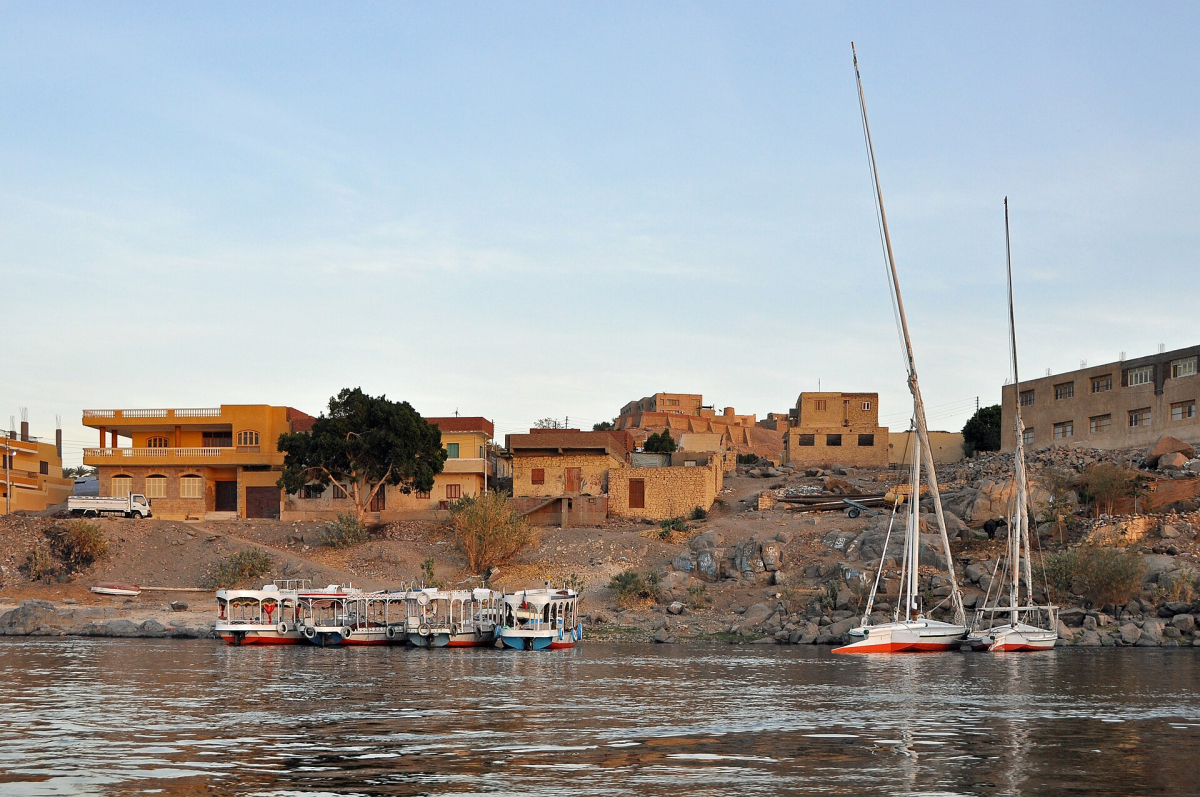
Upper Egypt’s major archaeological sites often involve exposed walking, steps, uneven surfaces and waiting outside. Summer conditions can make the middle of the day demanding even when the air feels dry. Dryness does not remove heat risk. Limit the size of an outdoor block, plan rest in an appropriate place and obtain personal medical advice when a health condition makes heat especially relevant.
Cooler months generally give more scope for a slower visit, but do not assume that every early start is warm. Tomb interiors, transport and river journeys may feel different from an open temple courtyard. Pack layers that are easy to carry and comfortable shoes that suit the actual walking surfaces. If an itinerary combines several sites, ask how much time is spent in the vehicle, in shade and on foot rather than relying only on its headline duration.
Nile Cruises: The Sailing and the Shore Visits
Official tourism information identifies October to May as a useful Nile-cruise period. A cruise, however, includes more than time relaxing on deck. Its shore excursions can involve early departures, crowded visiting windows and exposed sites. Read the programme and ask whether the timing can be adjusted for heat or operational conditions. A pool on board is not a substitute for a manageable shore itinerary.
Pack for the complete day: layers for a cool river morning, sun protection for exposed visits and suitable clothing for meals or public spaces under the ship’s own rules. Cabin location, air conditioning and the shaded areas available on deck may matter to your comfort. The Nile Cruises guide compares these booking questions with independent travel rather than promising a universally ideal sailing month.
The Red Sea: Air Temperature Is Only Part of the Choice
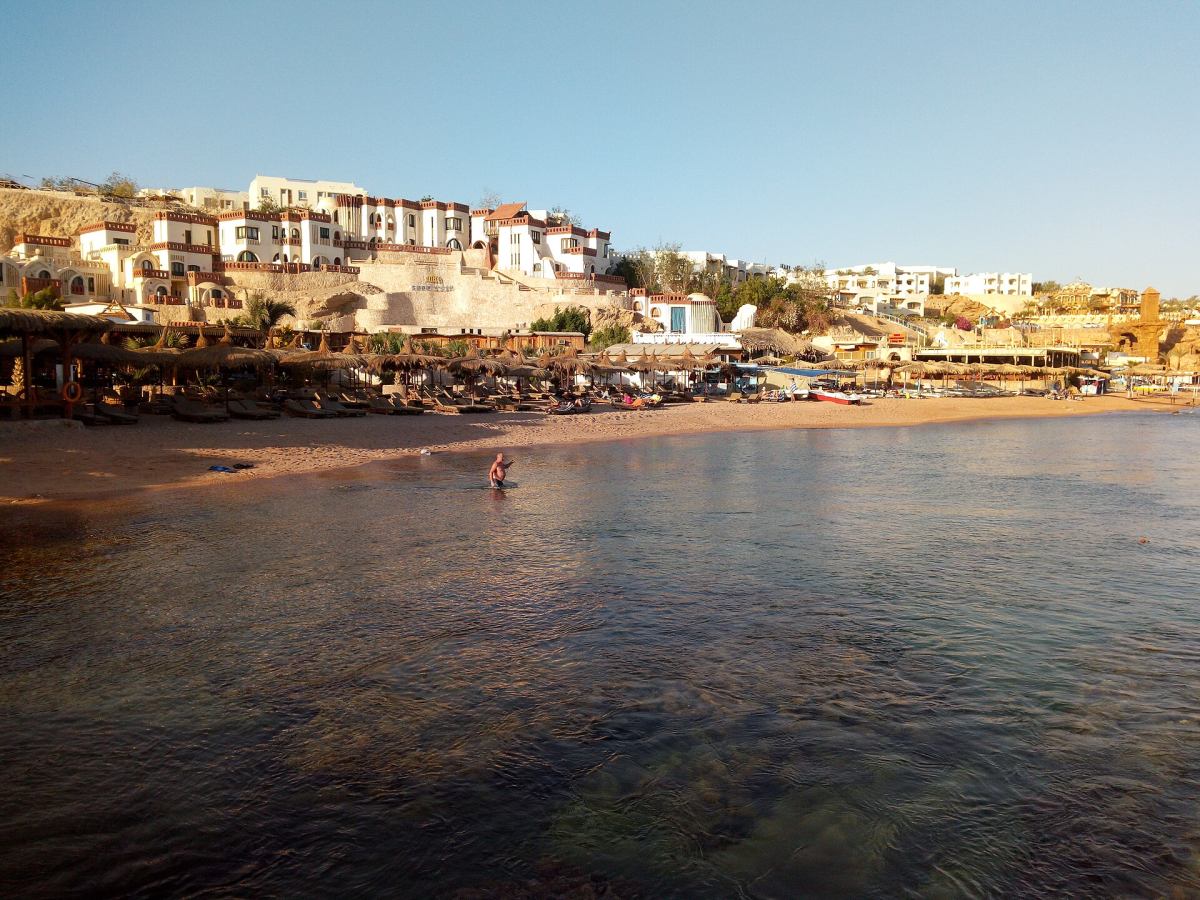
For Hurghada, Marsa Alam, Sharm el-Sheikh or Dahab, decide what you expect to do in the water. A sheltered resort swim, a shore snorkel, a boat trip and a specialist dive have different requirements. Wind, sea state, water temperature, entry conditions and the operator’s decision can affect the day. A warm afternoon beside a pool does not guarantee a comfortable boat journey or appropriate conditions at a reef.
Ask the accommodation about the actual beach entry and, where it matters, the pool’s seasonal heating arrangements. Ask the dive or boat operator what clothing and qualifications are needed for the chosen activity. In cooler months, a wind layer can be useful after leaving the water. In hotter months, shade and sun exposure on a boat still need attention. Use Beaches to select a base rather than assuming every part of the coast offers the same experience.
The Mediterranean, Desert and Mountain Exceptions
Alexandria and the Mediterranean coast can be cooler and wetter in winter than the country-wide sunshine image suggests. That does not prevent a city visit, but it changes a waterfront day and makes a sheltered alternative useful. A summer coastal holiday is also a different product from a winter archaeological route. Confirm seasonal services and the character of the particular resort before choosing accommodation.
Desert nights and mountain conditions require separate preparation. Do not pack only for the daytime temperature shown for Cairo, and do not assume a Sinai mountain outing shares the conditions of a beach resort. Use an appropriate guide, current weather and route advice for the actual excursion. Severe rain can create local hazards in otherwise dry landscapes; a dry climate is not a guarantee against disruption or flash flooding.
Use a Month-by-Month Decision, Not a Ranking
January and February can suit a temple-focused plan when you accept cooler mornings and pack accordingly. March and April bring a transition toward warmer conditions, with flexibility useful for wind and dust. May and June demand closer attention to the amount of exposed inland sightseeing. July and August should be chosen with a realistic heat plan rather than an assumption that a low hotel quote makes every itinerary equally comfortable.
September can still be hot inland, so check actual conditions before treating it as a cool-season trip. October and November can be useful months to investigate for a mixed Nile-and-coast route. December can suit archaeology, while a swimmer should assess the chosen coast separately. These are editorial planning cues, not monthly weather promises. Compare a current forecast with the exact location and time of day, not only the national capital.
Ramadan, Public Holidays and Event Dates
Religious and public holidays can change opening patterns, meal arrangements, local travel demand and the atmosphere of an evening. Ramadan follows the Islamic calendar and moves through the solar year. Do not use a past year’s dates or assume that every restaurant and attraction follows one national holiday timetable. Confirm the specific institution, operator and accommodation for your intended visit.
If a festival is central to the trip, verify the current programme and transport before paying for travel built around it. A recurring event name is not proof that all performances, viewing arrangements or dates are unchanged. The Festivals & Events guide covers the context; the actual organiser or venue should settle date-specific details.
Pack for the Route You Have Chosen
A practical bag combines sun protection, comfortable walking footwear, a refillable bottle where safe drinking-water arrangements allow, and layers for cooler starts. Add swim or activity equipment according to the provider’s requirements. Modest clothing suitable for religious visits may also be useful outside those sites. Do not carry specialist outdoor equipment merely because a photograph made an unplanned mountain trip look appealing.
Leave some flexibility in the schedule and budget for conditions that change. A shorter outdoor visit, a cancelled boat excursion or a slower transfer should not force you to abandon the entire route. Itineraries helps arrange a manageable sequence; the best season is the one in which your actual priorities, comfort needs and booking conditions fit together.
Official Planning Sources
Climate context checked on 30 October 2026. Climate describes broad patterns; use current forecasts and official notices for travel decisions.
- Experience Egypt: geography and climate
- Experience Egypt: Nile-cruise season
- Egypt State Information Service: geography and climate
- FCDO: safety and activity considerations
Frequently asked questions
Is October to April the best time for every Egypt holiday?
It is a useful starting range for Nile Valley sightseeing, but beaches, sea activities, mountain outings and the Mediterranean coast have different requirements. Choose the main region and activity before choosing a month.
Can I visit Luxor and Aswan in summer?
A summer visit needs a realistic plan for hot inland conditions, shorter outdoor blocks, shade, rest and the actual venue hours. Decide whether that fits your group rather than assuming the same schedule will work in every season.
Will the Red Sea always be warm and calm in winter?
No. Air, water, wind and sea state are separate factors. Check the precise location and activity with the operator and pack for the time spent out of the water as well as the swim.
Should I copy last year’s Ramadan dates?
No. Ramadan follows the Islamic calendar and shifts through the solar year. Verify dates and the actual venue or operator’s arrangements for the year of travel.



