
AFRICA · EGYPT TRAVEL GUIDE
Things to Do in Egypt: Pyramids, Temples & Memorable Experiences
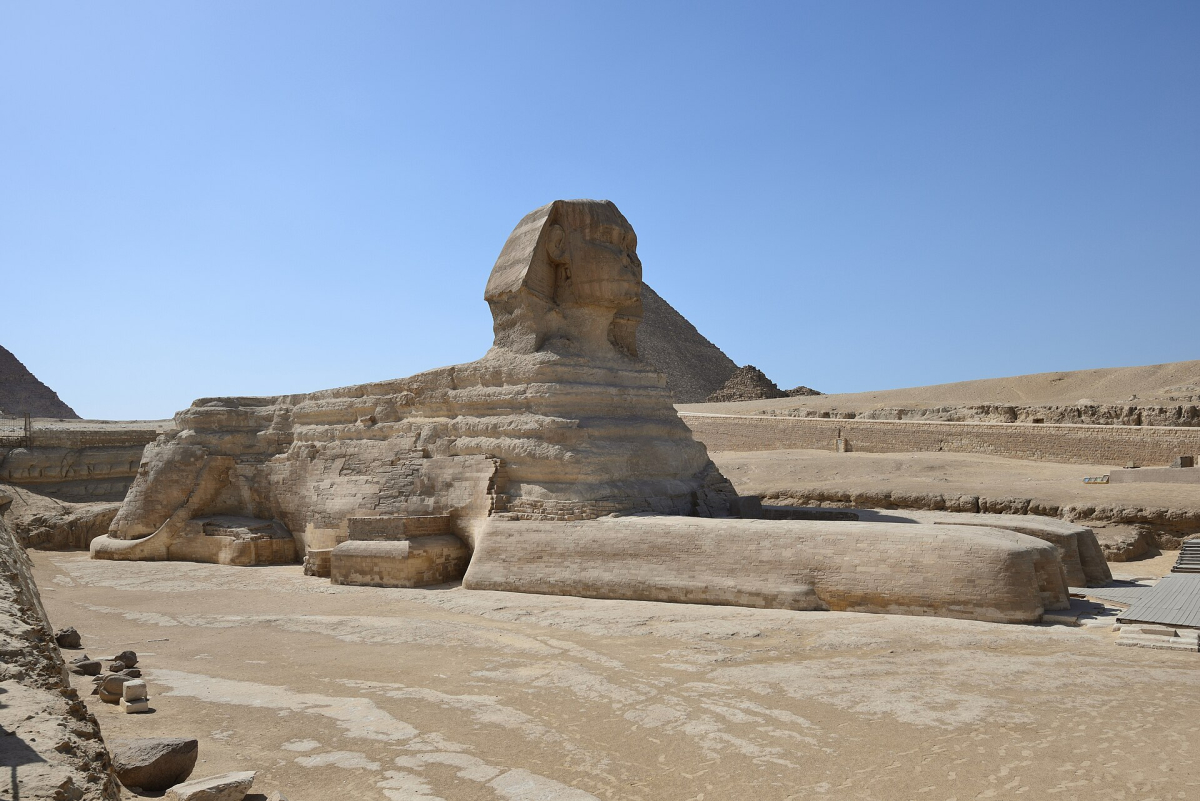
Choose things to do in Egypt by the experience you want, then group them into realistic days. A pyramid interior, a painted tomb, a temple complex and a market walk place very different demands on your time and energy. This selection concentrates on the decisions around memorable visits; the separate History & Culture guide provides context, while the itineraries turn choices into a route. The durations below are editorial planning allowances, not admission conditions or guaranteed tour schedules.
Swipe horizontally if needed to compare all columns.
| Experience | Planning allowance | Deciding factor |
|---|---|---|
| Giza plateau | A substantial half-day or longer | Outdoor heat, internal entry and the actual entrance |
| Saqqara | A separate half-day with road travel | Which monuments are open on your visit |
| Karnak | An unhurried part of a morning | Shade, walking distance and guided interpretation |
| Luxor west bank | A carefully paced full day or two shorter visits | Separate sites, tickets and transfers |
| Philae | A dedicated outing from Aswan | Boat transfer and steps |
| Abu Simbel | A substantial excursion with travel | Early start and your return connection |
| Historic Cairo | A focused walking session | Crowds, workshop access and personal interests |
Explore the Giza plateau with a clear entry plan
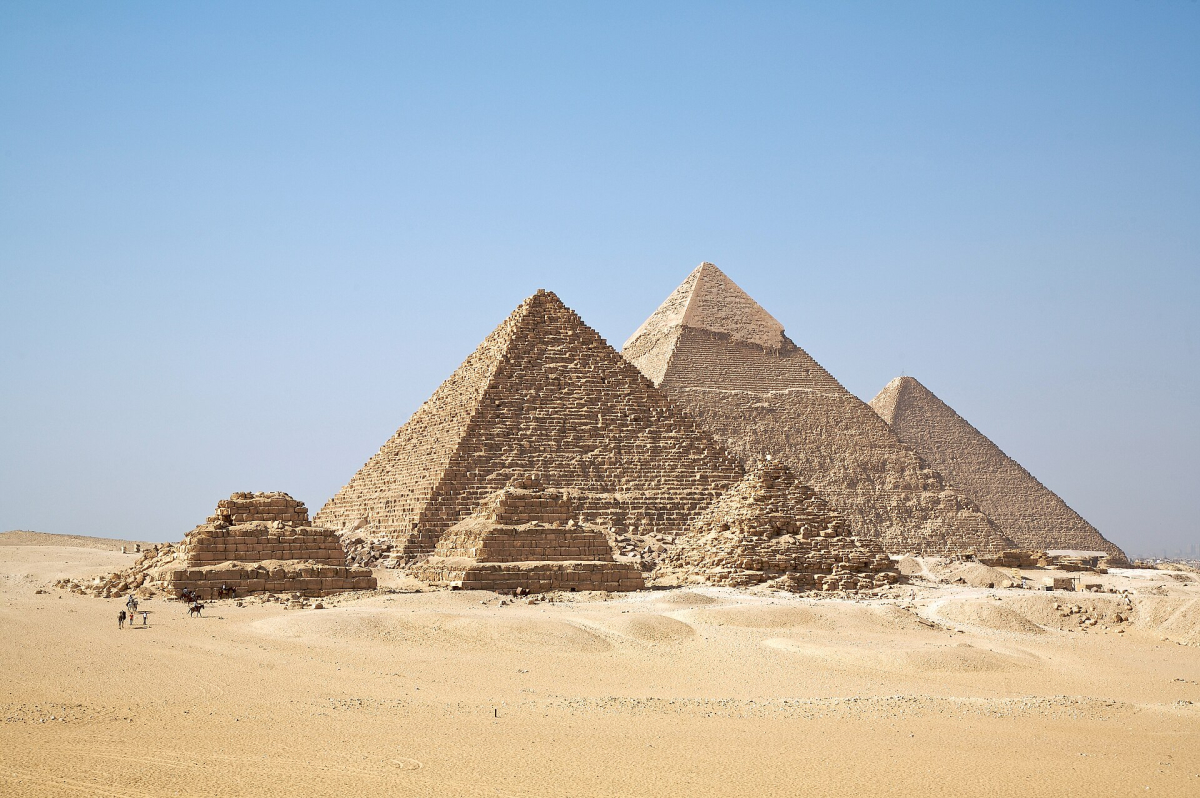
Giza rewards time spent looking at the relationship between the pyramids, causeways and surrounding plateau. Decide beforehand whether entering a pyramid is important to you. An interior passage is a different experience from enjoying the exterior landscape: it can involve confined space, sloping surfaces and physical effort. The general site ticket must not be assumed to include every optional interior or special admission.
Plan transport to the currently operating visitor entrance and arrange the return pickup in advance. A hotel with a pyramid view is not automatically beside the entrance you will use. Allow for ticketing and security, carry water and avoid a schedule that depends on finishing at an exact minute. Use the official monument ticket platform to review current options rather than relying on an old price photograph.
Give Saqqara its own place in the day
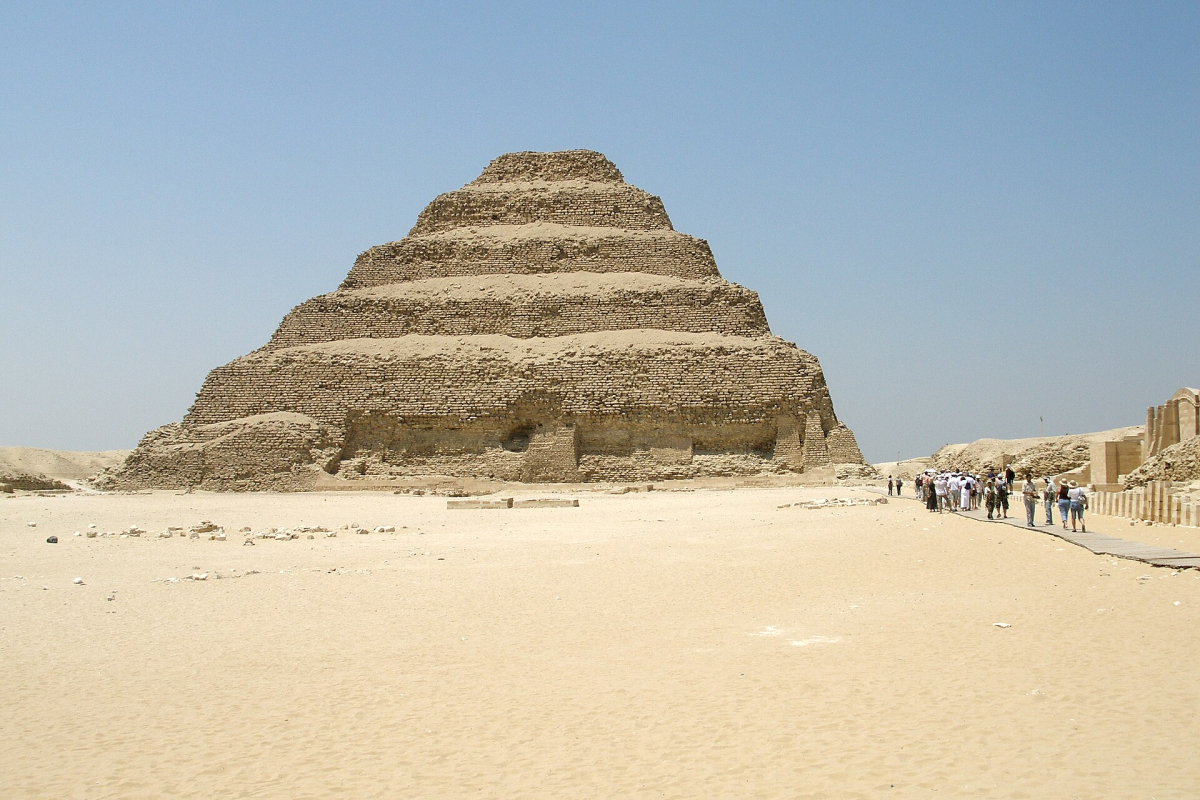
Saqqara changes the story from the familiar Giza skyline to the development of the pyramid and the wider cemetery landscape. The Step Pyramid of Djoser is a strong starting point, but a useful visit depends on which additional tombs or monuments you choose. Ask a guide to build the route around your interests instead of promising every named attraction on a single ticket.
The site is outside central Cairo, and combining it with Giza and several other stops creates a demanding day. If you enjoy detailed reliefs or archaeological interpretation, reduce the number of places. Bring footwear for uneven ground and confirm which interiors are suitable for your mobility and comfort. The Cairo guide helps you arrange the city portion without creating a second Cairo itinerary here.
Read the scale of Karnak with a guide
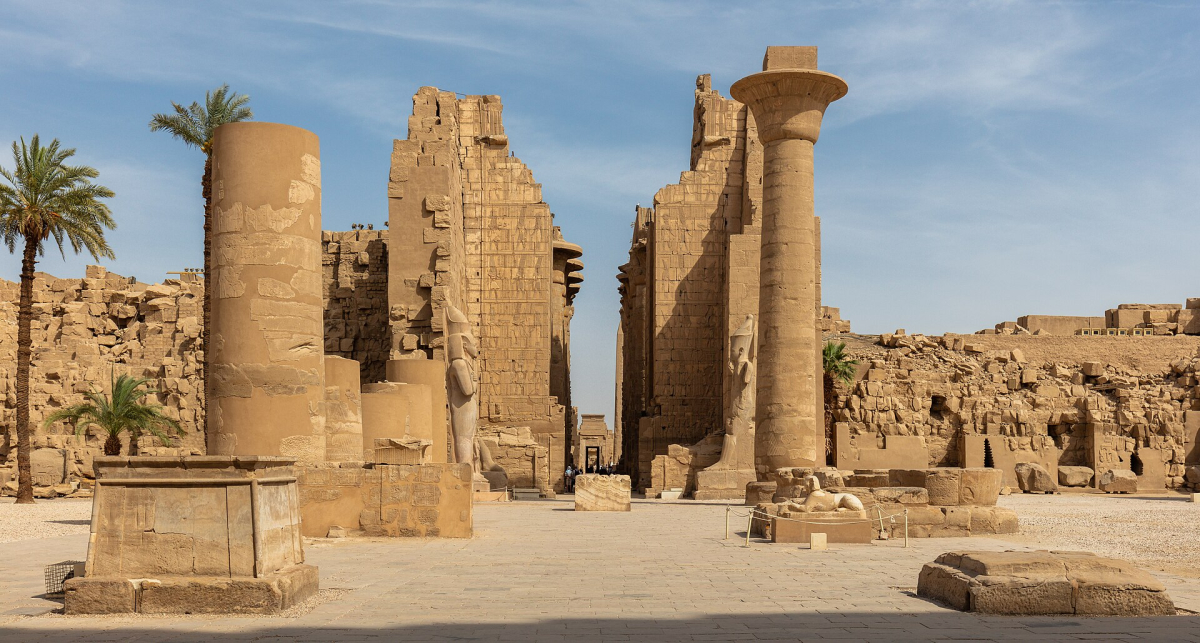
Karnak is most rewarding when you understand how different rulers added to a complex over time. A guide can help distinguish a processional route, monumental gateway and hypostyle hall, making the visit more than a succession of photographs. Choose a manageable walking circuit and pause to look at carvings rather than rushing to cover every corner.
Visit during a cooler part of the day when possible, while checking current opening arrangements. The large open areas and stone surfaces can be tiring in heat. Karnak and Luxor Temple are separate places; do not treat their tickets, access or evening programmes as interchangeable. Use the official Luxor tourism guide for their regional context and reconfirm individual admission through the monument operator.
Choose tombs deliberately in the Valley of the Kings
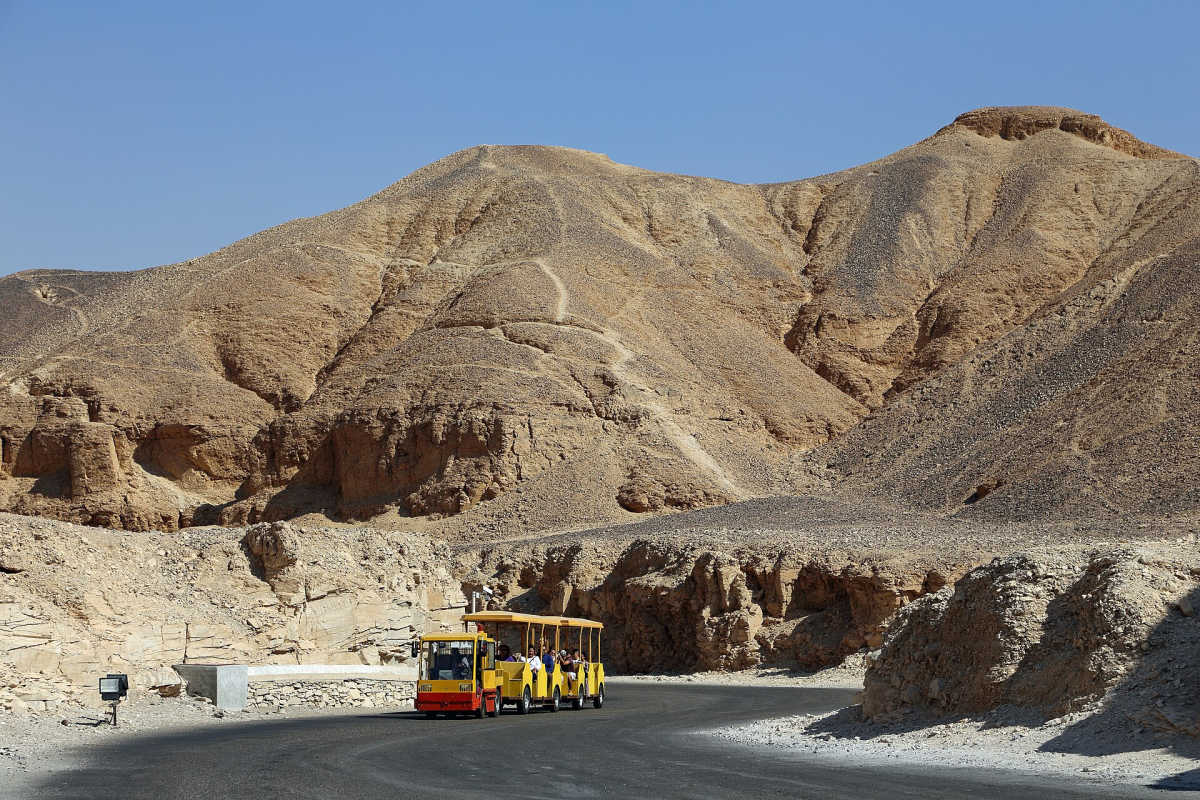
The Valley of the Kings is a visit to individual royal tombs within a larger desert setting. Choose according to the tombs available on your date, the ticket category and the amount of walking or descending you can comfortably manage. Special-entry tombs may require additional admission, and a package description must identify them before you assume they are included.
Do not expect every tomb to be open simultaneously. Conservation and operations can alter the selection, while some interiors feel hotter and more enclosed than the landscape outside. A smaller number of carefully understood tombs can be more rewarding than a hurried checklist. Ask about photography rules on arrival and follow the instructions in each space, particularly around flash and restricted areas.
See Hatshepsut’s temple in its cliff setting
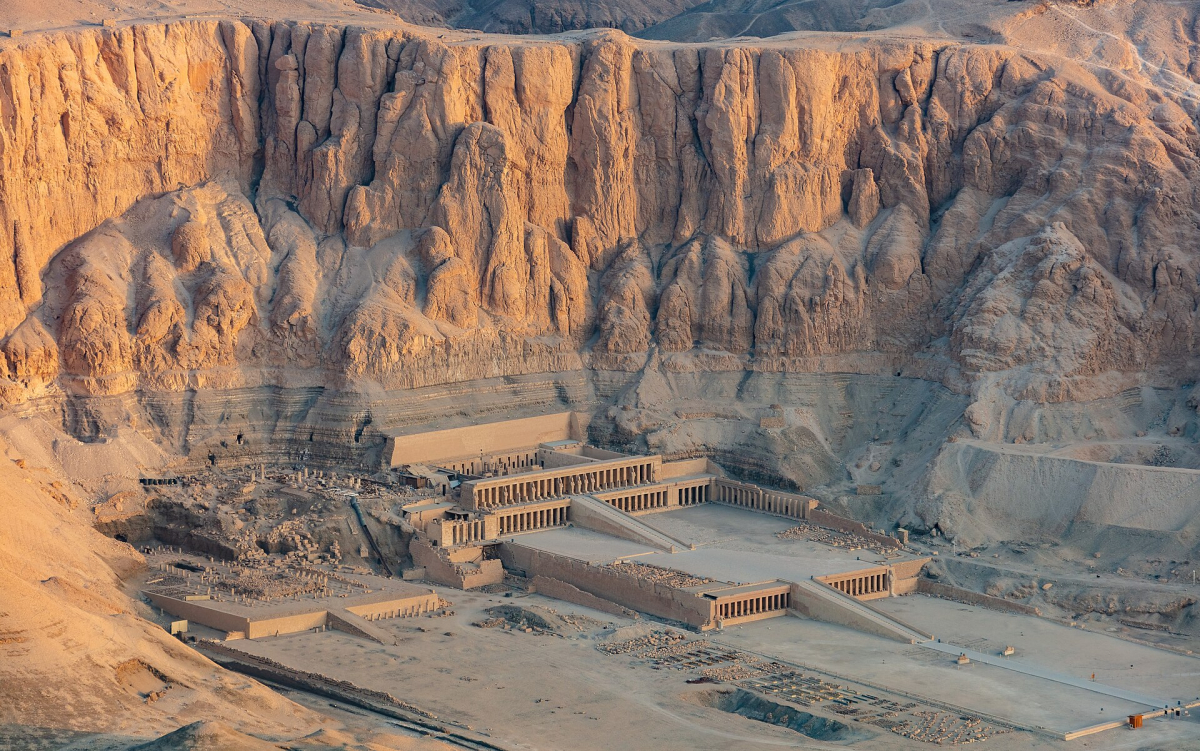
The terraced temple at Deir el-Bahari is striking because its architecture relates directly to the cliffs behind it. Leave time to look at the composition from a distance as well as exploring the areas open to visitors. A photograph from above, such as the landscape view shown here, is contextual; it is not a promise that an ordinary visit includes that elevated viewpoint.
Combine this stop with a realistic west-bank plan, allowing for road transfers and an outdoor break. Do not assume a nearby point on the map means you can walk between all sites comfortably. Discuss steps and walking distances with your guide if anyone needs a gentler pace. Use a separate morning when tomb visits already fill the day, especially in hotter months.
Approach Philae by boat from Aswan
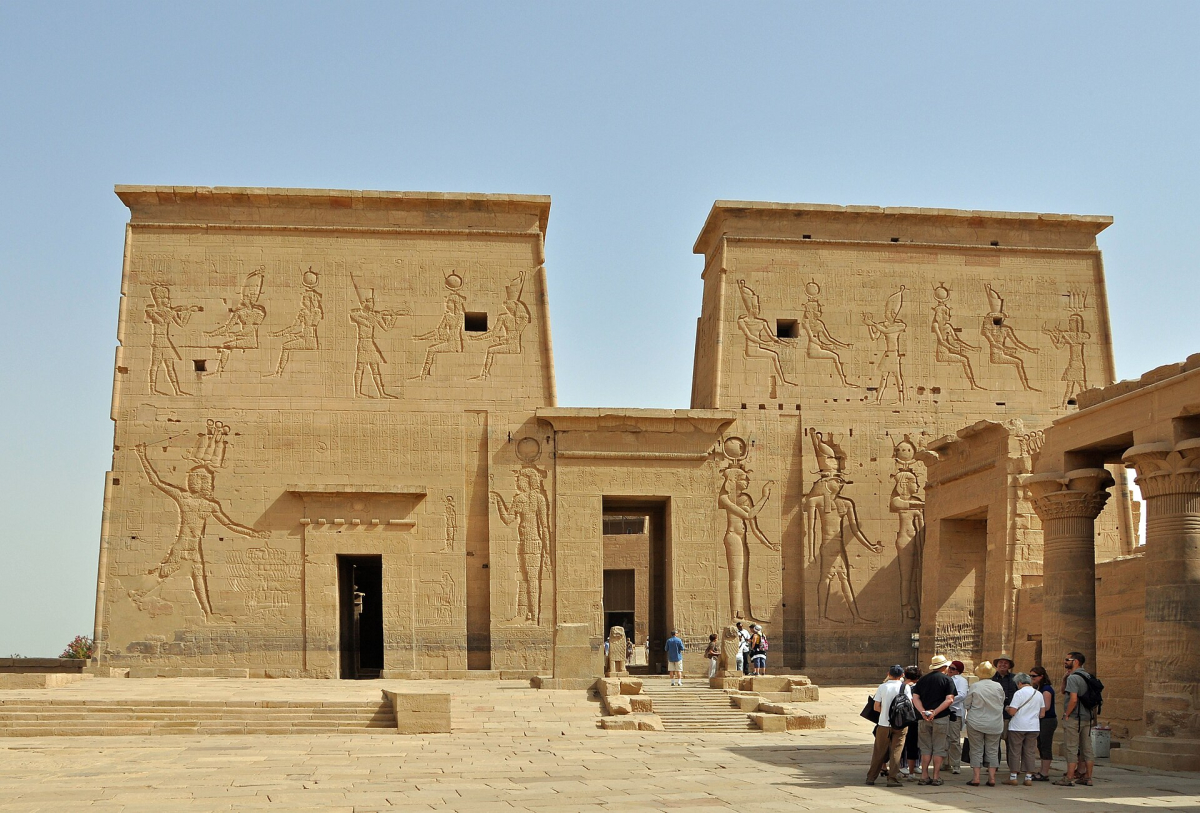
Philae brings together an island approach, temple architecture and a history of relocation associated with the changing river. The boat transfer is part of the experience, but the arrangements need to be clear. Confirm whether a quoted excursion includes the transfer, entrance and guide, and where the driver will wait for the return.
Ask about boarding, landing and any steps before booking if balance or mobility is a concern. A view of the island from a boat is different from a complete temple visit. Avoid placing the excursion between a late arrival and a tightly timed onward journey. The official Aswan guide helps distinguish this local outing from the much longer journey to Abu Simbel.
Make Abu Simbel a considered excursion
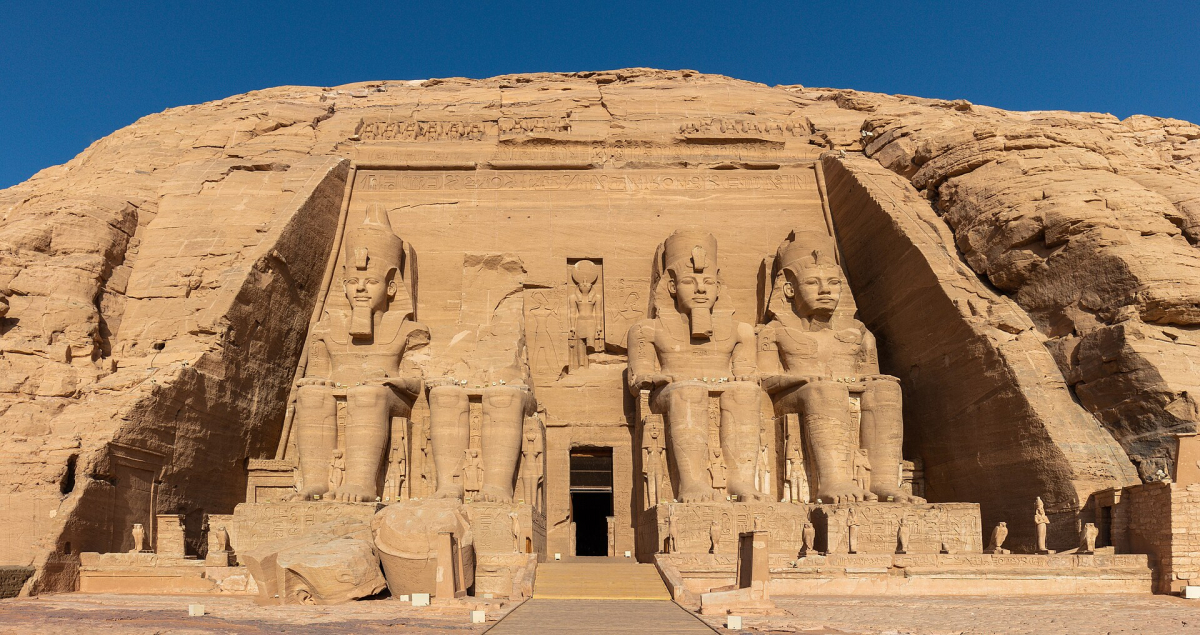
Abu Simbel’s rock-cut temples are compelling enough to justify a dedicated decision about travel time. They stand south of Aswan, rather than beside the usual Luxor–Aswan cruise route. Compare the actual departure, transport and return arrangements. An early pickup is only one part of the day; consider sleep, meals and the connection you have planned afterwards.
Ask how much usable time the itinerary allows at the temples and whether both are included. For the solar-alignment dates, expect different demand and operating conditions, and consult the events guide before planning around a particular moment. A dramatic photograph is not evidence that every visitor can obtain the same light or viewpoint.
Follow a focused route through historic Cairo
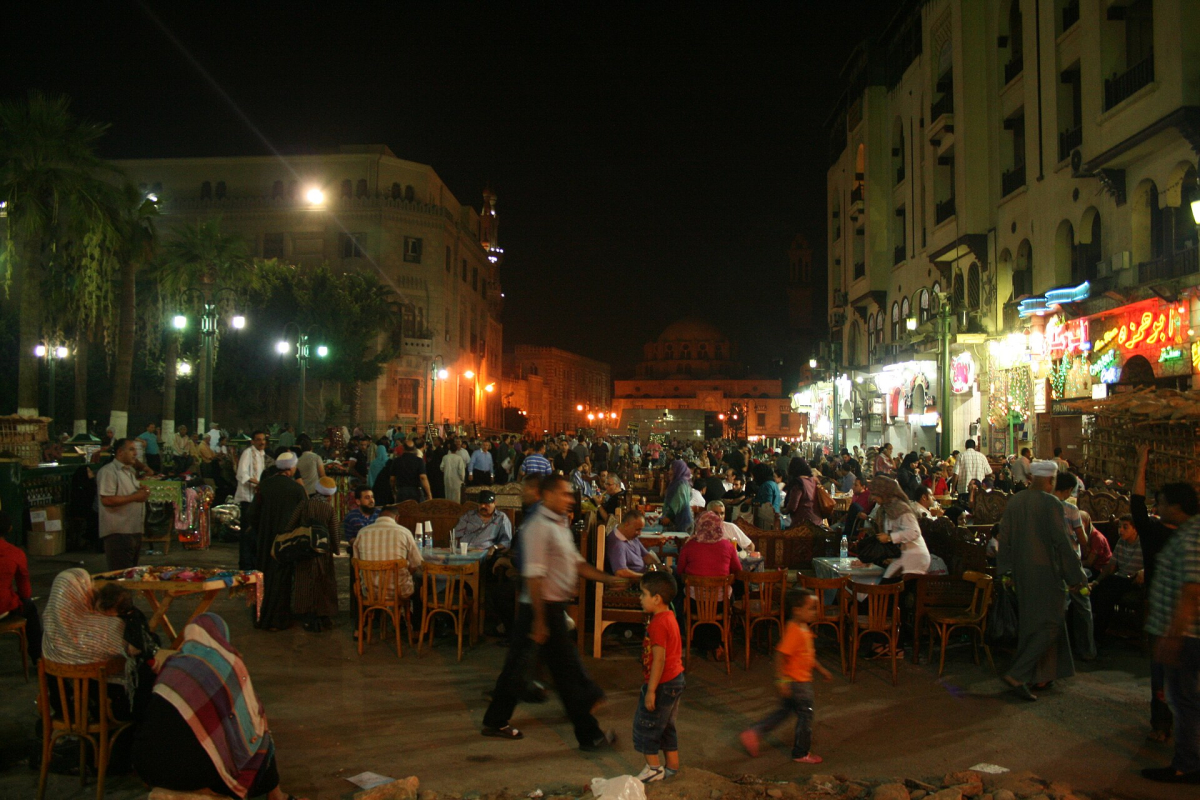
A market walk becomes more useful when you choose an interest: metalwork, architecture, textiles, food or simply observing the changing streets. Khan el-Khalili is one part of a much wider historic district. Agree a route and meeting point, leave space for breaks and ask before photographing people or entering a working shop.
For purchases, compare the object, material and workmanship before discussing a price. A sales claim about antiquity or origin requires evidence; avoid buying objects presented as genuine antiquities. Keep major shopping separate from a rushed sightseeing transfer. The shopping advice explains receipts, provenance and practical carrying considerations.
Assess a Luxor balloon flight as an optional activity
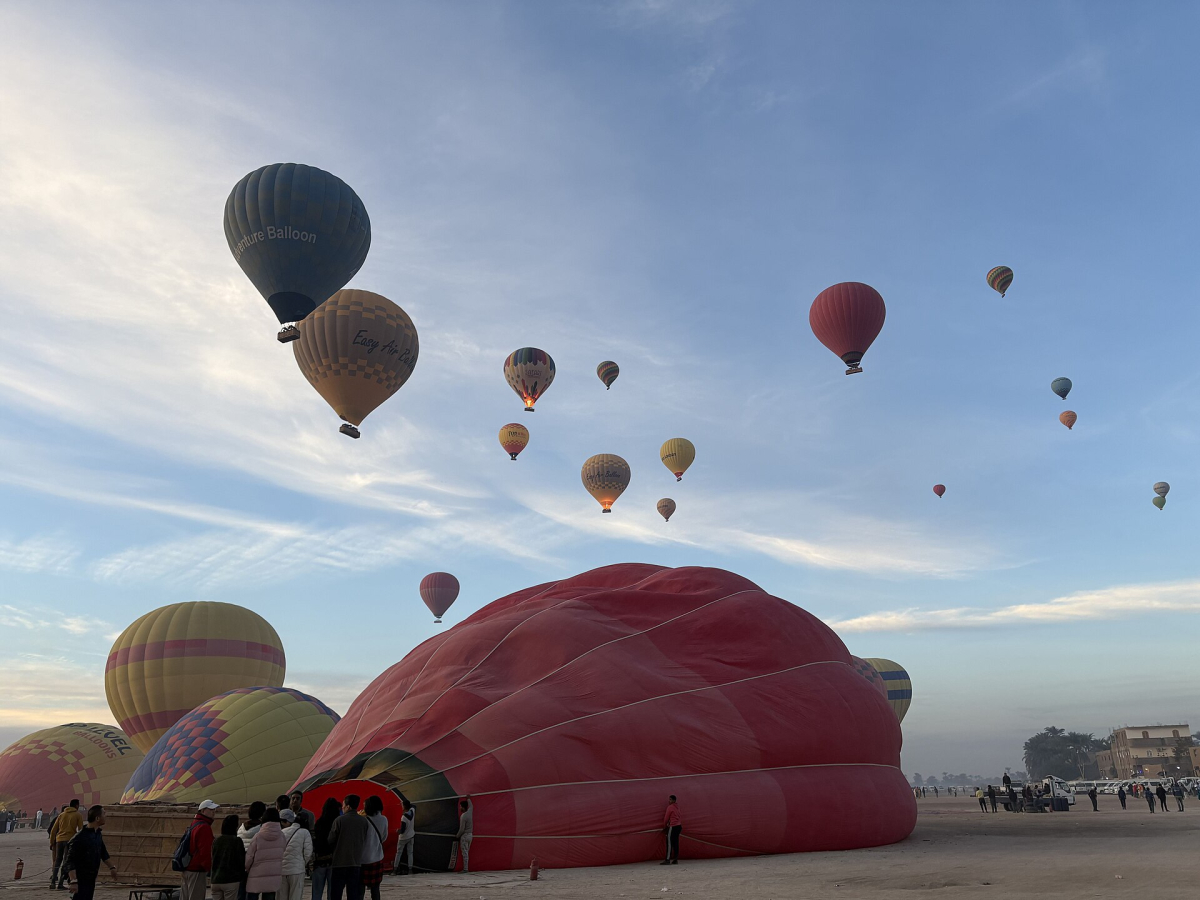
A balloon flight offers a different perspective on Luxor’s cultivated river edge and desert hills, but it should remain optional. Weather can delay or cancel operations. Ask about the actual operator, passenger briefing, insurance, pickup and cancellation arrangements. An advertised sunrise schedule cannot guarantee the exact light, launch or landing location.
Discuss fitness, pregnancy, age limits and any mobility needs directly with the operator before paying, and follow the operator’s requirements. Boarding a basket and standing through the flight can be difficult for some travellers. Leave enough time for the full return transfer and keep an important flight or train outside a narrow connection. A ground-based temple visit is a worthwhile alternative when conditions or personal needs make flying unsuitable.
Combine experiences without repeating the same day
For a first trip, choose the experiences that matter most and reserve the remaining time for getting between bases. A Nile cruise can organise several river-valley visits into one block, while an independent stay offers more control over timing. Add a museum or a quiet meal where it provides a change of pace, rather than treating every free hour as another tour slot.
This combined Cairo tour is an option for travellers who want organised transport and a guide. Check whether your selected option includes the entrances and lunch you need; a combined day leaves less time for a long museum visit.
We may earn a commission if you book through this GetYourGuide link.
Compare Giza and Grand Egyptian Museum tour options
Frequently asked questions
Should I visit Giza and Saqqara on the same day?
It is possible with suitable transport, but can feel rushed. Separate them if you want detailed interior visits, slower walking or time for archaeological interpretation.
Does a Valley of the Kings ticket include every tomb?
No universal inclusion should be assumed. Check the currently open tombs and the admission category for any special-entry tomb you want to see.
Is Abu Simbel a normal stop on a Luxor–Aswan cruise?
It is generally a separate excursion from Aswan. Confirm its inclusion and travel arrangements in the selected package.
Do I need to book a balloon flight to enjoy Luxor?
No. Temple visits, museums and the river landscape make a substantial trip. Treat a balloon flight as an optional activity with its own safety and weather checks.



