
AFRICA · EGYPT TRAVEL GUIDE
Egypt Visa & Entry: e-Visa, Arrival Options & Sinai Rules
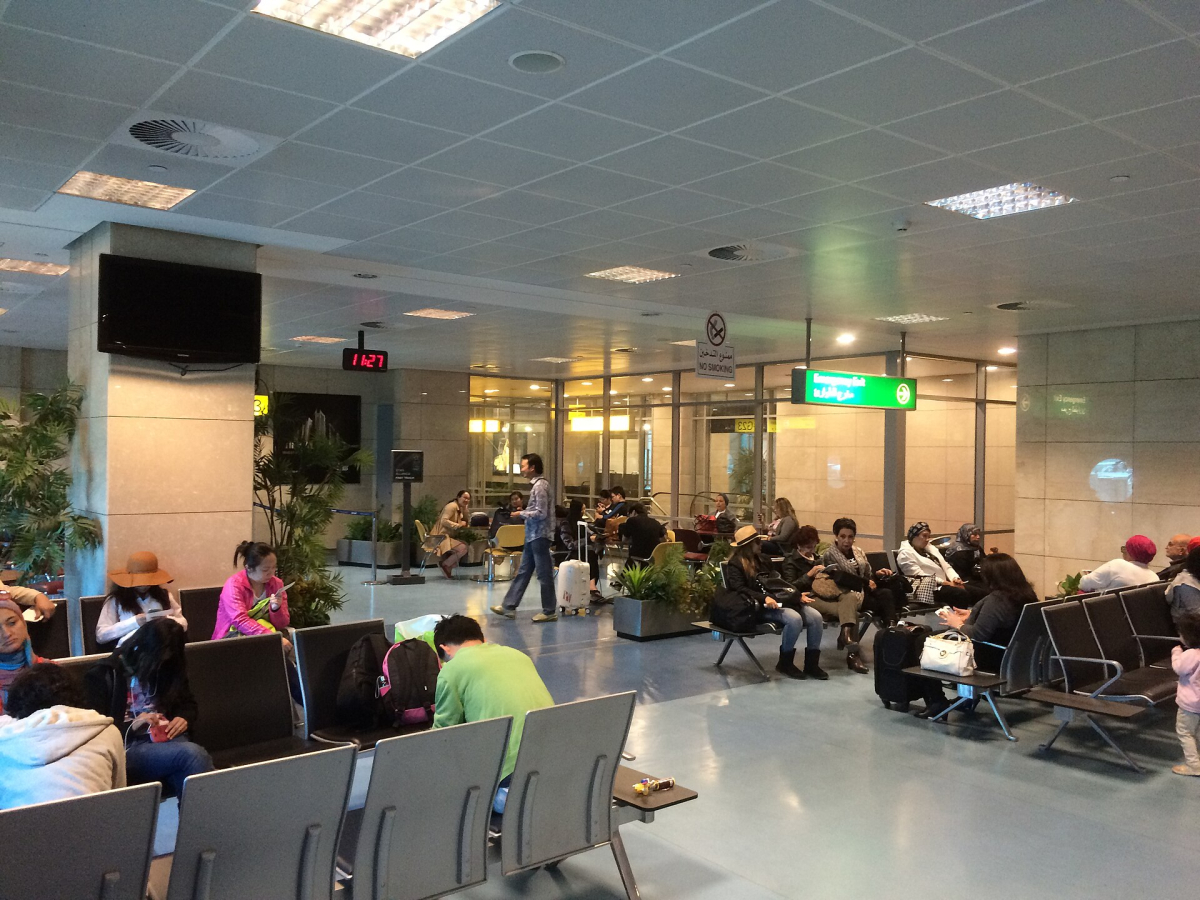
Start with your passport nationality, your arrival point and the places you will actually visit. Egypt's advance e-Visa, a visa bought on arrival and a limited South Sinai entry stamp serve different journeys. A beach holiday entirely within the permitted Sinai area needs a different check from a route through Cairo, Luxor and Aswan. An airline selling a ticket is not confirmation that you qualify for a particular entry route.
The following planning information was checked on 30 October 2026. Egyptian authorities set admission rules, and conditions can change before departure. Read the Ministry of Interior e-Visa FAQ, use the official application portal and contact an Egyptian consulate for unusual passports, work, study, residency or complex entry histories. A tourist visa should not be treated as permission to work or settle in Egypt.
Choose the entry route for your itinerary
First decide whether you will enter Egypt once or leave and return. A side trip to another country followed by another Egyptian airport arrival can change the entry permission you need. Then compare the route against your actual passport category: ordinary citizenship passports, emergency documents, refugee travel documents and diplomatic passports do not necessarily follow the same rules. Do not select a nationality based on where you live or where your flight departs.
Eligibility also differs from processing convenience. Being able to access a website does not mean every nationality can use that visa route. Complete the nationality and passport checks before paying an intermediary, booking a non-refundable excursion or assuming that an arrival desk will solve a problem. If travelling with two passports, obtain advice about which document to use and keep the same document consistent across the visa, airline and border records.
| Route | What it is for | What to check |
|---|---|---|
| Advance e-Visa | Eligible travellers arranging tourist entry before departure | Nationality list, passport details, number of entries and approval |
| Physical visa on arrival | Eligible travellers using an approved arrival point | Current nationality eligibility, cash payment and permitted stay |
| Cairo digital visa on arrival | A separate Cairo arrival service described by UK travel advice | Airport availability, eligibility, card payment and service charge |
| South Sinai entry stamp | A qualifying short stay within the permitted Sinai area | Arrival point, nationality, geographic limits and onward plans |
| Consular visa | Travel or documents outside straightforward tourist routes | Required evidence, appointments and processing time |
Swipe or scroll the table horizontally on smaller screens.
Apply through the official e-Visa portal
The Egyptian Ministry of Interior portal lists eligible nationalities and currently shows a tourist e-Visa fee of USD 30 for a single entry or USD 65 for multiple entries. Those are government e-Visa fees checked on 30 October 2026, not an all-inclusive quote from a visa agent. An intermediary can add its own charge. The portal accepts card payment; confirm the final amount and currency before completing the transaction.
The official application instructions say to create the application at least seven days before departure. Treat that as a minimum application lead time rather than a guaranteed approval deadline. Leave extra time to correct a mistyped passport number or respond to a request. Keep the approval accessible offline and print the e-Visa, as the official FAQ lists a printout among the documents to present on arrival.
Check the passport and supporting documents
The official e-Visa FAQ requires a passport valid for at least six months from arrival. Check expiry against your planned entry date, not the day you buy flights. A replacement passport obtained after a visa application can create a mismatch, so ask the issuing authority how to proceed rather than carrying the old approval and assuming it will transfer automatically. The name and passport details should match the travel document you will present.
Keep a simple arrival folder with the passport, visa approval where applicable, accommodation details and travel itinerary. Save a hotel address in a form that can be shown to an official or driver without internet access. Families should check every traveller's documents individually, including children. A parent's valid visa does not settle a child's entitlement. Travellers whose circumstances involve custody, different surnames or a child travelling with one adult should check the supporting documents needed before departure.
Understand visa on arrival before relying on it
Visa on arrival is a nationality-specific option rather than a universal fallback. For travellers on a full British citizen passport, UK government entry guidance currently describes physical visas sold at approved airports before immigration for USD 30, cash only, with a stay of up to 30 days. Travellers using another nationality should confirm their own entitlement with the Egyptian authorities.
The same British guidance describes a Cairo International Airport digital arrival service from 1 August 2026 costing USD 36 by card, including a USD 6 digital service fee. This should not be confused with the advance e-Visa or promised at every Egyptian airport. Recheck availability before travel. Airport agents may charge extra for assistance; paying an agent is not automatically required to obtain a government visa. Retain the receipt and confirm that you have the correct permission before continuing to immigration.
South Sinai's limited entry stamp

A free limited entry stamp can suit a qualifying short resort holiday in South Sinai, but it is not permission to visit all of Egypt. The Egyptian tourism authority describes limited stays of up to 15 days for direct arrivals in Sharm el-Sheikh, Nuweiba and Taba, with the permitted South Sinai area including Dahab. Nationality and arrival-route rules still need checking. The British guidance specifically describes qualifying air arrivals at Sharm el-Sheikh.
If your itinerary includes Cairo, a Luxor excursion or travel beyond the permitted area, arrange the appropriate visa. Do not buy an excursion first and assume the limited stamp will cover it. A mainland domestic flight after a Sinai stay is a reason to check documentation carefully. Land and sea arrivals can carry different fees and conditions, so an airport example should not be reused as advice for the Taba land border or a Jordan ferry.
Separate entry validity, stay length and re-entry
A visa's period of validity and the length of the stay allowed after admission are different concepts. Read the dates and conditions on your own document. A statement that a visa is valid for a number of months is not permission to spend that entire period in Egypt. Equally, a single-entry document does not normally become reusable because some days remain after you leave.
Build a calendar showing each entry, exit and any proposed return. This is particularly useful for travellers combining Egypt with Jordan or a wider regional journey. Do not plan a trip around informal advice that a border run automatically renews tourist status. For extensions or longer stays, seek current instructions from the Egyptian passport and immigration authorities before the existing permission expires. Keep official receipts and records of any extension process.
Land borders, ferries and regional uncertainty
Check a border crossing as a separate travel task. Opening arrangements, charges and eligibility can change at short notice, and the practical requirements may differ in each direction. Current UK advice warns of uncertainty around regional borders and includes specific instructions for Taba and routes from Jordan or Sudan. A photograph of another traveller's stamp or an old forum post is not sufficient evidence for your journey.
Before committing, confirm the crossing is operating, which authorities control the documents you need, whether a visa must be obtained beforehand and how you will continue after admission. Check the travel advice for both countries and the transport operator's current service. Keep a workable alternative if a border or sailing changes. A travel itinerary should not use a sensitive border crossing simply as a shortcut between holiday bases.
Customs and special equipment
Admission and customs are separate checks. Medication, professional filming equipment, drones and items intended for commercial use can require additional permission or paperwork. Resolve these questions before packing. An e-Visa approval does not authorize equipment importation. Keep prescriptions and supporting medical letters with essential medication and ask the appropriate Egyptian authority whether advance approval is required.
For cameras, distinguish ordinary personal photography from professional equipment or a commercial assignment. Drone rules are particularly restrictive; do not bring one because it is small or intended only for holiday footage. See Egypt Health & Safety for practical restrictions and use Airports & Transfers to plan the arrival sequence after your documents are settled.
Frequently asked questions
How much is an Egypt tourist e-Visa?
The Ministry of Interior portal showed USD 30 for a single-entry tourist e-Visa and USD 65 for multiple entries when checked on 30 October 2026. Eligibility and the final fee must be checked on the official portal before applying.
How early should I apply for an Egypt e-Visa?
The official portal says to create an application at least seven days before departure. Apply with additional time where possible; this is a minimum lead time, not a guaranteed processing promise.
Can I visit Cairo with a South Sinai entry stamp?
A limited South Sinai stamp does not cover a mainland itinerary through Cairo or Luxor. Check your nationality and arrival route, and obtain the appropriate visa before travelling beyond the permitted area.
Does an approved e-Visa guarantee admission?
No. The official portal states that Egyptian border authorities retain the right to refuse entry. Carry the required passport, approval printout, itinerary and accommodation information.


