
AFRICA · EGYPT TRAVEL GUIDE
Egypt Itineraries: 7, 10 & 14-Day Routes

A useful Egypt itinerary begins with the nights you actually have on the ground. Arrival, domestic transfers and departure are part of the trip, not empty spaces between attractions. Seven days suits a focused Cairo–Luxor visit. Ten days can add Aswan. Two weeks gives more room for a beach finish, a cruise or a slower archaeological route, but still requires choices.
The routes below are planning models, not packaged departures or guarantees of a particular flight, opening hour or transfer duration. They include arrival and departure days and assume that the named accommodation and connections can be booked. Read Map & Regions before choosing the order, then check Getting Around for the actual services.
Choose the Length and Style First
Decide whether the trip is primarily about archaeology, a river experience or time by the sea. Each is worthwhile; combining all three in a short holiday can remove the unhurried time that made them appealing. An independent Nile Valley route gives control over your nights and visiting pace. A cruise ties accommodation and some sightseeing to a sailing schedule, which may simplify logistics but needs a different allocation of days.
Count transfers as commitments. A flight still requires travel to the airport, check-in and the final journey to the hotel. A late arrival should not be followed by an ambitious schedule merely because a day number is available. If arrival is near midnight or departure is early, shorten the sightseeing plan accordingly. Travellers with children or additional access requirements may prefer fewer bases and longer stays.
On a small screen, swipe or scroll the table sideways to compare all columns.
| Time available | Core route | What to leave for another trip |
|---|---|---|
| 7 days / 6 nights | Cairo 3 nights → Luxor 2 → Cairo 1. | Aswan, a full cruise, Alexandria and a beach finish. |
| 10 days / 9 nights | Cairo 3 → Luxor 3 → Aswan 2 → Cairo 1. | A separate coast or desert expedition unless something else is removed. |
| 14 days / 13 nights | Cairo 3 → Luxor 3 → Aswan 2 → mainland Red Sea 4 → Cairo 1. | A second coast, a desert loop and an additional northern city. |
7 Days: Cairo and Luxor with Breathing Room
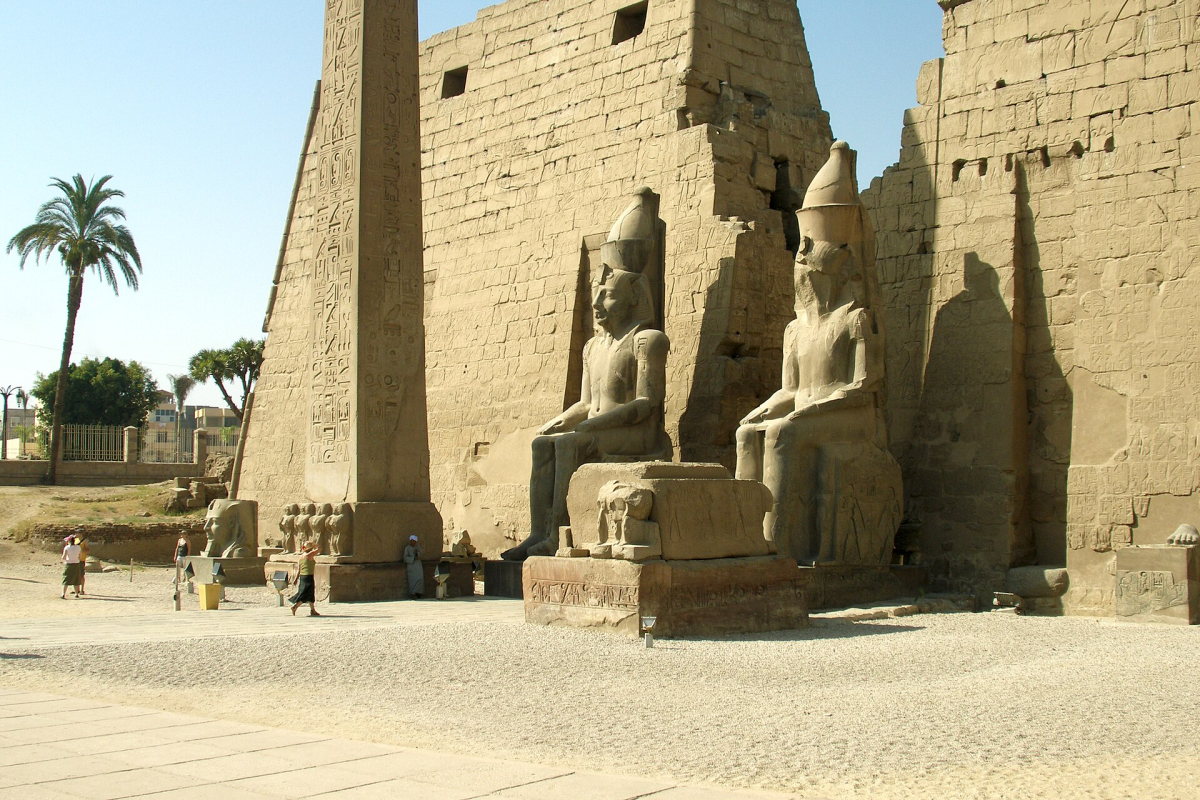
Spend the first three nights in Cairo or Giza. On day 1, settle in and keep the evening flexible. Use day 2 for a geographically grouped Giza plan, with the pyramids as the main outdoor visit. Use day 3 for the museum or historic-city interests that matter most to you. The Grand Egyptian Museum, the Egyptian Museum in Tahrir and the National Museum of Egyptian Civilization are different institutions; choose deliberately instead of treating their names as interchangeable.
Travel to Luxor on day 4 and allow the remainder of that day to depend on the booked arrival. Day 5 can hold a West Bank archaeological block, with a suitable vehicle or guided arrangement. Fit East Bank temples into the remaining daylight or a verified evening opening. Return to Cairo on day 6, sleep there, and depart internationally on day 7. That final night is a buffer, not a promise that two separate tickets are protected.
This route deliberately leaves Aswan out. If Abu Simbel is your absolute priority, replace part of the plan rather than adding it on top. A short holiday is also a valid reason to stay entirely in Cairo and Giza and visit at a slower pace, particularly when long travel days or summer heat would make Luxor less comfortable.
10 Days: Add Aswan without Turning Every Day into a Transfer
Keep the same three-night start in Cairo. Move to Luxor on day 4 and stay three nights, using days 5 and 6 for separate West Bank and East Bank visits. This gives more room for museum context, a slower temple visit or a rest period. Avoid automatically buying a full excursion for every free hour; a place can be better understood with a smaller number of carefully chosen visits.
Transfer to Aswan on day 7 using a verified service, then stay two nights. Day 8 can be used for the Aswan visit you value most, or for an Abu Simbel excursion if its early start, travel commitment and inclusions suit the group. Two nights do not create unlimited time: choosing Abu Simbel may reduce the time available for islands and other Aswan visits. Return to Cairo on day 9 and depart on day 10.
An extra night in Aswan can be a better use of a small extension than another distant city. If your flight booking supports returning from a different airport, compare that option with the Cairo backtrack. Confirm the actual connection and baggage conditions; the existence of an airport does not establish a direct international service to your home.
14 Days: The Nile Valley and a Mainland Red Sea Finish
For a balanced two-week model, use nights 1–3 in Cairo, nights 4–6 in Luxor and nights 7–8 in Aswan. Move to the selected mainland Red Sea base on day 9, then stay four nights. Return to Cairo on day 13 for the last night and depart on day 14. This provides three full coastal days between arrival and departure rather than describing a single hotel night as a beach holiday.
The Aswan-to-coast move is the most important connection to solve before buying hotels. Do not assume a convenient direct flight or a short cross-desert drive. Compare a booked road transfer with any available flight routing, the full travel day and the cost for the group. If the connection is poor, reorder the route, remove Aswan, or choose a longer Luxor stay before continuing to a coast with a practical transfer.
Choose one coastal cluster. Moving between Hurghada-area resorts consumes time without necessarily improving the holiday. South Sinai is a different branch of the journey and needs a fresh transport and entry assessment. A Sharm el-Sheikh or Dahab finish can be substituted when the real flight routing works; it should not be inserted as though it were adjacent to the mainland resort.
Substitute a Nile Cruise as a Whole Block
A cruise is a route structure, not an activity to squeeze into the independent plan. Luxor–Aswan cruises differ in duration, direction and the amount of sightseeing included. Your booking may count nights, sailing days and embarkation days differently. Read its day-by-day plan before aligning flights, and leave appropriate time for delays and transfers.
Replace the Luxor–Aswan land block with the actual sailing and any extra nights you need ashore. Check whether Karnak, the Valley of the Kings, Philae, Edfu and Kom Ombo are included, optional or absent; avoid paying twice for the same visits. Abu Simbel should be checked separately. A cruise labelled “full board” does not automatically include every drink, entrance, transfer, gratuity or guide service. Use Nile Cruises to compare the experience in detail.
Alexandria, Desert Visits and Other Alternatives
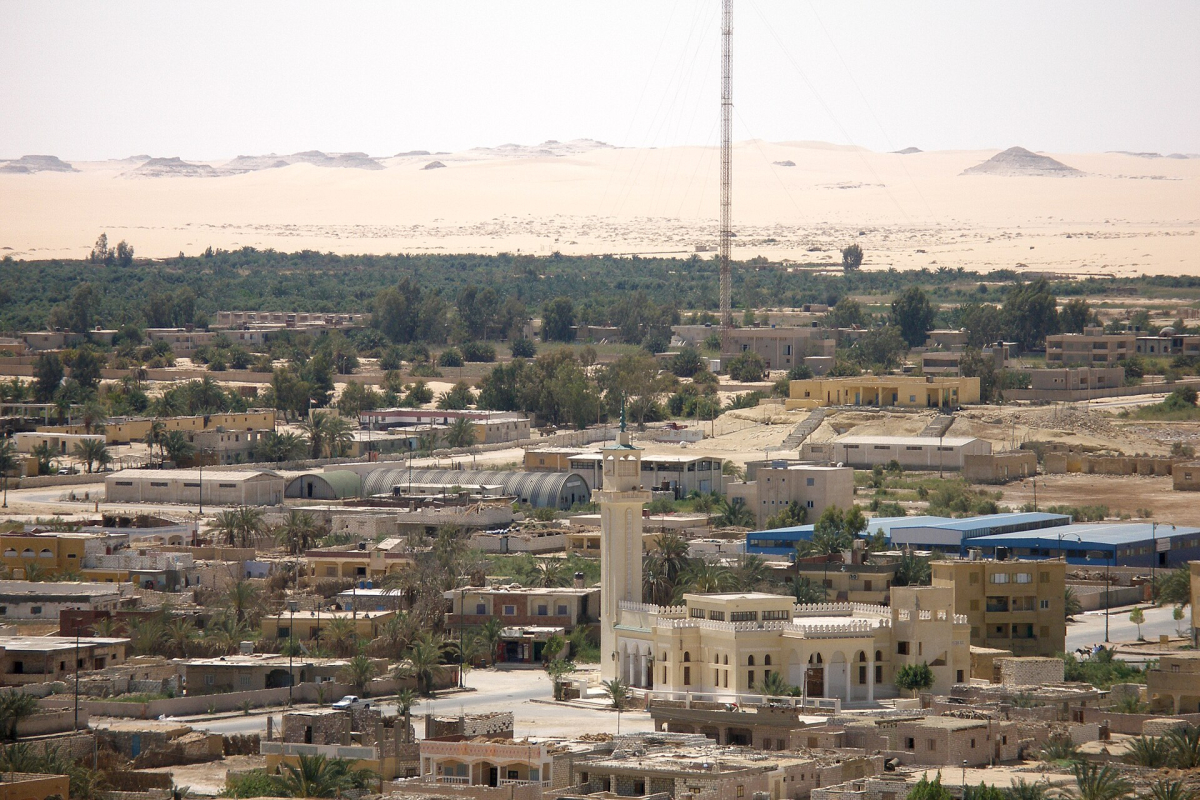
Alexandria can replace part of a longer Cairo stay or become a northern overnight extension. Give it a clear purpose, such as a coastal-city visit and selected historical institutions, then verify the return service. It is not on the Cairo–Luxor–Aswan line of travel. Adding it to a short southern route increases movement in the opposite direction.
A permitted desert or oasis visit should replace a substantial itinerary block. It needs current route advice, an appropriate operator, transport and a realistic overnight plan; it is not an automatic spare-day option. Do not link Siwa and Bahariya using an old touring circuit without checking present restrictions. Walking & National Parks explains the planning questions before a nature excursion is booked.
Set the Pace, Then Make the Bookings Fit
Put outdoor archaeology into the cooler practical visiting period and keep a midday recovery option, especially in Upper Egypt. Museum time is useful but should not be used to justify exhausting transfers the night before. Check each venue’s current opening, ticket and photography conditions for the date you actually intend to go. A festival, public holiday or exceptional closure can change an otherwise sensible sequence.
Reserve the fixed parts first: international travel, any cruise departure, crucial domestic connection and the accommodation needed around them. Then add timed visits that depend on those arrangements. Keep a list of cancellation deadlines and distinguish refundable hotel nights from a non-refundable sailing or flight. Travel Costs & Money helps compare the complete route rather than a headline daily budget.
Official Planning Sources
Destination context checked on 30 October 2026. These are editorial route models; verify services, access and current advice before booking.
- Experience Egypt: Cairo and Giza
- Experience Egypt: Luxor
- Experience Egypt: Aswan and Abu Simbel
- Experience Egypt: Nile cruises
- Current FCDO Egypt advice
Frequently asked questions
Are seven days enough for Cairo, Luxor, Aswan and the Red Sea?
A seven-day holiday that includes arrival and departure leaves little time for that many bases. Choose a Cairo–Luxor focus, or make a different priority-led choice. Adding a coast or Aswan means removing time elsewhere, not creating another free day.
Should I cruise from Luxor to Aswan or travel independently?
Choose a cruise for the sailing experience and its particular programme. Choose independent travel for more control over nights and visiting pace. Compare the actual excursions, shore time and total cost before treating the two as equivalent packages.
Do these itineraries include travel days?
Yes. Day 1 is arrival and the final day is departure. Each model includes hotel nights and transfer blocks; late arrivals and early departures may require a shorter sightseeing plan.
Is one final night in Cairo enough to protect an onward flight?
It creates a buffer but is not a guarantee. Consider the disruption risk, separate-ticket conditions and your airline’s requirements. Choose a larger margin when missing the international departure would be especially costly.



