
AFRICA · EGYPT TRAVEL GUIDE
Egypt Festivals & Events: Seasonal Culture & Evening Plans
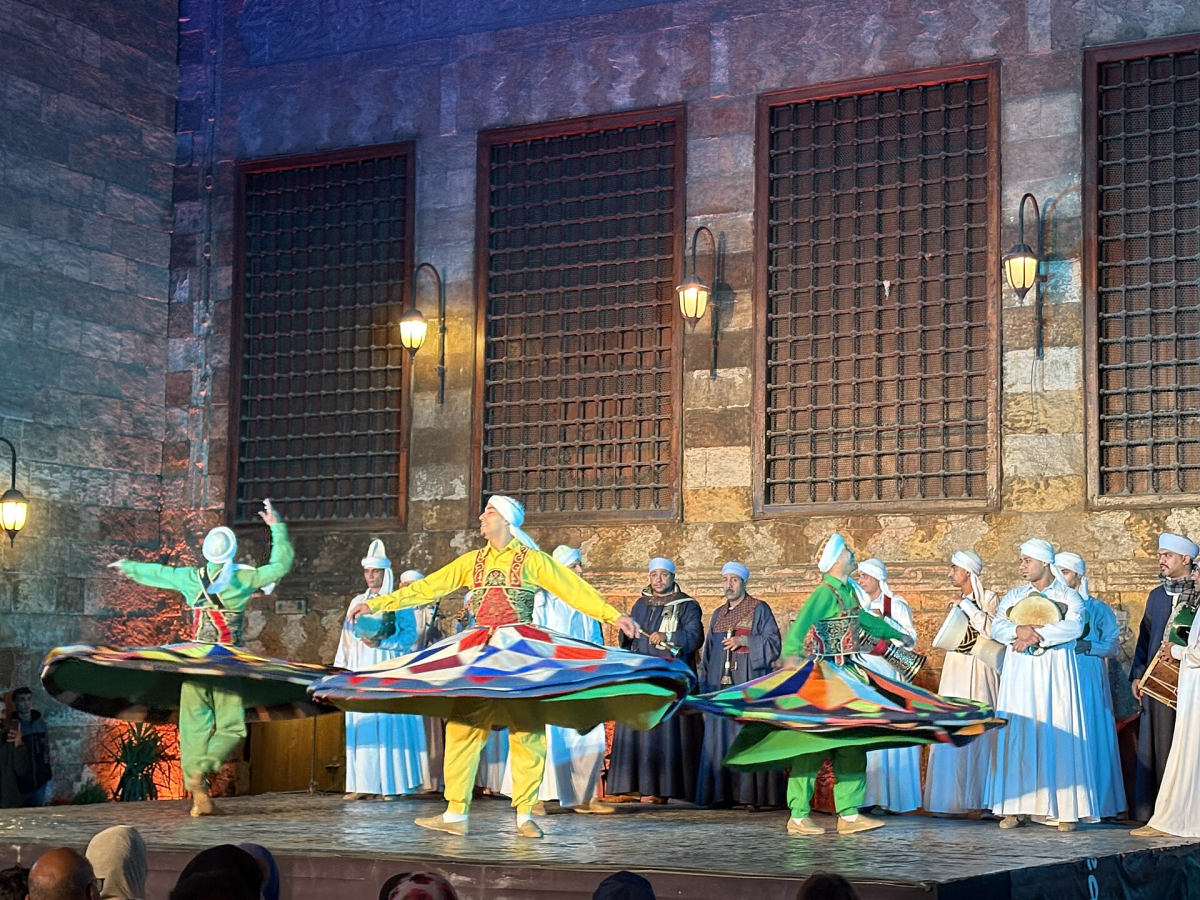
Egypt's cultural calendar offers several kinds of experience: a religious holiday shared with families, a natural alignment at an ancient temple, a ticketed contemporary arts festival or an ordinary evening performance. Decide which experience matters to you before choosing travel dates. Some occasions follow the Islamic or Coptic calendar, while others depend on an organizer's annual programme.
This guide explains the recurring context and the practical booking decisions. It does not treat a previous edition's dates as a confirmed future schedule. Sources were reviewed on 30 October 2026. Check the current organizer or venue before buying flights specifically for an event, and use Best Time to Visit Egypt to balance cultural interests with weather and route planning.
Choose the right kind of event
A large public celebration can be memorable but may involve crowds, traffic and uncertain viewing positions. A seated performance is easier to plan around an arrival day because the venue and admission rules are clearer. An event in Cairo also belongs to a different itinerary from a sunrise gathering at Abu Simbel. Do not add a distant occasion to a short trip without allowing travel and recovery time.
Check whether you want to participate, observe respectfully or attend a formal show. Religious services and local celebrations are not staged tourist performances. Ask about public access and appropriate behaviour, and avoid entering a private or worship space because a crowd appears welcoming. For ticketed events, check the language, duration and seating as carefully as the headline act.
| Occasion | Planning pattern | What needs confirmation |
|---|---|---|
| Abu Simbel solar alignment | Traditionally associated with 22 February and 22 October | Access, transport, crowd arrangements and conditions on the day |
| Ramadan evenings | Dates shift against the Gregorian calendar | Local hours, evening transport and any ticketed hospitality |
| Eid holidays | Dates and holiday arrangements need current confirmation | Busy travel periods, closures and reservations |
| Coptic celebrations and spring holidays | A distinct religious and seasonal calendar | Public access, services and local opening hours |
| Arts and music festivals | Organizer-led editions and programmes | Current dates, venues, tickets and cancellations |
| Ordinary evening performance | A selected date and venue | Start time, hall, admission and return transport |
Swipe or scroll the table horizontally on smaller screens.
Abu Simbel's solar alignment
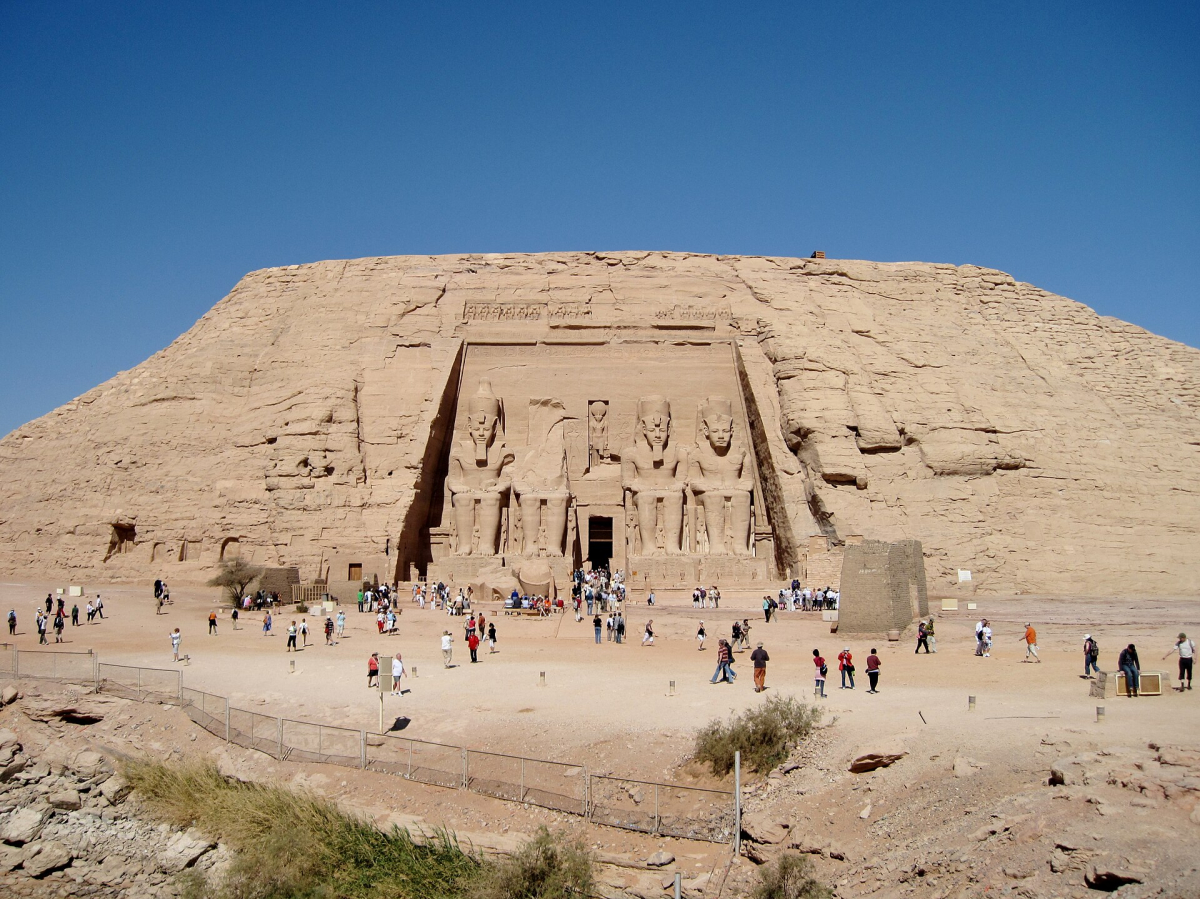
The Ministry of Tourism and Antiquities describes the sun illuminating the inner sanctuary at Abu Simbel twice a year, traditionally on 22 February and 22 October. These dates identify the recurring phenomenon rather than guaranteeing an unobstructed view or a specific festival programme. The experience depends on light, crowd arrangements and access on the day. A visitor standing outside the temple is not assured the same view as someone inside.
If this is the main reason for your journey, stay in the area with a confirmed plan for the early start and onward travel. Ask a licensed provider about current admission, pickup and queue arrangements. Avoid putting a tight flight connection after the visit. Consult the official Abu Simbel information and treat any promised exclusive viewpoint cautiously. The temples remain worthwhile outside the alignment dates, when the trip need not revolve around one crowded dawn.
Ramadan evenings and changing daily rhythms
During Ramadan, days and evenings can follow a different rhythm. Opening hours, meal service and traffic around sunset may change. Plan sightseeing and transfers with that in mind, and ask your hotel how the immediate neighbourhood operates. A dinner booking should distinguish an iftar meal at sunset from a later suhoor arrangement; they are different experiences with different timings.
The tourism authority's Ramadan overview highlights lanterns, evening streets, shared meals and historic Cairo. Use that as cultural context, then verify any individual tent, concert or palace event for your dates. An attractive page from a previous Ramadan is not a current booking offer. Dress respectfully around places of worship, allow services to take priority and arrange a clear meeting point if you are visiting busy streets with a group.
Eid, Coptic celebrations and spring holidays
Eid al-Fitr and Eid al-Adha can change transport demand, family outings and business hours. Confirm dates locally and book important travel and accommodation early once your trip is fixed. Leave extra flexibility around a popular waterfront, park or resort. A holiday does not mean every museum closes, but it is a reason to check the specific venue rather than reusing its ordinary schedule.
Coptic Christmas and Easter belong to a different calendar of observance, and Sham el-Nessim is associated with springtime outdoor gatherings. Approach these as living traditions. Confirm whether a church service welcomes visitors and follow instructions about clothing and photography. The official culture overview provides background; for attendance, use the current local institution and the day's access arrangements. A religious celebration should not be presented as a guaranteed public performance.
Arts festivals, music and performance
Cairo offers a way to encounter contemporary Egypt alongside ancient sites. The Cairo Opera calendar lists performances across multiple halls and affiliated venues, including locations outside the main Cairo complex. Check the exact hall, city and date before reserving transport. A ticket headed Cairo Opera does not by itself establish that the performance is at the main building in Zamalek.
For contemporary theatre, dance, visual arts and experimental work, consult D-CAF's organizer website. Its venues can be part of the experience, so check the entrance and neighbourhood rather than following an old festival map. Verify the current edition; archived programmes remain useful for understanding the festival's character but are not proof of future dates. Language, surtitles, standing versus seating and age suitability are practical details worth settling before payment.
Nightlife and evening plans
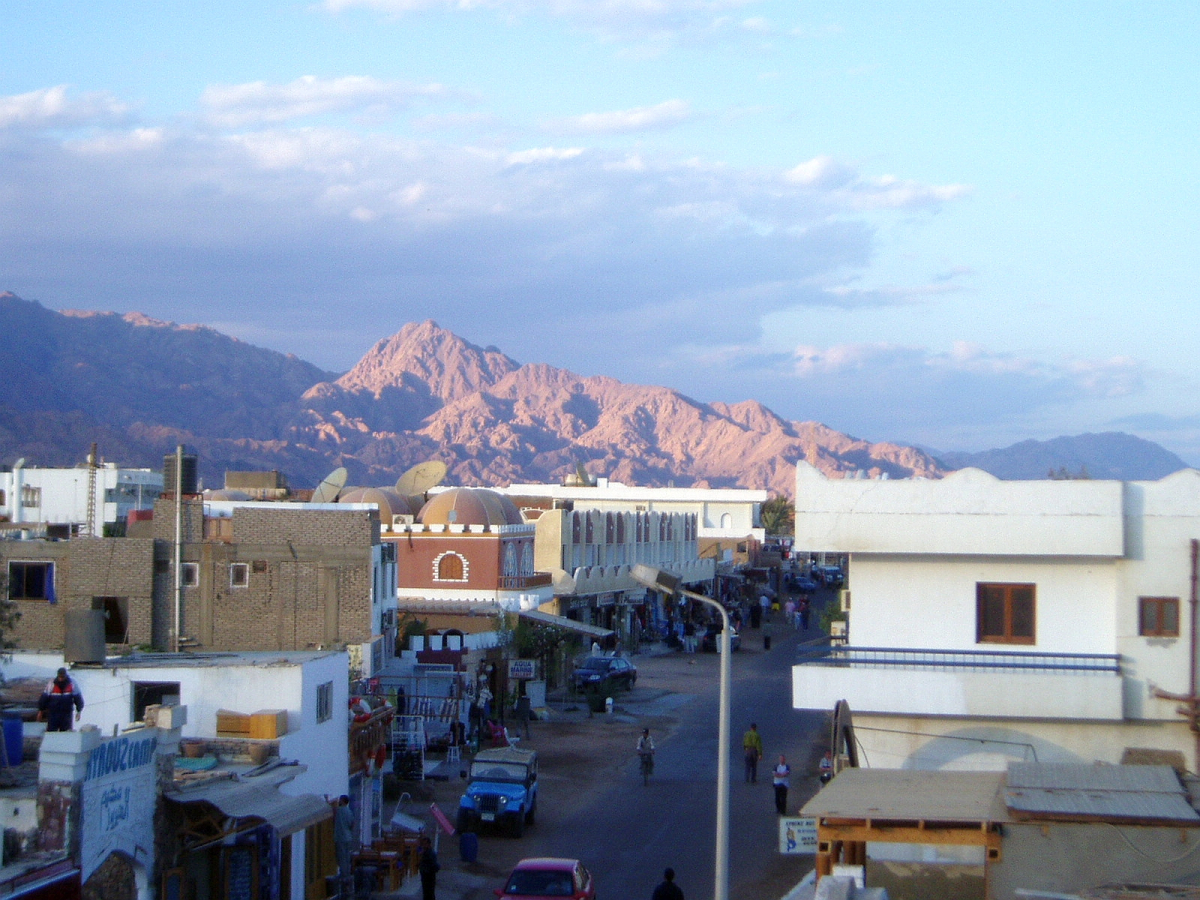
Choose an evening around the atmosphere you want. A café and a walk, a seated music performance, dinner overlooking the river and a licensed bar are different plans. In Cairo, a performance or meal near your accommodation can be more enjoyable than crossing the city twice after a full sightseeing day. Ask the venue whether music is live, whether a reservation is needed and whether a minimum spend or cover charge applies.
A hotel lounge or rooftop can be convenient for visitors who want a clear address and an easy return, but do not assume that every venue has the same entry policy. Check dress expectations, age restrictions and the final bill's service or tax treatment. If alcohol is part of the plan, use a licensed venue and follow local rules. Decide the return transport before the first drink, and keep the booking and pickup location saved offline.
In Luxor and Aswan, an evening can be built around an accessible waterfront, a hotel restaurant, a cultural programme or an authorized after-dark site visit. Confirm current opening and performance arrangements rather than assuming that a monument illuminated in a photograph is open every evening. A Nile dinner cruise is a separate product from a multi-day sightseeing cruise; compare sailing duration, entertainment, meal inclusions and transfer time before booking.
At Red Sea resorts, distinguish hotel entertainment from an independent town evening. A remote property may provide most of the available dining and shows, while a town base can offer more choice within a shorter journey. Ask whether a show is included for guests, open to outside visitors or ticketed separately. Family travellers should confirm age suitability and finish time, and anyone joining a dive or early transfer the next morning should leave room for rest.
Book an event without overcommitting the trip
Use the current organizer or venue as the starting point, then follow its stated ticket channel. Confirm the performance date, venue entrance, local start time, seat or admission category and cancellation terms. Keep the issued ticket and reference offline. If a provider bundles dinner, transport or a guide, compare those inclusions separately from the admission price.
Leave a buffer before the event and a clear plan after it. Traffic, security checks and unfamiliar entrances can add time. Accessibility questions should cover the route from drop-off to the seat and toilets, including stairs or standing periods. If the event is weather-dependent or the programme changes, keep an alternative nearby evening plan. A good cultural outing should enrich the journey without making every other day depend on one uncertain schedule.
Frequently asked questions
When is the Abu Simbel solar alignment?
Official tourism information associates the recurring alignment with 22 February and 22 October. Confirm access, transport and crowd arrangements for the particular date; a clear or unobstructed view is not guaranteed.
Should I use last year's festival dates to plan a trip?
Use an archived programme to understand an event, then verify the current edition with the organizer. Do not buy non-refundable travel around unconfirmed dates or assume the venues are unchanged.
Does Ramadan change sightseeing in Egypt?
It can change opening hours, meal service, traffic and evening activity. Confirm the specific attraction and transfer, and distinguish an iftar booking from a later evening or suhoor event.
How do I choose an evening out in Cairo?
Decide whether you want a café, a meal, a performance or a licensed bar. Confirm the exact venue, booking rules and total charges, and arrange a practical return journey before leaving.



