
AFRICA · EGYPT TRAVEL GUIDE
Egypt Health & Safety: Regional Advice, Boats & Practical Help
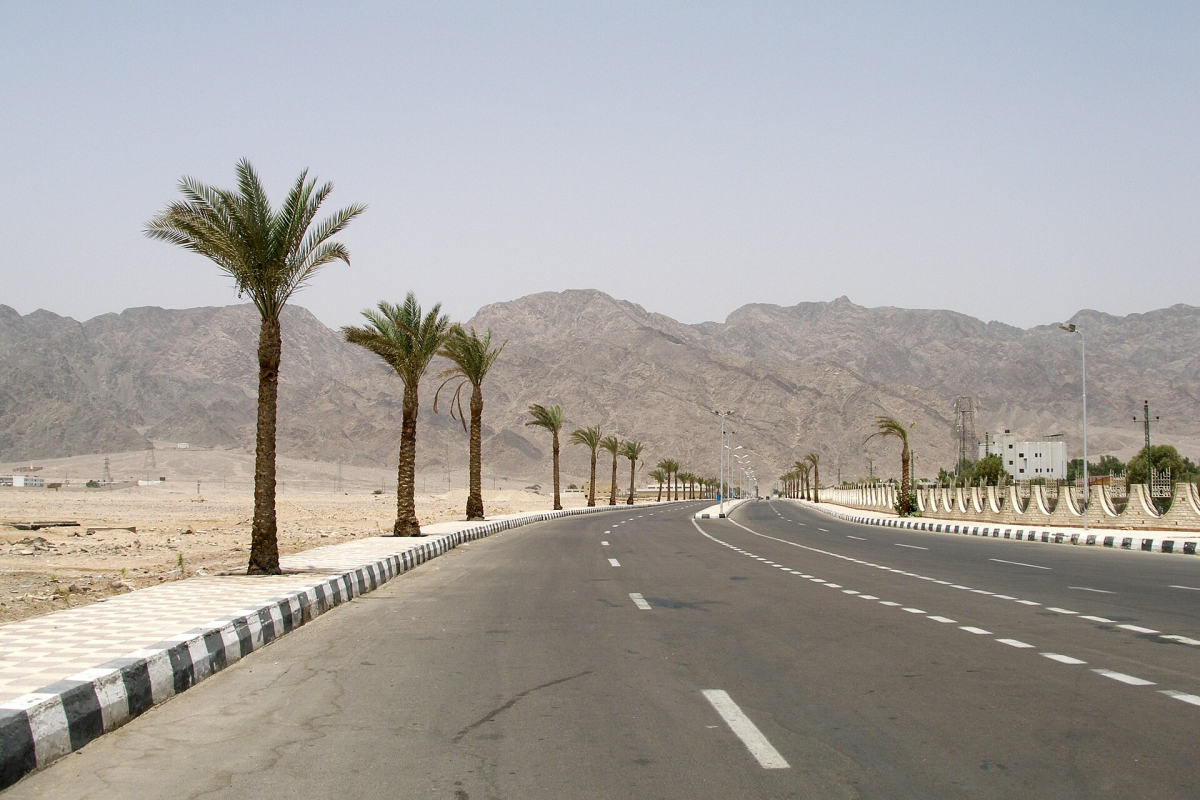
Egypt travel safety depends on where you go, how you move and which activities you book. A museum day in Cairo, a Nile journey and an overnight Red Sea dive boat involve different decisions. Use current official travel advice alongside this practical guide, and assess the full route rather than treating the country as a single risk category.
Checked on 30 October 2026, the UK Foreign, Commonwealth & Development Office advice contains warnings against travel to parts of Egypt and describes regional uncertainty. Travellers from other countries should also read their own government's advice and insurance conditions. An operator willing to sell an excursion is not evidence that a route is covered by your policy.
Check the region and the road
North Sinai, border areas and parts of the Western Desert need particular attention. Current official advice distinguishes specific exceptions and access corridors rather than treating every desert destination identically. Siwa town and the Marsa Matruh–Siwa road should not be confused with the Bahariya–Siwa route, which current UK guidance describes as closed and subject to restrictions. A route drawn through the desert on a map is not confirmation that tourists can use it.
Read the regional risks page immediately before booking remote excursions. Ask a licensed operator about permits, approved routing and communications. Keep route changes in writing and make sure your insurer covers the actual area. Where conditions are uncertain, choose a plan that stays within confirmed access rather than improvising at a checkpoint.
Everyday precautions in cities and resorts
Keep a working phone, the address of your accommodation and a separate copy of essential documents. At crowded sites, carry the amount of cash needed for the day and keep cards and backup funds separately. Agree the price and scope of an optional service before accepting it: an unsolicited guide, photograph, boat ride or animal ride may be presented as free until payment is requested.
Use a simple response to persistent selling and continue towards your planned entrance or meeting point. A claim that a museum is closed, a ticket is invalid or your hotel has moved should be verified with the venue or accommodation directly. Avoid confrontations, political gatherings and demonstrations. When using a taxi or private transfer, check the vehicle and driver against the booking, share the journey with a trusted contact and arrange a clear pickup point after evening visits.
Women, solo travellers and families
Choose accommodation and excursions for practical support as well as price. Useful questions include whether reception is staffed when you arrive, how transport is arranged after dark and whether the meeting point is inside a staffed venue. For solo outings, have a return plan before leaving. Harassment should not be minimized as a normal part of travel, and a resort setting does not remove the need for personal boundaries.
Keep children within sight around pools, waterfronts, crowded monuments and hotel activities. Confirm who supervises an activity and whether it is suitable for the child's age and swimming ability. If an incident occurs, seek a safe location, medical assistance where needed and contact local police and your consular service. Preserve relevant messages and booking details. You do not have to accept an accommodation employee's request to keep a serious incident informal.
Heat, food, water and pacing
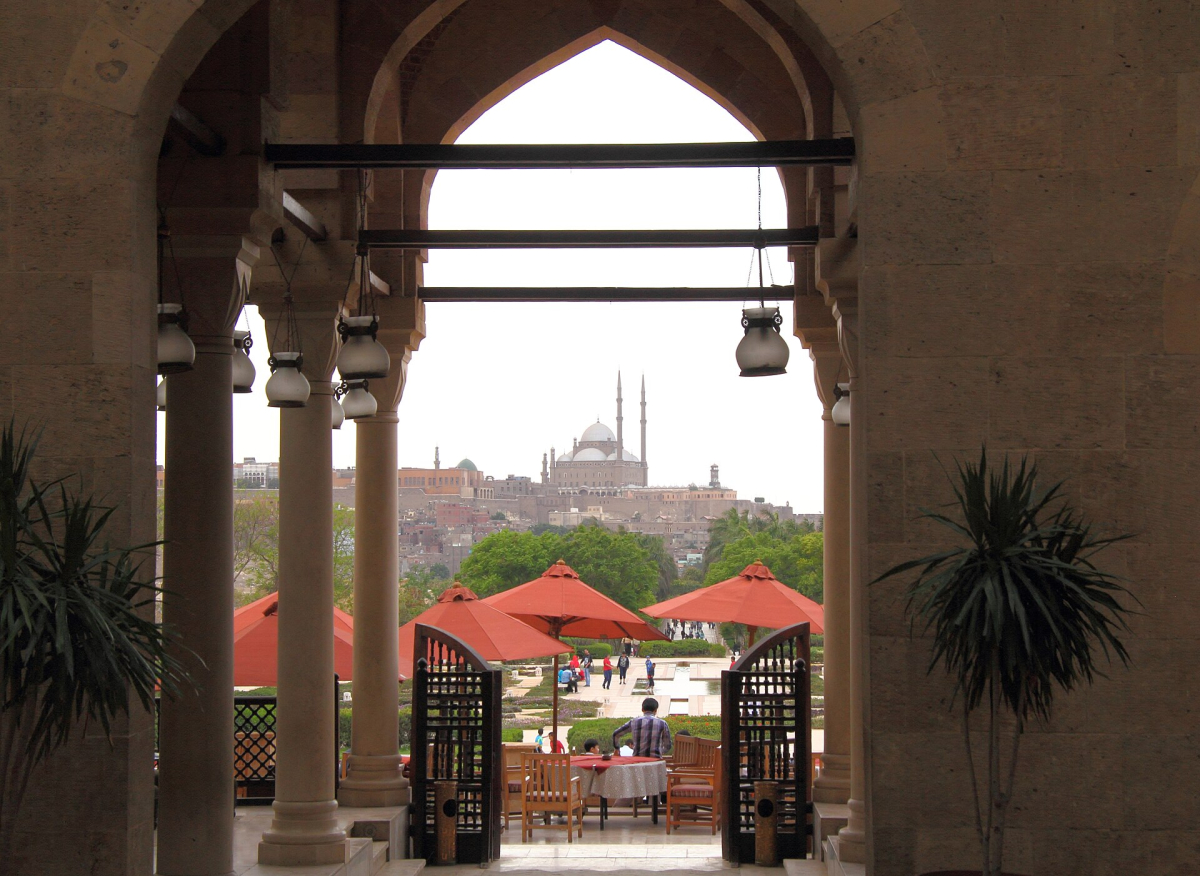
Plan exposed monuments for the cooler part of the day, allow shade breaks and carry drinking water. A long list of attractions becomes less useful when it removes time to rest. This matters especially for children, older travellers and anyone affected by heat. Select freshly prepared food from places with good turnover, wash hands before eating and use drinking water you can trust. Ask a clinician about individual medical risks before departure.
The specialist NaTHNaC Egypt health guidance identifies a risk of schistosomiasis and advises avoiding swimming, bathing or wading in freshwater. A Nile boat trip should not be turned into a river swim. This risk is different from swimming in the sea or an adequately chlorinated pool. If you have had a possible freshwater exposure, seek medical advice and explain where and when it happened.
Animal contact and bites
Do not feed or handle unfamiliar dogs, cats or other mammals, including animals around cafés and hotels. Children may approach a friendly-looking animal without recognizing the risk, so set the rule before the trip. An animal being small, calm or accustomed to visitors does not establish that it is safe to touch. Avoid wildlife handling offered as entertainment.
NaTHNaC identifies rabies as a risk in Egypt. After a bite, scratch or saliva exposure to broken skin or a mucous membrane, clean the affected area thoroughly and obtain an urgent medical assessment, even for a small wound. Tell the clinician if you have had pre-travel rabies vaccination. Vaccination does not remove the need for prompt assessment after a possible exposure. Discuss your itinerary and access to treatment with a travel health professional before departure.
Medication, insurance and medical treatment
Check medication rules before travel, especially for controlled medicines. Pack supplies in their original packaging and carry a prescribing clinician's letter describing the medicine, the quantity and its personal medical use. A medicine available legally at home may need permission in Egypt. Do not transfer essential tablets into an unlabelled bag to save luggage space.
Arrange insurance that reflects your planned activities and medical history, including evacuation where appropriate. Keep the assistance number accessible offline. If you need treatment, contact the insurer promptly and ask the clinic for an itemized record and receipts. UK health guidance for Egypt advises checking vaccine recommendations before travel and notes that some medicines require advance permission. Individual treatment and vaccination decisions belong with a qualified clinician.
Check boats, diving and excursion safety
For a boat excursion, examine the safety arrangements before departure: usable lifejackets in suitable sizes, an understandable briefing, clear exits and a crew prepared to explain the plan. Weather and the passenger's ability matter as much as the photograph in an advertisement. If the arrangements look inadequate, do not board simply because the activity has already been paid for.
For overnight dive boats, read the Marine Accident Investigation Branch safety warning. Ask the vendor to substantiate the vessel's safety standards and request a full briefing on board. Diving experience, medical fitness and the insurance depth limit must match the trip. The Chamber of Diving and Water Sports provides operator information; membership or a listing is a useful check, not a personal guarantee of every departure.
Road journeys and adventure activities
Choose transport with working seatbelts and allow realistic travel days. A long overnight road transfer can be a poor saving when it leaves the next day exhausted. Ask who operates a subcontracted transfer and whether there will be additional pickups. Keep the driver informed of necessary breaks; never pressure a driver to recover time after an airline delay.
Ballooning, quad biking and remote hiking need separate judgement about operator standards, weather, equipment and insurance. Do not join a mountain walk in unsuitable shoes or begin a desert outing without confirmed access and support. An activity marked suitable for everyone still needs a check against your own mobility, health and experience. For accessible arrangements, use the planning questions in Travel Essentials.
Photography, drones and local rules
Respect restrictions at military and government property, checkpoints and sensitive infrastructure. Put the camera away if an official instructs you to stop. Personal tourist photography and professional filming are separate matters; do not assume a public viewpoint authorizes every type of equipment. Obtain permission before photographing people and follow the restrictions at each museum or religious site.
Do not import or use a drone without the required advance Egyptian authorization. Buying a small travel drone or promising to fly far from a monument does not remove the rules. Plan photographs around permitted access, opening hours and safe public places. For religious visits, dress appropriately and allow services and worshippers to take priority.
Useful contacts to save offline
| Service | Number in Egypt | When to use it |
|---|---|---|
| Ambulance | 123 | Urgent medical assistance |
| Police | 122 | Police emergencies |
| Tourist Police | 126 | Tourist-related incidents and reporting |
| Fire service | 180 | Fire emergencies |
| Tourism information | 19654 | Visitor information, not an emergency response |
Swipe or scroll the table horizontally on smaller screens.
These numbers are listed by Egyptian official tourism or telecom sources; emergency calls and network behaviour have not been transaction-tested. Save your hotel's number, your insurer's assistance number and your own embassy's current contact as well. If you use a data-only travel eSIM, establish how you will make a voice call or ask nearby staff to call for help. Give your location clearly, including the hotel, landmark or road and the callback number you can answer.
Frequently asked questions
Is the whole of Egypt covered by the same travel advice?
No. Official advice identifies different regions and access corridors. Check the exact route, current advice from your government and the geographical conditions of your insurance before booking.
Can I swim in the Nile?
Specialist travel health guidance advises avoiding freshwater swimming, bathing and wading because of schistosomiasis risk in Egypt. Choose a suitable sea location or adequately chlorinated pool instead.
What should I check before a Red Sea dive boat trip?
Ask about the vessel, safety equipment, emergency procedures, passenger briefing, operator credentials and insurance. Read the official MAIB liveaboard warning and do not board if the arrangements appear inadequate.
What number should I call for an ambulance in Egypt?
The published ambulance number is 123. Save your location details and insurance assistance number offline. A data-only travel eSIM may not provide ordinary voice calling.


